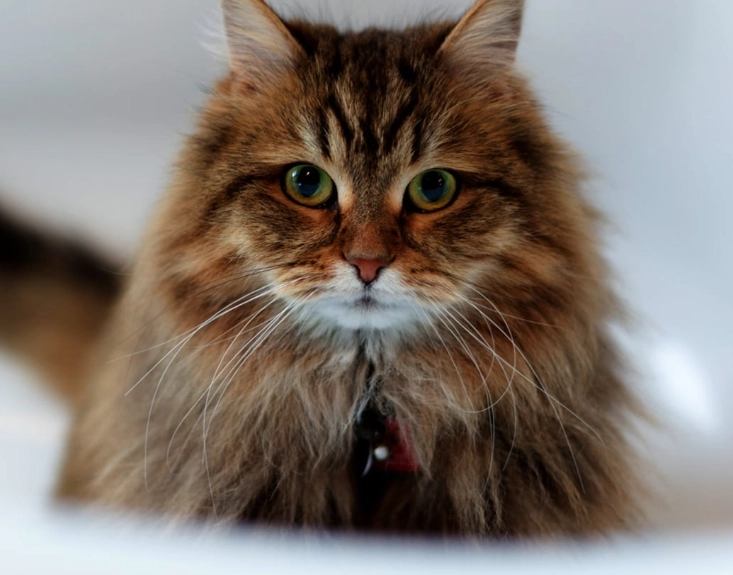
You see them in memes, celebrated for their chaotic energy and insatiable appetites. The "orange cat" has become an internet icon, but behind the sunny fur lies a real animal with specific traits, needs, and a bit of genetic intrigue. I've lived with a particularly opinionated orange tabby for over a decade, and what I've learned often contradicts the fluffy stereotypes online. This isn't just about a coat color; it's about understanding the personality, health, and care that often comes bundled with those gorgeous ginger stripes.
What You’ll Learn About Orange Cats
The Orange Cat Blueprint: Genetics and The Famous Personality
Let's clear something up first. "Orange cat breed" is a misnomer. Orange isn't a breed; it's a coat color, officially called "red" in cat fancy terms. The gene responsible is on the X chromosome. This leads to the famous statistic: about 80% of orange cats are male. A male cat only needs one orange gene from his mother. A female needs an orange gene from both parents, making them less common but certainly not mythical.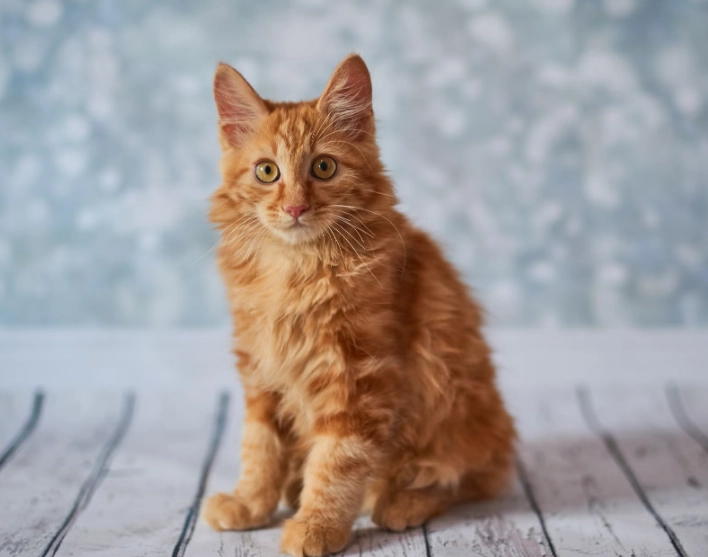
Now, the personality. Is the "orange cat behavior" real? Anecdotal evidence from millions of owners screams yes. Studies on cat personality, like those referenced in the book Cat Sense by John Bradshaw, suggest coat color may correlate with certain behaviors, though it's not definitive. From my experience and countless conversations with other owners, the pattern is hard to ignore.
They tend to be extroverted, highly social, and often display a dog-like loyalty. My own cat, Leo, follows me from room to room and greets me at the door. But here's the non-consensus part everyone misses: this high sociability can tip into neediness and loud vocalization if not managed. They get bored easily. An under-stimulated orange cat isn't a happy cat; they're a cat about to knock your favorite mug off the counter for entertainment.
The food obsession is legendary and mostly true. Their motivation for treats can make training easier, but it's a double-edged sword. Free-feeding an orange cat is a recipe for obesity. You must be the strict one with the measuring cup.
The Breeds Behind the Color: More Than Just Tabbies
While the classic short-haired orange tabby (often a Domestic Shorthair) is the most common, the orange color pattern appears in many purebreds. The personality you get is more influenced by breed than by color alone. Don't just pick a cat for its ginger coat; understand the breed's engine under the hood.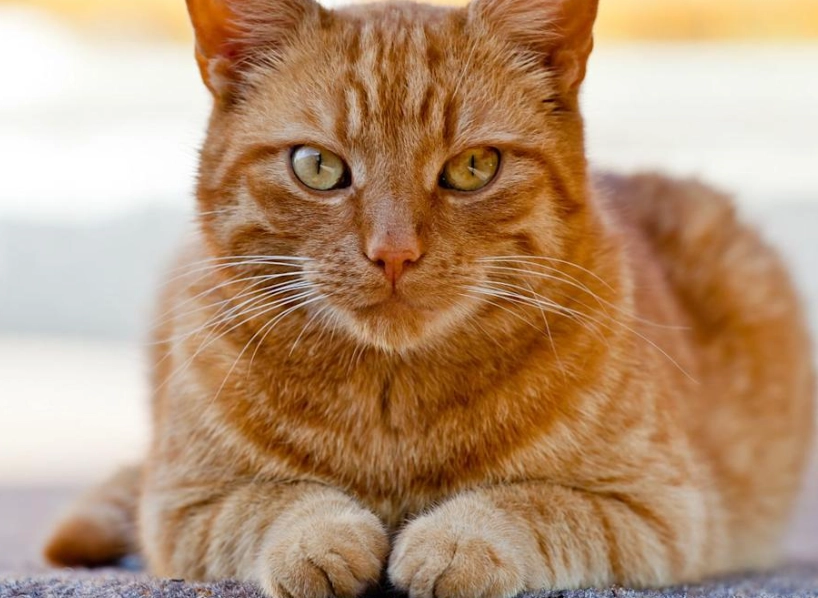
| Breed | Typical Orange Pattern | Key Personality Trait (Beyond "Friendly") | Activity Level |
|---|---|---|---|
| Maine Coon | Often classic or mackerel tabby | Gentle giant, playful but not destructive, chirps instead of meows. | Moderate to High |
| Persian / Exotic Shorthair | Solid red or red tabby | Ultra-placid lap cat. The orange ones aren't suddenly hyper. Grooming needs are immense. | Low |
| Abyssinian | "Sorrel" – a warm cinnamon-orange ticked coat | Acrobatic, curious, needs to be in your business. Not a lap cat, but a constant companion. | Very High |
| British Shorthair | Solid orange ("ginger") is prized | Calm, dignified, independent. The "teddy bear" cat. Less likely to be clingy. | Low |
| Domestic Shorthair (Tabby) | Classic, mackerel, spotted, or ticked tabby | The wild card. Personality varies widely, but the orange ones often lean bold and affectionate. | Variable |
I once catsat for an orange Persian. Everyone expected a goofball, but he was a serene, immovable floof who demanded brushing twice a day. His color was irrelevant; his breed was everything.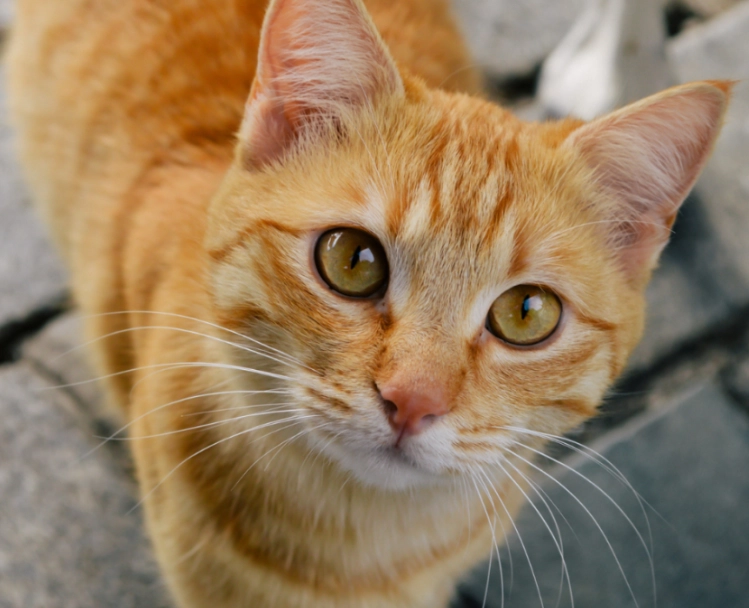
Health Considerations: It’s About Breed, Not Color
This is critical. The orange gene itself does not cause diseases. However, you must look at the health predispositions of the breed your orange cat belongs to. This is where many generic articles fail.
If you have an orange Maine Coon, you need to talk to your vet about screening for Hypertrophic Cardiomyopathy (HCM), a heart condition the breed is prone to. Reputable breeders test for this. An orange Persian or Exotic will have brachycephalic (flat-faced) issues and is at high risk for polycystic kidney disease (PKD).
For the common orange Domestic Shorthair, the main watchpoint is weight management. Their love for food makes them prone to obesity, which is a direct gateway to diabetes, arthritis, and urinary issues. A study published in the Journal of Veterinary Internal Medicine has highlighted the significant link between obesity and diabetes mellitus in cats. Keeping your orange cat at a lean, healthy weight is the single most important health intervention you can make.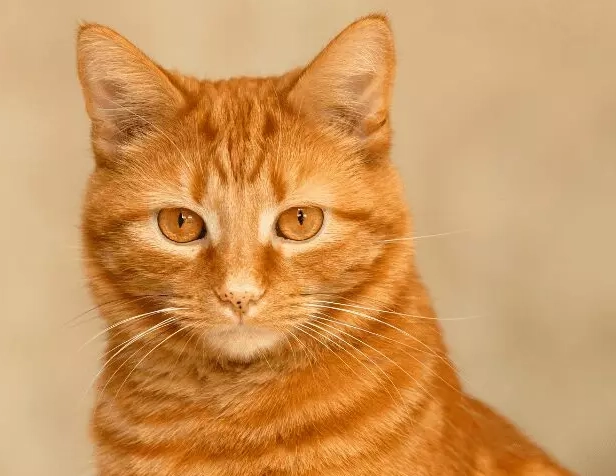
A Practical Care & Grooming Guide
Caring for an orange cat isn't mystical, but it requires acknowledging their common traits.
Diet and Feeding: The Battle of the Bowl
Throw away the idea of a full food bowl all day. Implement scheduled feedings—two or three measured meals per day. Use the feeding guidelines on your quality cat food as a starting point, and adjust based on your cat's body condition. Your vet can give you a target weight.
Invest in puzzle feeders. They turn mealtime into a brain game, slowing down voracious eaters and providing mental stimulation. My cat's favorite is a simple ball he has to bat around to dispense kibble. It cut his 2-minute scarfing session into a 15-minute activity.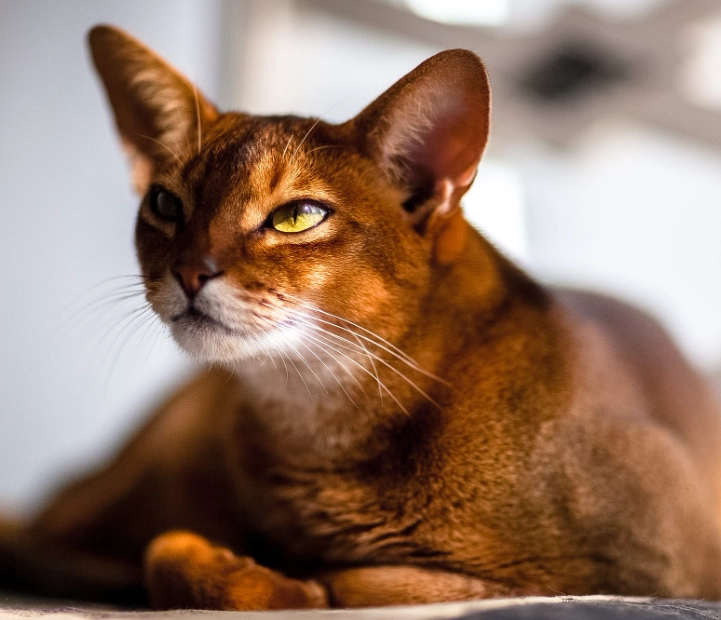
Grooming: It’s Not Just for Looks
All that orange fur, whether short or long, sheds. Regular brushing removes dead hair, reduces hairballs, and distributes skin oils.
Short-haired orange tabbies: A weekly brush with a rubber grooming mitt or a fine-toothed comb is perfect. You'll be amazed at the loose fur you collect.
Long-haired orange cats (like Maine Coons, Persians): This is a daily commitment. A slicker brush and a wide-toothed comb are essential to prevent mats, which can become painful and require shaving. Start this habit when they're kittens.
Enrichment: Tiring Out the Brain
A bored orange cat is a mischievous cat. They need more than a toy mouse. Rotate toys weekly to keep things interesting. Dedicate 10-15 minutes twice a day to interactive play with a wand toy—simulate the hunt, let them catch it, and then feed them a small portion of their meal. It mimics their natural prey sequence. Cat trees near windows provide hours of "cat TV."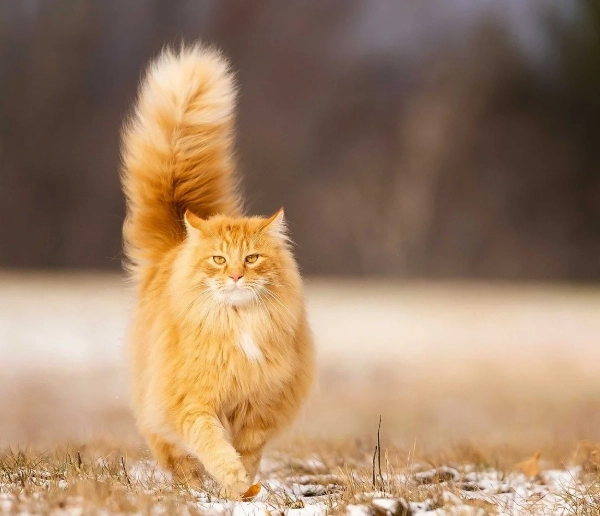
Your Orange Cat Questions: A Deep Dive
Let's tackle the specific, gritty questions that keep orange cat owners up at night.
Is it true that all orange cats are male?
Do orange cats have more health problems than other cats?
Why is my orange cat so vocal and demanding about food?
What's the best way to groom an orange tabby's coat?
Living with an orange cat is a vibrant, engaging, and sometimes chaotic experience. It's less about managing a color and more about understanding a particular set of wiring—high social drive, high food motivation, and a dash of theatrical flair. By focusing on their breed-specific needs, managing their diet with an iron fist (in a velvet glove), and engaging their clever brains, you don't just have a pet. You have a charismatic, sunny companion who will undoubtedly leave paw prints all over your house and your heart.