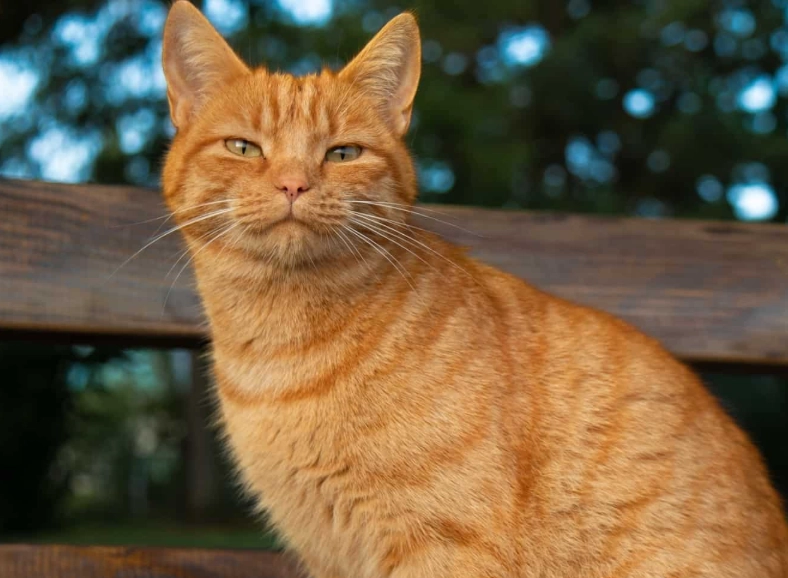
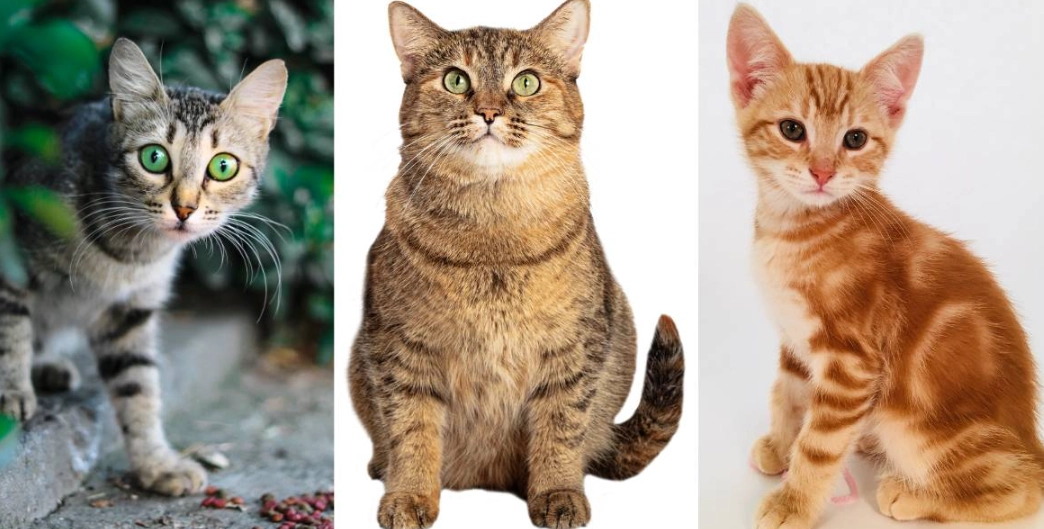
If you share your home with a vibrant orange tabby, you've probably heard the stereotypes. They're the clowns of the cat world, notoriously friendly, a bit dim, and always hungry. My own cat, Marmalade, fits some of these—he once got his head stuck in a yogurt container he was licking clean. But after a decade of working with cats and living with this particular orange whirlwind, I've learned the reality is far more nuanced. The "orange cat personality" isn't a myth, but it's not a simple rule either. It's a fascinating interplay of genetics, perception, and individual spirit. Let's move beyond the memes and look at what really makes these sunny felines tick.
What You'll Discover About Your Orange Cat
The Science (and Stories) Behind the Color
First, a crucial fact: "orange cat" isn't a breed. It's a coat color, officially called "red" in cat fancy terms, seen in many breeds and moggies. The gene responsible for the orange pigment, pheomelanin, is on the X chromosome. This leads to the famous statistic: about 80% of orange cats are male. Males need only one copy of the gene, while females need two. So your female orange cat is a bit of a genetic rarity.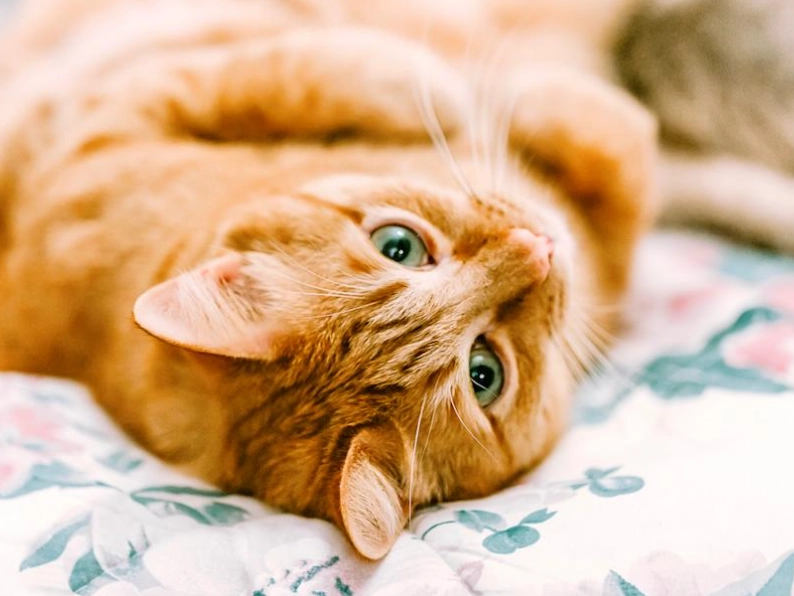
Does the gene for color link directly to personality? Science hasn't found a definitive "personality gene" tied to coat color. However, a study published in the journal Applied Animal Behaviour Science surveyed over 1,200 cat owners and found some correlation between coat color and perceived behavior. Orange cats were consistently rated as more friendly, tolerant, and calm. The lead researcher cautioned that owner perception and reporting bias play a role. We expect orange cats to be friendly, so we might interpret their actions through that lens.
Here's my take, after years of observation: selection bias might be a bigger factor. Think about it. In shelters and colonies, the bold, outgoing, people-oriented kittens are often the first to approach and get adopted. If those kittens happen to be orange, their confident personality gets associated with their color. It becomes a self-fulfilling prophecy. A shy orange cat exists, but he's less likely to be the one marching up to a visitor and cementing the stereotype.
Quick Genetics Recap: Most orange cats are male. The color appears as one of four tabby patterns: mackerel (stripes), classic (swirls), ticked, or spotted. The solid orange cat is very rare and is usually a shaded or smoke pattern, not a true solid.
Common Orange Cat Behavior Traits (The Good Stuff)
Let's talk about what owners consistently report. While not universal, these traits show up enough to be noteworthy.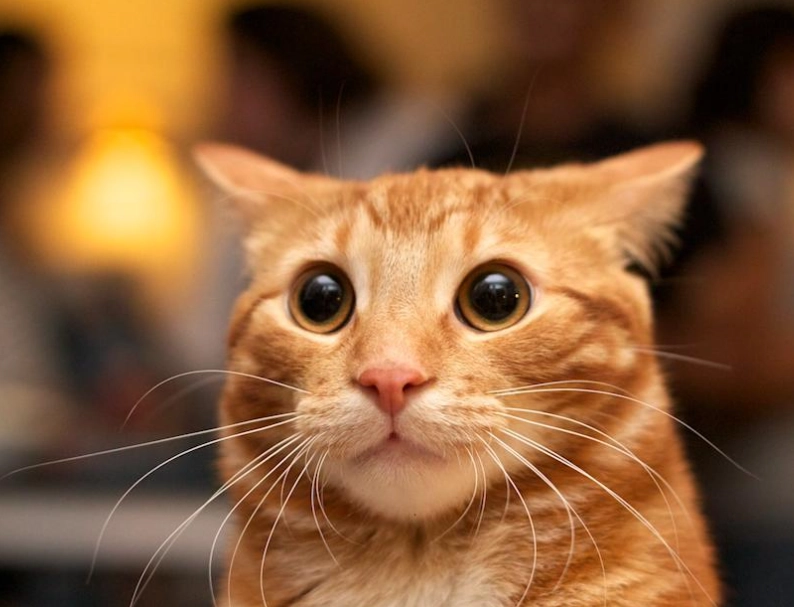
1. The Social Butterfly Tendency
Many orange tabbies seem to lack the standard feline aloofness gene. They're often the first to greet guests, follow you from room to room, and demand a lap the moment you sit down. This isn't just affection; it's often a high degree of social confidence. They see the world as full of potential friends, not threats. This makes them fantastic companions for families or people who want a cat that's genuinely involved in their daily life.
I've seen this in action. Marmalade will chirp at delivery drivers through the window. My friend's grey tabby? She's under the bed before the doorbell finishes ringing.
2. The Goofy, Playful Streak
The "orange cat braincell" meme exists for a reason. They have a reputation for hilarious, sometimes questionable, judgment. This often manifests as a prolonged kitten-like playfulness. They might chase their tail at age five, attack invisible foes, or get themselves into predicaments that leave you wondering how they survived this long. This isn't low intelligence—it's often a combination of high curiosity and a fearless approach to play. They're testing boundaries and having fun, consequences be damned.
3. Vocal and Opinionated
Silence is not always golden in an orange cat household. They tend to be chatty, using a range of meows, trills, and chirps to communicate. It's not the plaintive yowl of a Siamese, but a running commentary. "You're awake!" "I see a bird!" "Why is my bowl half empty?" They're engaging you in conversation. Learning the nuances of their vocalizations can deepen your bond significantly.
Potential Behavior Challenges and Real Solutions
Every personality strength has a flip side. The traits that make orange cats charming can also lead to specific challenges. Here’s how to navigate them.
Heads Up: The biggest mistake I see owners make is chalking up all behavior to "just being orange." This leads to missed signals and unsolved problems. Always rule out medical issues first with a vet. A sudden increase in vocalization or clinginess can indicate pain or illness.
Food Obsession and Scavenging
This is the number one complaint. That social, bold personality extends to food. They're opportunistic and persistent. You might find them on the counter, in the sink, or trying to open the pantry. It's not just greed; it's a high-food-drive behavior.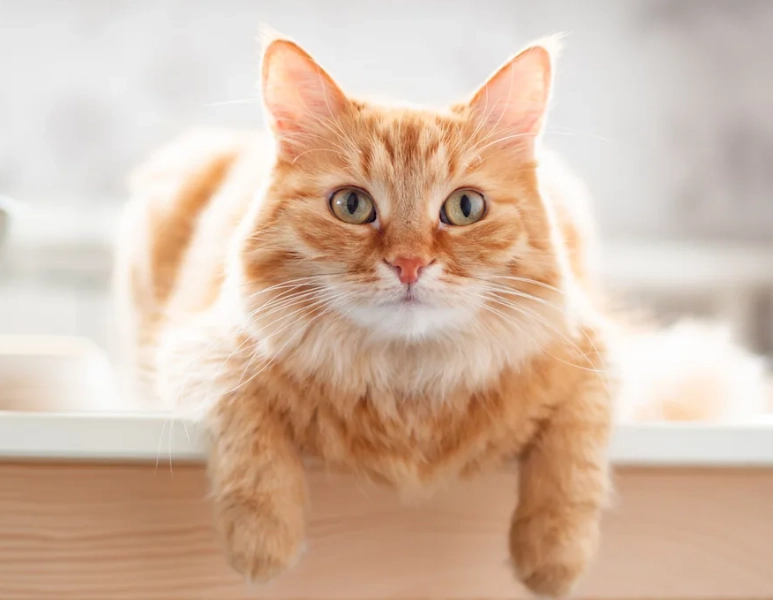
What works: Forget free-feeding. It's a disaster with these guys. Implement scheduled meals (2-3 times a day). Use puzzle feeders or slow-feed bowls to make them work for it, satisfying their mental and physical need to "hunt." Never, ever give them food from your plate. That single moment of weakness teaches them that begging works, and they have the stubbornness to outlast you.
Demanding Attention and Overstimulation
Their love can be… intense. Constant meowing, pawing at you, or blocking your screen. And sometimes, during a petting session, that affectionate cat suddenly bites. This is usually overstimulation. They want contact but have a low threshold. The purring turns to biting in a flash.
What works: Set boundaries with consistency. If they meow for attention, wait for a moment of quiet before you engage. Schedule dedicated play sessions (10-15 minutes, twice a day) to burn energy before they demand it. Learn their petting limits. Watch for the warning signs: tail twitching, skin rippling, ears going back. Stop petting before the bite. Get up and walk away if they become too demanding. They learn that calm behavior gets your attention.
High Energy and Destructive Play
That playful streak needs an outlet. Without one, your curtains, couch, and ankles become the target.
What works: Rotate toys to keep things novel. Invest in interactive toys like wand teasers or laser pointers (always end with a physical toy they can "catch" to avoid frustration). Create vertical space—cat trees, shelves—to channel energy into climbing. Consider adopting a second cat as a playmate, but only if you're prepared for double the fun (and potential trouble). A single, intense daily play session is better than sporadic, half-hearted attempts.
Living in Harmony With Your Orange Cat
Understanding is the first step. Management is the next. Your orange cat isn't trying to be difficult; they're operating on a different wavelength—one of high engagement and low inhibition.
Structure is your best friend. A predictable routine for meals, play, and quiet time provides security and burns energy in appropriate ways. Environmental enrichment is non-negotiable. Puzzle feeders, window perches for bird-watching, cardboard boxes, and regular new smells (cat-safe herbs like catnip or silver vine) keep their active minds occupied.
Most importantly, appreciate them for who they are. Don't just see the stereotype; see the individual. Your orange cat's bold, affectionate, and sometimes ridiculous nature is a gift. It's a daily dose of unfiltered, sunny personality. With a little understanding and the right strategies, you can channel that vibrant energy into a deep, rewarding, and hilarious friendship.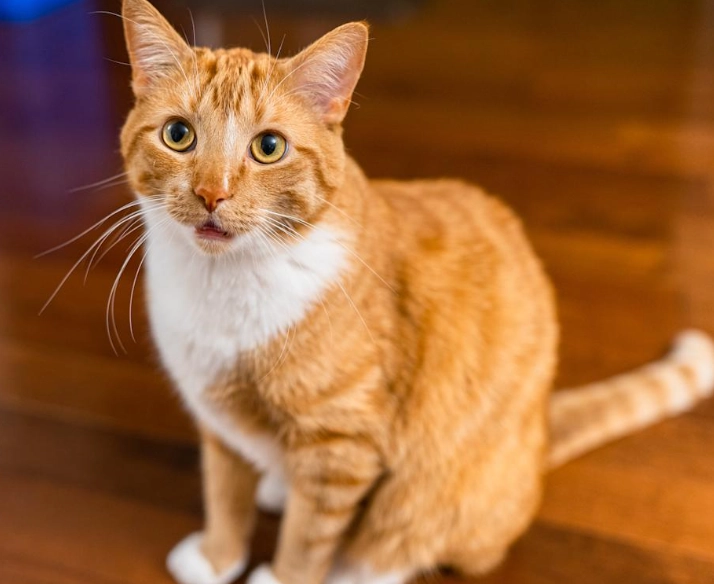
Just keep the yogurt containers out of reach.