Let's cut to the chase: no, an orange cat isn't automatically a Persian. I've seen this confusion so many times—people adopt a cute orange kitten and assume it's a Persian because of some vague online meme. But coat color and breed are two different things. Orange is just a color, like having blonde hair doesn't make you Swedish. Persians are a specific breed with distinct features. In this guide, I'll break down the facts, using my 10 years of cat rescue experience to clear up the myths.
What You'll Learn in This Guide
What Exactly is an Orange Cat?
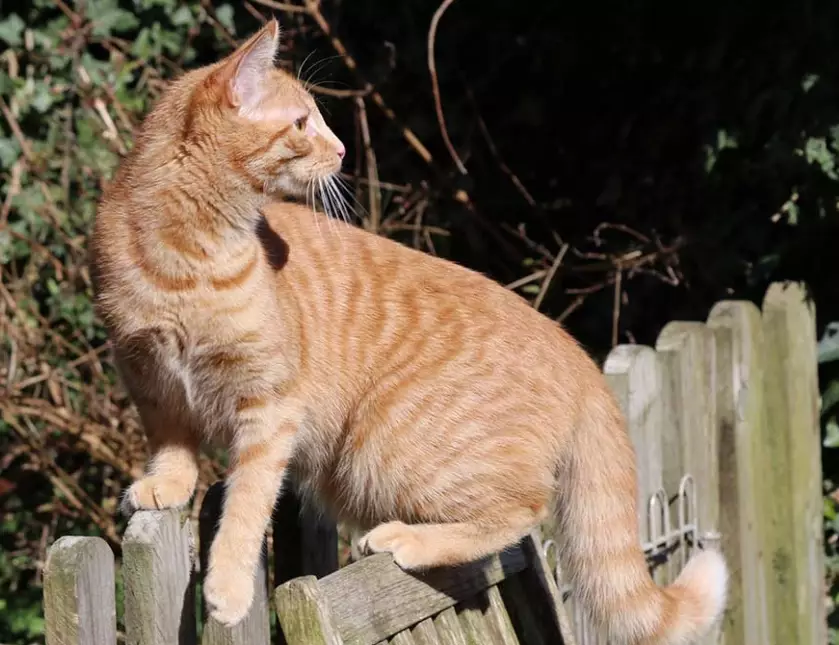
When we say "orange cat," we're talking about coat color, not breed. It's like calling all red cars sports cars—it just doesn't hold up. Orange fur in cats comes from a pigment called pheomelanin, and it's controlled by a gene on the X chromosome. That's why about 80% of orange cats are male; females need two copies of the gene, which is rarer.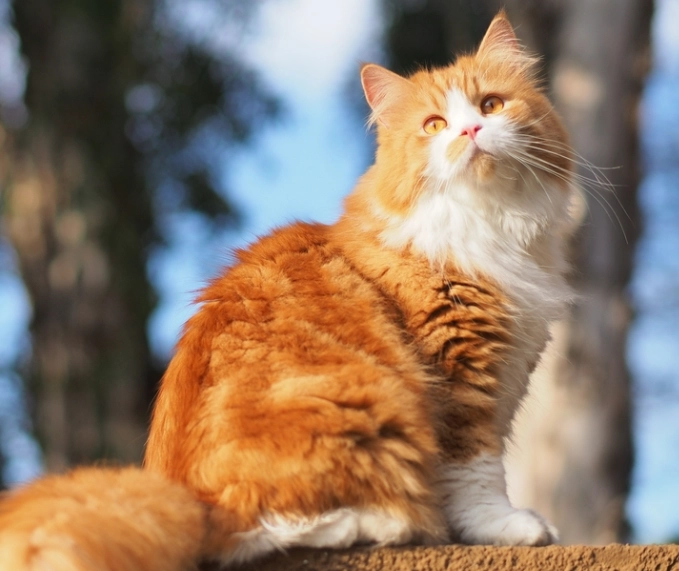
I remember fostering an orange tabby named Simba. Everyone thought he was a Persian because he was fluffy, but his face was too angular. Turns out, he was a Maine Coon mix. Orange cats can be purebred or mixed, and they pop up in all sorts of breeds.
The Genetics Behind Orange Fur
The orange gene (O) is dominant. If a cat has it, they'll show orange patches or solid orange fur. It's often linked with tabby patterns—those classic stripes or swirls. According to research from the University of California, Davis, this gene has been around for centuries and isn't tied to any single breed. So, when you see an orange cat, think color first, breed second.
Defining the Persian Cat Breed
Persian cats are a whole different ball game. They're one of the oldest cat breeds, with roots tracing back to Persia (modern-day Iran). The International Cat Association (TICA) and the Cat Fanciers' Association (CFA) have strict standards for Persians: flat faces, round eyes, long luxurious coats, and a stocky body. It's not just about looks; their personality is typically calm and sweet, but they can be high-maintenance.
I've met Persian owners who spend hours grooming their cats. One friend's Persian, Lulu, needs daily brushing to prevent mats. If you're not up for that, a Persian might not be for you—even if it's orange.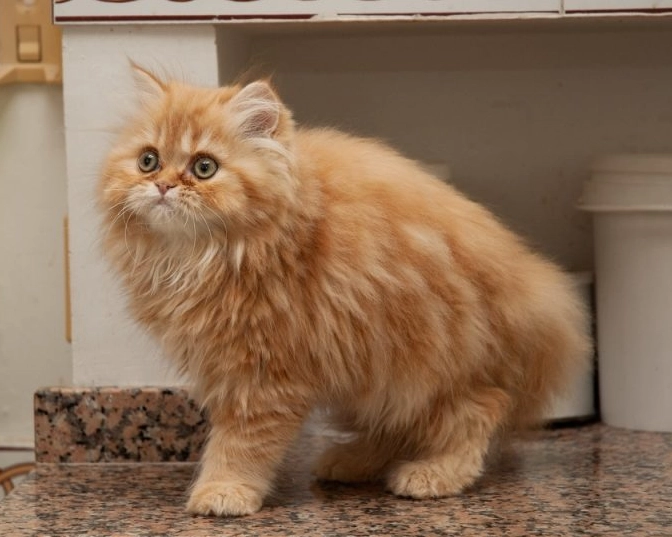
Persian Cat Standards and History
Persians were bred for their distinctive appearance. In the 1800s, they became popular in Europe and were crossbred to enhance features like the flat face. Today, breeds like Himalayans are Persian hybrids. The CFA's breed standard emphasizes a "peke-faced" structure, which can lead to health issues like breathing difficulties. That's a key point many overlook: Persians aren't just pretty faces; they require extra care.
Orange Cat vs Persian: Key Differences
Let's put this side by side. I've created a table to make it crystal clear—because honestly, a list of bullet points can get boring.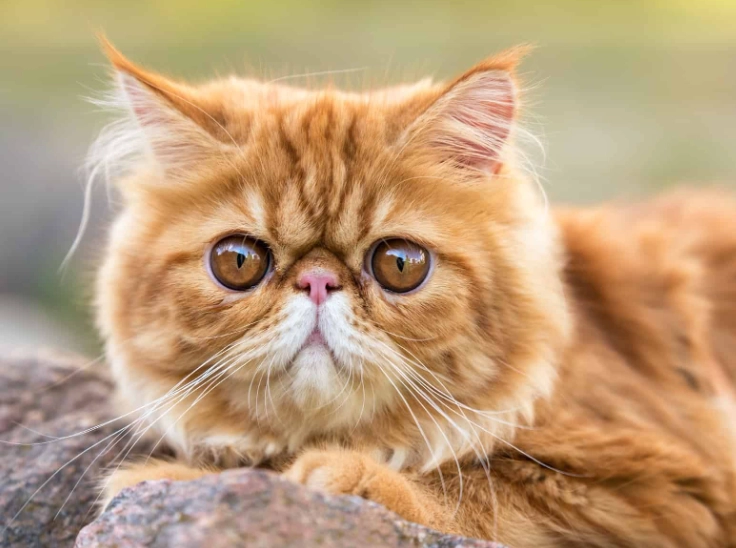
| Feature | Orange Cat (General) | Persian Cat |
|---|---|---|
| Coat Color | Orange, often with tabby patterns | Can be orange, but also white, black, etc. |
| Face Shape | Varies: pointed, round, or angular | Flat and round with a short nose |
| Fur Length | Short to medium, depending on breed | Long and thick |
| Body Type | Can be lean or muscular | Stocky and cobby |
| Common Breeds | Domestic Shorthair, Maine Coon, Mixes | Purebred Persian, Himalayan |
| Care Needs | Moderate; depends on fur length | High; daily grooming required |
After the table, here's the kicker: an orange Persian is just a Persian with orange fur. But most orange cats aren't Persians. In my shelter work, I'd estimate only 5% of orange cats we see have Persian traits. The rest are mixes or other breeds.
How to Identify If Your Orange Cat is a Persian
So, you've got an orange cat and you're wondering. Here's a step-by-step guide I've used for years. It's not foolproof, but it'll get you close.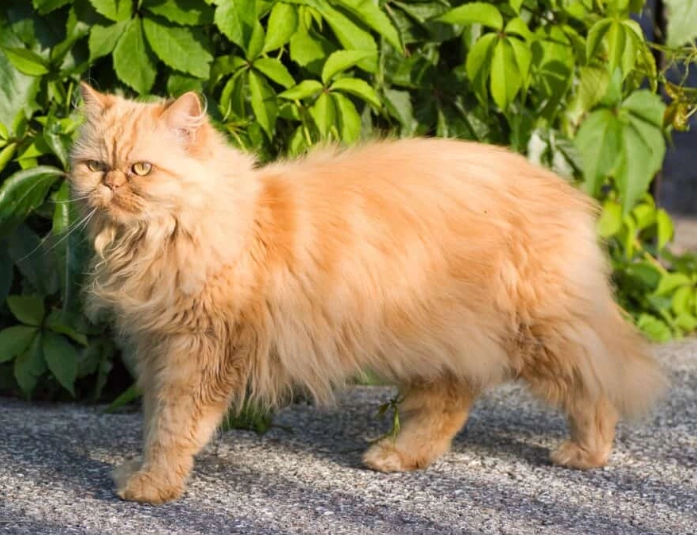
Step 1: Look at the face. Persians have that unmistakable flat face—like someone gently pressed it in. If your cat's nose sticks out more, it's probably not a pure Persian. My cat Whiskers has an orange coat but a pointy snout; he's a Domestic Shorthair mix.
Step 2: Check the fur. Persian fur is long, silky, and dense. Run your fingers through it. If it mats easily or feels like a plush carpet, that's a sign. Short, coarse fur? Likely not a Persian.
Step 3: Observe the body. Persians are stocky with short legs. If your cat is leggy or slender, think Maine Coon or mix.
Step 4: Consult a vet or expert. Vets can spot breed traits, but they're not always accurate. For $100-$200, a DNA test from Basepaws or Wisdom Panel can give you a breakdown. I did this for Simba, and it showed 40% Maine Coon, 30% Domestic Shorthair—no Persian.
Step 5: Consider personality. Persians are laid-back, often described as "furniture with fur." If your orange cat is hyperactive or loves to hunt, it might be a different breed.
Pro tip: Many shelters mislabel cats as Persians to attract adopters. Always ask for details or photos of the parents if possible. I've seen "Persian mixes" that turned out to be just fluffy tabbies.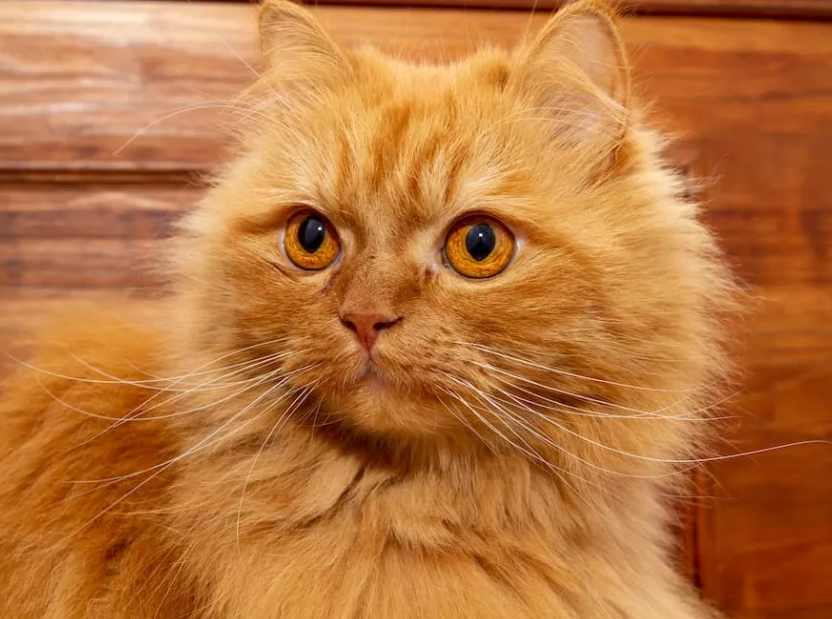
Common Myths and the Real Story
Let's debunk some nonsense floating around the internet.
Myth 1: All orange cats are Persians. This is the big one. It stems from pop culture—think Garfield, who is often labeled a Persian but is actually a cartoon with ambiguous breed traits. In reality, orange is a common color in many breeds. According to a study by the Journal of Feline Medicine, orange cats make up about 20% of the cat population, with Persians being a small subset.
Myth 2: Orange Persians are rare and expensive. Not really. While solid orange Persians might be less common than other colors, they're not exceedingly rare. Breeders might charge more for specific colors, but a well-bred Persian should cost $500-$2000 regardless of color. I'd argue that focusing on color over health is a red flag—some breeders prioritize looks, leading to genetic issues.
Myth 3: Orange cats have unique personalities. Some say they're more friendly or vocal. From my experience, personality depends more on breed and upbringing than color. I've met shy orange Persians and outgoing orange tabbies. It's a fun stereotype, but don't bank on it.
The real story? Breed matters more than color for care and health. An orange Persian needs that flat-faced care, while an orange Domestic Shorthair might just need regular vet visits.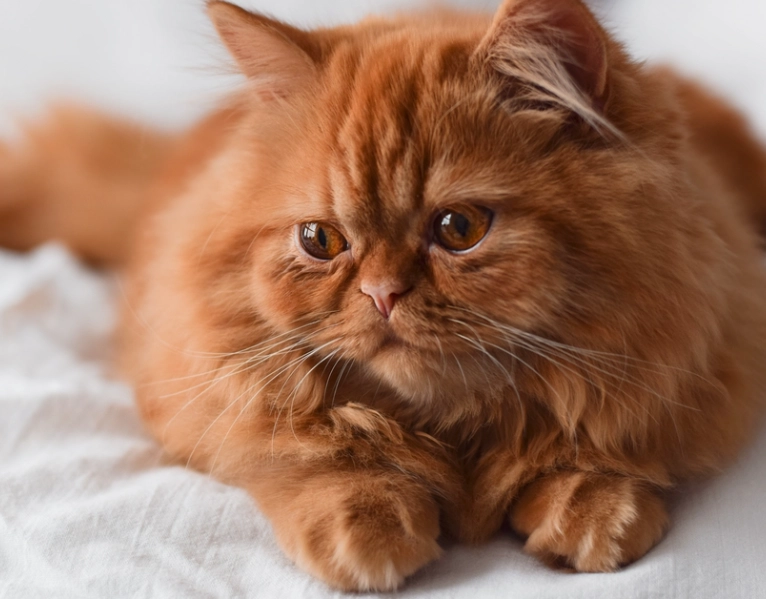
Frequently Asked Questions
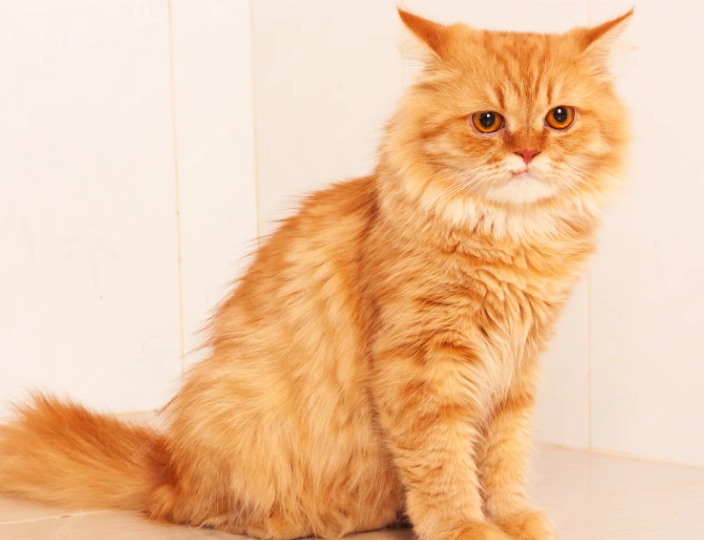
Wrapping up, the key takeaway is simple: don't judge a cat by its color. If you're adopting or buying, focus on breed characteristics and care needs. Orange cats are wonderful, but assuming they're all Persians can lead to mismatched expectations. Do your homework, maybe get a DNA test, and enjoy your feline friend for who they are—color aside.