If you're drawn to the sturdy, plush-coated Brown British Shorthair cat, you're not alone. These cats are more than just a pretty face—they're low-maintenance, affectionate pets perfect for families and first-time owners. I've owned one for years, and let me tell you, they have quirks that most guides miss. This article dives deep into everything you need to know, from their history to daily care, so you can decide if this breed fits your lifestyle.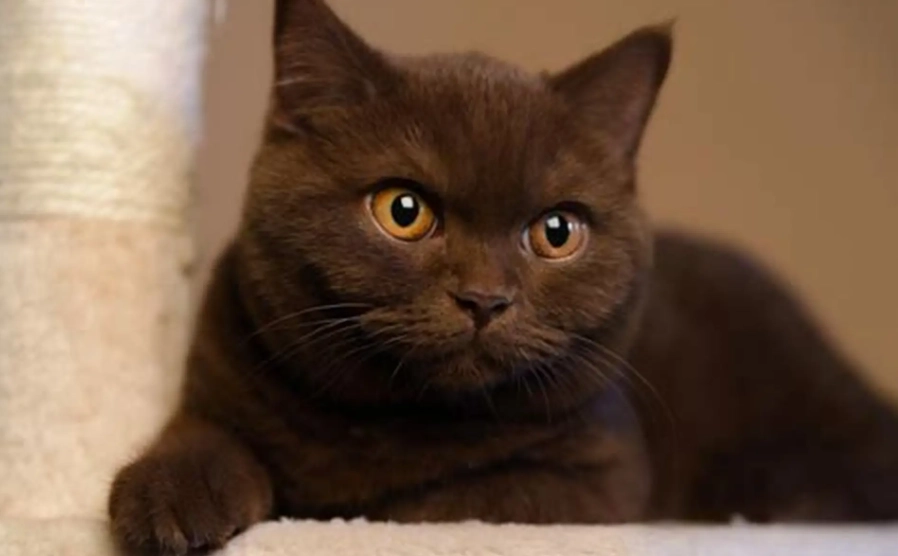
Quick Navigation: What's Inside
What is a Brown British Shorthair Cat?
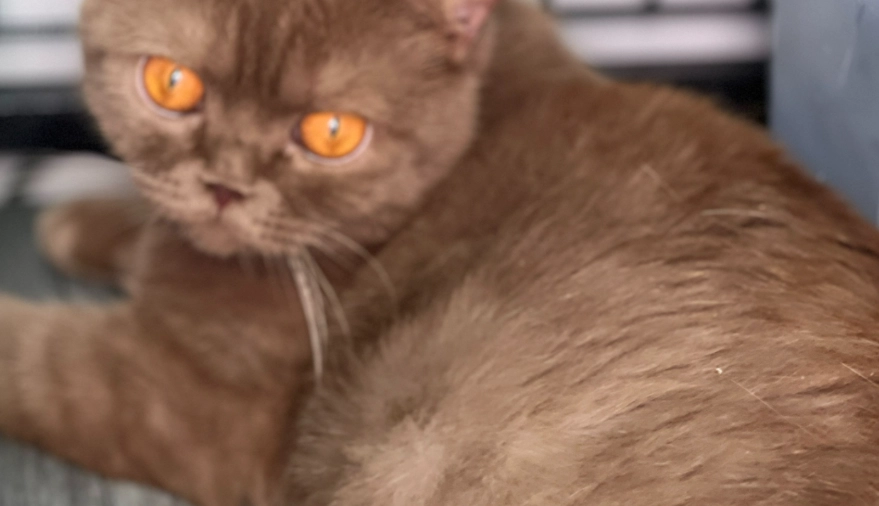
The Brown British Shorthair is a color variation of the British Shorthair breed, known for its dense, chocolate-brown coat and copper or gold eyes. Originating in the UK, these cats were bred from domestic cats and later influenced by Persian breeds to enhance their plush fur. They're medium to large-sized, weighing 9-18 pounds, with a rounded face and a stocky build that gives them a teddy bear appearance.
Personality-wise, they're calm, independent, and not overly demanding. Unlike some breeds that cling to you, Brown British Shorthairs enjoy being near their owners but on their own terms. My cat, Charlie, will follow me around but rarely jumps on my lap unless he's in the mood. They're great for busy households because they don't need constant attention.
Their coat color can range from light hazel to deep mahogany, and it's often uniform without tabby markings. This brown hue is less common than blue or silver, making them somewhat unique. According to the Cat Fanciers' Association, British Shorthairs are among the top 10 most popular breeds, and the brown variety has gained traction for its warm, earthy look.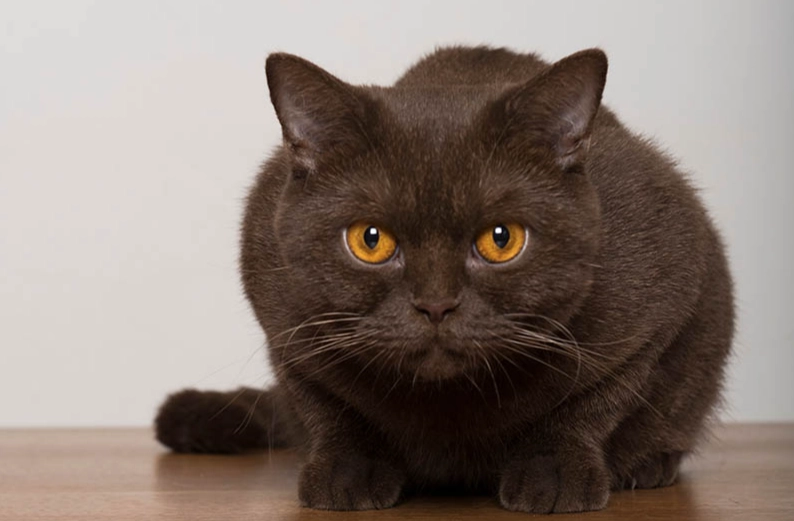
How to Care for Your Brown British Shorthair Cat
Caring for a Brown British Shorthair is straightforward if you know the basics. Many owners assume they're "easy" cats, but I've seen mistakes like overfeeding or neglecting dental care lead to health issues. Let's break it down.
Feeding and Nutrition: What to Offer
These cats have a tendency to gain weight due to their sedentary nature. Feed a balanced diet with high-quality protein—look for brands that list real meat as the first ingredient. Wet food is excellent for hydration, but dry kibble can help with dental health. Avoid cheap fillers like corn or soy, which can cause allergies.
Here's a simple feeding schedule based on age:
| Age | Daily Food Amount | Notes |
|---|---|---|
| Kitten (0-1 year) | 1/3 to 1/2 cup dry, plus wet food | High-calorie for growth; feed 3-4 times daily |
| Adult (1-7 years) | 1/4 to 1/2 cup dry, split into two meals | Monitor weight; adjust based on activity |
| Senior (7+ years) | 1/4 cup dry, with added supplements | Softer food if dental issues arise; consult vet |
I use a measuring cup to prevent overfeeding. Treats should be limited—Charlie loves freeze-dried chicken, but I give him only a few pieces a day.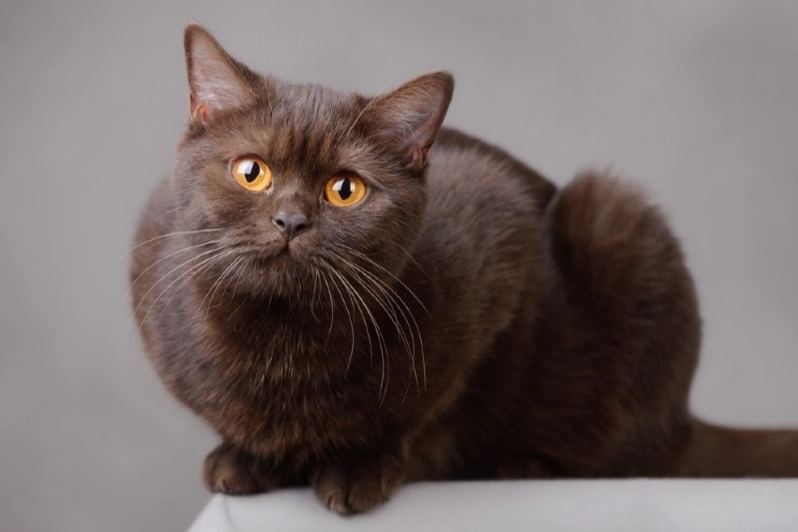
Grooming Essentials: Keeping That Coat Pristine
The dense coat requires weekly brushing with a stainless-steel comb or a slicker brush. During shedding seasons (spring and fall), brush twice a week to reduce hairballs. Bathing is rarely needed; once every few months is fine unless they get into something messy. Use a cat-specific shampoo to avoid skin irritation.
Don't forget the ears and nails. Clean ears monthly with a vet-approved solution, and trim nails every two weeks. I learned this the hard way when Charlie scratched my sofa because his nails were too long.
Exercise and Environment: Keeping Them Active
Brown British Shorthairs aren't hyperactive, but they need mental stimulation to prevent boredom. Provide scratching posts, interactive toys like puzzle feeders, and climbing trees. A window perch is great for bird-watching. Play sessions of 10-15 minutes daily can help maintain a healthy weight.
They adapt well to indoor living, but ensure your home is safe—no toxic plants or open windows without screens. Charlie loves his cat tree by the window; it's his favorite spot to nap.
Health Concerns and Prevention Strategies
While generally healthy, Brown British Shorthairs are prone to certain conditions. Early detection is key, so regular vet visits are non-negotiable.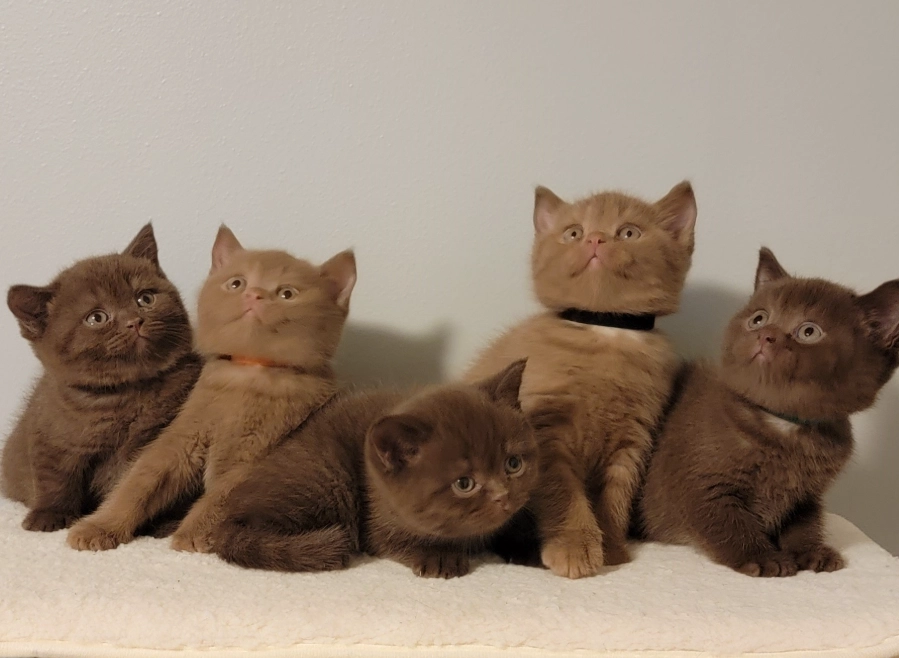
Hypertrophic cardiomyopathy (HCM) is a common heart disease in this breed. Symptoms include lethargy or difficulty breathing. Ask your vet about echocardiograms during check-ups. Obesity exacerbates this, so keep an eye on their diet.
Dental issues like gingivitis are frequent due to their brachycephalic (short-faced) structure. Brush their teeth weekly with cat toothpaste, or offer dental treats. I use a finger brush for Charlie—it's easier than a regular toothbrush.
Other concerns include polycystic kidney disease (PKD), though it's rarer. Reputable breeders should provide health clearances. Spaying or neutering is recommended to prevent reproductive cancers and behavioral problems.
Pro tip: Many owners miss subtle signs of illness, like changes in grooming habits or appetite. Keep a log of your cat's behavior—it helped me catch Charlie's urinary issue early.
Why Choose a Brown British Shorthair Cat?
If you want a low-maintenance, affectionate pet that doesn't demand constant attention, this breed is ideal. They're great with children and other pets if socialized early. Their calm demeanor makes them perfect for apartments or busy homes.
However, they might not suit you if you want a highly interactive cat. They can be aloof at times, and their shedding requires regular grooming. But for me, the trade-off is worth it—Charlie's quiet companionship is a joy.
Adoption options include breeders (expect to pay $800-$1500 for a kitten with papers) or rescues. Check organizations like The International Cat Association for reputable sources.