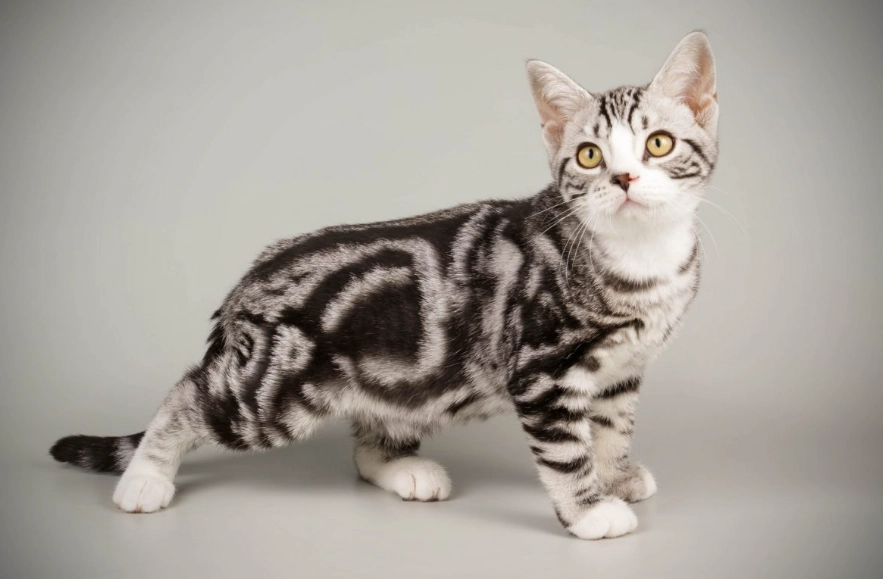
You see a cat with a shimmering silver coat, marked with dark stripes, spots, or swirls. That's a silver tabby. But here's the thing most articles get wrong right off the bat: "Silver Tabby" is not a cat breed. It's a coat color and pattern that can appear in many breeds, from the common Domestic Shorthair to the regal British Shorthair or the sleek Maine Coon. This misunderstanding leads to a lot of confusion about their care and personality. If you're thinking of bringing one of these living pieces of art into your home, or you're just fascinated by them, you need to look beyond the fur. Let's talk about what really defines these cats—their genetics, their true temperament (spoiler: it's not what you think), and the specific care that keeps that stunning coat looking its best.
What’s Inside This Guide
What Exactly Is a Silver Tabby Cat?
Think of the silver tabby pattern as a genetic recipe with two key ingredients. First, you need the tabby gene. All cats have it, but it can be masked by other solid color genes. This gene creates the distinctive markings: mackerel (stripes), classic (swirls), spotted, or ticked. Second, and this is the magic part, you need the inhibitor gene (I gene). This gene stops the production of warm pigment (pheomelanin) at the base of the hair shaft. The result? Each hair is pale silver or white at the root, with the dark color (eumelanin) appearing only at the tip. This creates that incredible shimmer and contrast.
The most common mistake is assuming all silver tabbies look the same. They don't. The base silver can range from a cool, almost white chrome to a warmer, pewter-like gray. The markings can be a dense black, a softer charcoal, or even a brownish-black (which some call "brown tabby," but the genetics are similar).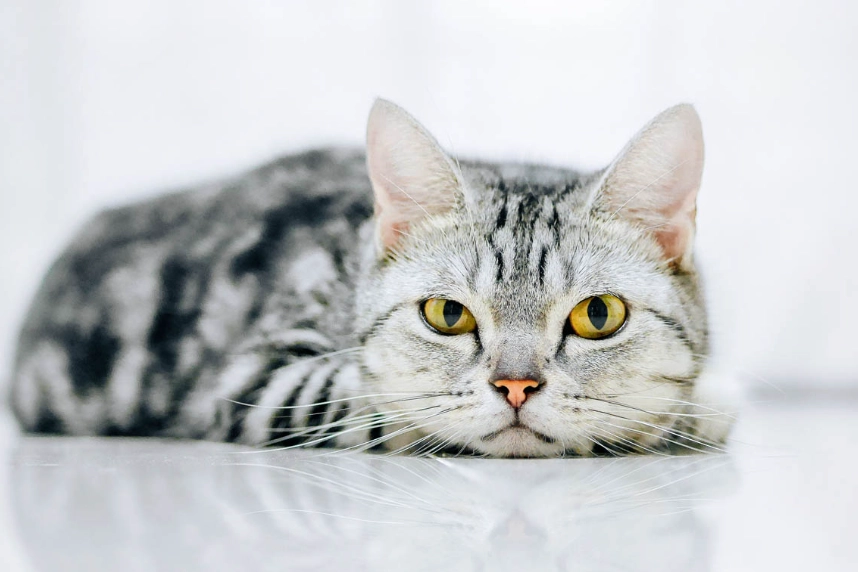
How to Identify a Silver Tabby Cat: A Quick Guide
Spotting a true silver tabby is about looking for specific clues. Don't just go by the overall grayish impression.
- Look at the Roots: Part the fur. The hair closest to the skin should be very light, almost white, not a solid gray or beige all the way down.
- Check for the "M": Almost all tabbies, silver or not, have a distinctive "M" marking on their forehead. It's a classic tabby trademark.
- Eye Color Can Be a Hint: While not a rule, many silver tabbies have striking green, hazel, or gooseberry-colored eyes. This combination with the silver coat is particularly sought after. Blue eyes are rare and usually linked to specific colorpoint breeds.
- Nose and Paw Pads: The leather of the nose and paw pads is often a rosy brick or pinkish-gray, outlined in the dark color of their markings.
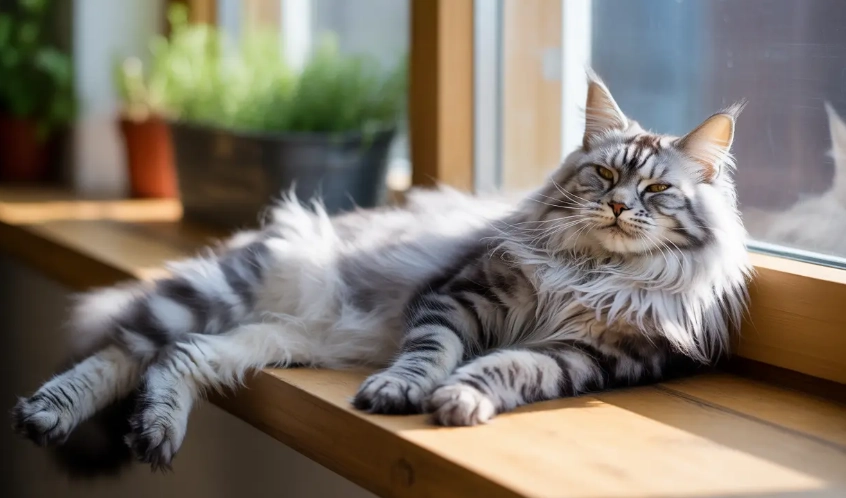
Here’s a breakdown of the four main tabby patterns you'll see in silver:
| Pattern | Description | What to Look For |
|---|---|---|
| Mackerel (Striped) | The most common. Looks like tiger stripes. | Narrow, parallel stripes running vertically down the sides. Spine line with stripes branching down. |
| Classic (Blotched) | Large, swirling patterns. | Butterfly shape on shoulders, bullseye swirls on sides, thick bands on legs and tail. |
| Spotted | Oval or round spots instead of lines. | Spots can vary in size and may appear broken from mackerel stripes. Common in breeds like the Ocicat. |
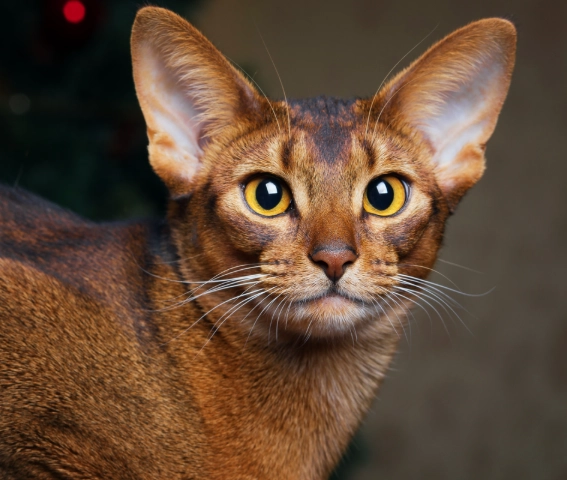
| Ticked (Agouti) | Subtle and sophisticated. | No obvious stripes or spots on the body. Each hair has alternating bands of color (agouti hairs). Face, legs, and tail may show faint tabby markings. Think Abyssinian cats. |
Silver Tabby Cat Personality: Fact vs. Fiction
This is where I see the most misinformation. People search for "silver tabby cat personality" expecting a single answer. You won't find it. A silver tabby Domestic Shorthair will have a wildly different personality from a silver tabby Scottish Fold. The coat color does not determine temperament; the breed and individual upbringing do.
However, because the tabby pattern is so common in mixed-breed cats (your classic moggies), there's a cultural association with certain traits. These cats are often described as:
- Sociable and adaptable, having thrived alongside humans for centuries.
- Intelligent and playful, with a strong hunting instinct (those patterns are camouflage, after all).
- Vocal, often happy to chirp and trill to communicate with you.
But here's my non-consensus, 10-year-experience warning: Don't pick a cat based on its tabby pattern expecting a certain personality. I've known aloof silver tabbies and clingy ones. I once fostered a silver classic tabby who was the most timid cat I've ever met, completely defying the "outgoing tabby" stereotype. Spend time with the individual cat. Ask the shelter staff or breeder about that cat's habits, not the color's reputation.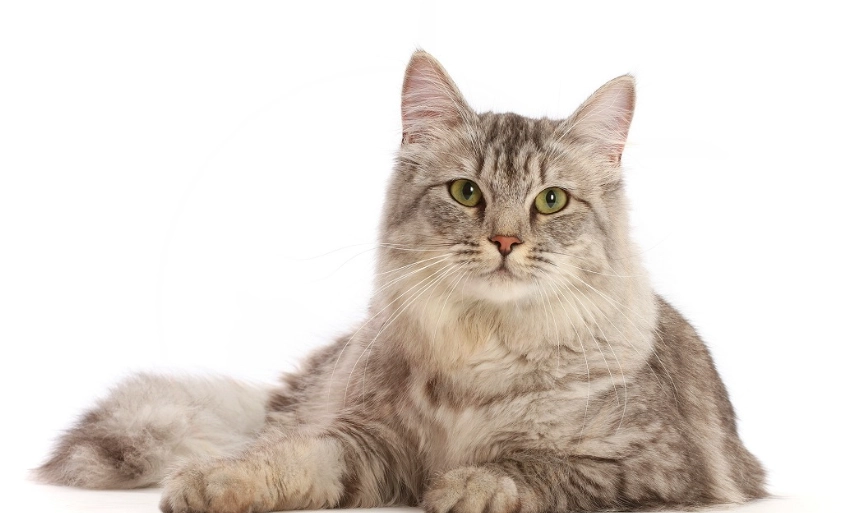
How Breed Influences a Silver Tabby's Temperament
If your silver tabby is a purebred, the breed standard is your best guide.
A Silver Tabby British Shorthair will likely be calm, dignified, and not overly demanding—a true couch potato. A Silver Tabby Bengal (a stunning combination) will be energetic, athletic, and need tons of interaction. The pattern is just the wrapping paper; the breed is the gift inside.
Caring for Your Silver Tabby: A Practical Routine
Caring for a silver tabby isn't about special, color-specific potions. It's about understanding that their beautiful coat shows everything. Dullness, dandruff, or a reddish "rusting" stain (caused by pigment oxidation) is more visible on that light background. Your goal is supportive, proactive maintenance.
Grooming is Non-Negotiable: Even short-haired silver tabbies benefit from a weekly brush with a fine-toothed comb or a rubber grooming mitt. This removes loose hair that can cause mats and distributes skin oils for shine. During shedding seasons, bump it up to twice a week. For long-haired varieties (like a Silver Tabby Maine Coon), daily brushing is a must to prevent painful tangles.
Diet Directly Impacts Coat Health: You are what you eat, and so is your cat's fur. A high-quality diet rich in animal-based proteins and omega-3 fatty acids (found in fish oil) promotes a healthy skin barrier and a glossy, resilient coat. Cheap, grain-heavy foods can lead to dry skin, excess shedding, and a lackluster coat. I've seen dramatic improvements in coat shine within weeks of switching a cat to a better-quality food.
Watch for Sunbathing: That gorgeous silver coat can sun-bleach or develop rusty patches if your cat spends too much time in direct sunlight. It's not harmful in itself, but it changes their appearance. Provide shaded spots near their favorite sunny windows.
General Health: They need the same core care as any cat: annual vet check-ups, vaccinations, parasite prevention, dental care, and plenty of fresh water. A common issue in some breeds that come in silver (like British Shorthairs) is a tendency toward obesity. Monitor their weight closely.