What's Inside This Guide
Yes, Maine Coon cats are generally excellent pets—but they're not for everyone. I've owned one for five years, and while he's a lovable goofball, there were surprises. If you're considering this breed, let's cut through the fluff and get real about what it's like.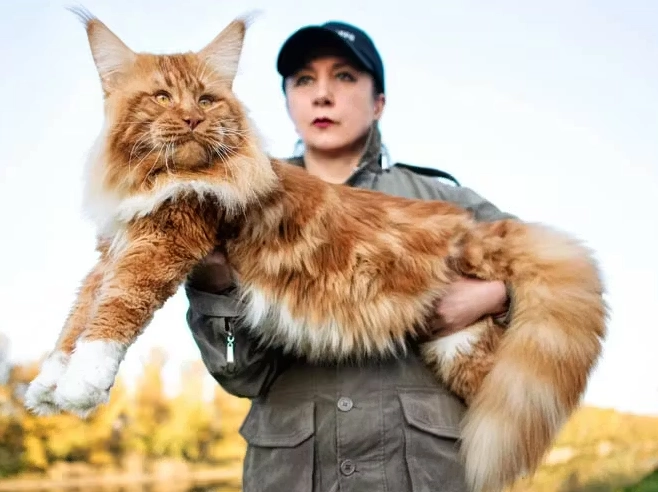
Maine Coons are often called "gentle giants" for a reason. They're large, friendly, and adaptable, but their size and needs demand attention. I remember bringing my Maine Coon, Leo, home; he immediately explored every corner, knocking over a vase. Charming, but a hint of things to come.
The Maine Coon Personality: More Than Just a Gentle Giant
These cats have a reputation for being dog-like. Leo follows me around, greets guests at the door, and even plays fetch. It's not just anecdotal; organizations like The International Cat Association note their social and intelligent nature.
But here's a nuance many miss: Maine Coons can be vocal without being loud. They chirp and trill rather than meow incessantly. It's endearing, but if you prefer quiet cats, this might grate on you. I've had friends who found the constant chatter annoying after a while.
Their intelligence means they get bored easily. Puzzle feeders and interactive toys are a must. Without stimulation, they might turn to destructive behavior—Leo once figured out how to open cabinets to hunt for treats.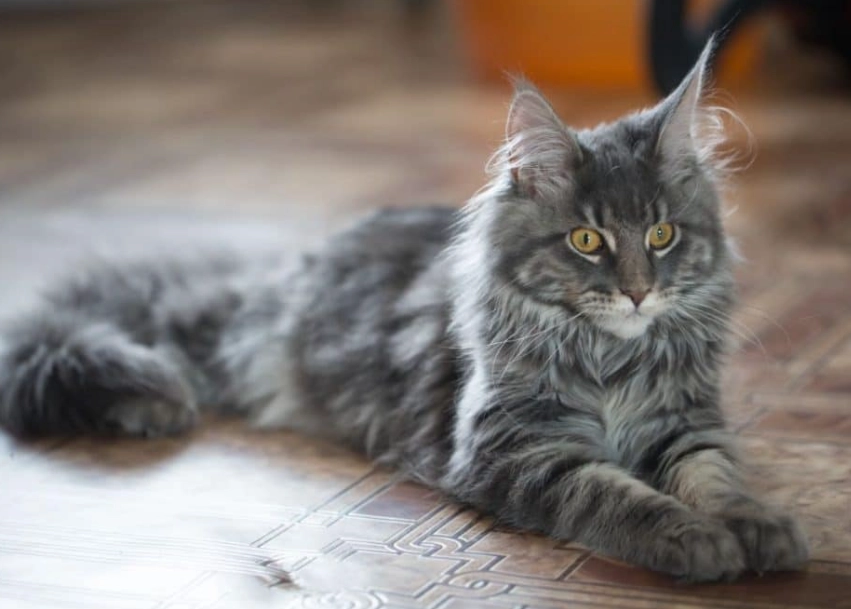
Key Temperament Traits
- Friendly and social: They thrive on interaction, but aren't clingy.
- Playful and curious: Expect them to investigate everything, from shopping bags to new furniture.
- Adaptable: They adjust to different environments, but sudden changes can stress them.
I'd say their personality is a big plus, but it requires engagement. If you're away often, a Maine Coon might not be ideal.
Living with a Maine Coon: Daily Care and Considerations
Caring for a Maine Coon isn't just about feeding and cuddles. Their large size and thick coat mean specific needs. Let's break it down.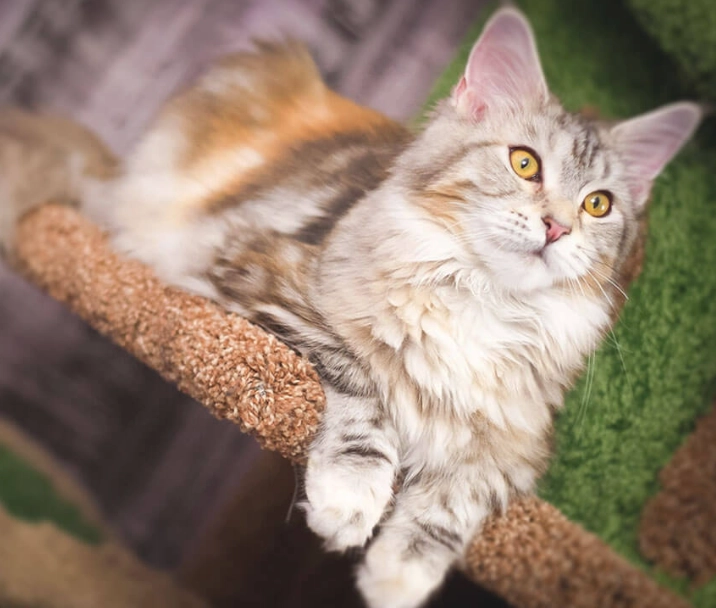
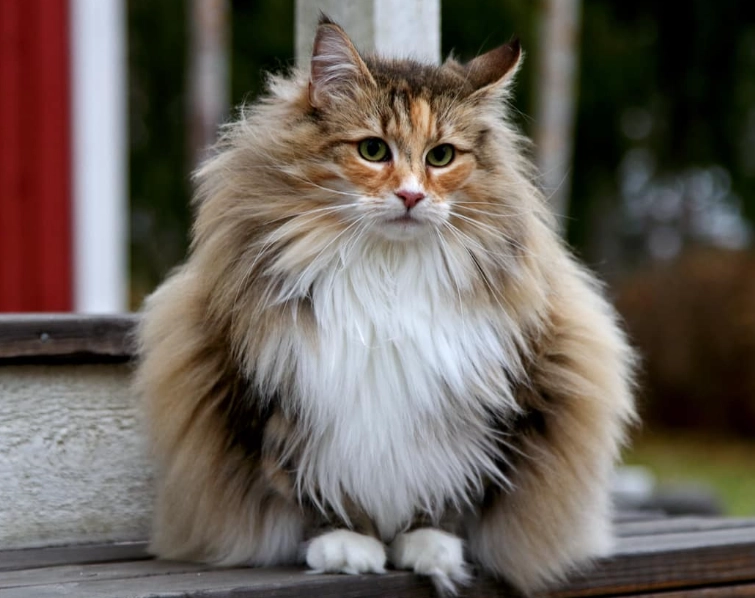
Grooming is the biggest commitment. That luxurious fur mats easily. I brush Leo three times a week, and during spring shedding, it's a daily chore. Use a steel comb and slicker brush; skip this, and you'll face painful mats and hairballs. A friend neglected grooming, and her cat developed skin infections—costly and avoidable.
Diet matters too. Maine Coons need high-protein food to support their muscle mass. Look for kibble with real meat as the first ingredient. I feed Leo a mix of wet and dry food, costing around $40 monthly. Overfeeding leads to obesity, a common issue in this breed.
Exercise is non-negotiable. They're not couch potatoes. Leo needs 30 minutes of active play daily—laser pointers, feather wands, you name it. Without it, he becomes restless and knocks things over.
Pro tip: Invest in a large, sturdy litter box. Standard ones are too small; I learned this after Leo started missing the box. A high-sided box with plenty of space prevents messes.
| Care Task | Frequency | Notes |
|---|---|---|
| Brushing | 2-3 times weekly | Daily during shedding seasons |
| Nail Trimming | Every 2-3 weeks | Use cat-specific clippers |
| Dental Care | Daily brushing ideal | Prevents periodontal disease |
| Vet Check-ups | Annual, semi-annual for seniors | Screen for breed-specific issues |
Space is another factor. Maine Coons need room to roam. They enjoy vertical spaces—cat trees, shelves, window perches. In my apartment, I installed wall shelves, and Leo loves climbing them. Without this, they might feel confined.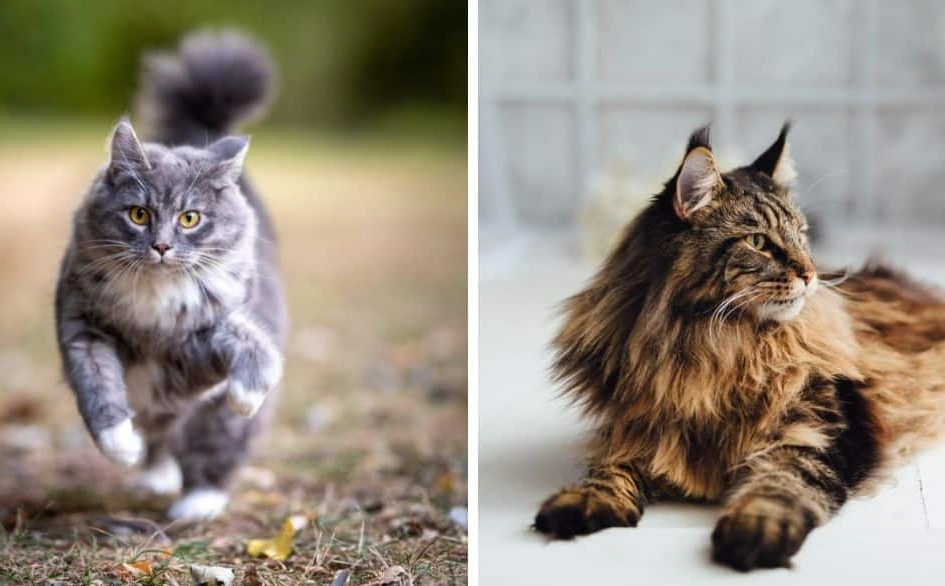
Health and Lifespan: What to Expect
Maine Coons are generally healthy, but they have predispositions to certain conditions. Lifespan averages 12-15 years, but with good care, some live into their late teens.
Hip dysplasia is common due to their size. It's a joint issue that can cause pain and arthritis. Regular vet checks can catch it early. Leo showed signs at age three; we manage it with joint supplements and controlled exercise.
Hypertrophic cardiomyopathy (HCM) is a heart disease prevalent in the breed. Responsible breeders screen for it, but adoption from shelters might not guarantee this. Ask for health records. I know an owner whose cat developed HCM unexpectedly, leading to high vet bills.
Other issues include spinal muscular atrophy and polycystic kidney disease. It sounds scary, but awareness helps. Get pet insurance—it saved me thousands when Leo needed an ultrasound.
Preventive care is key. Annual blood work and echocardiograms for older cats can extend their life. Don't skip vaccinations and parasite control.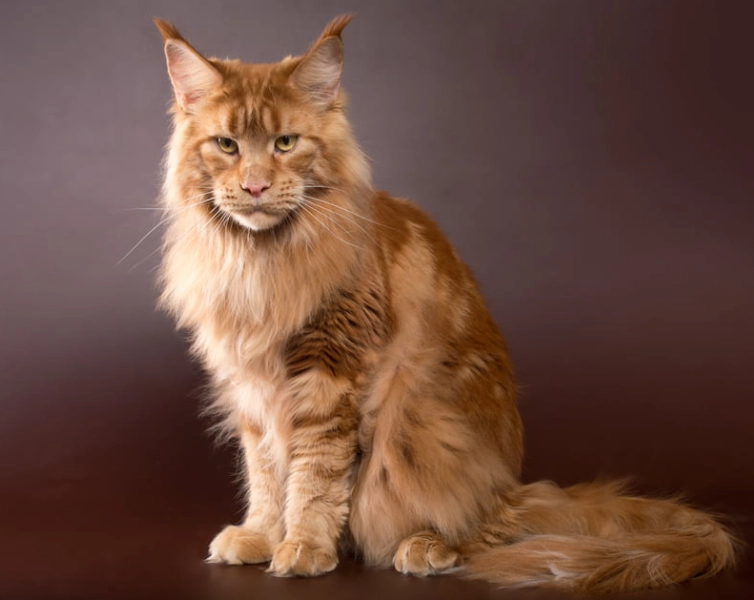
Maine Coon Cats and Families: A Perfect Match?
If you have kids or other pets, Maine Coons often shine. Their patient nature makes them great with children. Leo tolerates my niece's hugs without a fuss, but I always supervise to teach gentle handling.
With other pets, introductions matter. Maine Coons are typically non-aggressive. I introduced Leo to my dog slowly over a week, using scent swapping and separate rooms. Now they nap together. But if you have small animals like birds, their hunting instinct might kick in—something to watch.
They're not overly territorial, reducing conflicts in multi-cat homes. However, their size can intimidate smaller cats initially. Give them time to adjust.
For families, the main drawback is the grooming and space needs. Kids might help with play, but adults should handle brushing and vet visits.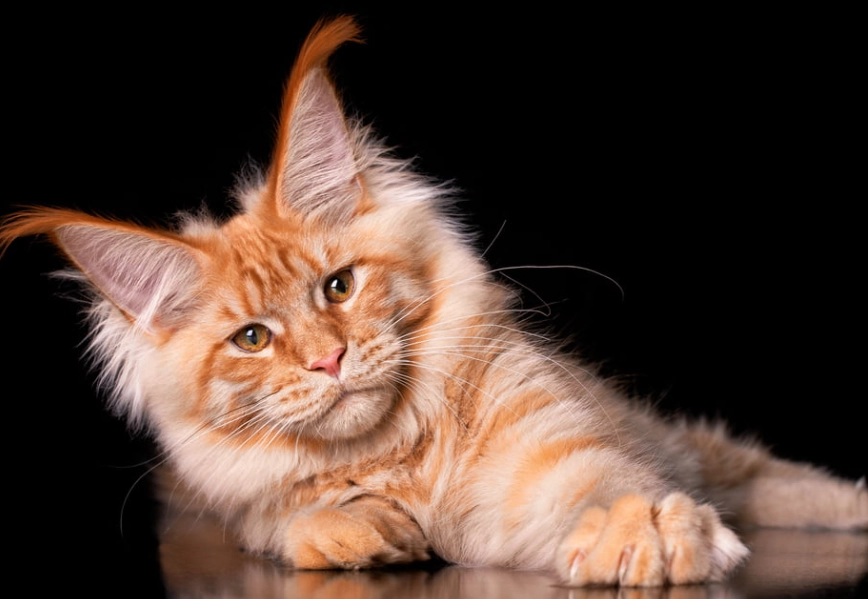
The Not-So-Glamorous Side: Challenges of Owning a Maine Coon
Let's be honest: no pet is perfect. Maine Coons have downsides that many gloss over.
Shedding is intense. You'll find hair on clothes, furniture, even in your food. I vacuum twice a week and still find tufts everywhere. If you have allergies, think twice—their dander can trigger reactions.
Cost is higher than for average cats. From food to vet bills, expect to spend $800-$1200 annually. Leo's emergency visit for a urinary blockage cost $1500; insurance covered most, but it's a reality.
They can be mischievous. Their curiosity leads to knocked-over plants, opened drawers, and stolen items. I lost a few socks to Leo's hiding spots. It's funny until it's not.
Some Maine Coons are prone to obesity if overfed. Monitor their weight closely—a lean cat is a healthy cat.
Despite this, the joys outweigh the hassles for most owners. Their loyalty and quirks make it worthwhile.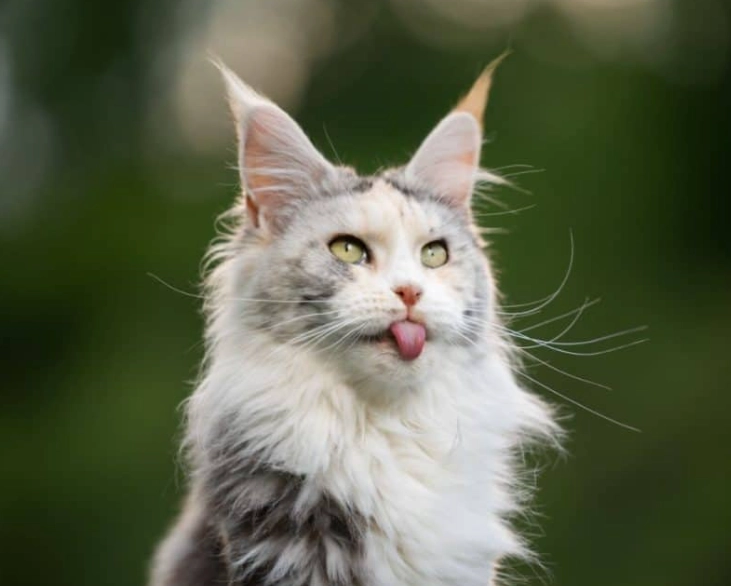
Your Maine Coon Questions Answered
In the end, Maine Coon cats are fantastic pets for the right person. They offer companionship, entertainment, and love, but demand time, money, and patience. If you're ready for the commitment, you'll gain a loyal friend. If not, consider a lower-maintenance breed. Leo changed my life for the better, despite the occasional hairball on the couch.