What's Inside
- What Exactly Is a Domestic Bengal Cat? Untangling the Wild Roots
- The Bengal Personality: Not a Lap Cat (Unless They Decide to Be)
- Caring for Your Domestic Bengal Cat: It’s a Lifestyle
- Your Home vs. A Bengal Home: Are You Compatible?
- Answering Your Burning Questions (FAQ)
- The Final Word: Is a Bengal Right For You?
I remember the first time I saw a photo of a domestic Bengal cat. It was on some fancy pet influencer's Instagram. The cat was perched on a windowsill, sunlight catching its coat, which looked like it was spun from liquid gold and dotted with dark rosettes. It was breathtaking. “I need that cat,” I thought, like a complete fool who had no idea what they were signing up for.
Fast forward a few years, and I’ve had the… let’s call it the ‘privileged experience’ of living with one of these stunning creatures. Let me tell you, owning a domestic Bengal cat is less like owning a piece of living art and more like adopting a tiny, beautiful, and incredibly opinionated leopard who has decided your home is its personal jungle gym and you are its sometimes-respectful staff.
This isn’t going to be one of those fluffy breed profiles that just gushes about how pretty they are. If you’re searching for “domestic cats bengal,” you’re probably past the “oh, shiny” phase and are digging into the real questions. Are they good pets? Are they actually wild? Will they destroy my curtains? Is that price tag worth it?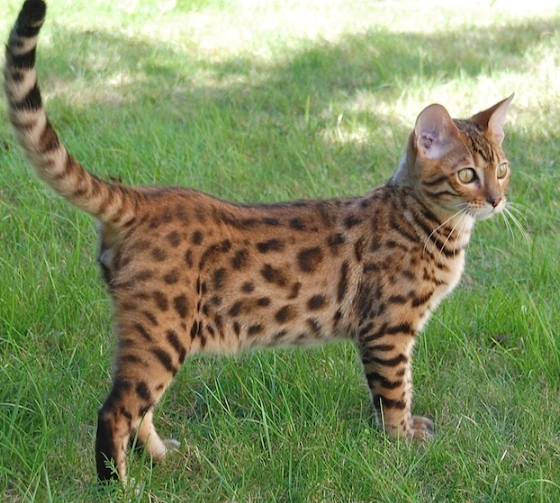
Good. You’re asking the right things. This guide is for you. We’re going to get into the weeds—the glorious, chaotic, sometimes frustrating, but ultimately amazing weeds of life with a Bengal.
What Exactly Is a Domestic Bengal Cat? Untangling the Wild Roots
Okay, let's clear the air first. The word “Bengal” immediately makes people think of jungles and tigers. There’s a reason for that. The domestic Bengal cat breed was created by crossing domestic cats—initially, a black domestic shorthair—with the Asian leopard cat (Prionailurus bengalensis), a small, wild forest cat found across Asia.
The pioneering work is credited to breeder Jean Mill in the 1960s and 70s. Her goal wasn’t just to make a wild-looking pet, but to channel that exotic beauty into a stable, friendly companion animal. It took generations of careful, selective breeding. Today's registered domestic Bengal cats are many, many generations removed from their wild ancestors. Reputable breeders, like those affiliated with The International Cat Association (TICA), which maintains the official Bengal breed standard, focus on temperament and health above all else.
The key word here is domestic. A well-bred Bengal from a responsible source is a domestic cat. It’s not a hybrid, it’s not a wild animal, and it shouldn’t act like one. That said, they undeniably carry a genetic legacy of intelligence, energy, and certain physical traits from their wild forebears. It’s this unique cocktail that makes them so special… and so demanding.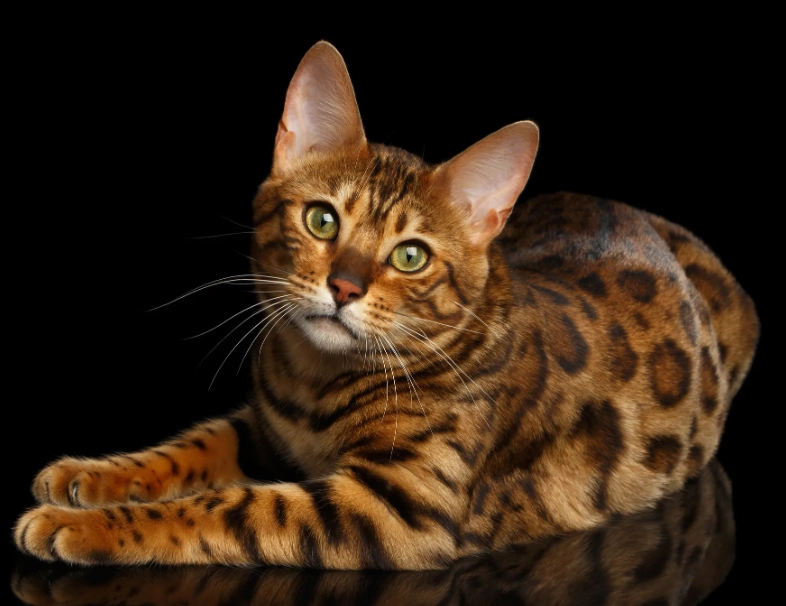
The Look: More Than Just Spots and Sparkles
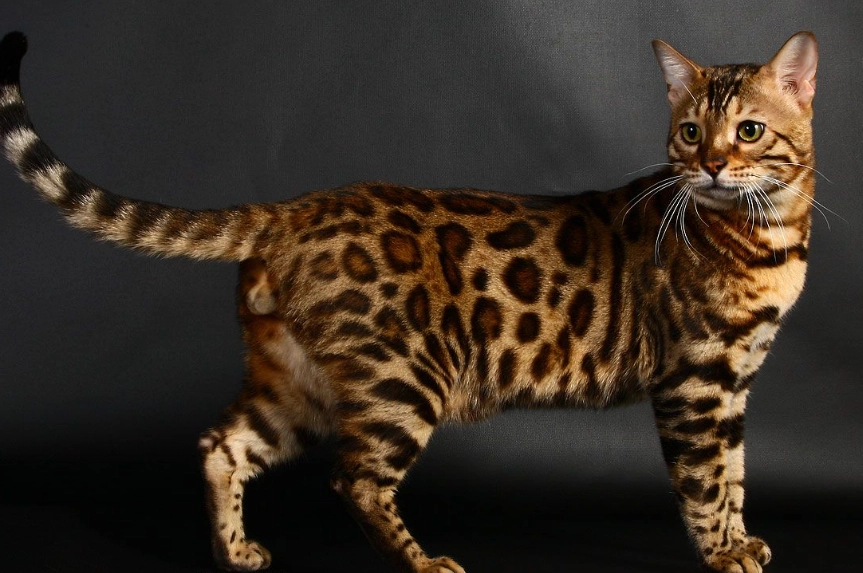
When people imagine a domestic Bengal cat, they think of the spotted coat. And yes, that’s the signature. But there’s so much more nuance.
First, the glitter. No, really. Many Bengals have a genetic trait where their individual hairs are translucent, so they literally sparkle in the sun. It’s called “glitter” and it’s utterly mesmerizing.
Their coat isn't just flat color either. It has depth and contrast. The rosettes or marbling aren't just on the surface; they're part of the pattern. And the feel! A Bengal's coat is often described as “pelt-like”—incredibly dense, short, and softer than anything you've ever touched.
Let me break down their looks for you:
| Feature | Description | Why It's Special |
|---|---|---|
| Coat Pattern | Spotted (rosettes, single spots) or marbled (swirling patterns). Rosettes are like little paw prints or doughnuts. | Mimics wild leopards and ocelots. No two patterns are identical. |
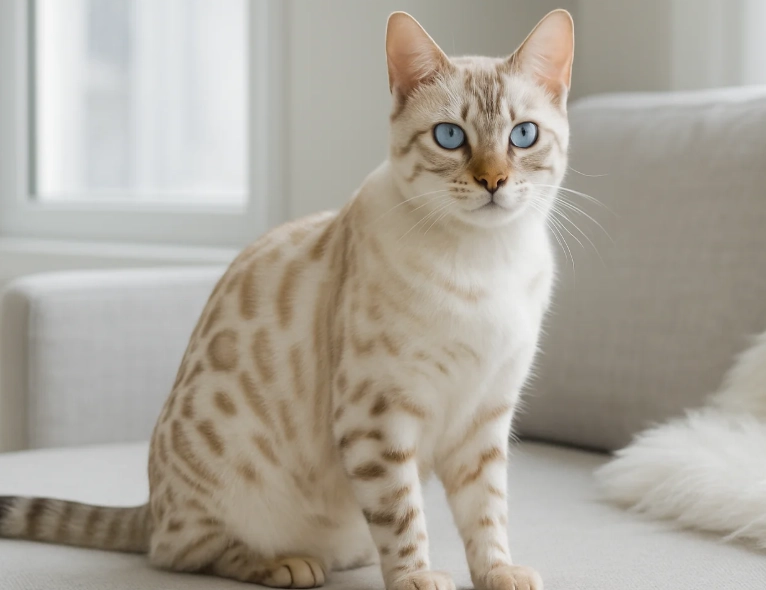
| Coat Colors | Brown, silver, snow (lynx, mink, sepia), blue, and charcoal. Brown is most common. | The “snow” Bengals look like miniature snow leopards. Silvers have a cool, metallic sheen. |
| Body Type | Long, muscular, and athletic. Not bulky, but sleek and powerful. | Built for jumping and climbing. You can see the muscles ripple under their coat. |
| Head & Eyes | Smallish head relative to body, pronounced whisker pads, large oval eyes (green, gold, blue in snows). | Gives them an alert, intelligent expression. Their gaze is very direct and engaging. |
| Tail | Thick, medium-length, often with a dark tip or rings. | Used for balance during their acrobatics. They carry it low, like a leopard stalking. |
Seeing a domestic Bengal cat in motion is a whole other experience. They move with a liquid grace and power that’s pure predator. It’s beautiful, but it also tells you a lot about what they need.
The Bengal Personality: Not a Lap Cat (Unless They Decide to Be)
Here’s where the rubber meets the road. If you want a cat that sleeps 20 hours a day and occasionally deigns to accept a pet, a Bengal will be your worst nightmare. If you want a cat that feels more like a cross between a dog, a monkey, and a toddler on espresso, you might be on to something.
I love my Bengal, but I will never sugarcoat his personality. He’s a lot.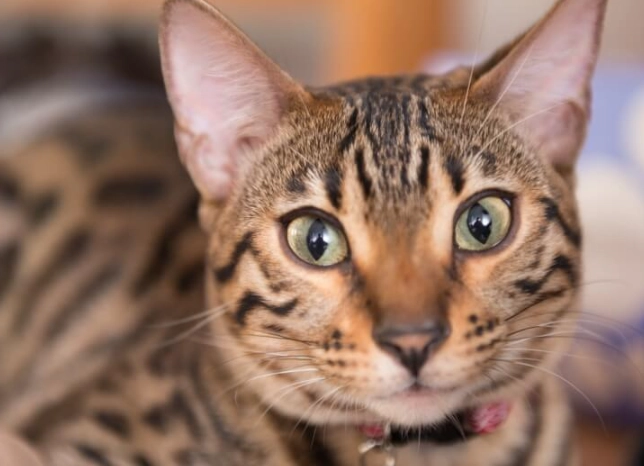
The Good, The Challenging, and The “What Have I Done?”
The Awesome Stuff (The Pros):
- Super Smart: They learn tricks (fetch, sit, high-five) faster than any cat I’ve known. They understand cause and effect. This also means they can open doors, cabinets, and puzzle toys meant for dogs.
- Highly Social & Dog-Like: Many form deep bonds and follow their people from room to room. They often greet you at the door. Mine “talks” to me with a range of chirps, trills, and meows that are surprisingly conversational.
- Playful & Energetic: They retain their kitten-like playfulness well into adulthood. They invent games and love interactive play.
- Often Water-Loving: Don’t be surprised if yours tries to join you in the shower or plays with water in their bowl. It’s a common, quirky trait.
The Demanding Stuff (The Cons):
- High Energy & Need for Stimulation: This is the biggest one. A bored Bengal is a destructive Bengal. They need vigorous play sessions, multiple times a day, every day. They are not a “set and forget” pet.
- Can Be Loud & Vocal: They don’t just meow; they have opinions and express them loudly, especially if their needs aren’t met.
- Prone to Mischief: Their intelligence means they get bored easily. If you don’t provide an outlet, they will create one (e.g., knocking things off shelves, unraveling toilet paper).
- Strong-Willed: They are not submissive. They want to be partners, not subordinates. You can’t force them to do anything; you have to motivate them.
The key to a happy Bengal is understanding that their “bad” behaviors usually stem from unmet needs. They aren’t being spiteful; they’re under-stimulated. Which leads us perfectly into…
Caring for Your Domestic Bengal Cat: It’s a Lifestyle
You don’t just feed a Bengal and change its litter. You engage with it. Their care is active, not passive.
The Non-Negotiables: Environment & Enrichment
Vertical Space is a Must: These are climbers. Tall, sturdy cat trees, wall-mounted shelves, and even catios (enclosed outdoor patios) are not luxuries; they are necessities. They need to survey their kingdom from on high.
Interactive Play, Daily: Wand toys that mimic prey are the best. Think feathers on a string, laser pointers (followed by a physical toy to “catch” to avoid frustration). Schedule two or three 15-20 minute intense play sessions per day. Before meals is great to mimic the hunt-eat-groom-sleep cycle.
Puzzle Feeders: Never just put food in a bowl. Use puzzle toys, snuffle mats, or hide kibble around the house to make them work for their meal. This engages their brain and prevents boredom.
Clicker Training: This is one of the best things you can do for a smart cat. It strengthens your bond, provides mental exercise, and gives them a “job.” Teaching them tricks or agility is incredibly rewarding for both of you.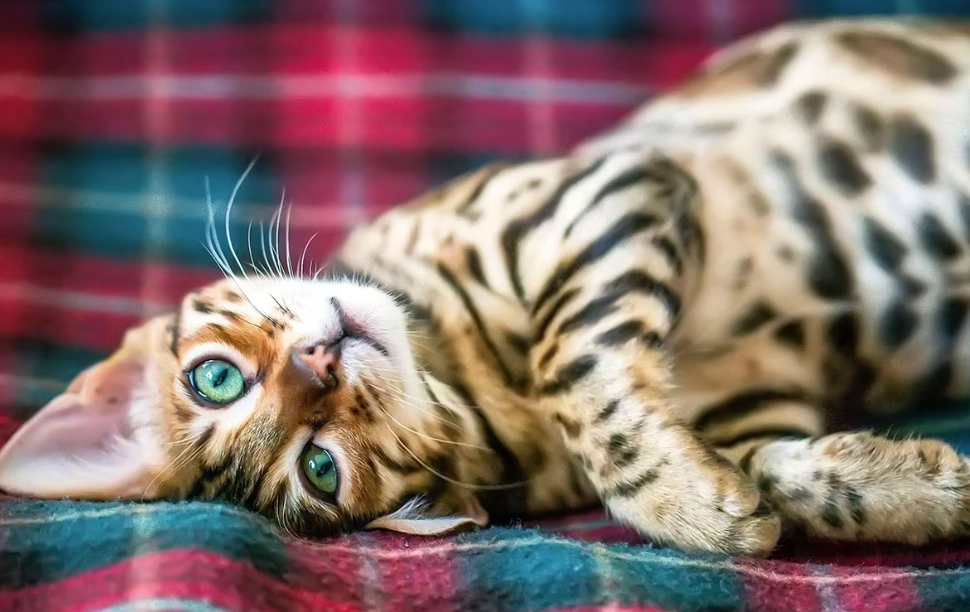
Diet & Grooming: The Easy Parts
Paradoxically, for such a high-maintenance personality, their physical care is straightforward.
Diet: Bengals do well on high-protein, high-quality diets. Many owners report sensitive stomachs, so finding a food that agrees with them is key. Whether you choose wet, dry, raw, or a combination, quality matters. Consult your vet. Anecdotally, some Bengals seem to have trouble with certain grains or fillers, but it’s individual.
Grooming: Their short, pelt-like coat sheds minimally and rarely mats. A quick weekly brush with a rubber grooming mitt is usually enough to remove loose hair and distribute skin oils. It’s more of a bonding activity than a necessity. They generally keep themselves impeccably clean.
Health Considerations: What to Watch For
Generally, domestic Bengal cats are robust, but like all purebreds, they can be predisposed to certain conditions. A responsible breeder will screen for these.
- Hypertrophic Cardiomyopathy (HCM): A form of heart disease. Reputable breeders screen their breeding cats with annual echocardiograms. Ask for proof.
- Progressive Retinal Atrophy (PRA-b): An inherited eye disease that can cause blindness. A DNA test exists, and breeders should test for it.
- PK Deficiency: A genetic anemia. Again, testable and avoidable through responsible breeding.
The single most important thing you can do for your Bengal’s health is to choose a responsible breeder who does this genetic and health screening. It’s worth every penny.
Your Home vs. A Bengal Home: Are You Compatible?
Let’s be brutally honest. A domestic Bengal cat isn’t for everyone. In fact, they’re probably not for most people. Here’s a quick checklist to see if you might be a good match.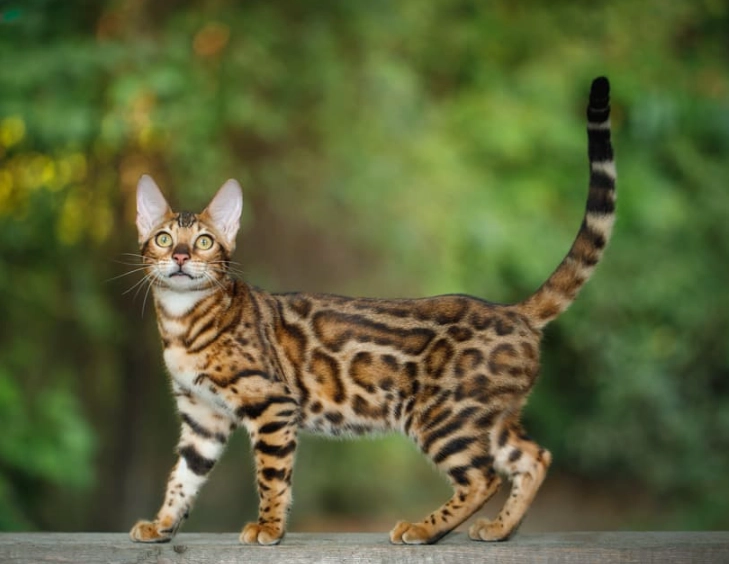
You might be a good Bengal owner if you:
- Have an active lifestyle and want a pet to participate.
- Enjoy interactive play and training.
- Have a spacious home with room for cat trees and shelves.
- Appreciate a vocal, communicative companion.
- Are home a fair amount or have a family to share the engagement load.
- Understand that this is a 15+ year commitment to a high-energy animal.
You should probably consider a different breed if you:
- Want a quiet, low-key, independent lap cat.
- Are gone for 10+ hours a day regularly.
- Have a pristine home and can’t stand the idea of things being knocked over.
- Are not prepared for daily, dedicated playtime.
- Get frustrated easily by persistent demands.
- Are on a tight budget (they are expensive to buy and you need to invest in their environment).
Answering Your Burning Questions (FAQ)
The Final Word: Is a Bengal Right For You?
Living with a domestic Bengal cat is a commitment. It’s loud, it’s messy, it’s demanding, and it requires you to be an active participant in their life. You will have days where you question your sanity as you fish your hair tie out of the water bowl for the tenth time.
But.
It is also one of the most rewarding relationships I’ve ever had with an animal. The intelligence, the affection, the sheer joy they bring when they’re engaged and happy is unparalleled. Coming home to that chirping greeting, seeing the sparkle in their coat as they execute a perfect leap, feeling the deep purr of a content Bengal curled up (on their terms) next to you—it’s magic.
If you’ve read this far and feel excitement, not dread, you might just be one of the special few who can provide the perfect home for these extraordinary cats. Do your research, choose your breeder as carefully as you’d choose a spouse, and buckle up. It’s a wild, wonderful ride.