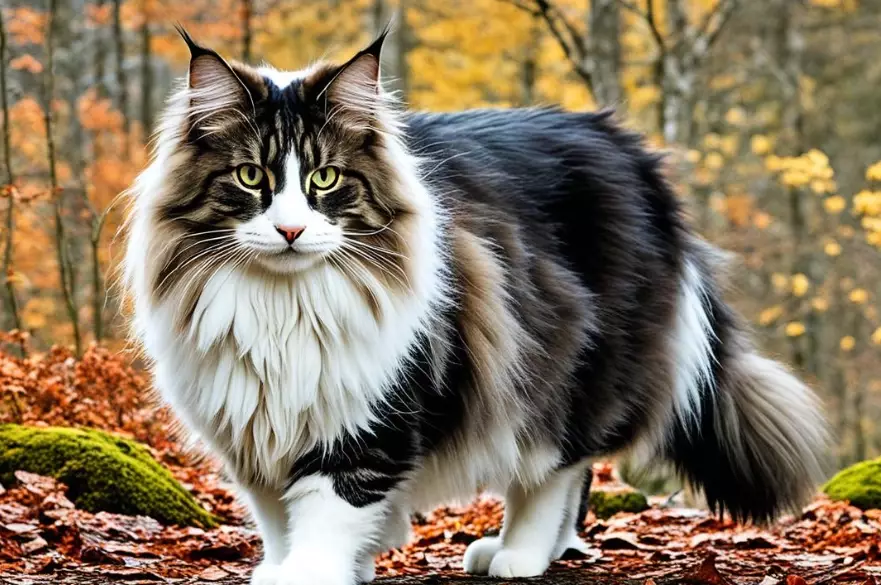
You look at your Maine Coon, this magnificent, furry companion with the personality of a dog and the grace of a lion. It's hard to imagine life without them. So, the question naturally arises: how long do I get with this incredible creature? The short, direct answer is that a well-cared-for Maine Coon cat lifespan typically falls between 12 and 15 years. But that number alone is almost useless. It's like saying a car gets "good mileage." What does that actually mean for you, today, as an owner?
The truth is, that average is a starting point. I've seen Coons bow out shy of 10 due to unchecked genetics, and I've met a handful celebrated their 18th birthday with a slightly wobbly gait but purrs intact. Your role in hitting—or surpassing—that 12-15 year mark is enormous. This isn't just about genetics; it's about the daily choices you make.
What's in this guide?
The Average Lifespan: More Than Just a Number
Let's unpack that 12-15 year figure. First, it assumes an indoor cat. An outdoor Maine Coon faces a drastically different risk profile—cars, predators, diseases, fights—that can easily halve that expectancy. Keeping them indoors is the single most impactful decision for their safety.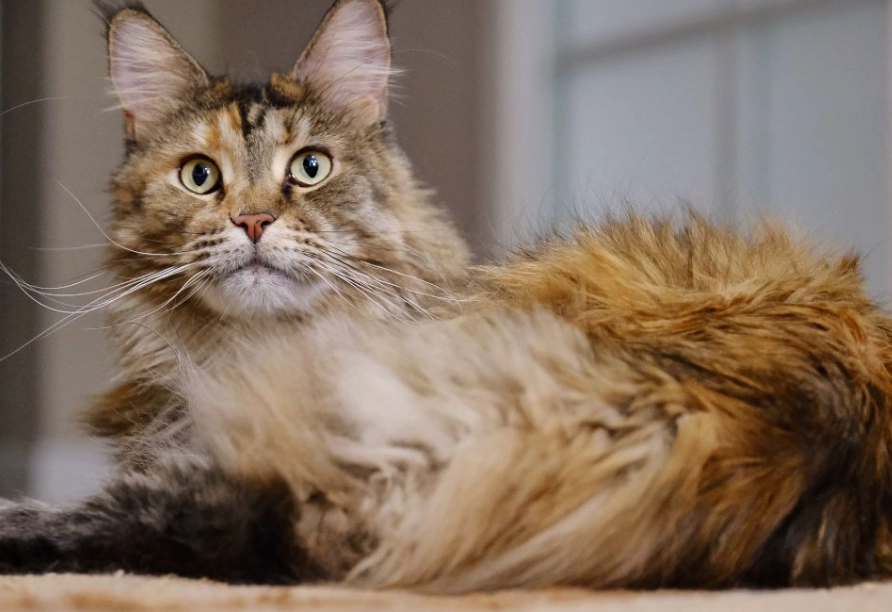
There's a common misconception that larger animals live shorter lives. While often true in the animal kingdom (compare an elephant to a mouse), within domestic cats, the Maine Coon's size doesn't doom it to a brief existence. They mature slower, reaching full size around 3-5 years, and their lifespan, while perhaps slightly shorter than a petite Siamese's potential, is robust for their stature.
Key Takeaway: The 12-15 year range is your realistic target. Hitting the upper end or beyond requires proactive management of specific health risks, which we'll get into next. Don't just hope for the best; plan for it.
The Biggest Threats to a Maine Coon's Longevity
If you want to guard your cat's years, you need to know what you're guarding against. Two issues loom largest, and one is notoriously silent.
Hypertrophic Cardiomyopathy (HCM): The Silent Heart Condition
This is the big one. HCM is a genetic heart disease where the heart muscle thickens, making it harder to pump blood. It's prevalent in the breed. The scariest part? A cat can have it for years with zero visible symptoms before sudden heart failure or a clot occurs.
Here's where many owners get it wrong: they wait for symptoms. By the time a cat shows signs like labored breathing or lethargy, the disease is often advanced. The proactive move is screening. An annual echocardiogram (an ultrasound of the heart) performed by a vet or cardiologist familiar with cats can detect early changes. Start this by age 3-4. Reputable breeders test their breeding stock, but a clear parent doesn't guarantee a clear kitten—screening your own cat is non-negotiable.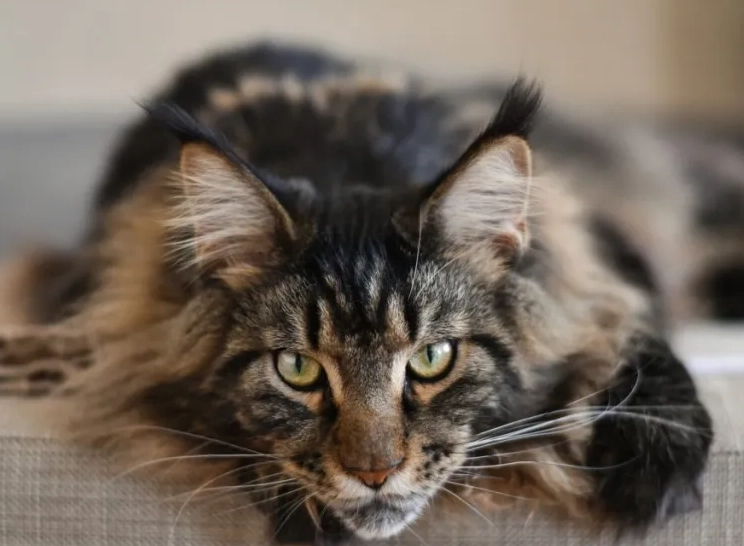
Hip Dysplasia and Spinal Muscular Atrophy (SMA)
Their large frame makes joints a concern. Hip dysplasia, a malformation of the hip socket, is common. It can lead to arthritis, pain, and mobility issues later in life. You might notice a reluctance to jump, a bunny-hopping gait, or stiffness after rest.
Spinal Muscular Atrophy (SMA) is another genetic condition affecting nerve cells. Kittens show a characteristic sway in the hindquarters. While not painful and not affecting lifespan directly, it increases the risk of injury and complicates mobility in senior years. A responsible breeder will have tested for the SMA gene.
Other issues like polycystic kidney disease (PKD) are less common in Maine Coons than in some breeds but are worth asking your breeder about.
How to Actively Extend Your Maine Coon's Years
This is the part where you have direct control. Think of it as a four-pillar approach: Nutrition, Weight, Activity, and Veterinary Partnership.
Pillar 1: Diet & Weight Management – This is Critical
Maine Coons are big, but they should not be fat. Excess weight is a massive strain on their heart, joints, and overall system, directly shortening lifespan. You should be able to easily feel their ribs under a thin layer of fat. A waist should be visible from above.
Feed a high-quality diet with animal protein as the first ingredient. Many owners of large, healthy Coons I've spoken to swear by wet food or a mixed diet, as it provides more moisture—supporting kidney and urinary health—and can be more satisfying with fewer empty carbs. Dry food alone often leads to weight creep and chronic mild dehydration.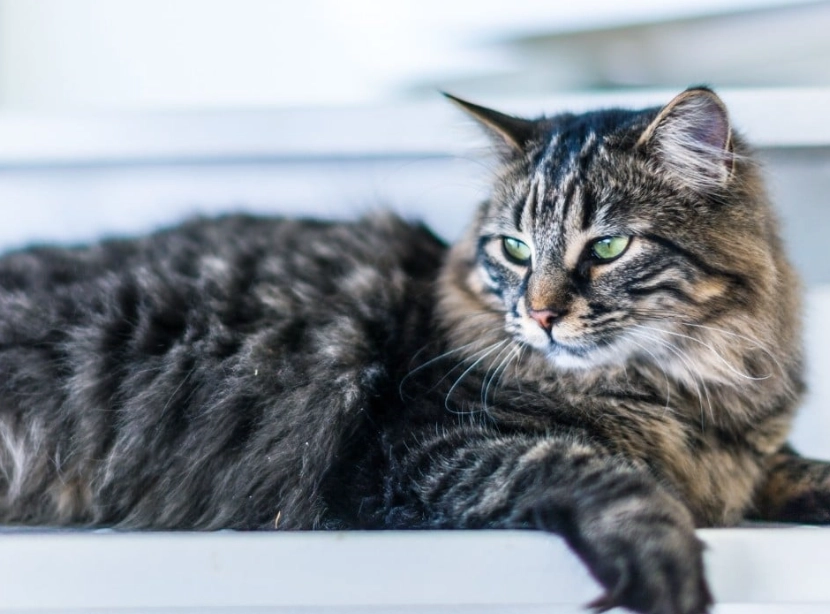
| Diet Focus | Why It Matters for Lifespan | Practical Tip |
|---|---|---|
| High-Quality Protein | Supports muscle mass, which declines with age. Maintains organ health. | Look for named meat (chicken, salmon) as first ingredient, not "meat by-products." |
| Controlled Calories | Prevents obesity, the root of diabetes, arthritis, and heart strain. | Measure meals! Don't free-feed. Adjust portions based on activity and age. |
| Adequate Hydration | Prevents urinary crystals and supports kidney function long-term. | Use water fountains, add water to wet food, offer broth "soup." |
| Joint Supplements | Proactive support for hips and joints can delay arthritis onset. | Consider vet-recommended glucosamine/chondroitin early, around age 5-7. |
Pillar 2: Exercise & Environmental Enrichment
A bored cat is a sedentary cat, and a sedentary cat gains weight and loses muscle tone. Maine Coons are often playful well into adulthood. Engage that.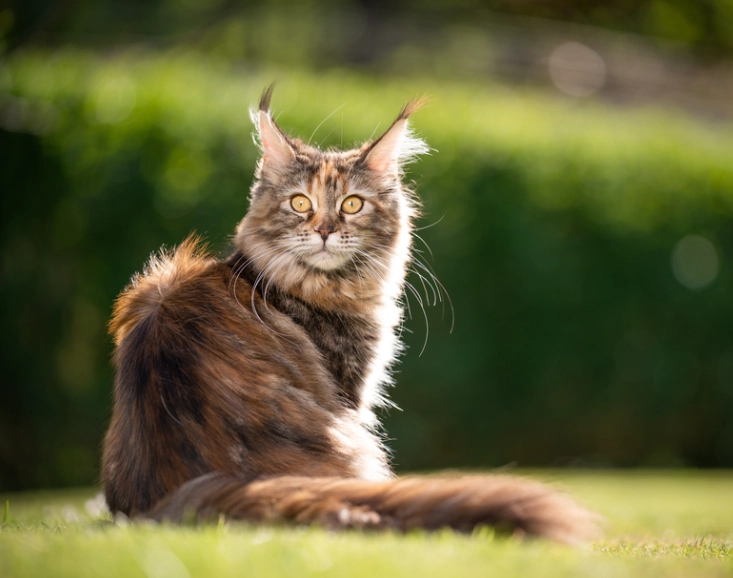
Don't just toss a mouse. Have dedicated 10-minute play sessions with a wand toy that makes them run and leap. Puzzle feeders make them work for food. Cat trees (sturdy ones for their size!) encourage climbing. This keeps their body and mind sharp, reducing stress—another longevity killer.
Pillar 3: Proactive & Preventative Veterinary Care
Move beyond just vaccines. This is about partnership with your vet.
- Bi-Annual Check-ups Senior Years: After age 8-10, go every 6 months. Subtle changes in weight, kidney values, or heart sounds are caught far earlier.
- Dental Care: Dental disease causes chronic pain and systemic inflammation, affecting the heart and kidneys. Annual cleanings under anesthesia are an investment.
- Bloodwork: Annual blood panels (chemistry, CBC) establish a baseline. A slight rise in kidney values one year is a call to action, not a crisis.
I made the mistake of skipping a senior panel one year with my old cat, thinking "he seems fine." He was, but we lost valuable baseline data. Don't skip.
Pillar 4: Genetics & Responsible Breeding
If you're getting a kitten, this is your foundation. A breeder who does genetic testing on parents for HCM (via echocardiograms), SMA, and hip dysplasia (via X-rays) is screening out major preventable causes of a shortened life. Ask for proof. A lower price tag often means skipped health testing, which costs you infinitely more in heartache and vet bills later.
Your Maine Coon Lifespan Questions, Answered
Is 10 years old considered old for a Maine Coon?
How can I tell if my Maine Coon is aging healthily?
Does pet insurance help with extending a Maine Coon's life?
Ultimately, understanding the Maine Coon cat life expectancy is about embracing both reality and possibility. The reality is genetic predispositions and the ticking clock. The possibility lies in your hands—through informed nutrition, vigilant healthcare, and an enriched life. Your goal isn't just to have your gentle giant for a long time, but to have them healthy, purring, and part of the family through all those years. Start the proactive habits today. Those years will thank you for it.