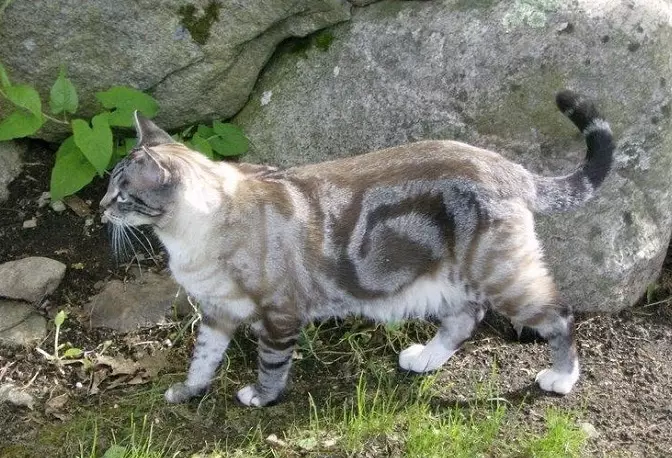
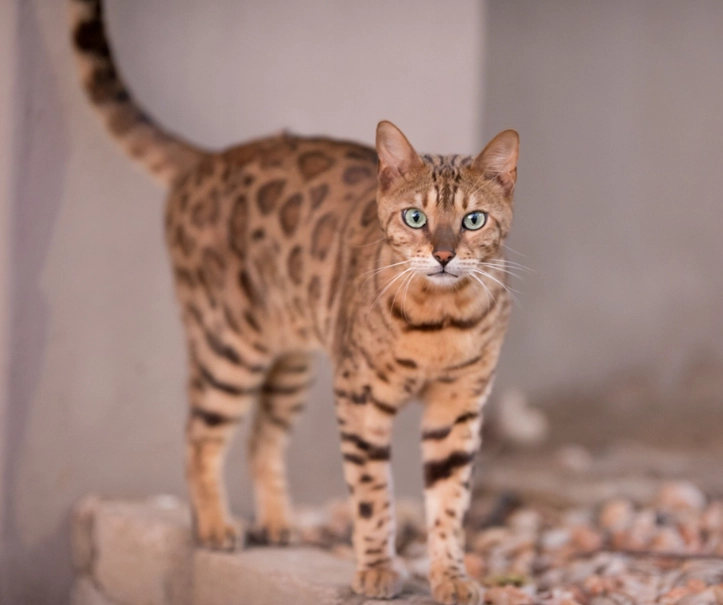
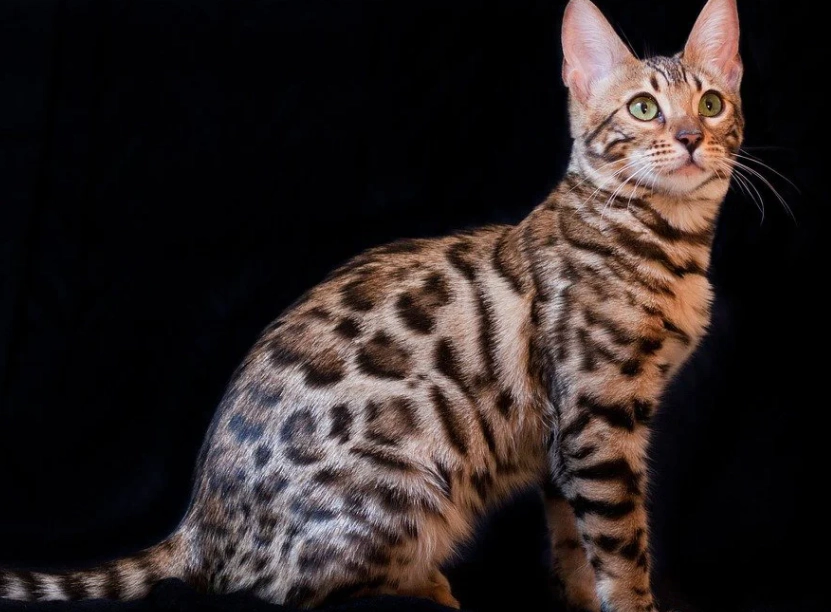
You've seen the pictures. A cat that looks like it swam through a river of liquid gold and bronze, its coat swirling with dark, dramatic patterns that mimic marble or even storm clouds. That's the Marbled Bengal cat, and it stops people in their tracks. But here's the thing most articles don't tell you right away: that breathtaking coat is just the wrapping paper. What's inside is a high-performance engine of a cat—intelligent, athletic, and demanding in ways a typical domestic shorthair simply isn't. I've shared my home with Bengals for over a decade, and while the marbled pattern is my personal favorite, choosing one means signing up for a specific lifestyle. Let's cut past the fluff and talk about what living with a marble Bengal is really like.
What's Inside This Guide?
What Exactly is a Marbled Bengal Cat?
First, a quick genetics lesson. The Bengal breed itself is a hybrid, originally crossing domestic cats with the Asian Leopard Cat. The marbled pattern isn't a leopard-like spot; it's a different gene expression entirely. According to breed standards like those from The International Cat Association (TICA), the marbled pattern features horizontal, flowing swirls and bands. Think of thick, dark lines swirling across a lighter background—gold, cream, or silver—like marble stone.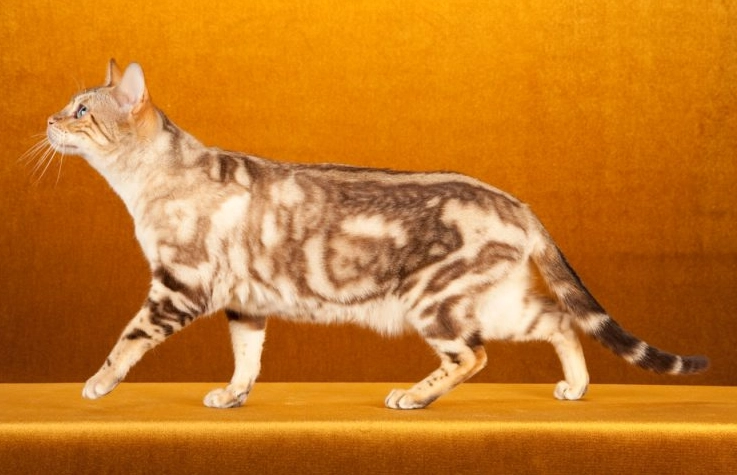
A common misconception? That "marbled" means calmer or more domestic. Not true. The pattern is only skin deep (or fur-deep). It has zero bearing on the cat's energy, intelligence, or vocal tendencies. A marbled Bengal from active, well-bred lines will be just as much of a whirlwind as a spotted one. I've met people who chose a marble thinking it might be "tamer," only to be completely overwhelmed. The pattern is aesthetic, not temperamental.
The Bengal Personality: More Than Just a Pretty Coat
This is where you need to pay attention. If you want a cat that sleeps 18 hours a day on the windowsill, look elsewhere. The Bengal personality is legendary in the cat world.
They are profoundly intelligent. We're not just talking about learning tricks (though they excel at that). We're talking about problem-solving. I've watched mine figure out how to open lever-style door handles, cabinet doors with child locks, and even the latch on a screen door. Boredom is their enemy, and a bored Bengal becomes an architect of chaos.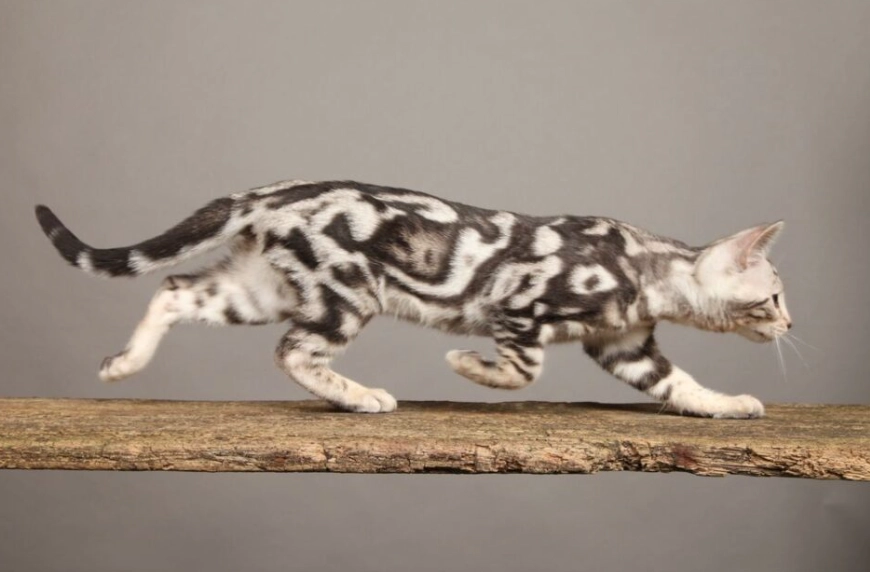
Their energy is boundless. They don't just play; they hunt, pounce, leap, and race. A frantic five-minute burst isn't enough. They need sustained, interactive play that mimics the hunt—a feather wand you drag and dart, a ball they can chase in a track. They often retain a strong love for water, fascinated by dripping taps, and some will even join you in the shower.
And the voice. Oh, the voice. It's not always a standard meow. It can be a chirp, a trill, a chatter at birds, or a loud, insistent demand when they want something. They communicate constantly.
Here’s a quick comparison to set expectations:
| Trait | Typical Domestic Cat | Marbled Bengal Cat |
|---|---|---|
| Energy Level | Moderate to low; several play sessions. | Very high; requires intense, daily interactive play. |
| Independence | Often quite independent. | Social, dog-like; wants to be involved in everything you do. |
| Vocalization | Variable, often quiet. | Frequent and varied; chirps, trills, loud meows. |
| Curiosity/Destructiveness | May knock things over occasionally. | High; will systematically explore and may dismantle items if bored. |
Caring for Your Marbled Bengal: A Practical Guide
Caring for this breed is less about delicate grooming and more about managing a supercharged personality. You're a facilities manager for a tiny, furry CEO.
Diet and Nutrition: Fueling the Engine
These active cats need high-quality protein. Look for foods where a named meat (chicken, salmon, duck) is the first ingredient. Many Bengals have sensitive stomachs, so grain-free or limited-ingredient diets can help. I've had the best luck with a mix of high-protein dry food available all day and a portion of wet food at night. Avoid cheap, filler-heavy foods—you'll see it in their coat quality and energy levels.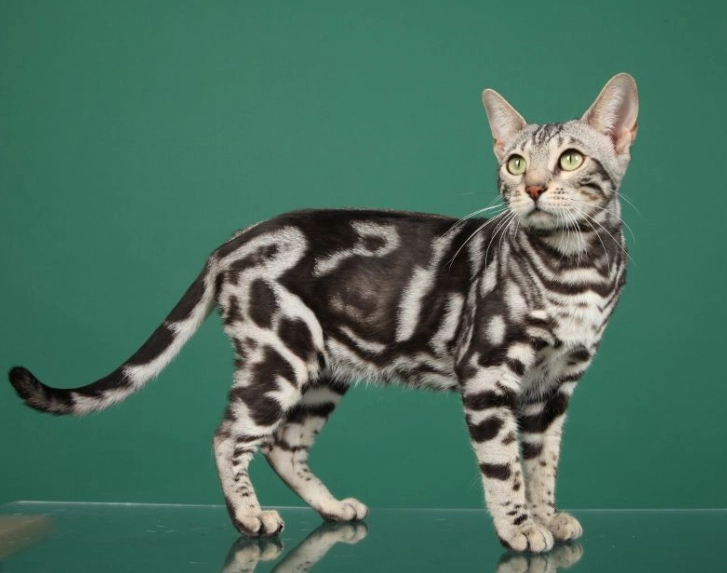
Grooming: Surprisingly Low Maintenance?
Their short, pelt-like coat is easy. A weekly brush with a rubber grooming mitt removes loose hair and distributes skin oils, making that marbled pattern gleam. They shed, but not in huge clumps. The real grooming task is nail trimming. Those nails are sharp and grow fast. Get them used to it as kittens.
Environmental Enrichment: The Non-Negotiable
This is the most critical part of care. You must create a habitat that challenges them.
- Vertical Space: Cat trees aren't decorations; they are essential infrastructure. Get tall, sturdy ones. Wall shelves and walkways are even better.
- Interactive Toys: Wand toys, puzzle feeders, treat-dispensing balls. Rotate them to prevent boredom. Laser pointers are fun but always follow up with a physical toy they can "catch" to avoid frustration.
- Water Features: A cat water fountain is a great investment. The sound and movement attract them and encourage drinking.
- Harness Training: Many Bengals take well to leash training. It provides unmatched mental and sensory stimulation. Start slow indoors.
Health Considerations
Reputable breeders screen for genetic issues common to the breed. Two big ones are:
- Hypertrophic Cardiomyopathy (HCM): A heart condition. Ask your breeder for proof of recent echocardiogram clearances for the parent cats.
- Progressive Retinal Atrophy (PRA): A degenerative eye disease. Genetic testing is available.
Their adventurous nature also means keeping a close eye on what they might ingest (strings, small objects) and ensuring windows are securely screened.
Is a Marbled Bengal Cat Right for You?
Let's be brutally honest. This cat isn't for everyone. It's a commitment.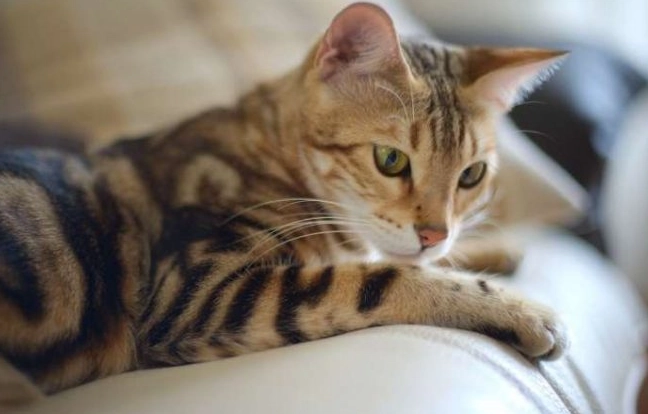
A Marbled Bengal might be a great fit if you:
- Lead an active lifestyle and want a pet to match.
- Work from home or have significant time to interact.
- Enjoy training animals and solving pet puzzles.
- Have a secure, catified home (or are willing to build one).
- Appreciate loud, conversational pets.
Think twice if you:
- Prize a spotless, minimalist home (they will have toys everywhere).
- Are away from home for long, regular hours.
- Prefer a quiet, low-key companion.
- Have a limited budget (Bengals from ethical breeders are expensive, and their care costs are ongoing).
- Are not prepared for potential destructiveness if their needs aren't met.
The marbled pattern is stunning, but it should never be the primary reason for choosing this breed. Fall in love with the personality first, and the gorgeous coat becomes a magnificent bonus.