Quick Guide to White Cats
- What Makes a Cat White? The Genetics Behind the Coat
- The White Cat Health Checklist: What You Need to Watch For
- Personality: Is There a "White Cat" Temperament?
- The Great White Challenge: Grooming and Stain Management
- Popular White Cat Breeds: A Quick Comparison
- Your White Cat Care Routine: A Month-by-Month Guide
- Answering Your White Cat Questions (FAQs)
- Final Thoughts: Is a White Cat Right for You?
So you're thinking about bringing a white cat into your life, or maybe you already have one curled up on your lap right now. Let's be honest, they're stunning. That pristine, snow-like coat catches the eye like nothing else. But here's the thing I learned the hard way with my own white cat, Casper – there's a lot more to these felines than meets the eye. It's not just about keeping their fur clean (though that's a battle in itself). Their beautiful color comes with a unique set of genetic instructions, potential health considerations, and personality quirks that every owner should know about.
I remember picking Casper from the shelter. He was this tiny, quiet ball of fluff in a corner, not like the other playful kittens. The volunteer mentioned he might be deaf, which is common for solid white cats with blue eyes. That was my first real clue that a white cat could be different. Over the years, I've had to become a bit of an expert on sunblock for cats, stain removal, and understanding his particular way of communicating. This guide is everything I wish I'd known back then, mixed with research and chats with my vet.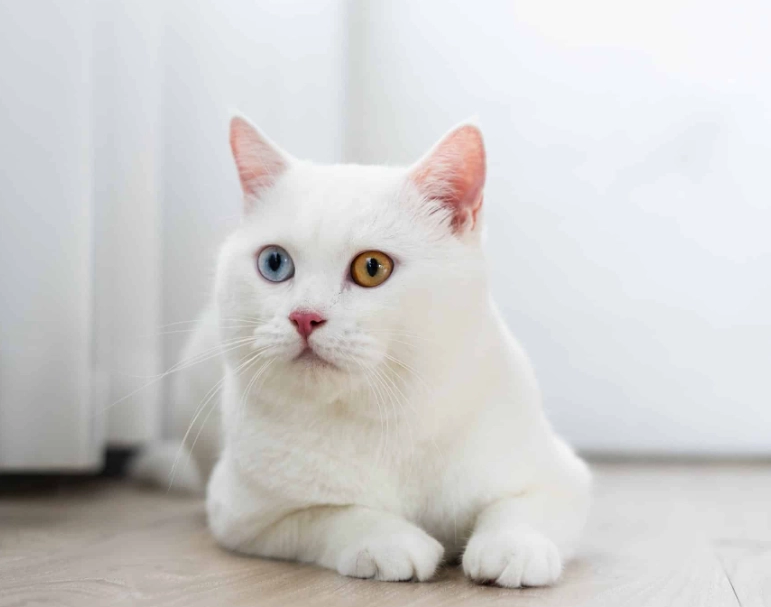
What Makes a Cat White? The Genetics Behind the Coat
This is where it gets fascinating. You might see a pure white cat and think it's simple, but the genetics are anything but. There are actually several different ways a cat can end up with a completely white coat, and understanding which one applies can tell you a lot.
The main player is the Dominant White (W) gene. This is a powerful gene that basically says, "No pigment allowed," overriding all other color and pattern instructions. A cat with just one copy of this gene from one parent will be white. Many of the solid white cats you see have this.
Then there's the White Spotting (S) gene. In its most extreme form, this gene can cause so much white spotting that the cat appears entirely white. Sometimes you might find a tiny patch of color on the head or tail if you look closely – a secret clue to their genetic history.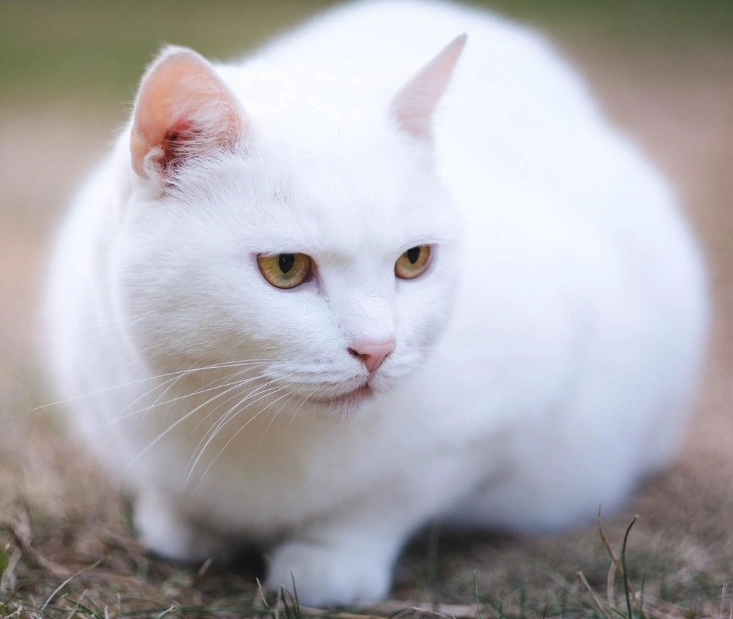
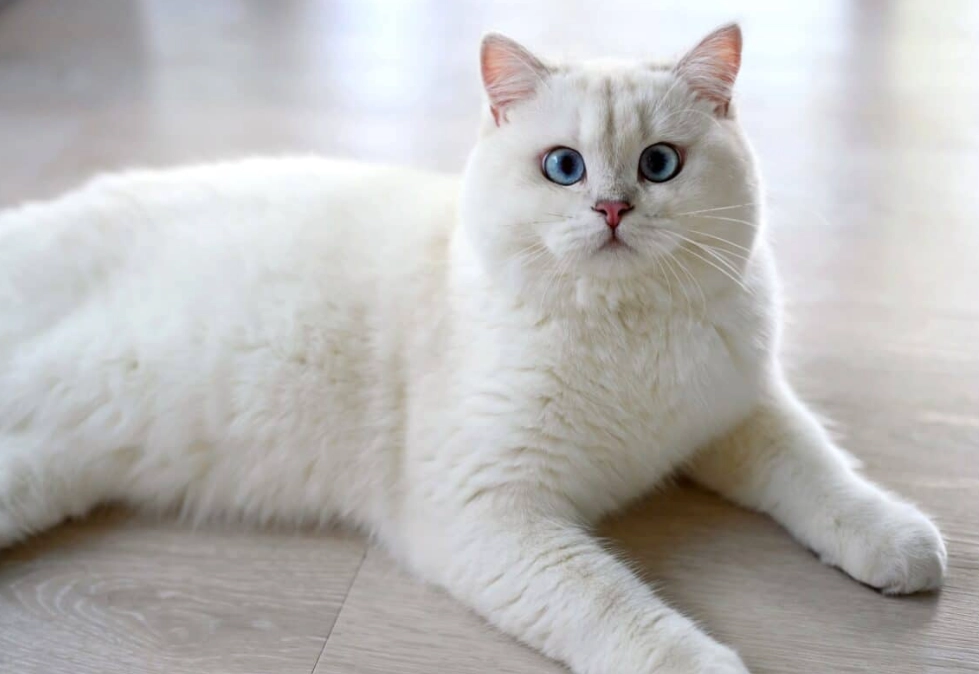
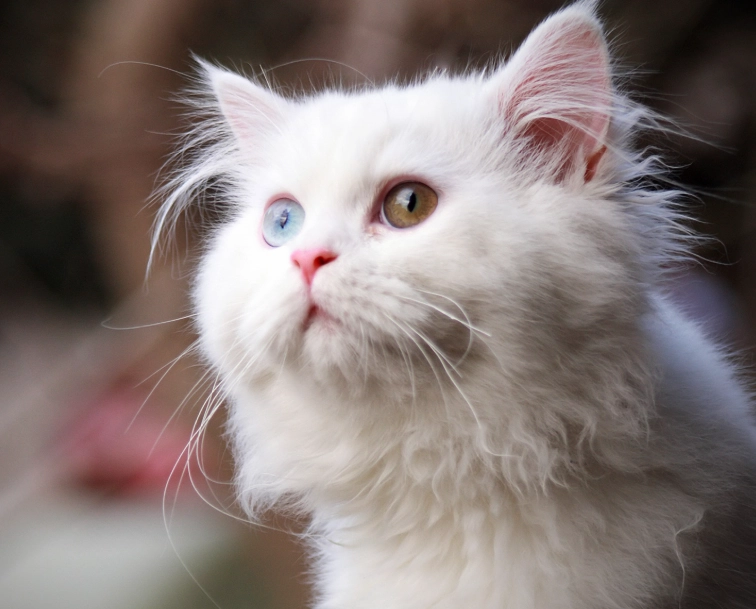
A much rarer cause is Albinism. True albino cats lack pigment-producing enzymes entirely. They'll have pale pinkish skin, very pale blue or pink eyes, and are extremely sensitive to light. It's important to distinguish these from dominant white cats with blue eyes, as their care needs are even more specific.
Why does this matter? Well, the specific genetic path to whiteness is closely linked to some of the health and sensory traits we'll talk about next. For example, the Dominant White gene is often associated with the potential for congenital deafness, especially when combined with blue eyes.
The White Cat Health Checklist: What You Need to Watch For
Okay, let's talk about the serious stuff. I don't want to scare you, but being informed is the best thing you can do for your pet. White cats are not inherently unhealthy, but they do have some specific vulnerabilities that require proactive care.
Deafness: The Big One
This is the most well-known concern. The same gene that causes the white coat and blue eyes can also affect the development of the inner ear. The statistics from studies are pretty clear: a high percentage of white cats with two blue eyes are born deaf in one or both ears. Cats with one blue eye (odd-eyed) are often deaf on the blue-eyed side. White cats with non-blue eyes (green, gold, copper) have a much lower risk.
How do you know if your white cat is deaf? It's not always obvious. Kittens learn to compensate amazingly well. Casper is deaf in one ear. For the longest time, I just thought he was incredibly stubborn or a heavy sleeper. He wouldn't come when called from one side of the room, but would from the other. Look for these signs: sleeping extremely soundly, not reacting to loud noises (like a vacuum starting), being easily startled if you approach from behind, or having an unusually loud meow (they can't hear themselves).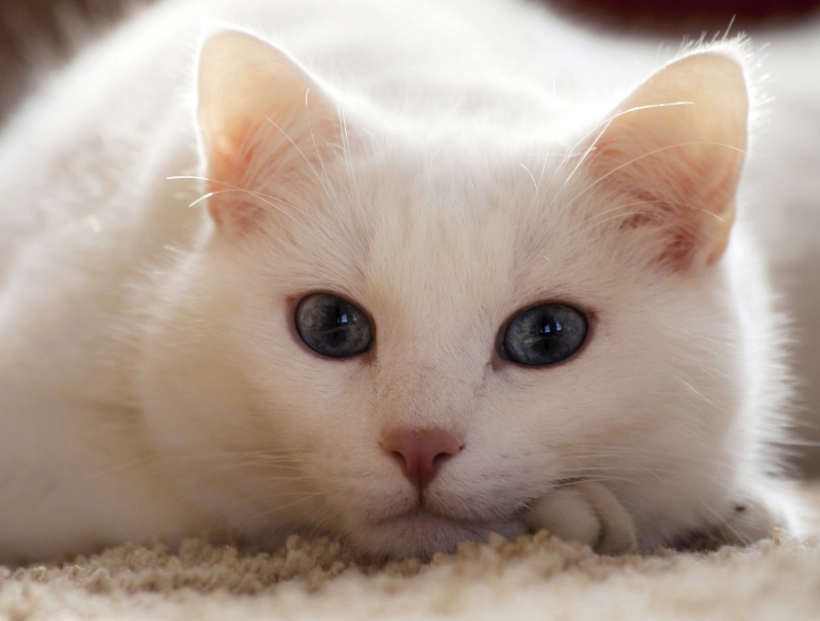
Sunburn and Skin Cancer
This one surprised me. Cats can get sunburned? Absolutely. That white fur has little to no protective melanin pigment in the skin underneath. The ears, eyelids, nose, and lips are especially prone. Repeated sunburn can lead to a condition called squamous cell carcinoma (SCC), which is a serious and aggressive form of skin cancer in cats.
If your white cat loves sunbathing (and most do), you need a strategy. The best defense is keeping them indoors during peak sun hours (10 am to 4 pm). For cats who insist on their sun patch, you can apply pet-safe sunscreen to their ears and nose. Yes, it's a thing! Look for brands that are specifically formulated for pets, as human sunscreens often contain zinc oxide or other ingredients toxic to cats if ingested during grooming. My vet recommended a brand that's fragrance-free and quick-drying.
Regularly check your white cat's ears and nose for any signs of redness, scaliness, sores, or crusts that don't heal. Early detection is critical. The Cornell Feline Health Center has excellent resources on recognizing skin issues in cats.
Eye Conditions
Those beautiful blue eyes can sometimes be more sensitive. Some white cats, particularly those with the underlying genetics for pointed patterns (like Siamese) masked by the white gene, can be prone to strabismus (crossed eyes) or nystagmus (involuntary eye movement). These usually don't affect their quality of life much, as cats rely more on motion and close-up detail than sharp distance vision.
However, any cat with light-colored eyes, especially pale blues, can be more sensitive to bright light. You might notice them squinting in sunny rooms. It's just something to be mindful of – providing shady spots in sunny areas is a good idea.
Personality: Is There a "White Cat" Temperament?
This is a hot topic. Ask any group of white cat owners, and you'll get strong opinions. Some swear their white cats are aloof and regal. Others claim they're the biggest cuddlebugs. The truth? There's no scientific evidence that coat color directly determines personality. Breed, individual genetics, and early life experiences are far more influential.
However, there are a couple of indirect factors that might shape how a white cat behaves.
First, deafness. A deaf cat's experience of the world is different. They might startle more easily, which can be misinterpreted as skittishness. They may also be more visually alert and bond very strongly with their primary human, as they rely on visual cues and vibration (like footsteps) to connect. My deaf Casper is incredibly attached to me and follows me from room to room, watching everything I do.
Second, human perception and treatment. This is a subtle one. There's a theory that because humans often perceive white animals as more delicate, beautiful, or "special," we might handle them more gently, talk to them more softly, or even spoil them more. Over time, this could reinforce certain behaviors. A cat that is constantly picked up and coddled might become more passive or dependent.
Ultimately, you'll find white cats across the entire feline personality spectrum. I've met white Persians who are total divas and white domestic shorthairs who are fearless adventurers (safely indoors, of course). It's one of the things that makes getting to know your individual white cat so rewarding.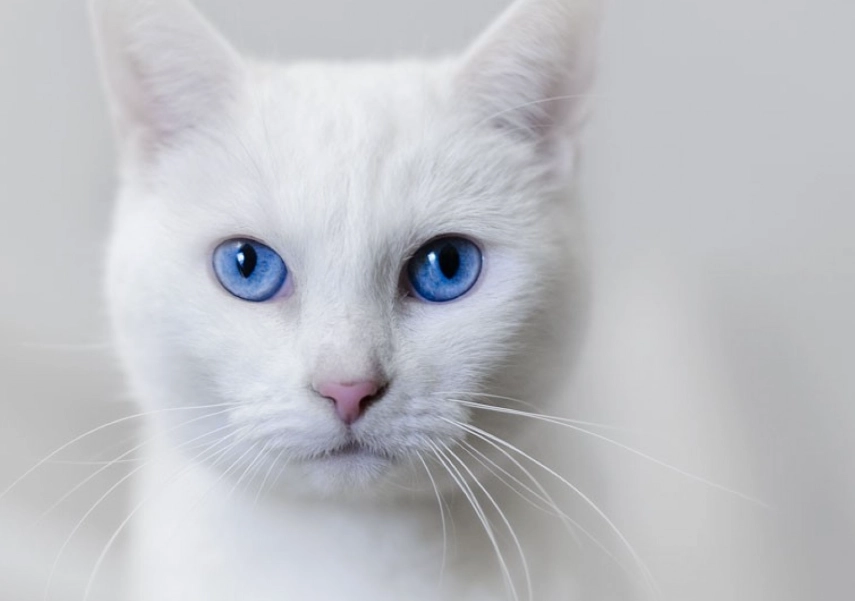
The Great White Challenge: Grooming and Stain Management
Let's get practical. A white cat's coat is a magnet for dirt. It shows everything: litter dust, tear stains, food smudges, even a bit of soil from your houseplants. Keeping them looking pristine requires a routine, but it doesn't have to be a chore.
The Bathing Question
Most cats are self-cleaning wonders and rarely need full baths. But for a white cat, an occasional bath might be necessary if they get into something particularly grimy. The key is to make it a positive experience. Use lukewarm water and a gentle, hypoallergenic cat shampoo. Never use human shampoo – the pH is wrong for their skin and can cause irritation and dryness.
For spot cleaning between baths, unscented pet wipes are a lifesaver. Gently wipe their paws, around their mouth after eating, and under their eyes if you see tear staining.
Tear Stains
Those reddish-brown streaks under the eyes are common in many light-colored cats, not just white ones. They're caused by porphyrins, pigments found in tears. Some cats produce more than others due to genetics, eye shape (like Persians), or minor eye irritation.
To manage them: Wipe the area daily with a soft, damp cloth or a pet wipe. Keep the fur around the eyes trimmed short to prevent tears from wicking into the fur. Ensure your cat is on a high-quality diet, as some believe food allergies can increase tear production. If the staining is sudden or severe, consult your vet to rule out an eye infection or blocked tear duct.
The Litter Box Dilemma
This is a big one. Light-colored, dusty litter will end up all over your white cat's paws and belly. My solution after much trial and error?
- Switch to a dust-free litter: This made the biggest difference for Casper. There are great paper, walnut, or corn-based options that track less and are virtually dust-free.
- Use a top-entry or high-sided litter box: This helps contain the litter as they exit.
- Place a textured mat outside the box: A good mat will catch litter granules from their paws.
It's a constant battle, but these steps help a ton.
Popular White Cat Breeds: A Quick Comparison
While any breed or mix can produce a white cat, some breeds are known for commonly having white individuals or even being exclusively white. Here's a look at a few fan favorites and what to expect.
| Breed | Coat Type | Typical Eye Color | Key Considerations |
|---|---|---|---|
| Turkish Angora | Long, silky, single-layer | Blue, Green, Amber, or Odd-eyed | Often associated with the classic "white cat" image. Energetic, intelligent, and social. Their coat is surprisingly low-maintenance for its length. |
| Khao Manee | Short, smooth, close-lying | Striking blue, gold, or odd-eyed | A rare gem from Thailand, known as the "White Jewel." Playful, vocal, and forms intense bonds. Often odd-eyed. |
| Foreign White | Short, sleek, fine | Deep sapphire blue | Essentially a white Siamese. Has the classic Siamese personality: talkative, demanding, affectionate, and clever. |
| White Persian | Extremely long, thick, double coat | Deep blue or copper (should not be green) | High-maintenance grooming is a daily must to prevent mats. Calm, sweet temperament. Prone to tear staining due to facial structure. |
| American Shorthair (White variant) | Dense, plush short hair | Varied | The classic "house cat" in white. Generally healthy, adaptable, and easy-going. A great family pet. |
Remember, a loving mutt from the shelter can be just as wonderful (and often healthier) than a purebred.
Your White Cat Care Routine: A Month-by-Month Guide
Thinking long-term helps. Here's a breakdown of what caring for a white cat looks like on a regular schedule, beyond daily feeding and cuddles.
Daily: Quick visual check of ears, nose, and eyes for any changes. Wipe away any tear stains. Brush if they are a long-haired breed. Engage in playtime—deaf cats especially need visual play with wands or laser pointers (used responsibly).
Weekly: A more thorough brushing for short-haired white cats to remove loose fur and distribute skin oils. Check and clean ears if needed with a vet-approved solution. Inspect paws and between toes.
Monthly: Apply pet-safe sunscreen to ears and nose if they have sun exposure. Do a full-body feel for any unusual lumps or bumps, paying attention to the sun-exposed areas. Trim nails.
Bi-Annually/Annually: Veterinary check-up. This is non-negotiable. Discuss sun exposure with your vet. For senior white cats, more frequent checks may be needed. The American Veterinary Medical Association (AVMA) provides great checklists for preventive care at every life stage.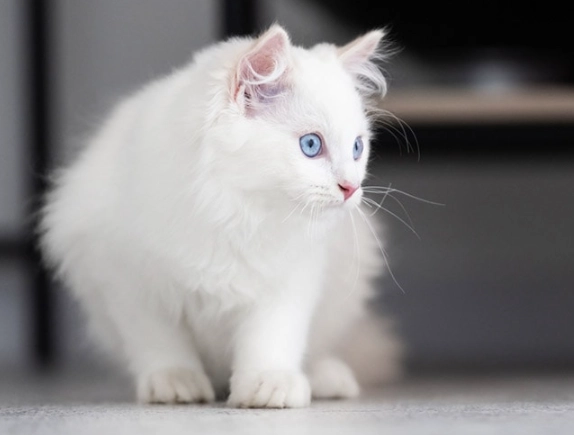
"Owning a white cat is a commitment to mindful observation. Their coat is a canvas that tells a story about their health and environment. Your vigilance is their best protection."
Answering Your White Cat Questions (FAQs)
I get asked these questions all the time. Let's clear up some common mysteries.
Are all white cats with blue eyes deaf?
No, not all. But a significant percentage are. Studies suggest between 60-80% of white cats with two blue eyes are deaf. The risk is much lower for white cats with non-blue eyes. It's a strong correlation, not an absolute rule.
Is it cruel to have a white cat if I live in a sunny climate?
Not at all, as long as you're a responsible indoor cat owner. The key is managing their sun exposure. Keep them indoors during peak UV hours, provide shaded areas, and use pet-safe sunscreen on vulnerable spots. An indoor life with plenty of window perches (with UV-filtering film if possible) is perfectly safe and fulfilling.
My white cat's fur is turning yellowish. Why?
This can happen for a few reasons. The most common is saliva staining from grooming. If your cat has dental issues or skin allergies that cause over-grooming, the enzymes in their saliva can oxidize and turn the fur yellow/brown. Diet can also play a role; some foods or supplements (like those with beta-carotene) can subtly tint the coat. Finally, it can simply be environmental – rolling on a dusty floor, sun exposure, or even the minerals in your water if they drink from the tap. A vet check can rule out health issues, and a gentle, cat-safe whitening shampoo can help.
Are white cats more prone to being abandoned or having trouble in shelters?
This is a sad but important point. Some shelter workers note that solid white cats, especially those with disabilities like deafness, can be overlooked. People might worry about the extra care or have superstitions (which are completely baseless). This means the perfect white cat for your home might be waiting for you at a rescue. They often make incredibly devoted and loving pets.
What's the best way to communicate with a deaf white cat?
You learn to use visual and tactile signals. Stomping your foot on the floor can create a vibration they feel. Turning lights on/off to get their attention. Using clear, consistent hand signals for commands like "come," "food," and "no." Always approach them from the front so you don't startle them. They are incredibly perceptive to body language.
Final Thoughts: Is a White Cat Right for You?
Bringing a white cat into your home is a joy, but it's a joy that comes with a specific owner's manual. It's for someone who doesn't mind a bit of extra grooming, who will be diligent about sun safety, and who is prepared to love a cat that might have a different way of experiencing the world (like deafness).
It's not necessarily harder than having any other cat—just different. The rewards are immense. There's a unique, almost magical beauty to sharing your life with a white cat. Their purity of color seems to highlight their individual quirks and affections. They're living art with purrs.
If you're ready for the commitment, you'll find a companion like no other. Just be prepared to buy a lot of lint rollers and learn the true meaning of the word "fastidious." And maybe, like me, you'll end up with a deaf white cat who rules your heart and your home, showing you that listening isn't just done with ears.
Do your research, talk to breeders or shelters openly about health testing and history, and get ready for a beautiful adventure. The world of white cats is full of wonder, a little bit of science, and a whole lot of love.