Let's be honest. You're not here to read another article gushing about how beautiful and exotic Bengal cats are. You've seen the stunning rosetted coats, the sleek muscular bodies, the captivating wild look. You're intrigued. Maybe you're seriously considering bringing one of these miniature leopards home. But a smart part of you is asking the crucial, often glossed-over question: what's the catch?
Good. That's the right question to ask. As someone who has lived with and loved this breed for over a decade, I can tell you the "catch" is significant. The disadvantages of owning a Bengal cat are real, and they're the reason why these magnificent animals end up in shelters or with overwhelmed owners. It's not that they're bad cats—far from it. They're incredible. But they're a professional-grade pet in a world full of amateurs.
This isn't a scare piece. It's a reality check. We'll dive deep into the three core areas where Bengal ownership gets challenging: their boundless energy that borders on manic, the specific genetic health issues you must be prepared for, and the true, often shocking, financial cost of keeping one happy and healthy.
In This Article You'll Discover
The Engine That Never Quits: Energy, Intelligence, and Potential Destruction
Forget everything you know about a typical cat napping in a sunbeam for 18 hours a day. A Bengal is more like a perpetual motion machine with fur and claws. Their energy level isn't just "high"; it's relentless. This stems directly from their hybrid ancestry (Asian leopard cat crossed with domestic cats). That wild DNA codes for an animal that would naturally patrol miles of territory daily.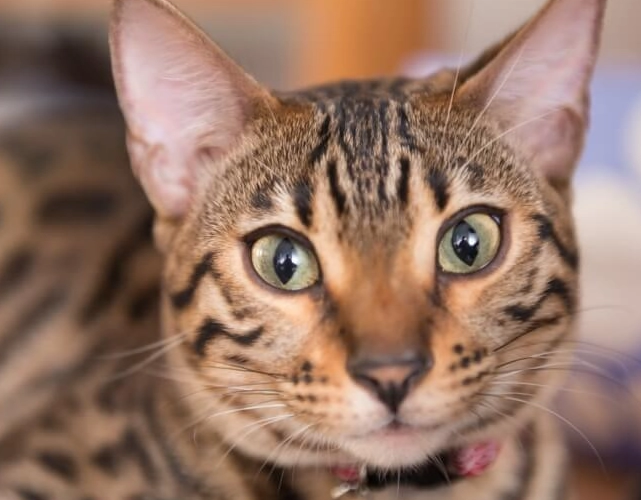
In your home, that translates to a cat that needs a job. Without an outlet, this energy morphs into behaviors most people label as "problems."
Boredom is The Root of All Evil (and Scratched Couches)
Here's a mistake I see constantly: owners provide a few toys and a scratching post and think they're done. A bored Bengal is a destructive Bengal. We're not talking about the occasional clawed armrest. We're talking about systematic deconstruction.
- Vertical Space Invasion: They don't just jump on counters; they scale bookcases, curtain rods, and refrigerator tops. Anything tall is a summit to be conquered. I've had a Bengal figure out how to open the upper cabinets just to sleep on the dishes.
- Water Fascination: Many Bengals are obsessed with water. This means uninvited join-ins during showers, repeatedly flipping water bowls to watch the spill, and fishing toys out of toilets. It's charming until you're mopping the floor three times a day.
- Vocal Demands: They are famously talkative, but it's not a gentle meow. It's a loud, insistent, sometimes yowling demand for play, food, or attention—often at 5 AM.
The key isn't just more toys; it's structured engagement. Think of it like a workout and mental puzzle regimen. Two intense 20-minute play sessions with a wand toy (where they can truly sprint and leap) are non-negotiable. Meals should come from puzzle feeders, not bowls. A simple, often-overlooked trick? Clicker training. Teaching them tricks like "sit," "high five," or even walking on a harness engages their powerful brains in a way nothing else can.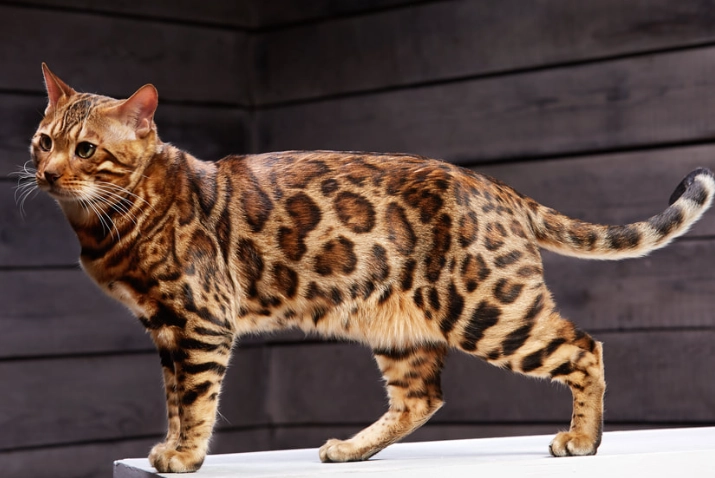
Beyond the Beautiful Coat: Genetic Health Concerns You Must Screen For
This is where the conversation gets serious, and where responsible ownership separates from impulse buying. Due to the breed's relatively recent development and limited gene pool, Bengals are predisposed to certain hereditary conditions. A reputable breeder will screen for these; a backyard breeder or accidental litter likely will not.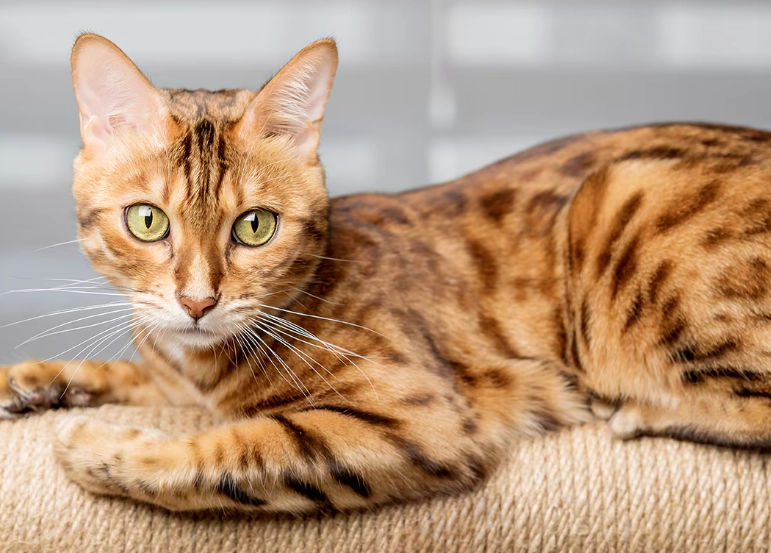
The two big ones you need to know about:
Hypertrophic Cardiomyopathy (HCM)
This is a thickening of the heart muscle and is the most common heart disease in cats, with a known genetic link in Bengals. It can lead to heart failure, blood clots, or sudden death. The scary part? Cats are masters at hiding illness until it's advanced.
What you must do: Any Bengal kitten you consider should come from parents who have been screened annually via echocardiogram (an ultrasound of the heart) by a veterinary cardiologist and are certified clear. The International Cat Association (TICA) and other registries maintain databases. Don't just take a breeder's word for it; ask to see the actual reports. Plan to have your own cat screened regularly, starting around 1 year old. This isn't optional.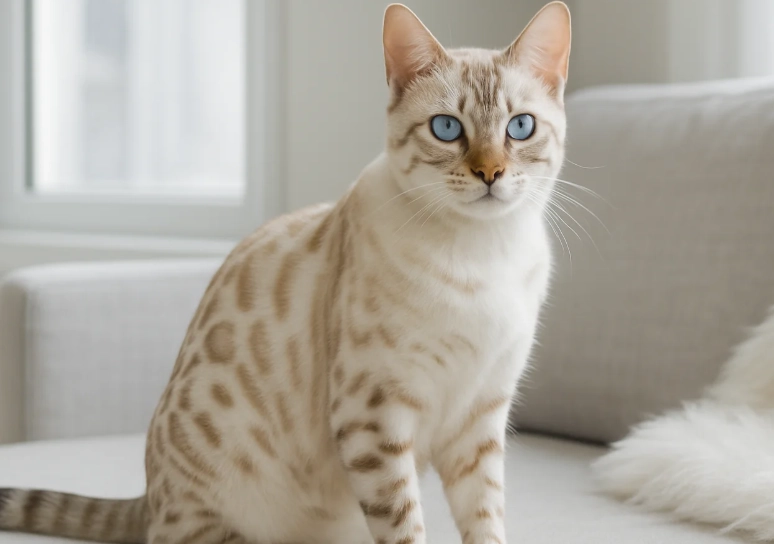
Pyruvate Kinase Deficiency (PK-Def)
This is a heritable anemia where a missing enzyme causes red blood cells to break down prematurely. Symptoms can range from mild lethargy to severe, life-threatening anemia. The good news is it's easy to test for via a simple DNA swab.
What you must do: Ensure both parent cats are tested and are either clear or carriers (responsible breeders will only breed a carrier to a clear cat, never two carriers). Your kitten should come with a PK-Def DNA test result stating they are clear.
The Real Price Tag: Financial and Lifestyle Costs
The initial purchase price from an ethical breeder—often $1,500 to $3,000 or more—is just the down payment. The real cost of a Bengal is in the lifetime of specialized care they require. This is a luxury pet in the truest sense.
Let's break down the ongoing budget most people don't calculate: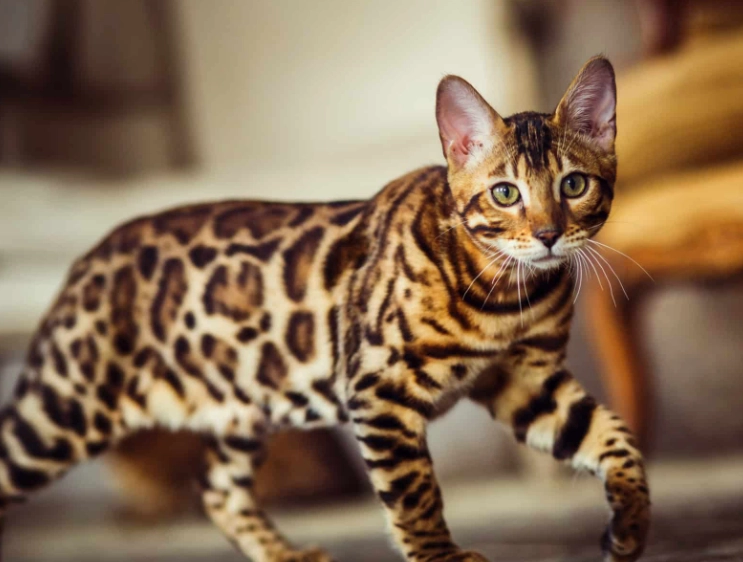
- Premium Food: That sensitive stomach and high metabolism mean cheap kibble is a no-go. You're looking at high-protein, often grain-free wet food or a raw diet. Budget $60-$100 per month, easily.
- Pet Insurance: Given the risk of HCM and their adventurous (injury-prone) nature, insurance is almost mandatory. For a Bengal, a good plan can cost $40-$70 per month. Without it, a single cardiac event or blockage surgery can cost $5,000-$10,000.
- Environmental Enrichment: Flimsy toys and a $50 cat tree won't cut it. You need heavy-duty, tall climbing structures (think $200+), a variety of interactive puzzle toys, sturdy scratching posts on every floor, and likely window perches or cat shelves. These items wear out faster because they're used so intensely.
- Specialist Vet Care: Those recommended cardiac screenings? An echocardiogram can cost $400-$600 each time. The DNA tests, while a one-time cost, are an added initial expense.
- Lifestyle Cost: Can you travel spontaneously? Not easily. Finding a cat sitter who understands a Bengal's needs (it's not just topping up food) is hard and expensive. They may not do well as solitary pets, leading some to recommend getting two, which doubles many costs.
I knew an owner who had to replace the entire backing of their expensive fabric headboard—twice—because the Bengal used it as a climbing wall. Another spent hundreds on a behaviorist to curb obsessive water play. These aren't freak incidents; they're par for the course.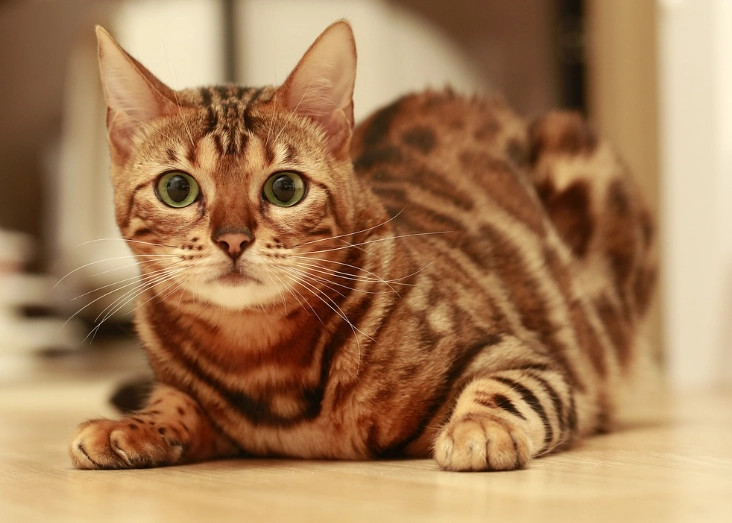
Your Burning Bengal Questions Answered
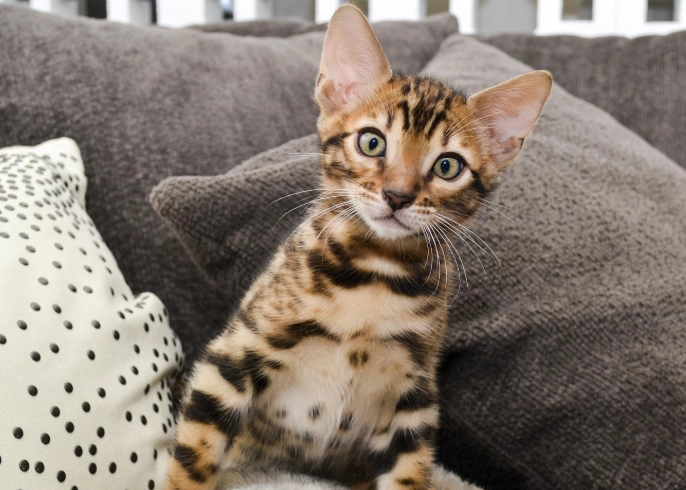
So, what's the disadvantage of a Bengal cat? It's a cascade. It's the time disadvantage—they need hours of your attention weekly. It's the financial disadvantage—they are a significant, ongoing expense. It's the lifestyle disadvantage—your home and schedule must adapt to them. And it's the emotional risk—facing potential serious health issues down the line.
If you've read this far and are now thinking, "Wow, that sounds like too much," then this article has done its job. You've likely saved a cat from a stressful rehoming and yourself from heartache.
But if you're thinking, "I have the time, the stable income, the patience for training, and a home I can turn into a feline adventure gym," then you might just be the rare owner a Bengal truly needs. For the right person, navigating these disadvantages is part of the rewarding challenge of living with a tiny, spotted piece of the wild.