Explore This Guide
- From Russian Fairy Tales to Your Living Room: A History Built on Survival
- What Does a Siberian Cat Actually Look Like? Breaking Down the 'Forest Cat' Look
- Siberian vs. Other Fluffy Giants: A Quick Comparison
- The Siberian Personality: Think of a Dog in a Cat's Body (Really)
- Living with the Floof: A Realistic Care Guide
- Health and Lifespan: What to Expect from a Hardy Breed
- The Million-Dollar Question: Are Siberian Cats Really Hypoallergenic?
- Finding Your Siberian: Breeder, Rescue, and Costs
- Your Siberian Cat Questions, Answered
- Final Thoughts: Is a Siberian Cat the Right Cat for You?
Let's be honest, you're probably here because you heard a rumor. A whisper in the online cat forums or a hopeful comment from a friend with allergies. The rumor goes like this: there's a magical, fluffy cat from the frozen forests of Russia that doesn't make people sneeze. A hypoallergenic cat. And its name is the Siberian.
Well, I'm here to talk you through that rumor, separate the frosty fact from the fiction, and give you the real, unfiltered picture of what living with a Siberian cat is actually like. Because I've done it. It's not all Instagram-perfect cuddles in front of a fireplace (though there's plenty of that). It's also hair. So much hair. And a personality bigger than most dogs I've known.
The term "siberian cat cats" pops up in searches all the time, and it tells me people aren't just looking for a breed standard. They're looking for the real, lived experience. They want to know about the fur, the personality, the chaos, and the joy. They want to know if the allergy claims hold water before they get their hopes up. That's exactly what we're going to cover.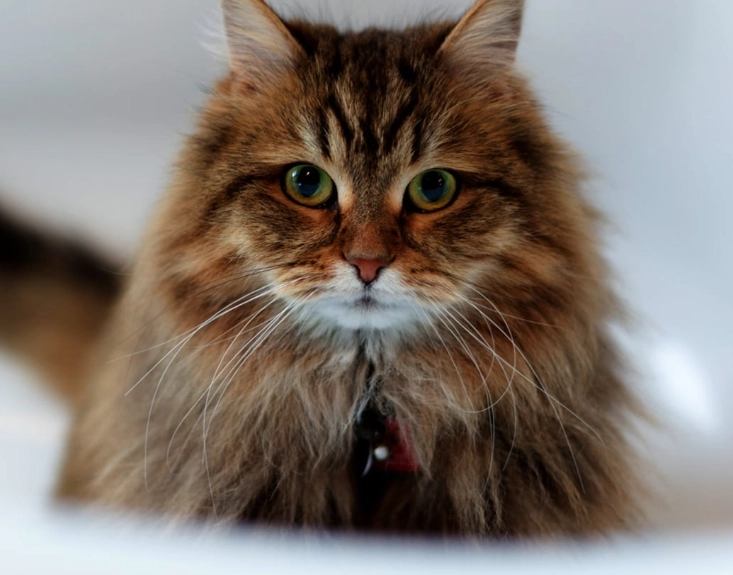
The Core Truth: Siberian cats are a natural breed, meaning they developed over centuries in the harsh climate of Siberia without much human meddling. They're built for survival, which gives them a robust health profile and a triple-layered coat that's a marvel of nature. Their reputation for being lower in the Fel d 1 allergen protein isn't just a marketing gimmick—it's backed by preliminary studies and a mountain of anecdotal evidence from allergy sufferers. But, and this is a big but, no cat is 100% hypoallergenic.
From Russian Fairy Tales to Your Living Room: A History Built on Survival
You can't understand the Siberian without understanding where it came from. This isn't a breed cooked up in a lab or selectively bred for a flat face or curly fur. Think of them as the rugged, self-sufficient homesteaders of the cat world. For possibly over a thousand years, these cats toughed it out in the Russian wilderness. Their job? To protect grain stores from rodents in villages and monasteries. They were working cats, valued for their brawn and brains, not just their looks.
This history is written all over them. That famously dense, water-resistant coat? That was their parka against -30°C winters. Their powerful, muscular build? Essential for leaping through snow and tackling prey. There's even a charming theory that their long fur around the neck (the ruff) and britches (fur on the hind legs) evolved to protect them from freezing while they crouched in the snow waiting for a mouse. Makes sense to me.
They're woven into Russian folklore. You'll sometimes hear them called the "national cat" of Russia. It wasn't until the Cold War thawed a bit that they started appearing in the West, with the first Siberian cats arriving in the United States in 1990. Major cat registries like The International Cat Association (TICA) and the Cat Fanciers' Association (CFA) now recognize them, which gives you a reliable standard to reference if you're looking for a reputable breeder.
When I first read about their history, it clicked why my Siberian, Misha, is so obsessed with water. I mean, he'll sit in the sink and wait for the tap. His ancestors probably had to break through ice to drink. That survival instinct is still in there somewhere, underneath all the floof and the demand for chin scratches.
What Does a Siberian Cat Actually Look Like? Breaking Down the "Forest Cat" Look
Forget dainty. Think substantial. A mature Siberian is a study in powerful, rounded curves. They're a slow-maturing breed, often not reaching their full physical prime until they're around five years old. Females typically weigh 8-12 pounds, while males can be real bruisers at 12-18 pounds or even more. It's a solid, muscular weight, not flab.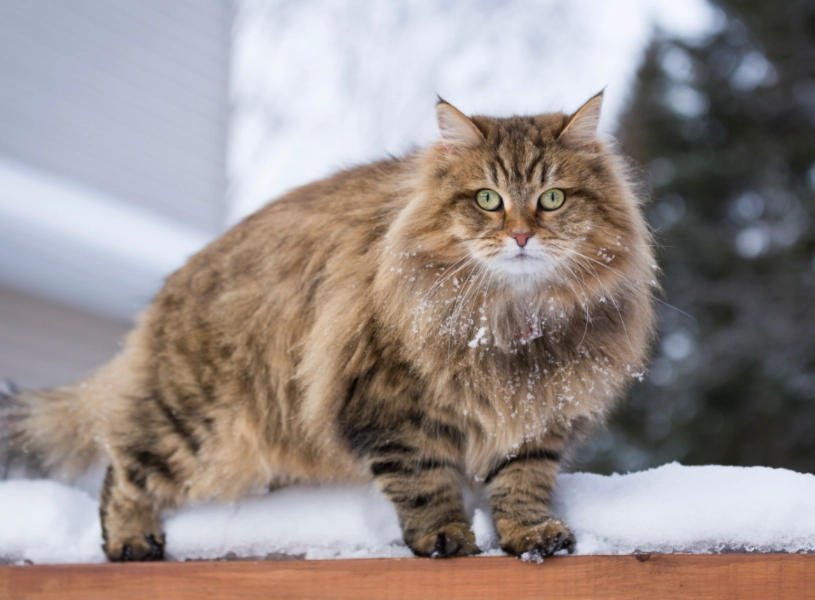
The coat is the main event. It's a triple-layer defense system designed by Mother Nature herself:
- Guard Hairs: The long, glossy topcoat that sheds water and dirt.
- Awn Hairs: The middle layer that provides insulation.
- Downy Undercoat: The soft, dense, woolly layer closest to the skin that traps body heat.
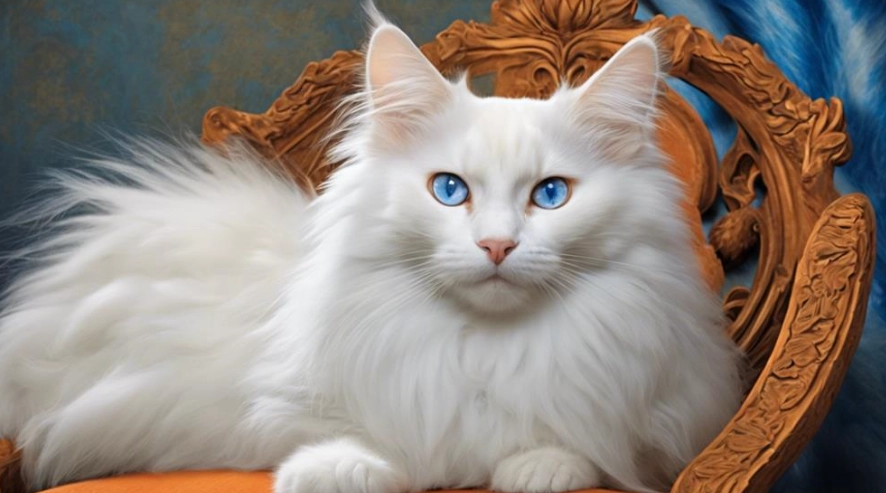
This coat comes in virtually every color and pattern imaginable—classic tabby, solid, tortoiseshell, colorpoint (like a Siamese). The eyes are large, round, and expressive, usually in shades of green, gold, or copper. Blue eyes are possible in colorpoint Siberians.
Siberian vs. Other Fluffy Giants: A Quick Comparison
People often mix up large, long-haired breeds. Here’s how to tell the Siberian apart from its cousins.
| Breed | Key Distinguishing Features | Build & Feel | Coat Texture |
|---|---|---|---|
| Siberian Cat | Rounded contours, barrel-shaped body, full ruff & britches. Very dense triple coat. | Substantial, muscular, surprisingly heavy for size. | Varies seasonally. Can feel oily/resistant. |
| Maine Coon | Rectangular body, square muzzle, prominent ear tufts (lynx tips). | Long-boned, rectangular, tail as long as body. | Silky, shaggy, uneven length. Less dense undercoat. |
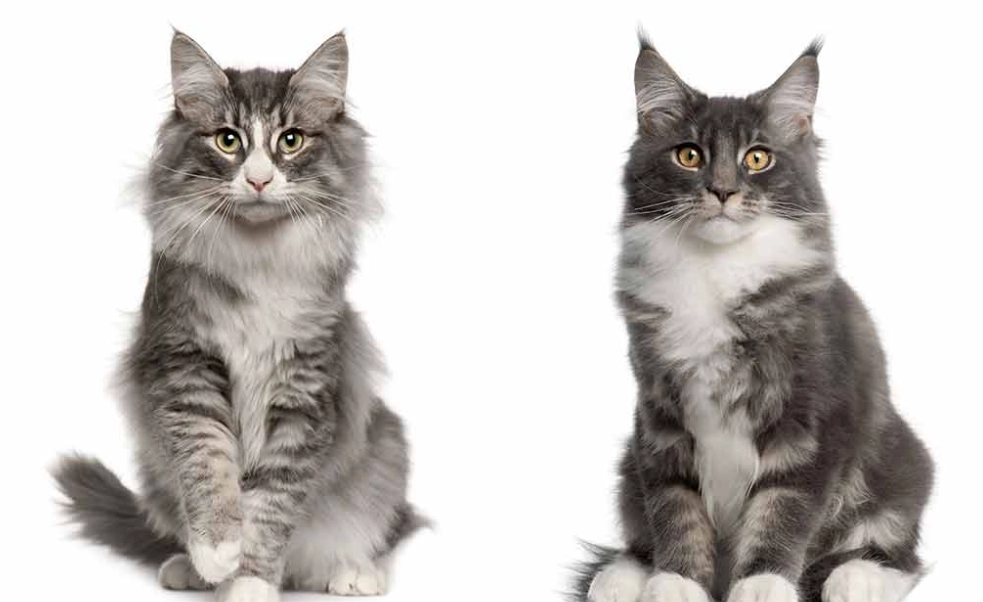
| Norwegian Forest Cat | Triangular face, straight profile, coat lies flat along the back. | Moderately long-legged, athletic. | Very long, glossy guard hairs with woolly undercoat. Water-shedding. |
See the difference? It's in the shape.
The Siberian Personality: Think of a Dog in a Cat's Body (Really)
This is where Siberian cats truly steal hearts. If you want an aloof, decorative pet that ignores you, look elsewhere. Siberians are famously people-oriented. They form deep, loyal bonds with their families. They'll follow you from room to room, not in a needy way, but in a "I'm supervising your activities" kind of way. Mine is my shadow.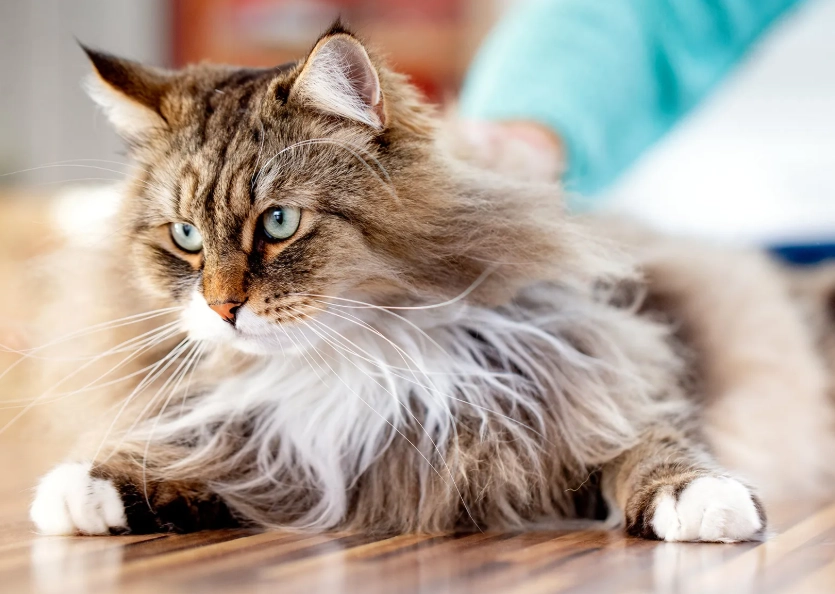
They are incredibly intelligent and playful, often retaining a kitten-like curiosity well into adulthood. Fetch? Many Siberians love it. Walking on a harness? It's been done. They learn their names, they understand routines, and they can figure out how to open cabinets and doors if they're motivated enough (usually by food). This intelligence means they need engagement. Puzzle toys are a must.
Despite their size and wild background, their temperament is typically described as remarkably calm, gentle, and confident. They're known for being excellent with children, other cats, and even cat-friendly dogs. Their voices are usually soft and chirpy, not loud and demanding. They're more likely to greet you at the door with a quiet trill than a yowl.
Living with the Floof: A Realistic Care Guide
Okay, let's get practical. What does it actually take to keep one of these forest creatures happy and healthy in a modern home?
The Siberian Cat Care Checklist
- Grooming: This is non-negotiable. That glorious coat mats if neglected. During most of the year, a thorough brushing 2-3 times a week is enough. But be ready for the "blow." In spring (and sometimes fall), they shed their entire undercoat. During this time, daily brushing is a must unless you want tumbleweeds of fur rolling through your house. I use a metal comb and a slicker brush. Bathing? Surprisingly, many Siberians tolerate or even enjoy water. A bath every few months during heavy sheds can help pull out the loose undercoat.
- Diet: They are robust cats with good appetites. Feed a high-quality diet rich in protein. Because they are muscular and active, they can handle the calories, but monitor their weight. Portion control is smarter than free-feeding.
- Exercise & Enrichment: A tall, sturdy cat tree is a must—they love to climb and survey their kingdom. Interactive toys, puzzle feeders, and regular play sessions (think wand toys) are essential to keep their minds and bodies sharp. A bored Siberian is not a happy Siberian.
- Litter Box: Get a big one. They are large cats and appreciate space. Keep it scrupulously clean.
- Vet Care: As with any purebred, find a vet familiar with the breed. They are generally healthy, but reputable breeders screen for specific issues (see below).
Health and Lifespan: What to Expect from a Hardy Breed
One of the biggest advantages of a natural breed like the Siberian is genetic diversity. They haven't been inbred to the point of having a long list of severe congenital problems. They are considered a very healthy, hardy breed. A well-cared-for Siberian can easily live 12 to 15 years or more.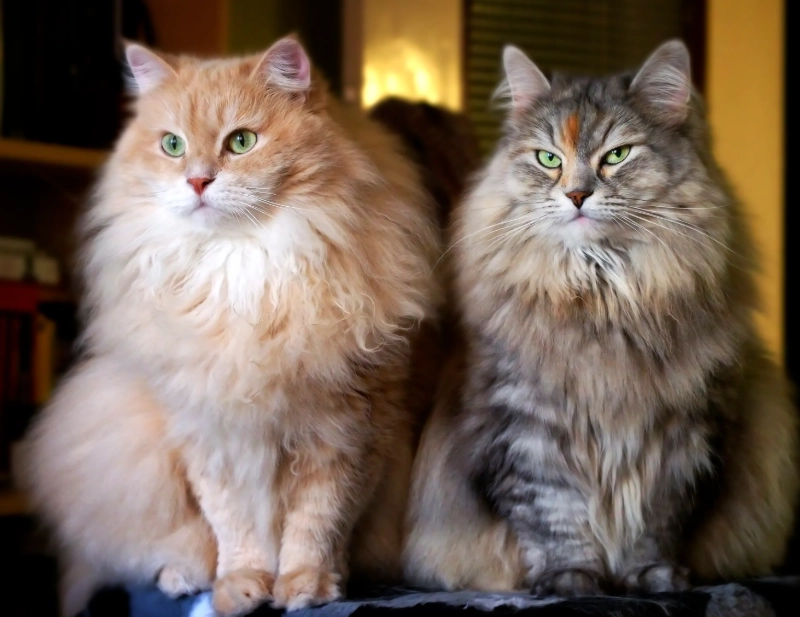
That said, no breed is immune to everything. Responsible breeders will screen their breeding cats for the following:
- Hypertrophic Cardiomyopathy (HCM): This is a form of heart disease that affects many cat breeds. Reputable Siberian breeders will have their cats' hearts scanned regularly by a veterinary cardiologist. Ask to see these records.
- Polycystic Kidney Disease (PKD): While more common in Persians, it can appear in any breed. DNA testing is available and good breeders test for it.
The bottom line? Health testing from the breeder is your first and best line of defense. It's not a guarantee, but it drastically reduces your risk.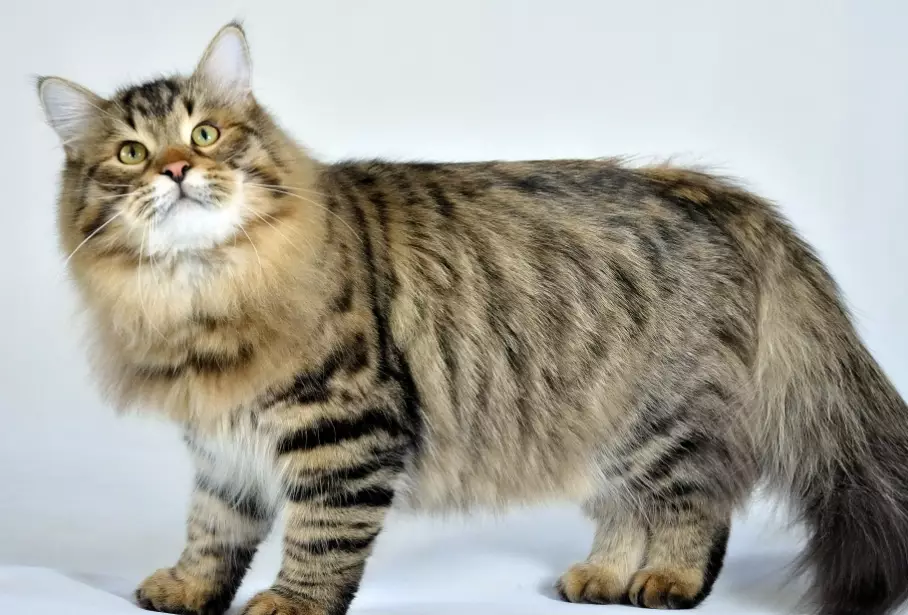
The Million-Dollar Question: Are Siberian Cats Really Hypoallergenic?
This is the #1 reason people search for "siberian cat cats". Let's get into the science, because it's fascinating.
Most cat allergies are caused by a protein called Fel d 1, produced in a cat's saliva, skin, and sebaceous glands. When the cat grooms, the saliva dries on the fur and becomes airborne. The popular myth is that Siberians are "hypoallergenic" because they have "no" or "low" Fel d 1.
The more accurate statement is that some Siberians appear to produce lower levels of the Fel d 1 protein. A small, informal study (often cited but not definitively conclusive) suggested this might be the case. The real-world evidence is overwhelming from allergy sufferers who react terribly to other cats but can live comfortably with a Siberian.
Why might this be? One theory is that their triple coat traps the allergen close to the skin, rather than letting it shed freely into the environment. Another is simple genetic variation. Levels of Fel d 1 can vary between individual cats, even within the same litter.
My partner is mildly allergic to most cats. Her eyes would get puffy and itchy. When we got Misha, we were braced for the worst. The first few weeks, there was a slight adjustment period—a bit of sniffles. But within a month, her symptoms vanished completely. Now she can bury her face in his fur with no issues. I'm not saying this is everyone's experience, but it's a very common story.
The critical takeaway:
There is no guarantee. If you have severe, life-threatening allergies, a Siberian cat is not a magic cure. The only way to know for sure is to spend extended time with the specific cat you're considering. Any ethical breeder worth their salt will allow multiple visits or even a trial period for this exact reason. It's the single most important step you can take.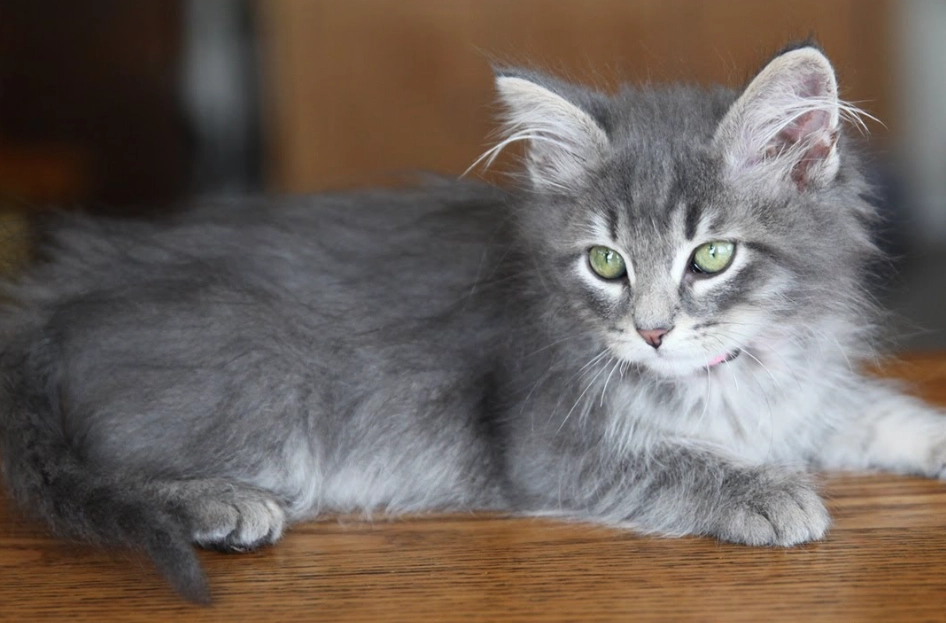
Finding Your Siberian: Breeder, Rescue, and Costs
This is where you need to be patient and do your homework.
Reputable Breeders: Expect to be on a waitlist. Good breeders don't have kittens available every month. They will interview you as much as you interview them. They will:
- Show you the kittens' parents and their living conditions.
- Provide detailed health records for the parents (HCM scans, PKD tests).
- Be registered with TICA or CFA.
- Ask you to spay/neuter unless you are buying for a breeding program (which they will vet rigorously).
- Have a contract outlining their health guarantee and a clause requiring you to return the cat to them if you can't keep it.
A Siberian kitten from a good breeder typically costs between $1,200 and $2,500+ in the US, depending on lineage, location, and color.
Rescue: Yes, purebred Siberians do end up in rescue! Check with breed-specific rescues like Siberian Rescue, Inc. or keep an eye on Petfinder and local shelters. Adopting an adult cat has huge advantages—you know their exact personality and often their allergy status.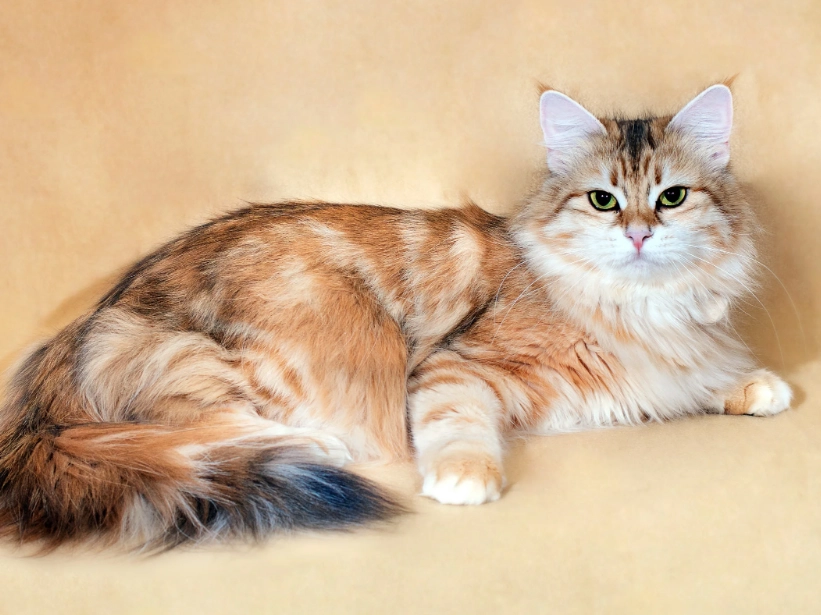
Your Siberian Cat Questions, Answered
Final Thoughts: Is a Siberian Cat the Right Cat for You?
Look, I adore my Siberian. He's a gentle giant, a constant comforting presence, and endlessly entertaining. But I'm not going to sell you a fairy tale.
Choosing a Siberian cat means choosing a significant grooming commitment. It means having a home where a large, active, intelligent creature can thrive. It means understanding that the "hypoallergenic" label is a hopeful possibility, not a scientific guarantee.
If you're willing to put in the work, what you get in return is extraordinary.
You get a loyal, dog-like companion wrapped in the softest, most magnificent fur coat imaginable. You get a quiet, chirping voice greeting you every day. You get a living piece of history from the Russian forests, now content to rule your living room. For the right person or family, a Siberian cat isn't just a pet; it's a heart-stealing, fur-shedding, utterly wonderful member of the family.
Do your research. Visit breeders. Meet the cats. See how you react. If it clicks, you'll know. And you might just find your own perfect, fluffy forest spirit.