Let's cut to the chase. Is a Bengal cat a good house pet? For the right person, it's an exhilarating, rewarding, and endlessly entertaining partnership. For someone wanting a decorative lap cat that sleeps 18 hours a day, it would be an absolute nightmare. The answer isn't a simple yes or no; it's a "yes, if." If you understand their needs, respect their intelligence, and are prepared for a pet that acts more like a furry toddler with the curiosity of a monkey and the energy of a squirrel. I've lived with Bengals for over a decade, and while I adore them, I've also had my curtains shredded and learned the hard way that no counter is truly "off-limits." This guide isn't just a list of traits—it's a reality check.
In This Article: What You'll Discover
The Unfiltered Bengal Reality: Beyond the Spots
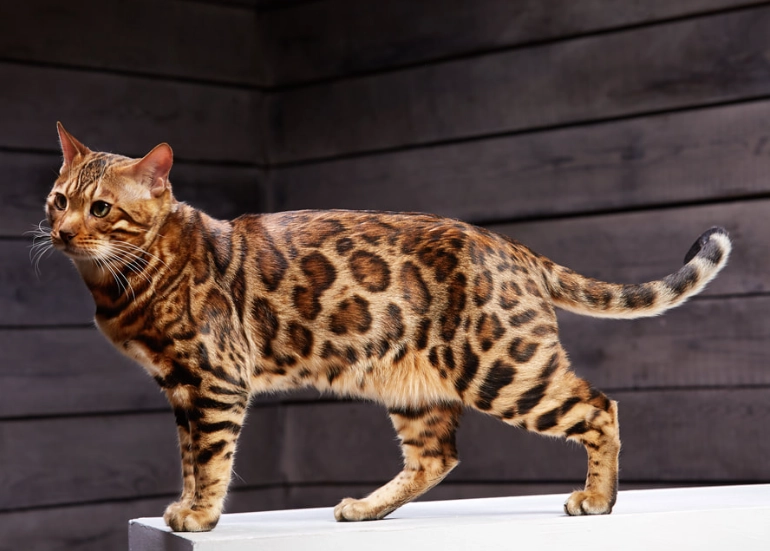
Everyone sees the leopard-like coat. That's the hook. But the engine under that beautiful hood is what matters. Bengals are a hybrid breed, originally from crossing domestic cats with the Asian leopard cat. That wild ancestry isn't just for looks; it codes for a specific set of behaviors.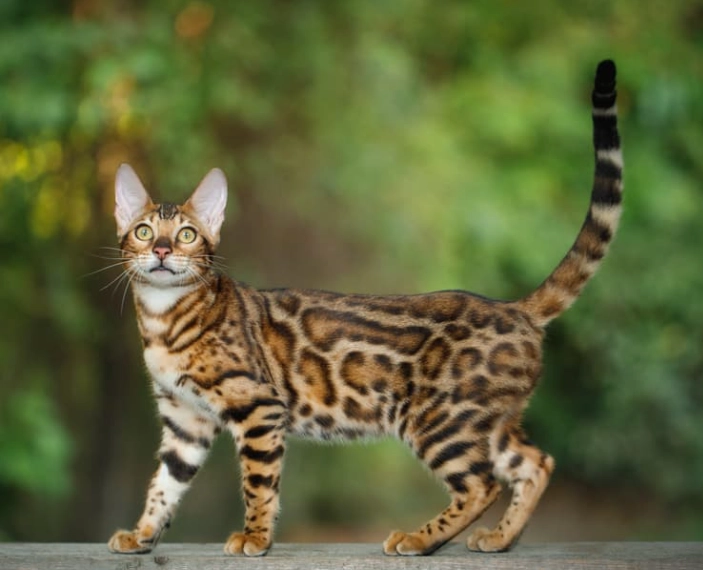
They are profoundly intelligent. This isn't just "they can learn tricks." They figure things out. I've watched mine learn to open lever-style door handles by watching me. They understand cause and effect. This intelligence demands an outlet. Without it, they create their own fun, which you won't appreciate.
Their energy is cyclical, not constant. They don't pace all day. They have intense bursts of "zoomies" or focused play, followed by deep, comical sleep. The problem is that burst can happen at 3 AM if you haven't properly tired them out before bed.
And then there's the voice. Not all Bengals are hugely vocal, but many have a unique, raspy chirp or meow. They talk to you. They comment on their day. It's endearing until you're on an important call and they have urgent opinions about an empty food bowl.
| The Bright Side (The Pros) | The Reality Check (The Cons) | ||
|---|---|---|---|
| Stunning & Hypoallergenic-ish Their pelt-like, short fur sheds minimally. Many people with mild cat allergies tolerate Bengals better, though no cat is truly hypoallergenic. |
Dog-Like Loyalty & Play They form deep bonds, follow you around, and many love playing fetch. It's interactive companionship. |
Demands Engagement They need active play, not just passive toys. A bored Bengal will find destructive ways to entertain itself. |
High Prey Drive |
| Highly Trainable With positive reinforcement (clicker training works wonders), they can learn commands, tricks, and even walk on a harness. |
Fascinating to Watch Their behavior is complex and entertaining. They love water, may "help" you shower, and have quirky habits. |
Can Be Destructive Clawing furniture, knocking items off shelves, and counter-surfing are common without proper outlets and training. |
Expensive & Ethical Sourcing Reputable breeders charge $1,500-$3,000+. Backyard breeders and scams are rampant. Adoption is rare but possible through breed-specific rescues. |
Is Your Home the Right Home for a Bengal?
Let's picture the ideal scenario. You live in a spacious apartment or house with room for a tall, multi-platform cat tree—think floor-to-ceiling. You have shelves you can dedicate as "cat highways" along the walls. You work from home or have a flexible schedule, or you're prepared to dedicate serious morning and evening play sessions. You enjoy an active, interactive pet relationship. You're patient, consistent with training, and don't mind a little chaos. You also have a budget for premium food, sturdy toys, and pet insurance.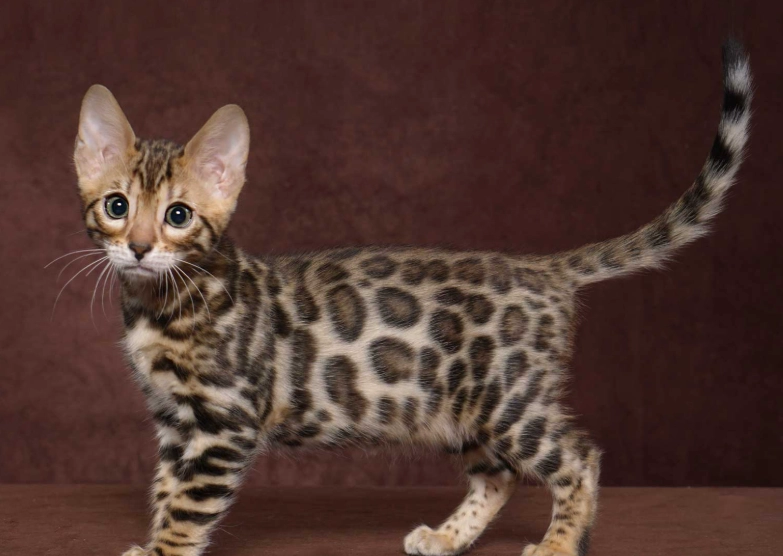
This is the environment where a Bengal thrives. It becomes a harmonious, stimulating partnership. The cat has its territory and job (play, explore, solve puzzles), and you get a breathtakingly beautiful and engaging companion.
When a Bengal Cat Is Probably a Bad Idea
Now, the mismatches. A Bengal is likely a poor choice if:
- You are gone for 10+ hours a day with no one to interact with them.
- You have a pristine, minimalist home where you can't tolerate things being knocked over or moved.
- Your prized possessions are fragile knick-knacks on open shelves.
- You want a low-maintenance pet that mostly cuddles and sleeps.
- You have very young children who might not understand gentle play, or you have existing small, prey-sized pets.
- You are on a tight budget. The initial cost is just the start.
I've seen too many Bengals rehomed because people fell for the spots and weren't prepared for the personality. It's heartbreaking and avoidable.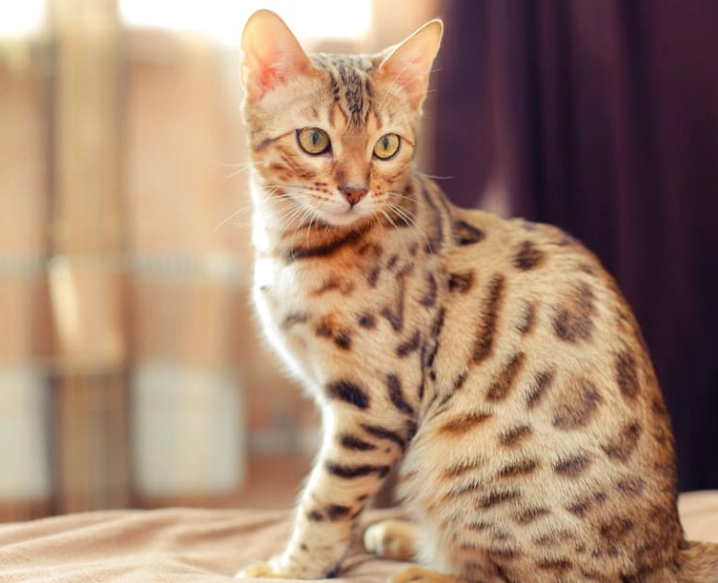
Making It Work: The Bengal Owner's Survival Kit
So you've read the warnings and you're still interested. Good. Here's how to set everyone up for success.
Environmental Enrichment: Non-Negotiable
Think of your home as a Bengal amusement park.
- Vertical Space: Cat trees, wall shelves, window perches. Height equals security and entertainment.
- Water Features: A cat water fountain is a must. Some Bengals will play in dripping taps or even join you in the shower.
- Puzzle Feeders: Ditch the food bowl. Use puzzle balls, snuffle mats, or DIY food-dispensing toys to make mealtime a brain game.
- Secure Outdoor Access: A catio (cat patio) is the gold standard. Harness training is a fantastic alternative for supervised exploration. The International Cat Association provides resources on responsible outdoor access for cats.
The Play Protocol
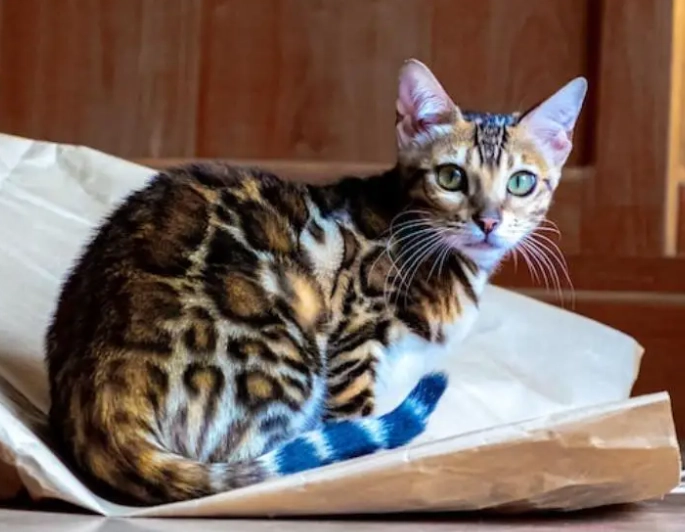
Daily interactive play is not optional. Use a wand toy to mimic prey—drag, dart, hide. Let them "catch" it sometimes to satisfy the drive. End with a treat or meal to simulate the hunt-eat-groom-sleep cycle. This 15-20 minute routine, especially before bed, can prevent the midnight crazies.
Training & Boundaries
You can't just say "no." You have to provide a "yes." Use clicker training to teach desired behaviors. If they scratch the sofa, redirect to a robust scratching post (sisal rope is best) and reward lavishly. Use double-sided tape or aluminum foil on counters to deter surfing, but also provide an approved high lookout spot nearby.
- Be registered with a major cat registry like TICA or CFA.
- Provide documented health screening for the parents (HCM, PRA).
- Ask you as many questions as you ask them.
- Not let kittens go home before 12-16 weeks of age.
- Have a contract that includes a health guarantee and requires you to return the cat to them if you can't keep it.
Health, Longevity, and the Real Budget
Bengals are generally robust, living 12-16 years. But be financially prepared.
- Initial Cost: $1,500 - $3,500+ from a good breeder.
- Startup: Premium cat tree ($200+), puzzle toys, fountain, high-quality carrier, premium litter boxes (get large ones).
- Monthly: High-protein, low-grain food ($50-$80). Litter, treats, toy replacement.
- Annual: Vet checkups, vaccines, preventatives. ($200-$400).
- Insurance/Emergency Fund: Pet insurance ($30-$60/month) or a dedicated savings fund with at least $2,000 is non-negotiable. A foreign body surgery (if they eat something they shouldn't) can cost $3,000-$5,000.
Your Bengal Questions, Answered Honestly
Are Bengal cats suitable for families with young children or other pets?
It's a spectrum. With older, cat-savvy kids who understand gentle play, Bengals can be fantastic, energetic playmates. With toddlers, the cat's quick movements and the child's unpredictable grabs can lead to stress and scratches for both parties. As for other pets, slow, scent-first introductions are key. Bengals often do well with confident, playful dogs. Another cat is possible, but requires careful management of resources (litter boxes, food stations, high perches) to avoid competition. Small animals like hamsters or birds are viewed as prey, full stop. It's an unsafe combination.
How much daily exercise and mental stimulation does a Bengal cat really need?
More than you think. The baseline is two dedicated 20-30 minute interactive play sessions per day. But it's not just about physical exertion. Mental fatigue is crucial. Rotate puzzle feeders, hide treats for foraging, teach new tricks (spin, high-five), and change up toys weekly to prevent boredom. A single, unchanging environment is their enemy. One of the best pieces of advice I got was to create a "play circuit" in the evening that ends with their dinner, mimicking a successful hunt. It dramatically improved our evenings.
Do Bengal cats have specific health problems I should budget for?
Yes, and a good breeder will be transparent about health testing. The big one is Hypertrophic Cardiomyopathy (HCM), a heart condition. Ask for proof that the kitten's parents have been screened annually with a cardiologist's ultrasound. Progressive Retinal Atrophy (PRA) is a degenerative eye disease. There's also a higher incidence of certain food sensitivities and digestive issues, which is why investing in a high-quality diet from the start can save vet bills later. "Bengal nose" (nasal depigmentation) is cosmetic and harmless. Never skip the pet insurance.
Is it true Bengal cats are more difficult to litter train?
This myth often stems from human error, not feline stubbornness. Bengals are fastidious. If they reject the litter box, it's a message. The most common culprits: a covered box (traps odor), scented litter (their sense of smell is strong), an unclean box, or a location they don't like (too noisy, too accessible to other pets). The fix? Provide at least one extra-large, uncovered box with a fine, unscented clumping litter. Clean it at least once, ideally twice, a day. Place it in a quiet, low-traffic corner. If problems persist, the first stop is always the vet to rule out a urinary tract infection.
So, are Bengal cats good house pets? They can be extraordinary pets—for the right household. They demand more time, money, and engagement than the average domestic cat. But in return, they offer a unique, vibrant, and deeply interactive companionship that is unlike any other. If you see their needs not as a burden but as an exciting challenge, and you're ready to build a home that caters to a tiny, spotted explorer, then the answer might just be a resounding yes.
Just go in with your eyes wide open. And maybe buy some extra scratchers.