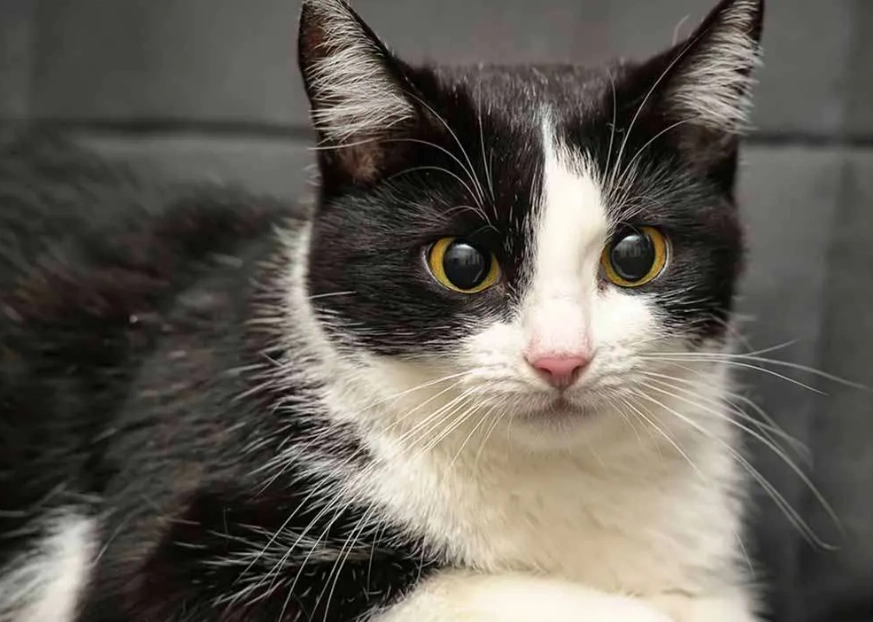
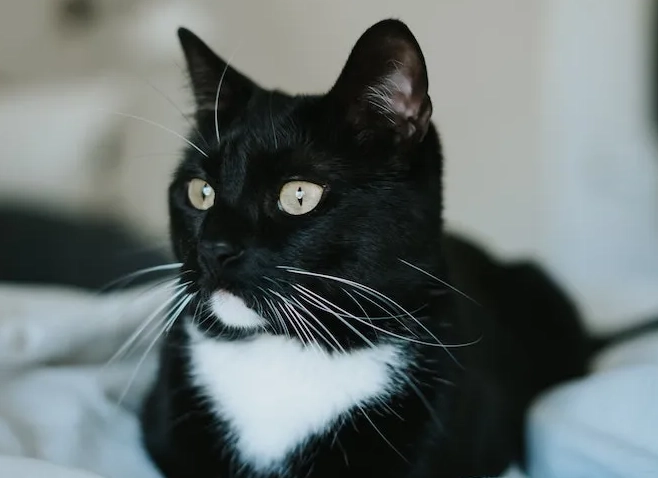
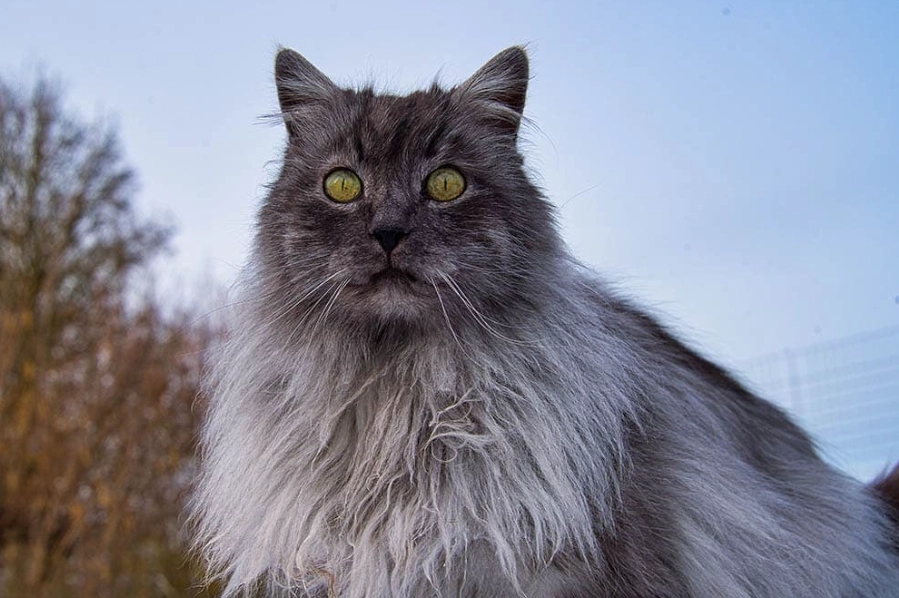
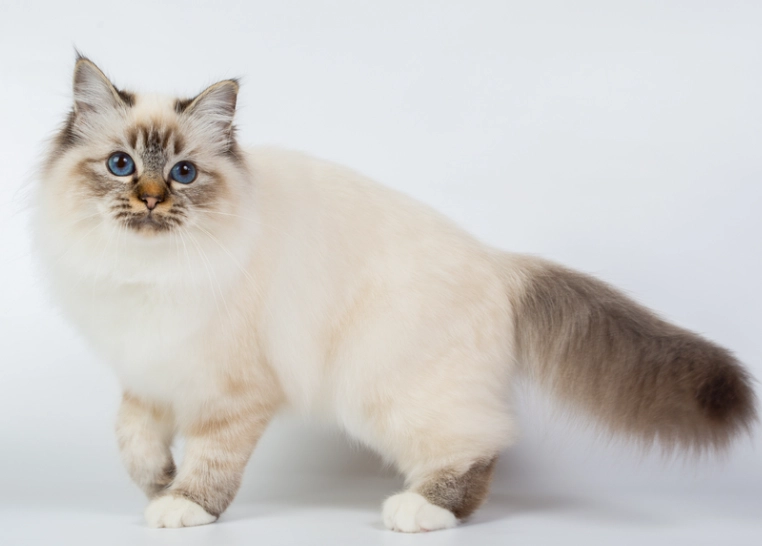
You see a stunning cat with fluffy fur and blue eyes. Is it a Ragdoll? Maybe. The internet is full of mislabeled photos, and even well-meaning shelters get it wrong. Identifying a true Ragdoll isn't just about ticking boxes for color; it's a combination of specific physical traits and a one-of-a-kind personality. Getting it right matters—whether you're verifying a breeder's claims, identifying a potential mix at a rescue, or just satisfying your own curiosity.
I've been around cats, Ragdolls included, for over a decade. The most common mistake I see? People focus solely on the coat and forget the structure and temperament. A cat can have long hair and blue eyes and still be a completely different breed.
Your Quick Guide to Spotting a Ragdoll
Why Getting the ID Right Actually Matters
It's not just pedantry. Correctly identifying a Ragdoll has real-world implications.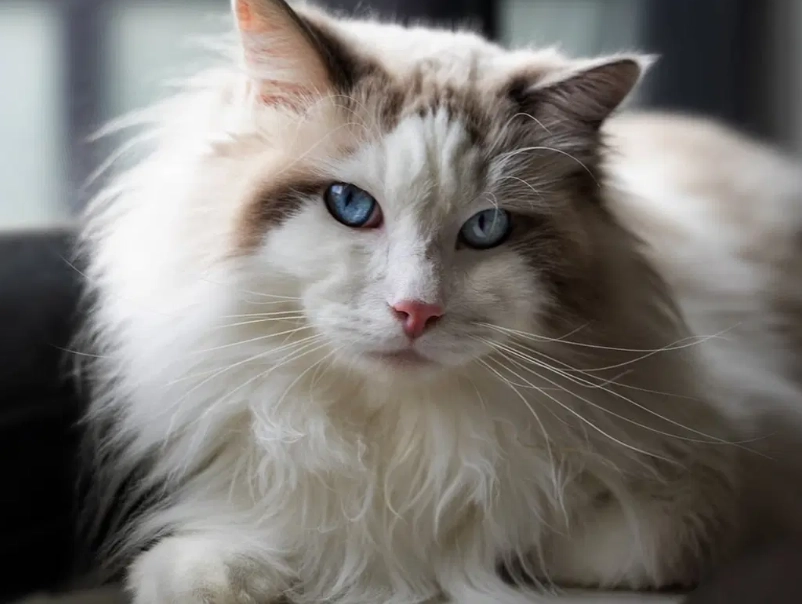
If you're buying from a breeder, paying a premium for a "Ragdoll" that's actually a mixed-breed or another lookalike is a significant financial loss. Purebred Ragdolls from ethical breeders come with predictable health screenings and temperament guarantees.
For adopters, shelters often label any semi-longhaired, blue-eyed cat as a "Ragdoll mix" to increase adoption chances. Knowing the true traits helps you understand what you're bringing home. That "Ragdoll mix" might have more Siberian or Maine Coon in it, which means a different energy level and grooming need.
Finally, understanding the breed standard helps you appreciate the cat in front of you. Is it a perfect example? A lovely mix? Just a beautiful domestic longhair? All are wonderful, but knowing the difference is key.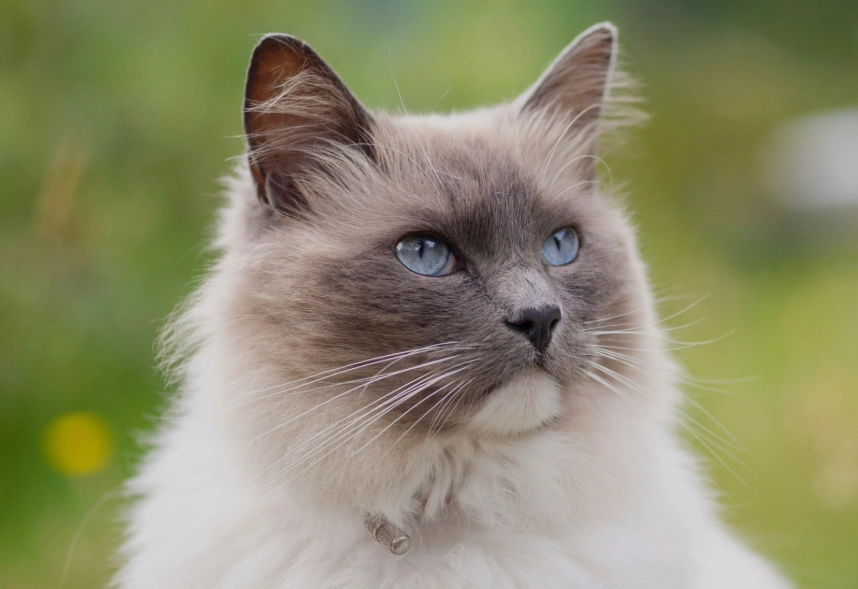
The Physical Checklist: Anatomy of a Ragdoll
Let's break down the official markers, referencing points from the Cat Fanciers' Association (CFA) breed standard. Think of this as a detective's guide.
1. The Eyes: Non-Negotiable Blue
This is the easiest and most definitive check. All Ragdolls have blue eyes. Not green-blue, not gold with a blue ring, not copper. Blue. The shade can range from a deep, vivid sapphire to a paler, almost icy blue. If the eyes aren't blue, it's not a Ragdoll, period. This trait is linked to the pointed gene that also dictates their coat pattern.
2. The Body: Substantial and Solid
Forget dainty. Ragdolls are large, heavy-boned cats. Males can weigh 15-20 pounds, females 10-15 pounds. They have a rectangular body—broad chest, solid midsection, and somewhat shorter legs. When you pick one up, they feel surprisingly heavy and solid, not lanky. They mature slowly, reaching full size around 4 years old.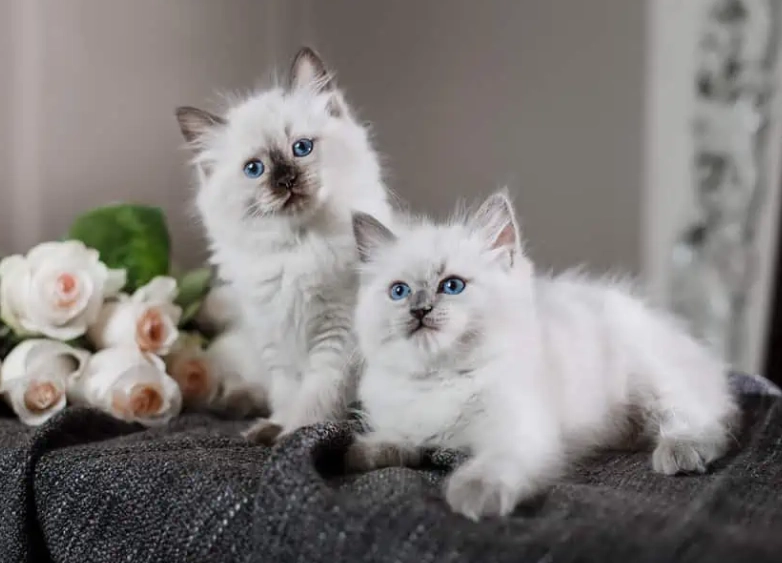
3. The Head: A Modified Wedge
The head forms a broad, modified wedge with a flat plane between the ears. The muzzle is rounded, not pointed. The cheeks are well-developed. Look for a gentle dip in the nose (often called a "nose break")—it's not a straight Roman nose like a Birman, but a soft curve.
4. The Coat: Silky, Not Woolly
This is a major point of confusion. The Ragdoll has a semi-long, silky-soft coat. It lies close to the body and flows. It lacks a dense, woolly undercoat, which is why they are often (mistakenly) said to shed less. The fur is longest around the neck (ruff) and on the tail (plume). The texture is paramount—it should feel like rabbit fur or silk, not cotton wool.
5. The Color & Pattern: Pointed Perfection
Ragdolls are always color-pointed, meaning their body is a lighter color than their extremities (points): ears, face mask, legs, and tail.
Recognized Point Colors: Seal, blue, chocolate, lilac, red, cream. These can be combined with lynx (tabby) patterns or tortoiseshell (".tortie").
Recognized Patterns:
- Colorpoint: Dark points, body clearly lighter. No white.
- Mitted: Like colorpoint, but with white paws on all four feet, a white chin, and often a white belly stripe. The white on the front paws should look like little mittens.
- Bicolor: The classic "Ragdoll look." Dark points, an inverted 'V' marking on the face, white paws, legs, belly, and chest. This is the pattern most people picture.
Kittens are born white and develop their points over the first few weeks. Their body color also darkens slightly with age and in colder climates.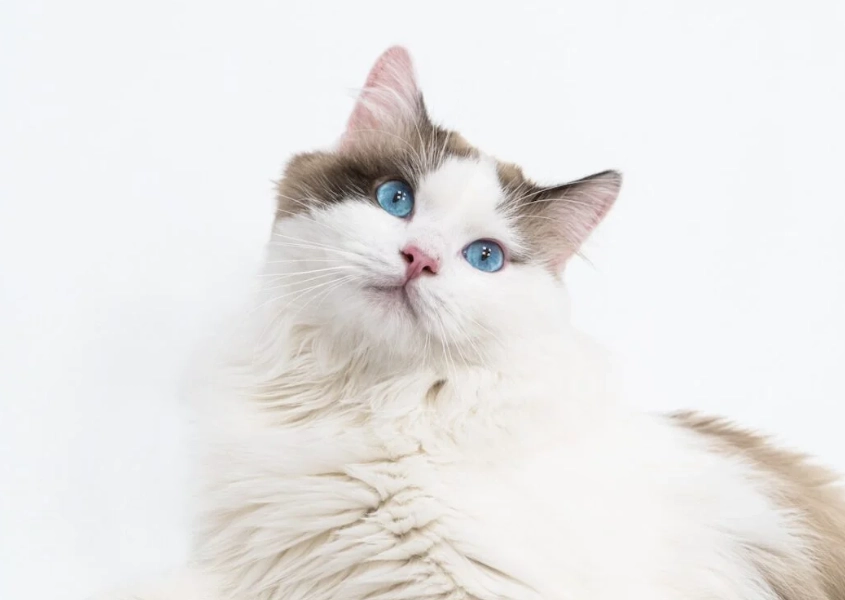
The Personality Signature: The "Flop" Test
The name "Ragdoll" comes from their famous tendency to go completely limp and relaxed when picked up. This is the single most distinctive behavioral trait. But it's more than just floppiness.
Ragdolls are famously docile, gentle, and people-oriented. They are not typically aloof or independent. They tend to follow their humans from room to room, greet you at the door, and are often described as "puppy-like." They are usually quiet, with soft voices, and are not known for being destructive or hyperactive. They thrive on companionship and can become lonely if left alone constantly.
This temperament is so breed-defining that if a cat matches all the physical traits but is skittish, aggressive, or fiercely independent, it's worth questioning its lineage.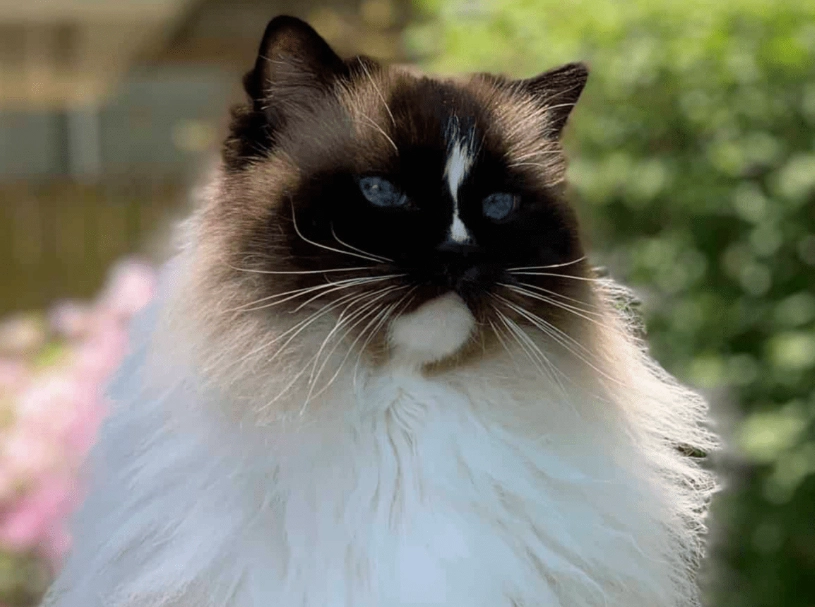
Common Identification Mistakes & The Lookalike Breakdown
This is where most people get tripped up. Here’s a quick comparison to separate Ragdolls from their doppelgängers.
| Trait | Ragdoll | Birman | Himalayan / Colorpoint Persian |
|---|---|---|---|
| Eyes | Blue only | Blue only | Blue only |
| Body Type | Large, rectangular, heavy-boned | Medium, stocky, less elongated | Cobby, stout, low to the ground |
| Paws | No white (Colorpoint), Mittens/Bicolor patterns | Pure white "gloves" on all four feet (key difference) | No white gloves |
| Nose | Gentle dip/curve | Roman nose (distinct bump) | Very short, snub nose |
| Coat Texture | Semi-long, silky, minimal undercoat | Medium-long, silky, some undercoat | Extremely long, thick, cottony undercoat |
| Personality | Floppy, relaxed, dog-like | Gentle, affectionate, slightly more active | Ultra-calm, sweet, Persian-like serenity |
The other common misidentification is with domestic longhair cats (moggies). Many beautiful DSH/DLH cats can have pointed coloring and blue eyes due to the recessive gene popping up. They won't have the specific bone structure, head shape, or consistent Ragdoll temperament.
I once met a cat labeled as a "Ragdoll" in a shelter. She was gorgeous, fluffy, and sweet. But her eyes were a pale gold-green, and she had a tiny, delicate bone structure. She was undoubtedly a stunning seal-point domestic longhair, not a Ragdoll. She was adopted in a heartbeat regardless.
The Ultimate "Is It a Ragdoll?" Checklist
Run through this list. A purebred Ragdoll should hit almost all of these points. A mix will show several, especially the temperament and eye color.
- Eyes: Are they unequivocally blue?
- Build: Is the cat large, heavy, and rectangular when viewed from the side?
- Coat Texture: Is the fur silky and flowing, not thick and woolly?
- Pattern: Is it a recognized point, mitted, or bicolor pattern?
- The Flop Test: Does the cat go limp and relaxed when held?
- Demandor: Does it follow you, greet you, and seek gentle interaction?
- Voice: Is it generally quiet with a soft meow?
If you checked most of these, especially the first and fifth, you're likely looking at a Ragdoll or a very strong mix.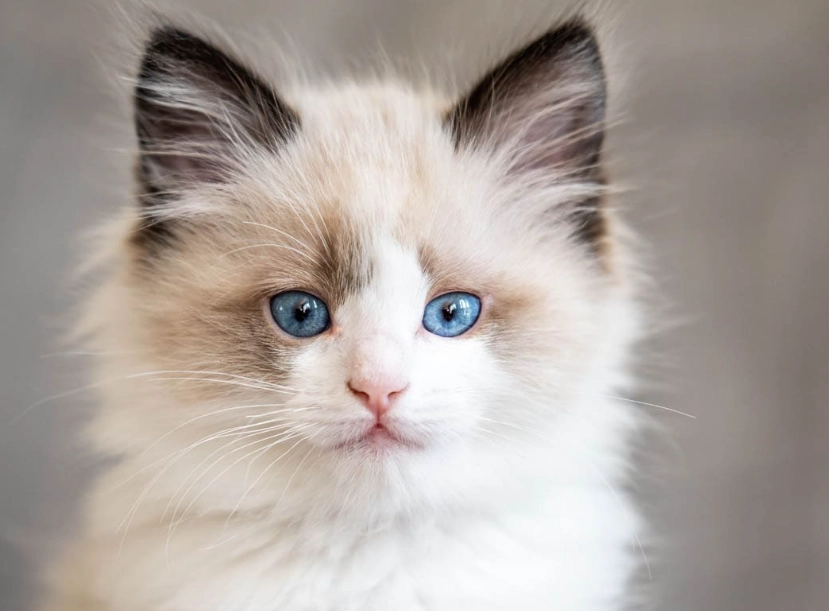
Your Ragdoll ID Questions Answered
Are Ragdoll cats' eyes always blue?
Do Ragdoll cats shed a lot?
What's the difference between a Ragdoll and a Birman cat?
How can I tell if a rescue cat is a Ragdoll mix?
Identifying a Ragdoll is a fun exercise in observation. It teaches you to look at the whole cat—its bones, its eyes, the feel of its fur, and, most importantly, its spirit. Whether you find a purebred champion or a lovable mix with that magical Ragdoll temperament, you're winning.