Quick Guide
- From Barn Cat to Global Star: A Quick History
- Beyond the Fold: Physical Traits and That Famous Personality
- The Elephant in the Room: Scottish Fold Cat Health
- A Day in the Life: Caring for Your Scottish Fold
- Finding a Scottish Fold Kitten: The Ethical Minefield
- Your Scottish Fold Cat Questions, Answered
- Final Thoughts: Is a Scottish Fold Cat Right for You?
So you've seen those adorable pictures. The round face, the big owl-like eyes, and of course, those unique folded ears that make them look perpetually curious or a little grumpy. The Scottish Fold cat is an internet sensation for a reason. But here's the thing I wish someone had told me before I fell head over heels for the look: owning one is a commitment that goes way beyond their photogenic qualities. It's about understanding the cat behind the ears.
I remember visiting a breeder years ago, captivated by a litter of kittens. They were tumbling over each other, their tiny folded ears giving them an otherworldly charm. But the breeder was brutally honest. She spent more time talking about joint health and vet checkups than she did about their cute habits. It stuck with me. This guide is that honest conversation. We'll dig into everything—the good, the challenging, and the absolutely essential—so you can decide if a Scottish Fold is the right fit for your life, not just your Instagram feed.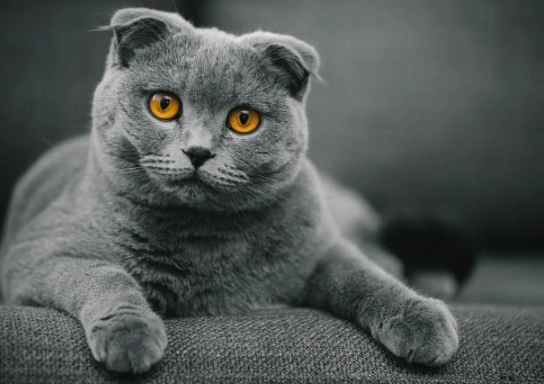
From Barn Cat to Global Star: A Quick History
It all started with a white barn cat named Susie. In 1961, on a farm in Perthshire, Scotland, a shepherd named William Ross noticed Susie had these unusual folded ears. He was intrigued. When Susie had kittens, some of them shared the same trait. Ross and his wife Mary, who were cat fanciers, acquired one of Susie's folded-ear kittens, a female named Snooks. And that was the beginning of the breed we know today.
The breeding program initially crossed these folded-ear cats with British Shorthairs and domestic cats. The unique fold is caused by an incomplete dominant gene. If a kitten inherits one copy of the gene, it will have folded ears. If it inherits two copies, the health problems can be severe (more on that critical point later). It's fascinating, but it's also the core of the breed's biggest controversy.
The breed gained recognition quickly but faced roadblocks. In the 1970s, Britain's Governing Council of the Cat Fancy (GCCF) stopped registering Scottish Folds due to concerns about ear mites and infections (from the tight folds) and the emerging understanding of the broader skeletal issues linked to the gene. It's a decision that remains in place today. However, the breed found enthusiastic acceptance in North America. The Cat Fanciers' Association (CFA) recognized the Scottish Fold in the 1970s, and its popularity has soared ever since. You can read about the breed standard and history on the CFA's official Scottish Fold page.
Beyond the Fold: Physical Traits and That Famous Personality
Let's talk about what you're really getting with a Scottish Fold cat. It's not a one-trick pony (or cat).
The Look: It's All About the Roundness
Sure, the ears are the headline act. They can range from a single loose fold to a tighter double or triple fold that makes the ear lie completely flat against the head. But look closer. Their bodies are medium-sized, rounded, and padded—they often feel more solid and dense than they look. They have a short, plush coat that comes in virtually every color and pattern imaginable. There's also a long-haired variety, sometimes called a Highland Fold, which is stunning.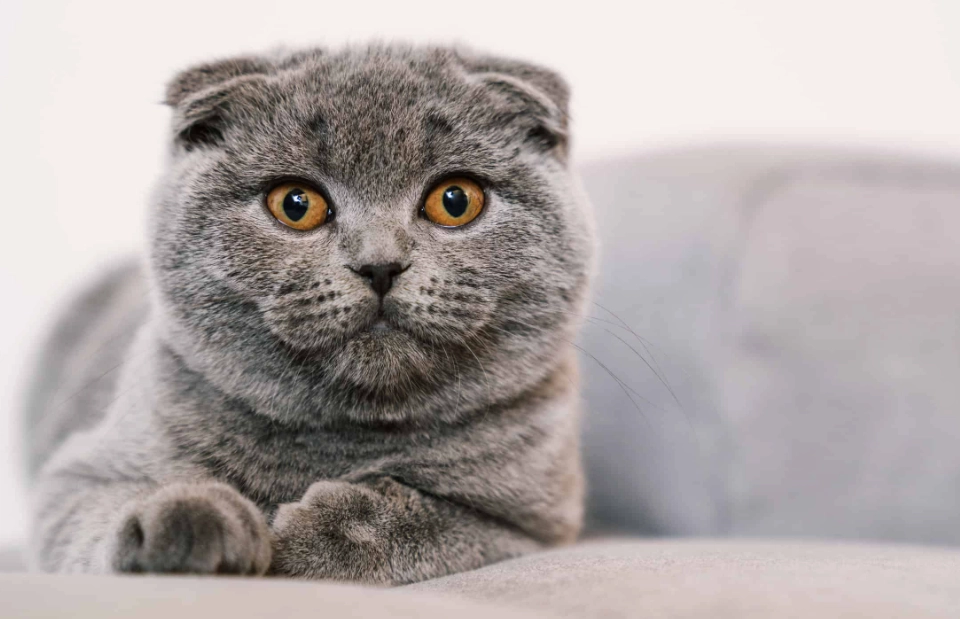
Their faces are wonderfully round, accentuated by those large, wide-open eyes. They have a sweet, almost perpetually surprised expression. It's a complete package of round, soft features that is incredibly appealing.
The Personality: The "Teddy Bear" Reputation is Real
This is where the Scottish Fold cat wins countless hearts. They are famously easygoing, gentle, and adaptable. They tend to form strong bonds with their families and are known for being good with children, dogs, and other cats. They're not typically hyperactive or overly vocal. You're more likely to get a soft chirp than a demanding meow.
They have quirky habits. Many Scottish Folds love to sit in a "Buddha position"—on their haunches with their paws on their belly. It's hilarious and cute. They also tend to be quite playful well into adulthood, enjoying interactive toys and puzzle feeders.
But are they lap cats? It depends. Many are affectionate and enjoy proximity, but they aren't always the clingy type that demands to be on you 24/7. They show their love through quiet companionship.
The Elephant in the Room: Scottish Fold Cat Health
We have to talk about this. It's the most important chapter. The gene that causes the cute ear fold is a cartilage mutation. The problem is, cartilage is found throughout the body, not just in the ears.
This mutation can lead to a condition called Osteochondrodysplasia. In simple terms, it's a developmental abnormality of the bones and cartilage. It can cause skeletal and joint issues, potentially leading to pain, stiffness, and arthritis, sometimes at a very young age. The severity is linked to how many copies of the fold gene the cat has.
What does this mean for a potential owner?
- Lifelong Vigilance: You must be alert for signs of pain: reluctance to jump, stiffness when getting up, lameness, an abnormal gait, or a suddenly irritable temperament.
- Vet Partnership is Key: You need a vet familiar with the breed. Regular checkups should include palpating the tail and limbs for stiffness and discussing joint health supplements early on.
- Weight Management is Non-Negotiable: Extra weight puts immense strain on potentially compromised joints. Keeping your Scottish Fold cat at a lean, healthy weight is the single most important thing you can do for their long-term comfort.
The debate is intense. Some veterinary associations and animal welfare groups argue that breeding for a trait that inherently causes health problems is unethical. Organizations like PDSA in the UK clearly outline these welfare concerns. It's a personal decision you have to make with open eyes.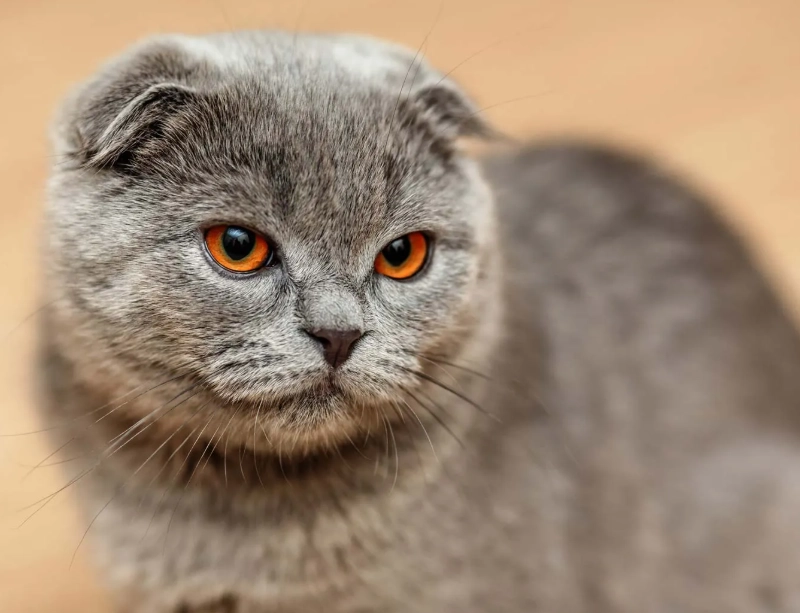
Other potential health issues include a higher propensity for Hypertrophic Cardiomyopathy (HCM, a heart disease) and Polycystic Kidney Disease (PKD), though these are not exclusive to the breed. Reputable breeders screen their breeding cats for these conditions.
A Day in the Life: Caring for Your Scottish Fold
Okay, let's get practical. If you've weighed everything and are moving forward, what does daily care look like?
Grooming Needs
Their short coat is low-maintenance. A weekly brush is usually plenty to remove loose hair and distribute skin oils. The long-haired variety needs brushing a few times a week to prevent mats.
The ears are the special part. Those tight folds can trap wax and moisture, creating a perfect environment for mites or infections. You need to check their ears weekly. Gently peek inside the fold. If you see dark buildup or notice an odor, it's time for a cleaning. Use a vet-recommended ear cleaner and a cotton ball—never a Q-tip deep in the ear canal. If you're unsure, ask your vet or groomer to show you how.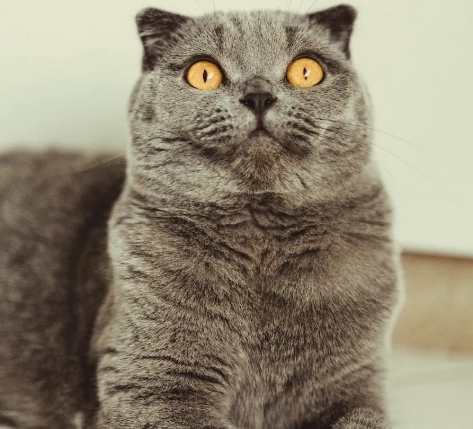
Nutrition and Diet
As mentioned, weight control is critical. Feed a high-quality, portion-controlled diet. Many owners find that a diet formulated for joint health or indoor cats works well. Since Scottish Folds aren't usually crazy high-energy, their calorie needs might be lower than you think.
| Life Stage | Diet Focus | Special Considerations for Scottish Folds |
|---|---|---|
| Kitten | High-protein for growth | Ensure food supports healthy bone development. Free-feeding is often okay at this stage. |
| Adult (1-7 years) | Weight maintenance, joint support | Switch to measured meals. Discuss glucosamine/chondroitin supplements with your vet. |
| Senior (7+ years) | Easy digestion, enhanced joint/mobility support | Softer food if dental issues arise. Pain management becomes a potential part of the conversation. |
Exercise and Environment
They need play to stay fit and mentally stimulated, but be mindful of their joints. Avoid encouraging very high jumps from tall furniture. Provide sturdy, low-to-the-ground cat trees with ramps or steps. Puzzle feeders are fantastic to make mealtime active and engaging.
Keep their litter box easily accessible—if they have sore joints, a high-sided box might be hard to climb into. Consider a large, open, low-entry box.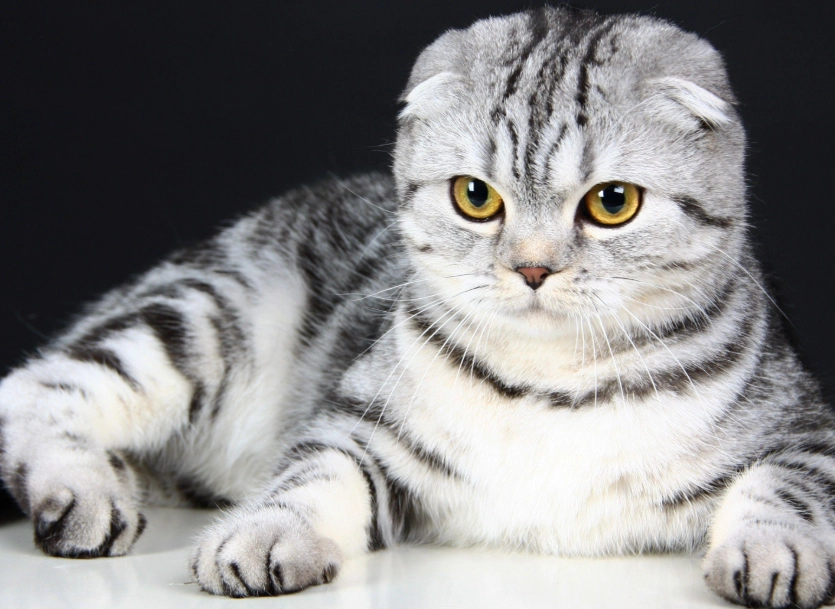
Finding a Scottish Fold Kitten: The Ethical Minefield
This is where you have to be incredibly careful. The breed's popularity has led to a surge in irresponsible breeding.
AVOID: Pet stores, online marketplaces like Craigslist or Facebook Marketplace, and any breeder who...
- ...has multiple litters available at once.
- ...lets you take a kitten home before 12-14 weeks.
- ...doesn't ask you any questions.
- ...breeds Fold to Fold.
- ...cannot provide health screening documentation for the parents (for HCM, PKD, and the skeletal health of the lineage).
- ...won't let you visit their home (post-vaccination) to see the kittens and mother interacting.
LOOK FOR: A responsible breeder who...
- ...is registered with a major cat association like CFA or TICA (The International Cat Association). You can search breeder directories on their sites, like the TICA breed list.
- ...prioritizes health and temperament over extreme physical traits.
- ...provides a detailed contract, health guarantee, and spay/neuter agreement.
- ...will be a resource for you for the cat's entire life.
Honestly, the wait for a kitten from a good breeder can be long and the cost significant (often $1500-$3000+). But that cost reflects the health testing, proper care, and ethical practices.
Consider adoption? It's rarer, but possible.
Sometimes adult Scottish Folds or Scottish Straights end up in breed-specific rescues or general shelters. An adult cat's personality and any health issues are already known, which can be a huge advantage. Check with rescue networks.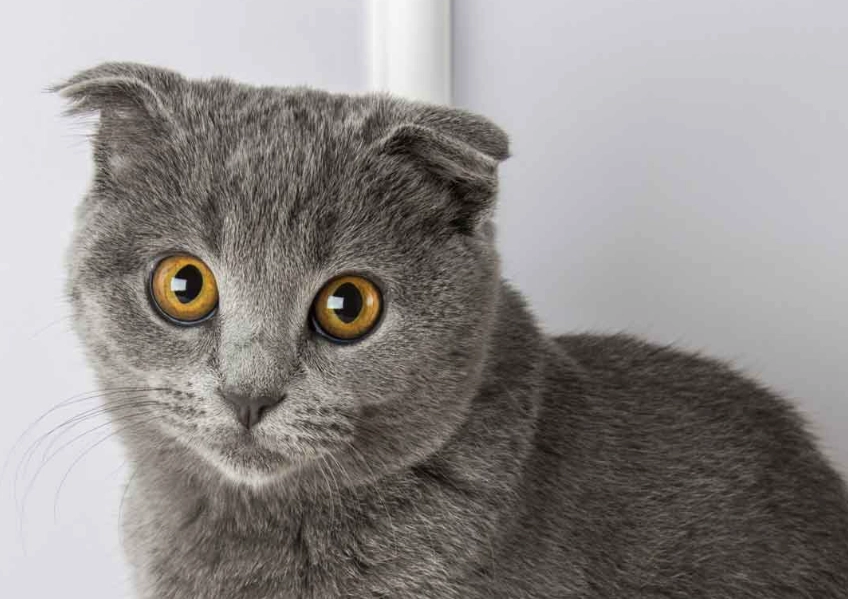
Your Scottish Fold Cat Questions, Answered
How long do Scottish Fold cats live?
With excellent care, responsible breeding, and a bit of luck regarding genetics, a Scottish Fold cat can live 12-15 years on average. Their lifespan is directly impacted by the severity of any osteochondrodysplasia and how well it's managed.
Are Scottish Fold cats high maintenance?
Medically, they can be. Physically, not really. Their grooming is easy, but their potential for health issues means they require an owner who is observant, proactive with vet care, and financially prepared for potential treatments like joint supplements, special diets, or pain medication. The maintenance is more in vigilance than in daily chores.
Do their ears need special cleaning?
Yes, absolutely. Weekly checks are a must. It's a quick process once you get the hang of it, but it's a non-negotiable part of their care routine to prevent painful infections.
Are they good for first-time cat owners?
Their gentle personality can be a good fit. However, the ethical and health complexities of the breed add a layer of responsibility that a first-time owner might not be prepared for. I'd generally point a first-timer toward a less medically complicated breed, like a domestic shorthair or a robust purebred like a British Shorthair (the Scottish Fold's ancestor).
Can you show a Scottish Fold cat?
Yes, in associations that recognize them (like CFA and TICA in the US). However, the standards are strict about ear fold type, eye shape, and body structure. Not every pet-quality Scottish Fold cat will meet show standards, and that's perfectly fine.
Final Thoughts: Is a Scottish Fold Cat Right for You?
It's a tough question. They are undeniably charming, sweet-natured companions. The image of a Scottish Fold cat curled up on your sofa is a lovely one.
But you have to look past the ears. You're potentially signing up for a pet with a higher likelihood of chronic, painful health issues. You need to be committed to finding an ethical breeder, maintaining a healthy weight, providing joint-friendly environments, and having a vet fund.
If your heart is set on a Scottish Fold, do it right. The resources are out there. Start with the breed clubs and reputable organizations. Ask the hard questions. Your future cat's quality of life depends on the choices you make before you even bring them home.
For the most current and detailed information on feline genetics and welfare considerations, always refer to authoritative veterinary sources like the Cornell Feline Health Center or the American Veterinary Medical Association (AVMA).
At the end of the day, it's about providing a good life for a living creature. Make sure you can do that for the entire lifespan of a Scottish Fold cat, ears and all.