Yes, Ragdolls are generally excellent house cats, but it's not a one-size-fits-all answer. I've spent over a decade working with cat breeds, and Ragdolls stand out for their gentle, dog-like loyalty. They're called "puppy cats" for a reason—they follow you around, greet you at the door, and often flop in your lap. But here's the catch: their easygoing nature can mask some real challenges for first-time owners. Let's cut through the fluff and get into what makes Ragdolls great indoor companions, and where they might fall short.
What You'll Find Inside
The Ragdoll Temperament: Why They're Called 'Puppy Cats'
Ragdolls are bred for companionship. Originating in the 1960s in California, they were developed by Ann Baker to be docile and affectionate. I remember visiting a breeder who described them as "velcro cats"—they stick to you. This isn't just marketing; studies from organizations like The International Cat Association highlight their placid nature. But don't assume they're lazy.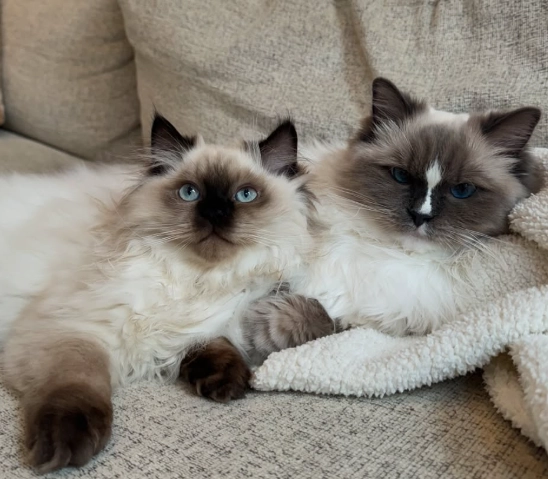
They're playful, just in a laid-back way. A friend's Ragdoll, Mochi, would fetch toys but then nap for hours. It's this balance that makes them ideal for apartments or quieter homes.
Social Needs and Interaction
Ragdolls thrive on human interaction. They're not the type to hide under the bed. In fact, they often seek out people, even strangers. This can be a pro for families, but a con if you're rarely home. I've seen owners make the mistake of thinking Ragdolls are independent. They're not. Leave them alone too long, and they might get depressed or develop separation anxiety. It's a subtle point many blogs miss—their need for engagement is higher than, say, a British Shorthair.
Their temperament with kids is generally superb. They're patient and tolerate gentle handling. But supervise young children; Ragdolls are large cats (up to 20 pounds), and accidental tugs can stress them. With other pets, they usually adapt well. Introduce them slowly, and they'll often become buddies with dogs or other cats.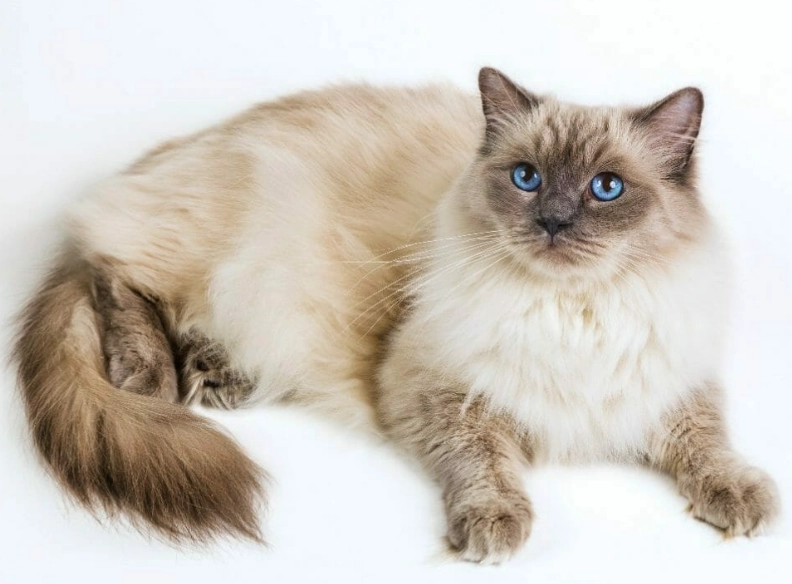
Key Takeaway: Ragdolls are social butterflies. If you want a cat that's more like a shadow, they're perfect. If you travel frequently or work long hours, reconsider—they need company.
Practical Care: Grooming, Health, and Daily Needs
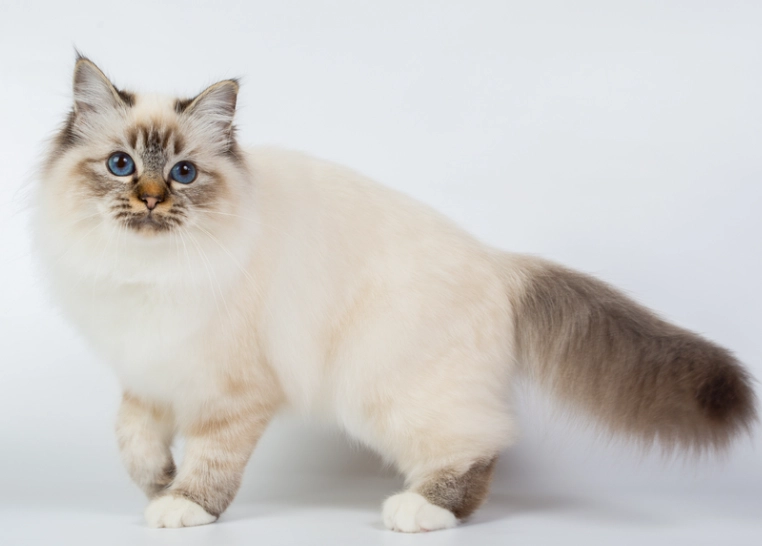
Here's where things get practical. Ragdolls have semi-long, silky fur that's beautiful but requires maintenance. It's not as high-maintenance as a Persian's coat, but you can't ignore it. Weekly brushing is a must to prevent mats, especially around the neck and belly. During shedding seasons (spring and fall), brush more often. I use a stainless steel comb—it works better than slicker brushes for their fur type.
Grooming isn't just about looks. Mats can cause skin infections and pain. I've helped rescue Ragdolls with severe matting because owners underestimated this. It's a common oversight.
Health Considerations
Ragdolls are generally healthy, but they have genetic predispositions. Hypertrophic cardiomyopathy (HCM) is a heart condition to watch for. Reputable breeders screen for it through echocardiograms—always ask for health certificates. Polycystic kidney disease (PKD) is less common but possible. As indoor cats, they're prone to obesity if overfed. Their laid-back nature means they're not calorie burners.
Feed them a balanced diet and encourage play. Interactive toys like feather wands are great. I recommend annual vet check-ups, with blood work as they age. Dental care is another hidden need; Ragdolls can develop tartar quickly, so brush their teeth or use dental treats.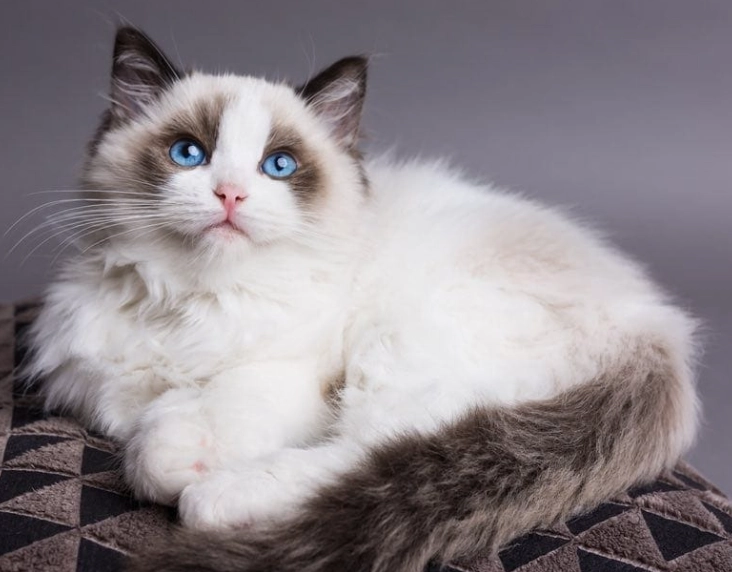
Here's a quick comparison of Ragdoll care vs. other popular breeds:
| Aspect | Ragdoll | Persian | Siamese |
|---|---|---|---|
| Grooming Frequency | Weekly brushing | Daily brushing | Minimal |
| Activity Level | Moderate | Low | High |
| Social Needs | High | Moderate | High |
| Common Health Issues | HCM, obesity | Respiratory, eye problems | Dental, asthma |
Data sourced from breed profiles on The International Cat Association website and veterinary resources.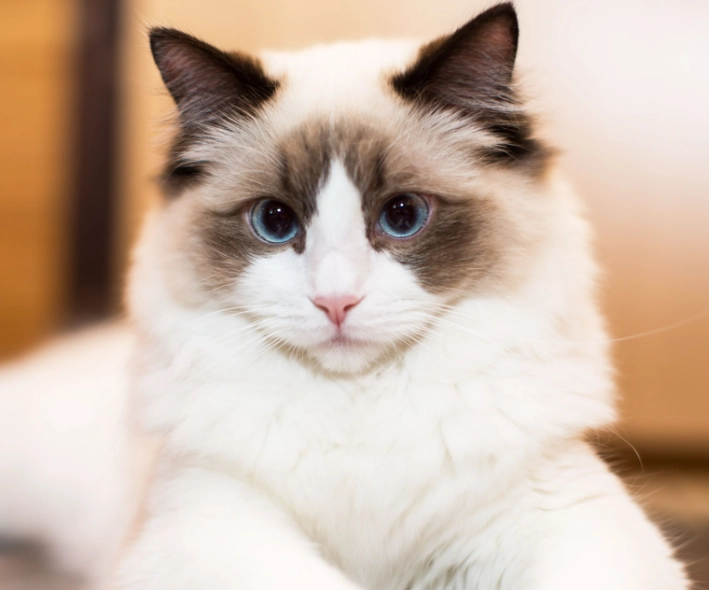
Exercise is subtle. They enjoy short play sessions—maybe 15 minutes twice a day. Don't expect them to run marathons. A cat tree by a window keeps them entertained; they love bird-watching.
Are Ragdolls Right for Your Home? A Decision Guide
Let's get real. Ragdolls aren't for everyone. They're ideal for specific lifestyles. If you're a busy professional who's out 12 hours a day, a Ragdoll might not be happy. But if you work from home or have a family, they could be perfect.
Consider your living space. They adapt well to apartments because they're not overly active. But they need vertical space—cat trees or shelves to climb. I've seen owners in small studios make it work with creative perches.
Common Mistakes New Ragdoll Owners Make
Based on my experience, here are pitfalls to avoid:
- Underestimating grooming: Skipping brushes leads to mats. It's not optional.
- Ignoring dental health: Many focus on fur but forget teeth, leading to costly vet bills.
- Assuming they're low-energy: They still need play. Without it, they can become overweight.
- Leaving them alone too much: Ragdolls are social. Consider a pair if you're often away.
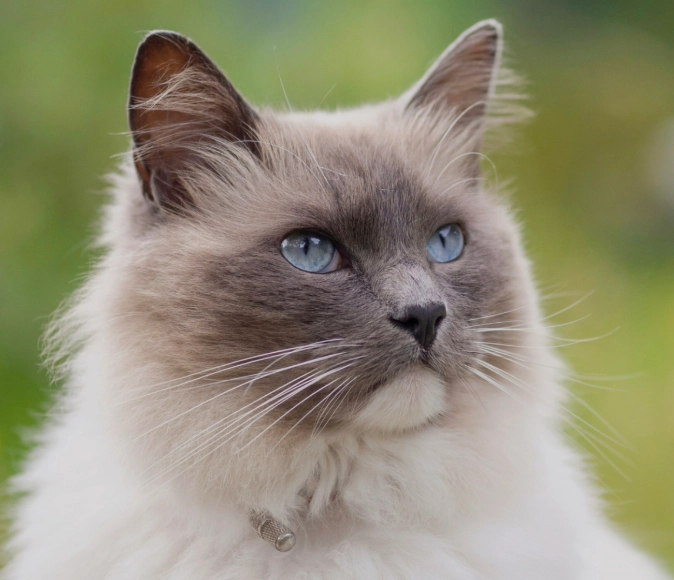
Cost is another factor. Ragdolls from reputable breeders can cost $1,000 to $2,500. Adoption is possible but rare. They're not cheap, and their care adds up—food, litter, vet visits. Budget for it.
I once advised a couple who thought Ragdolls were "maintenance-free." They ended up overwhelmed. It's about setting realistic expectations.
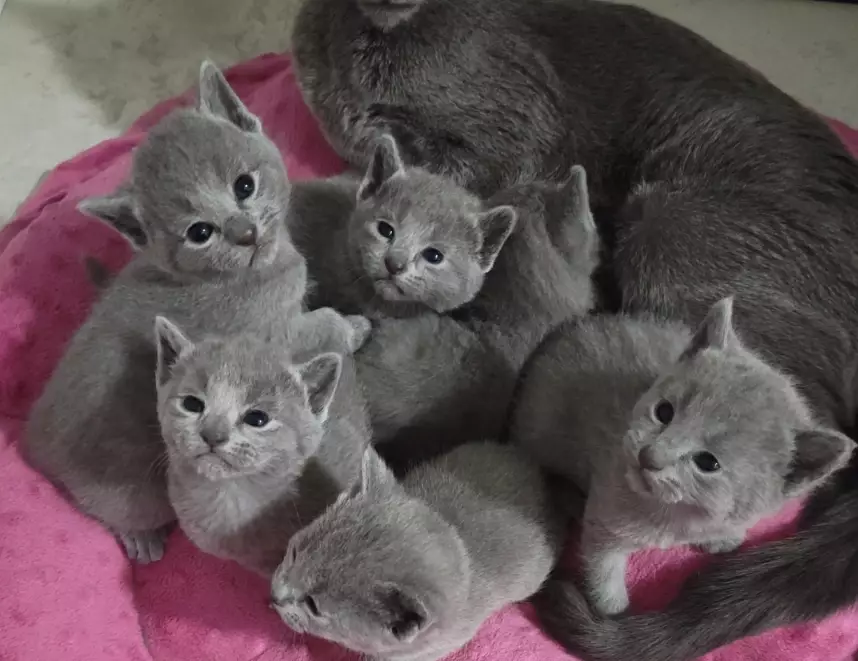
For families with kids, Ragdolls are a solid choice. Teach children to handle them gently, and you'll have a loyal friend. For seniors, they're great companions due to their calm demeanor. But if you crave a cat that's more independent or adventurous, look at breeds like the Russian Blue.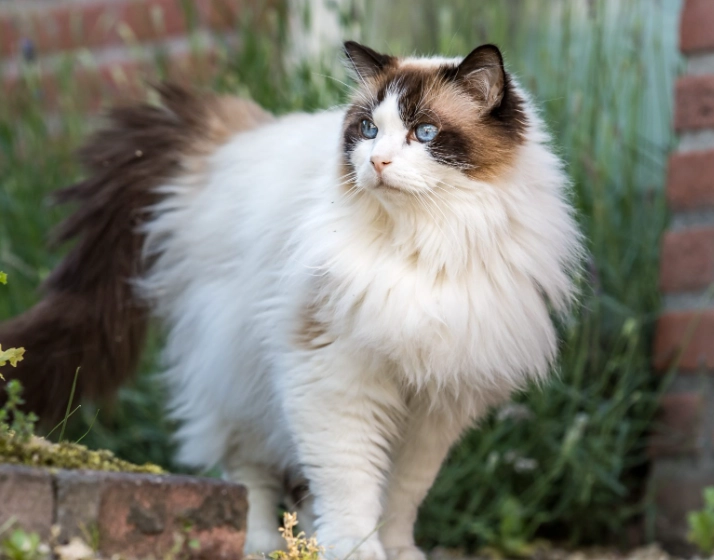
Your Ragdoll Questions Answered
So, are Ragdolls good house cats? For the right person, absolutely. They offer companionship, beauty, and a gentle presence. But they demand attention, grooming, and a mindful approach to health. If you're willing to invest time and love, a Ragdoll can be a wonderful addition to your home. Start by visiting a breeder or rescue to meet one in person—you'll see why they're so beloved.