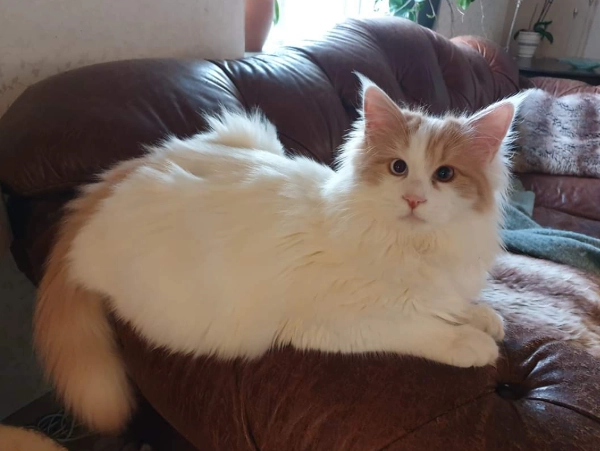
If you're here, you've probably fallen for that bright orange fur and those charming stripes. Let's clear something up right away: orange tabby isn't a breed. It's a coat color and pattern that shows up in multiple cat breeds, from American Shorthairs to Maine Coons. I've owned two orange tabbies over the years, and trust me, they're as unique as they look. This guide dives into what really makes these cats tick, beyond the internet clichés.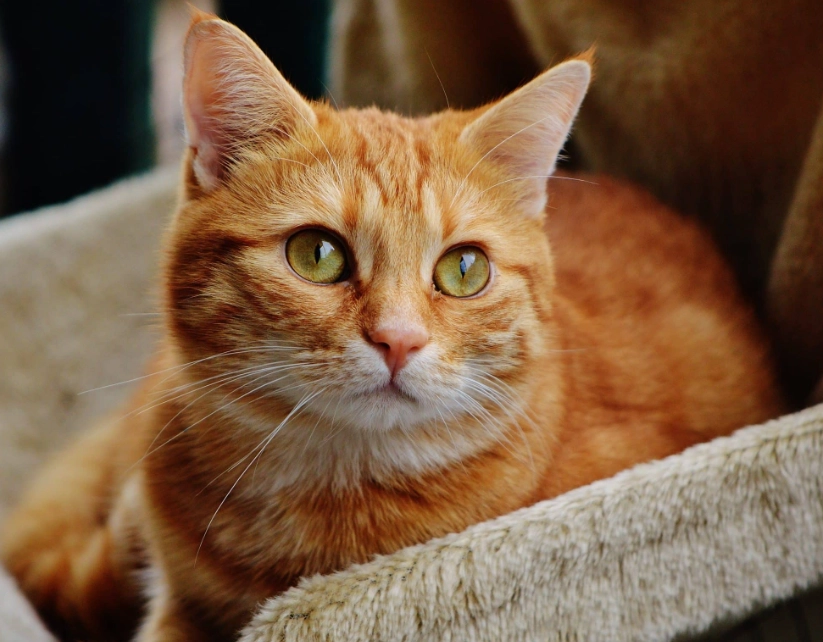
Jump to What Matters
What Exactly is an Orange Tabby Cat?
Think of "orange tabby" as a description, like "blonde human." It refers to cats with a reddish-orange coat and distinct tabby patterns. The color comes from a gene called the "O" gene, which produces pheomelanin, the same pigment that gives red hair in humans. Here's the kicker: about 80% of orange tabbies are male because the gene is sex-linked. Females do exist, but they're less common and often have tortoiseshell mixes.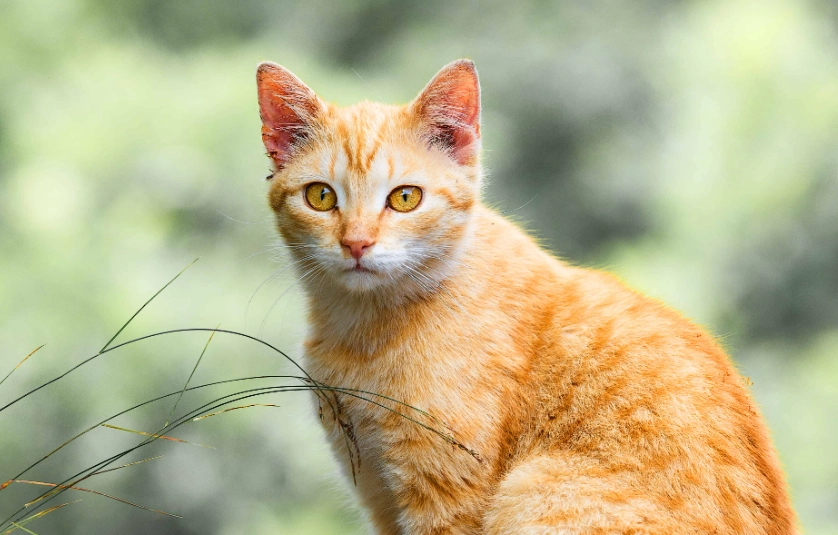
The Genetics Behind the Orange Color
It's not magic; it's science. The orange color is dominant on the X chromosome. For a female cat to be fully orange, she needs two copies of the gene, while males only need one. That's why you see more male orange tabbies. If you're into cat genetics, resources like the Cat Fanciers' Association explain this in detail, but I'll keep it simple: it's a roll of the genetic dice.
Tabby Patterns: Mackerel, Classic, Spotted, and Ticked
Tabby isn't just stripes; it's a pattern type. Here's a quick breakdown:
- Mackerel: Thin, parallel stripes like fishbones—most common in orange tabbies.
- Classic: Swirling patterns resembling marble cake.
- Spotted: Broken stripes that look like spots.
- Ticked: Each hair has alternating bands of color, giving a sandy appearance.
My first orange tabby, Simba, had a classic pattern, and it made him look like a tiny tiger. But patterns don't affect personality much; that's more about breed.
Personality Traits of Orange Tabby Cats
Are orange tabbies really more friendly? From my experience, yes, but with caveats. Their personality stems more from breed than color. For instance, an orange tabby American Shorthair tends to be laid-back, while an orange tabby Siamese mix might be vocal and energetic.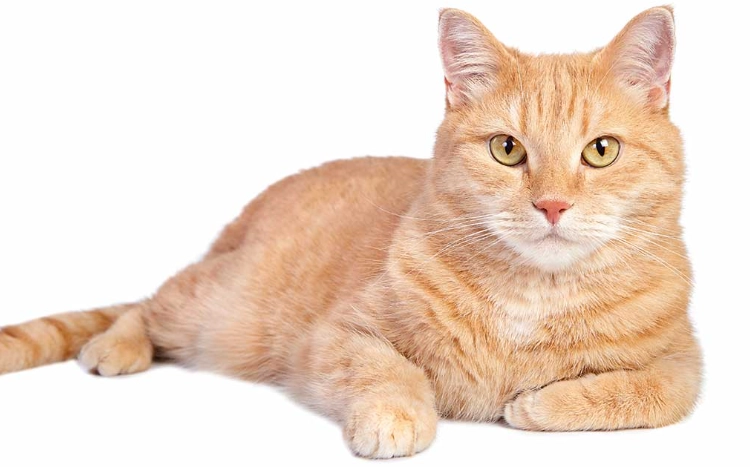
Are Orange Tabbies Really More Friendly?
Anecdotally, many owners report that orange tabbies are outgoing and affectionate. I've noticed they often seek attention and adapt well to families. But here's a non-consensus point: some can be stubborn. My friend's orange tabby refuses to use any litter box but one specific brand. It's not the color; it's individual quirks amplified by breed traits.
Common Behavioral Characteristics
Based on surveys and vet observations, orange tabbies often exhibit:
- High sociability—they hate being alone for long.
- Playfulness that lasts into adulthood.
- A tendency to be food-motivated, which can lead to obesity if not managed.
Don't assume all orange tabbies are lap cats. Some are independent hunters, especially if they have outdoor access.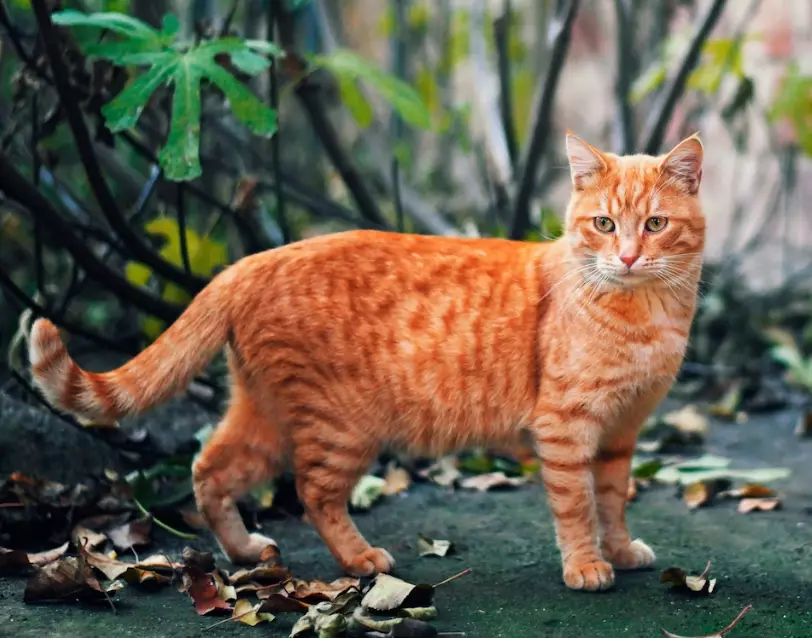
Caring for Your Orange Tabby: A Practical Guide
Caring for an orange tabby isn't rocket science, but there are nuances. Let's break it down into actionable steps.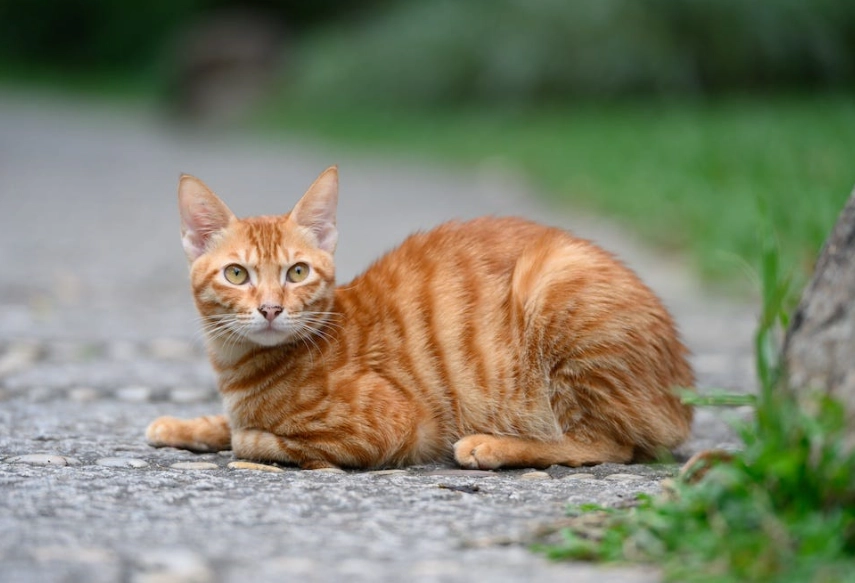
Diet and Nutrition Needs
Orange tabbies, like many cats, need a balanced diet. But here's a tip many miss: they can be prone to weight gain. I've seen cases where owners free-feed dry food, and the cat balloons up. Stick to measured meals with high-protein content. Wet food is great for hydration—aim for at least 30% of their diet.
Sample Daily Diet for an Adult Orange Tabby (10 lbs):
- Morning: 1/4 cup high-quality dry kibble (like Royal Canin or Hill's Science Diet).
- Evening: 3 oz wet food (pate or shreds).
- Treats: Limit to 2-3 small pieces, preferably low-calorie.
Consult your vet for specifics, especially if your cat has health issues.
Grooming and Shedding Management
Orange tabbies shed—a lot. Their fur can be medium to long depending on breed. Brush them at least twice a week. I use a slicker brush for Simba, and it cuts down on hairballs. For heavy shedders, a deshedding tool like the Furminator works wonders. Bathing isn't necessary unless they get dirty, but wipe their eyes regularly to prevent staining.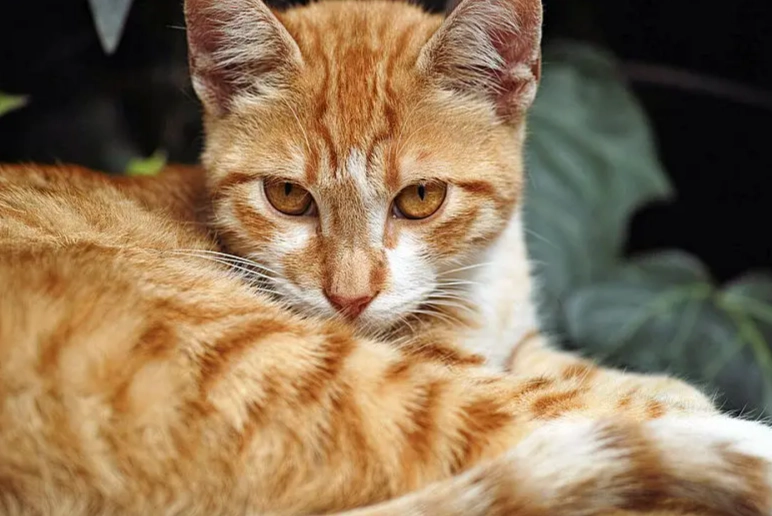
Pro Tip: Add a teaspoon of fish oil to their food once a week. It reduces shedding and improves coat shine. I learned this from a vet friend, and it made a visible difference in just a month.
Exercise and Enrichment
These cats are active. Without stimulation, they can develop behavioral issues like scratching furniture. Provide scratching posts, interactive toys, and daily play sessions. Laser pointers are fun, but include physical toys they can bite and kick. I set up a cat tree by the window for Simba, and he spends hours watching birds.
Health Considerations for Orange Tabby Cats
No, orange tabbies aren't inherently unhealthy, but some breeds carrying this pattern have predispositions. Let's get practical.
Potential Health Issues
Common issues include:
| Health Issue | Breeds Commonly Affected | Prevention Tips |
|---|---|---|
| Hypertrophic Cardiomyopathy | Maine Coon, Ragdoll | Regular vet check-ups, echocardiograms if breed-prone |
| Obesity | Domestic Shorthair, British Shorthair | Controlled diet, daily exercise |
| Dental Disease | All breeds | Brush teeth weekly, dental treats |
| Urinary Tract Issues | Persian, Siamese mixes | Wet food diet, plenty of water |
My second orange tabby, Leo, developed mild dental issues because I skipped brushing. Don't make that mistake.
Preventive Care Tips
Schedule annual vet visits. Vaccinate as recommended. Spay or neuter to prevent roaming and certain cancers. For orange tabbies, I also recommend genetic testing if you're unsure of their breed mix—it can reveal hidden risks.
Keep an eye on their weight. Use a scale at home monthly. Even a pound overweight can strain their joints.
Frequently Asked Questions
 Wrapping up, orange tabby cats are a joy, but they're not a one-size-fits-all. Whether you're adopting or already have one, focus on their breed-specific needs and individual quirks. They'll reward you with years of companionship—and probably a lot of shed fur. For more info, check out resources like the International Cat Care website for expert guidelines.