Quick Navigation
You've probably seen them—those vibrant, striped cats with coats that glow like autumn leaves. Orange tabby males are everywhere in pop culture, from Garfield to Morris, but what are they really like? I've had my orange tabby, Simba, for eight years now, and he's taught me more about feline quirks than any book could. This isn't just another generic care article; it's a deep dive based on hands-on experience and research, tailored for anyone who owns or is considering one of these charismatic cats.
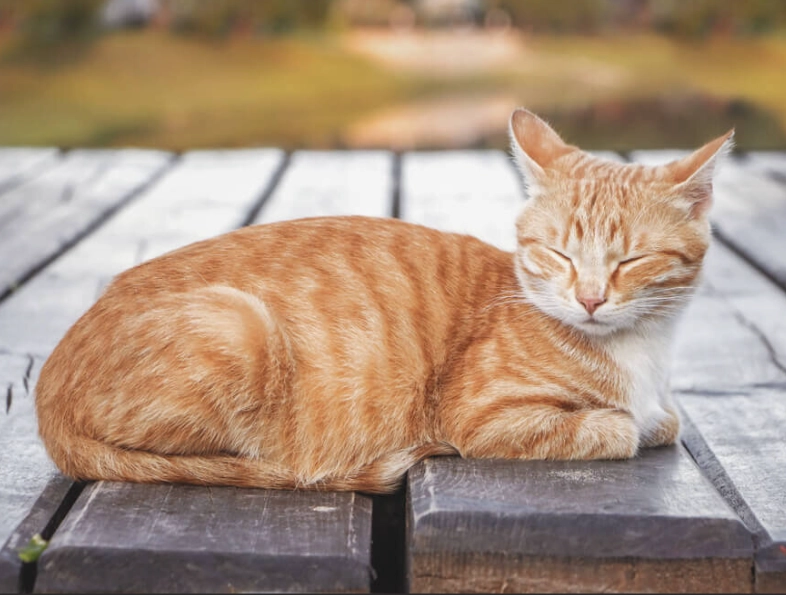 Let's cut to the chase: orange tabby males are often misunderstood. People assume they're all lazy or overly aggressive, but that's far from the truth. In reality, they're a mix of affection, mischief, and resilience. If you're looking for a pet that keeps you on your toes, you're in the right place.
What Is an Orange Tabby Cat?
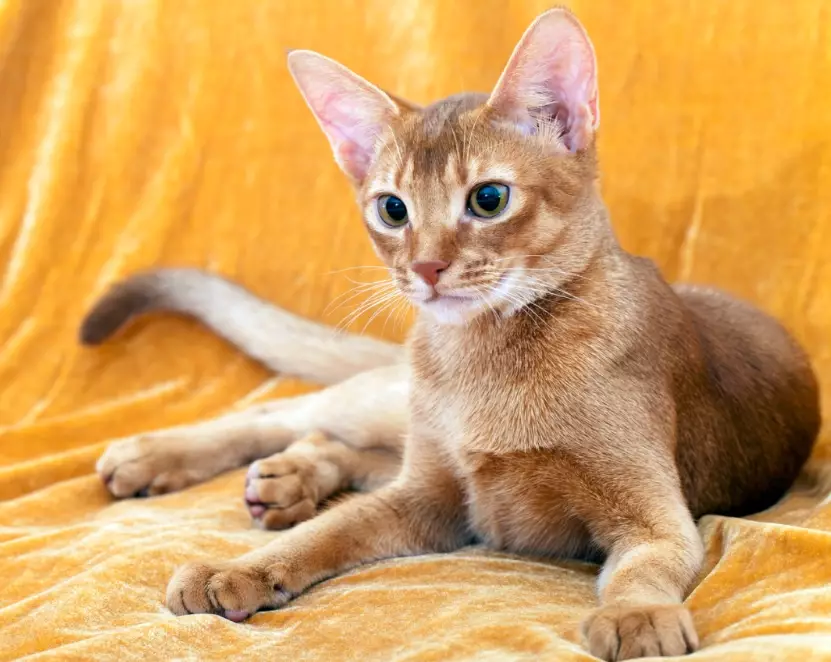
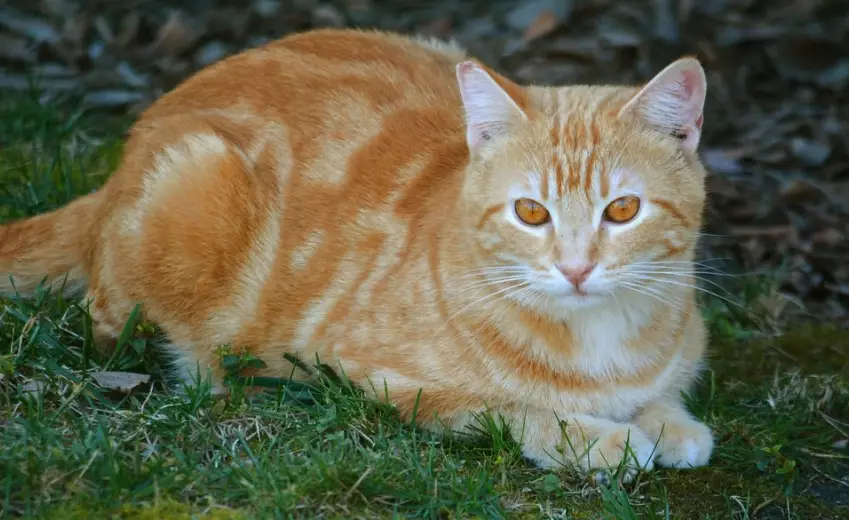
First off, "tabby" refers to a coat pattern, not a breed. Orange tabbies sport a range of ginger hues, from pale cream to deep red, with distinctive markings. The color comes from pheomelanin, the same pigment that gives redheads their hair color. Here's a fact that surprises many: approximately 80% of orange tabbies are male. Why? It's all in the genes.
The Genetics Behind the Color
The gene for orange fur is located on the X chromosome. Males have one X and one Y chromosome, so if they inherit the orange gene on their X, they're orange. Females have two X chromosomes; they need the orange gene on both to be orange, which is less common. This isn't just academic—it affects breeding and health. For instance, female orange tabbies might have higher rates of certain genetic conditions, though research is ongoing.
I remember when I adopted Simba, the shelter staff mentioned he was likely male because of his color. It's a handy tip, but don't rely on it entirely. I've met a few female orange tabbies, and they're just as stunning.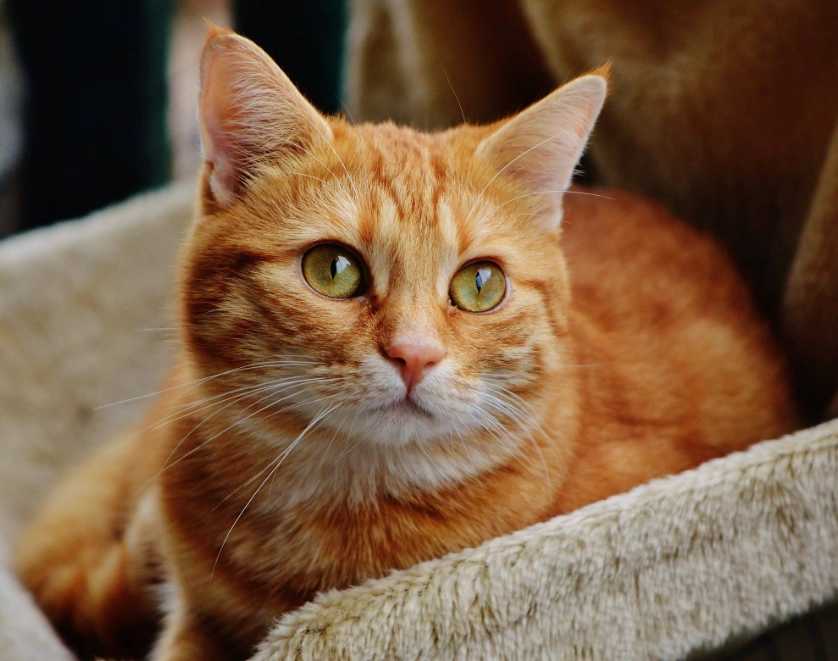
Tabby Patterns Explained
Orange tabbies can display one of four main patterns. Knowing these helps identify your cat's unique traits. Here's a breakdown:
| Pattern | Description | Prevalence in Orange Tabbies |
|---|---|---|
| Mackerel | Narrow, vertical stripes running down the sides, resembling fishbones. | Most common; Simba has this with slight swirls. |
| Classic | Bold, swirling patterns often called "bull's-eye" or marbled. | Common; gives a dramatic, artistic look. |
| Spotted | Distinct spots instead of stripes, similar to a leopard. | Less common; often seen in mixed breeds. |
| Ticked | Individual hairs have alternating bands of color, creating a salt-and-pepper effect. | Rare; more subtle and uniform. |
When I first examined Simba's coat, I thought it was a classic pattern, but under bright light, the mackerel stripes popped out. It's these little details that make each cat special. If you're adopting, ask the shelter about the pattern—it can hint at ancestry, though it's not a definitive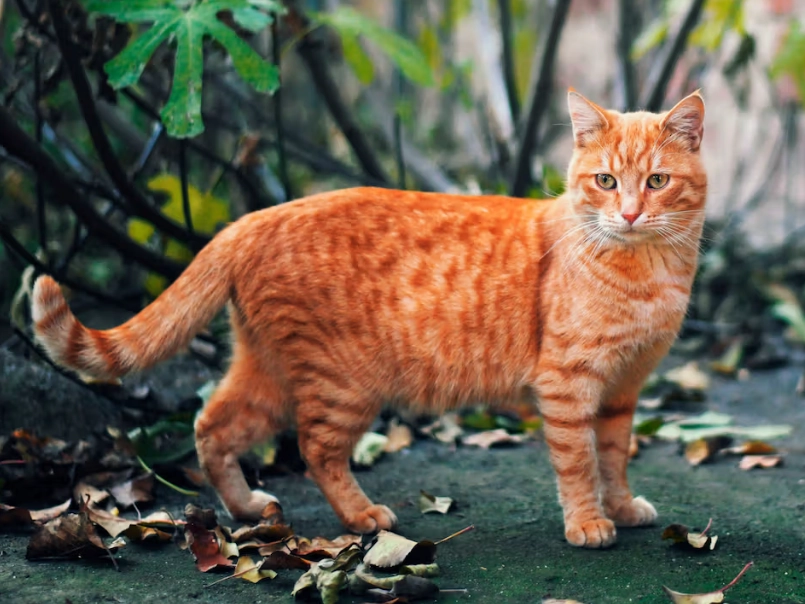 breed indicator.
Personality of Orange Tabby Male Cats
Now, onto behavior. There's a pervasive myth that orange tabby males are always friendly and outgoing. From my experience, there's some truth, but it's nuanced. A study from the University of California, Davis, found that orange cats tend to score higher on sociability scales compared to other colors. However, personality is shaped by genetics, upbringing, and environment.
Are They Really More Affectionate?
In general, yes, many orange tabby males are affectionate. Simba is a classic example—he follows me around, demands lap time, and purrs loudly at the slightest touch. But I've also fostered a shy orange tabby who hid for days. The key is socialization. Kittens exposed to positive human interaction early on, regardless of color, develop better social skills.
Common Behavioral Traits
Orange tabby males often exhibit high energy and playfulness. They're curious and can be mischievous—Simba's favorite pastime is knocking pens off my desk, a behavior many owners report. They're also vocal; mine meows persistently when he wants food or attention. This isn't aggression; it's communication. If you prefer a quiet cat, an orange tabby might not be ideal.
Another trait: they're food-motivated. This makes training easier but also risks obesity. I learned this the hard way when Simba gained weight after I overdid the treats. Now, I use puzzle feeders to engage his mind and control portions.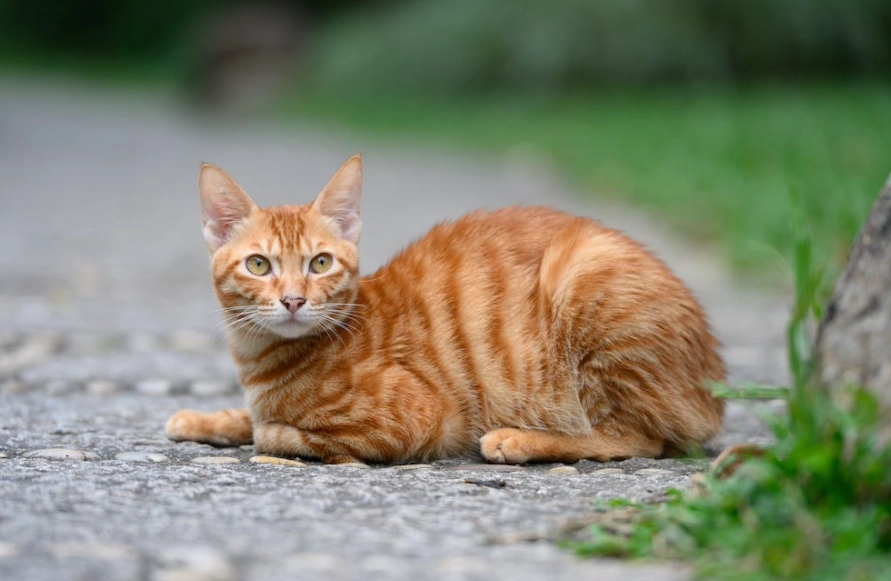
Essential Care for Your Orange Tabby Male
Caring for an orange tabby male isn't rocket science, but it requires attention to detail. Based on my years with Simba, here's a practical guide.
Diet and Nutrition
Orange tabbies don't have unique dietary needs, but males are prone to urinary tract issues. A diet rich in moisture is crucial. I feed Simba a combination of wet and dry food, with wet food making up 70% of his meals. According to the American Association of Feline Practitioners, this helps prevent crystals and stones. Avoid cheap fillers like corn; look for high-protein options with real meat as the first ingredient.
Portion control is vital. Simba's ideal weight is 12 pounds, but he'd eat endlessly if I let him. I measure his food using a kitchen scale—it sounds obsessive, but it works. Overweight cats face higher risks of diabetes and arthritis, common in orange tabbies.
Grooming Needs
Their fur is usually short to medium-length, so grooming is straightforward. Weekly brushing reduces shedding and hairballs. Simba enjoys it; I use a silicone brush that massages his skin. During shedding seasons, I brush him every other day.
Don't forget dental care. Orange tabbies, like all cats, can develop periodontal disease. I brush Simba's teeth twice a week with a feline toothpaste. It took patience to acclimate him, but now he tolerates it. If brushing isn't feasible, dental treats or water additives can help.
Exercise and Play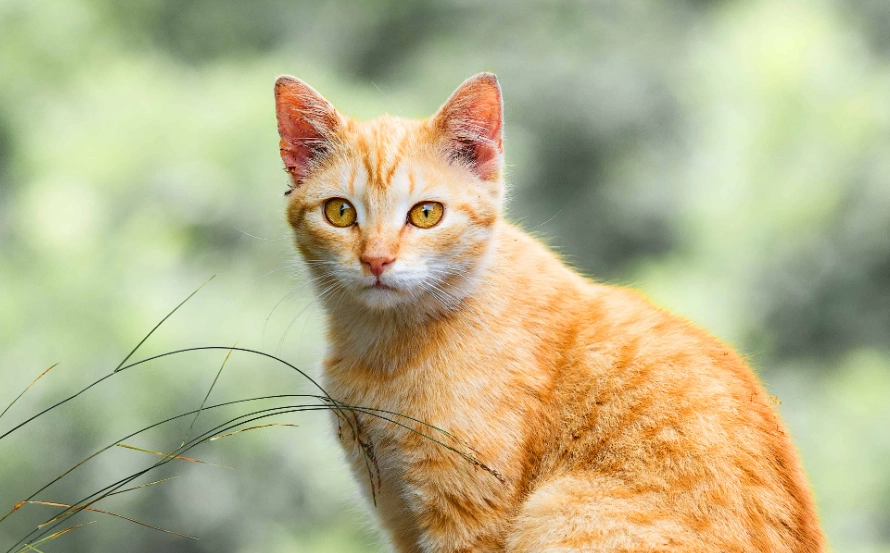
These cats are energetic. Without enough stimulation, they become bored and destructive. I dedicate 30 minutes daily to interactive play with Simba. His favorite toys are feather wands and laser pointers, but I avoid overusing lasers as they can frustrate cats if there's no physical reward.
Create an enriched environment. Cat trees, window perches, and puzzle toys keep them engaged. Simba loves watching birds from his perch—it's like cat TV. If you work long hours, consider a companion pet or automated toys to prevent loneliness.
Health Concerns Specific to Orange Tabbies
Orange tabby males are generally hardy, but they have predispositions worth noting. Data from the Cornell Feline Health Center indicates that male cats, especially those with certain coat colors, may face higher risks of obesity and related conditions.
Common Health Issues
- Obesity: Their love for food makes them prone to weight gain. Monitor their body condition score—ribs should be palpable without excess fat.
- Urinary Tract Diseases: Males have narrower urethras, increasing blockage risk. Signs include straining to urinate or blood in urine. I keep an eye on Simba's litter box habits; any change warrants a vet visit.
- Skin Conditions: Light-colored fur can make them sensitive to sunburn, leading to squamous cell carcinoma. Limit outdoor exposure during peak sun hours, or use pet-safe sunscreen.
- Diabetes Mellitus: Linked to obesity, this is more common in middle-aged male cats. Symptoms include increased thirst and weight loss. Simba's vet checks his glucose levels annually.
Preventive Care
Regular vet visits are non-negotiable. For orange tabby males, I recommend:
- Annual check-ups for cats under 7 years, with blood work and urinalysis.
- Biannual visits for seniors, focusing on kidney function and joint health.
- Vaccinations as per your vet's advice, considering indoor/outdoor status.
Spaying or neutering is essential. It reduces roaming, aggression, and certain cancers. Simba was neutered at six months, and it calmed his behavior without dulling his personality.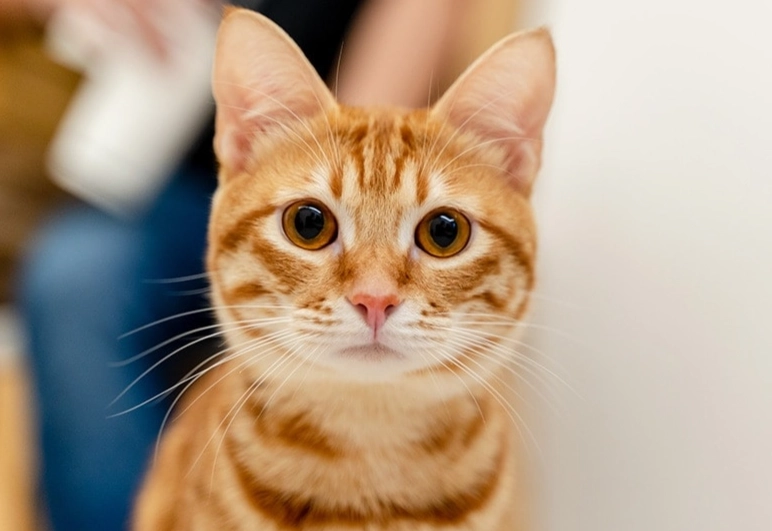
Training and Socialization Tips
Yes, you can train a cat. Orange tabby males are intelligent and respond well to positive reinforcement. Start early for best results.
For basic commands like "come" or "sit," use high-value treats. Simba learned to sit in a week with consistent sessions. Keep training sessions short—5 to 10 minutes—to maintain interest.
Socialization is critical, especially if you have other pets. When I introduced Simba to my friend's dog, I followed a gradual process:
- Week 1: Keep them in separate rooms, swapping bedding to familiarize scents.
- Week 2: Allow visual contact through a baby gate, rewarding calm behavior.
- Week 3: Supervised short interactions, increasing duration as they adjust.
It took patience, but now they coexist peacefully. Orange tabbies are social, but never force interactions; let them set the pace.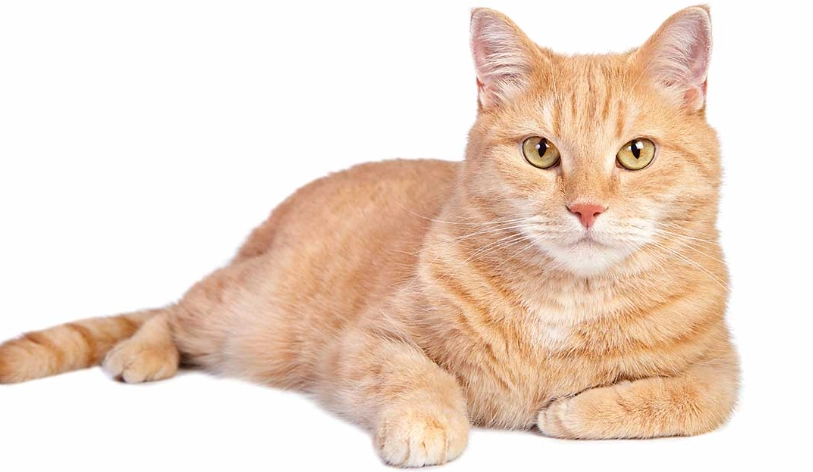
Frequently Asked Questions
 Reflecting on my journey with Simba, owning an orange tabby male is a rewarding experience filled with laughter and occasional challenges. They're not just pets; they're companions with distinct personalities. If you're adopting, consider rescuing from shelters—many orange tabbies need homes. And if you already have one, share your stories online; it helps build a community of informed owners. Remember, every cat is unique, so adapt these tips to your feline's needs. Happy cat parenting!