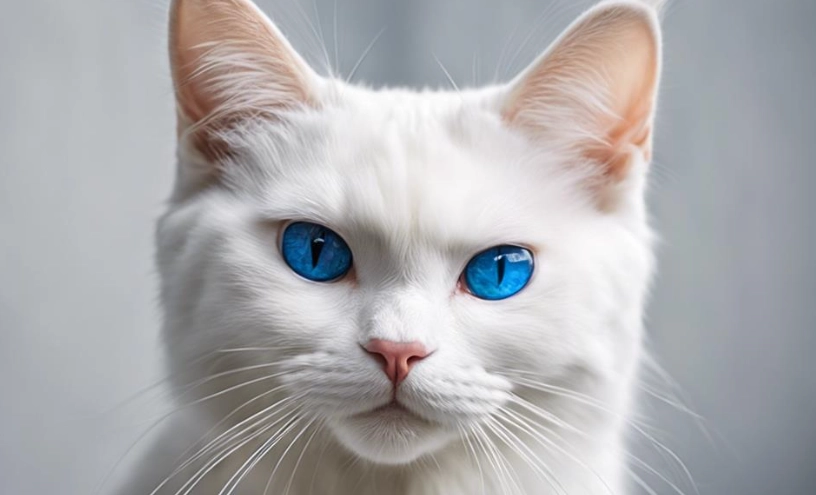
Let's talk about the Russian White kitten. You might have seen a photo—a cat of pure, snow-white fur with striking green eyes, looking like it stepped out of a winter fairy tale. It's not just a pretty face. This cat is a direct offshoot of the Russian Blue, sharing that breed's famous plush coat and gentle demeanor, but wrapped in a brilliant white package. They're rare, they're elegant, and they've got a personality that's both affectionate and politely independent.
I remember visiting a breeder years ago, drawn by the Russian Blue's reputation. In a corner, a white kitten was batting quietly at a feather toy. It wasn't as boisterous as its grey siblings, but when it looked up, there was this intelligent, calm curiosity. That's the Russian White. If you're considering one, you're not just getting a pet; you're inviting a quiet, graceful companion into your home.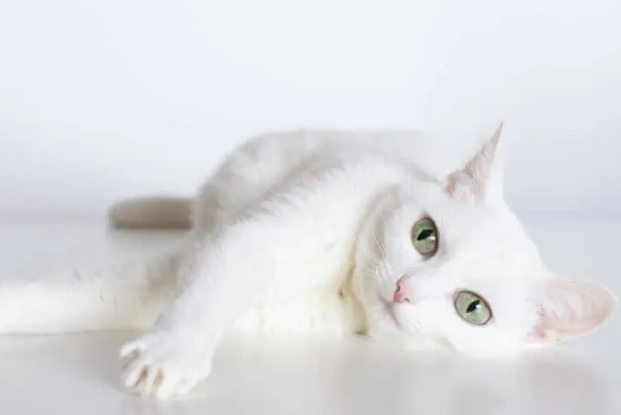
What's in this guide?
What Exactly is a Russian White Cat?
This is where people get confused. The Russian White isn't a separate, naturally occurring breed. It's a color variant of the Russian Blue, created through selective breeding programs that started in the 1960s and 70s, primarily in Australia and the UK. Breeders introduced the white color by outcrossing Russian Blues with white domestic cats (and later, with white Siamese for the blue-eyed variant, which is a separate line).
The goal was to preserve the Russian Blue's iconic body type, coat texture, and temperament, but in white. Major cat registries like The Cat Fanciers' Association (CFA) and The International Cat Association (TICA) recognize them. In some registries, they're called "Russian Whites" under the Russian breed group; in others, they're simply the "white" color division of the Russian breed.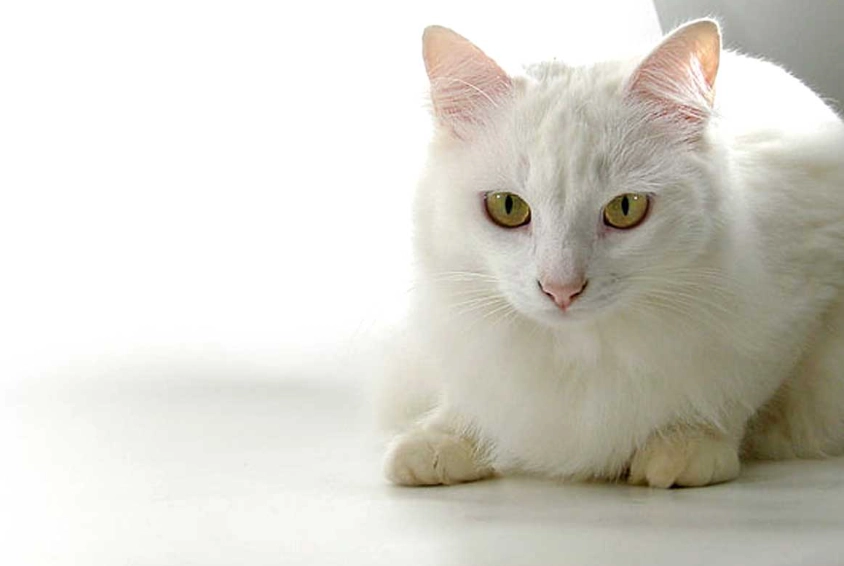
Here’s a quick breakdown of the breed standard that applies to both Blues and Whites:
| Feature | Breed Standard |
|---|---|
| Body | Long, graceful, and muscular. Not bulky, but firm. |
| Coat | Short, dense, and double-layered. Feels plush and soft. White should be pure, without yellowing. |
| Eyes | Vivid green. Wide-set and rounded. Kittens have blue eyes that change to green as they mature. |
| Head | Wedge-shaped with a flat profile and prominent whisker pads. |
| Legs & Paws | Long, fine-boned legs. Small, rounded paws. |
The white coat is a double-edged sword. It's stunning, but it shows every speck of dirt. If you're a neat freak, you'll be wiping paw prints. If you're more relaxed, you'll just see a cat who occasionally looks like it's been exploring the fireplace.
Kitten Personality & Key Traits
Don't let the regal looks fool you. A Russian White kitten is often a blend of playful clown and serene observer. They inherit the Russian Blue's temperament: loyal but not clingy, playful but not destructive, intelligent but not in a "let me open this cabinet" kind of way.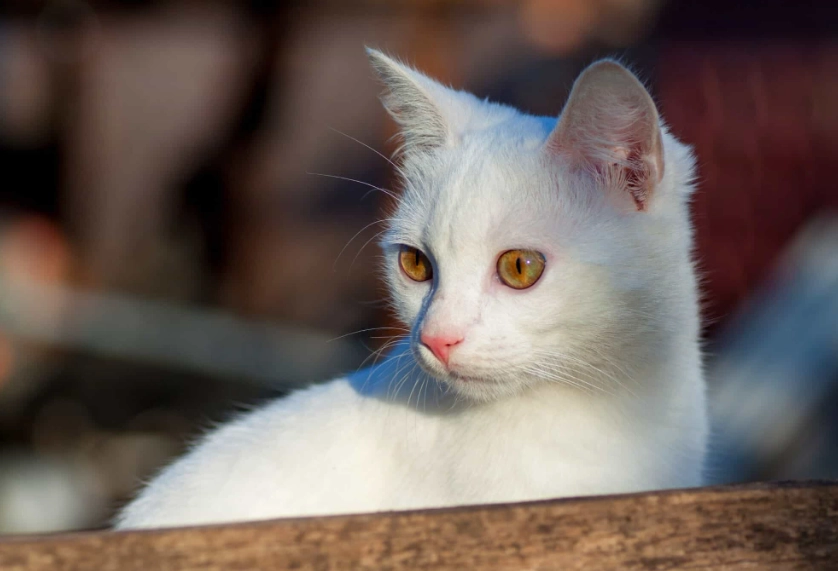
From my observations and breeder interviews, here’s what you can typically expect:
- The Quiet Companion: They're not yowlers. They have a soft, melodic voice and use it sparingly. They'll often communicate with a chirp or a gentle head-butt.
- Selective Affection: They bond deeply with their family but might hide when strangers visit. This isn't aloofness; it's caution. Once they trust you, they'll follow you from room to room, just to be near you.
- Play Intelligence: They enjoy puzzle toys and games that mimic hunting. A feather wand is a big hit. They'll learn fetch easily. Boredom can set in if you don't provide mental stimulation.
- Adaptability: They generally adapt well to quieter homes, including apartments. They can do fine with gentle children and other pets if introduced properly, but they won't appreciate a chaotic, loud environment.
A common misconception: Many websites claim Russian Whites (and Blues) are "hypoallergenic." This is a dangerous oversimplification. No cat is truly hypoallergenic. They produce less of the Fel d 1 protein, a common allergen, than many breeds. However, reaction severity is highly individual. If you have allergies, spend several hours with an adult Russian cat before deciding. A kitten's allergen levels can change as it matures.
How to Care for a Russian White Kitten
Caring for a Russian White isn't overly complicated, but there are nuances. Their white coat and sensitive nature demand a specific approach.
Grooming Your Snow-White Cat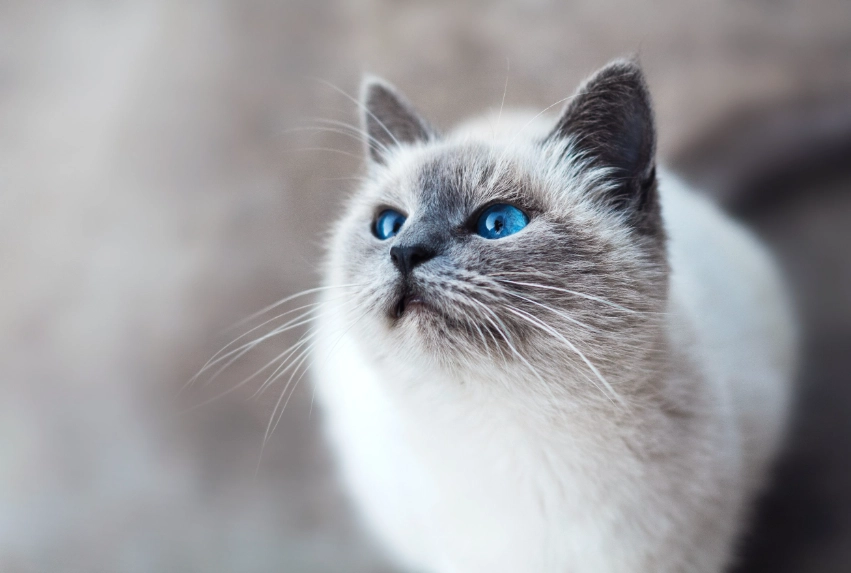
That gorgeous coat is easier than you think. The dense undercoat means weekly brushing is perfect. Use a rubber grooming mitt or a soft bristle brush. It removes loose hair and distributes skin oils, keeping the coat gleaming.
Bathing? Occasionally. Maybe a few times a year if they get into something. Use a gentle, cat-specific shampoo. A pro tip for white cats: a blue-tinted shampoo can neutralize any slight yellowing, but test it on a small patch first. The biggest grooming task is keeping their eyes clean. White fur shows tear stains. Gently wipe the corners daily with a soft, damp cloth.
Feeding for Health and a Shiny Coat
High-quality food is non-negotiable. Look for a diet rich in animal protein. A healthy diet directly impacts coat quality. A poor diet can lead to a dull coat or, in white cats, more noticeable discoloration.
Kittens should be on a high-quality kitten formula until they're about 12 months old. Always ensure fresh water is available. Some Russian cats can be picky eaters, so you might need to experiment with wet vs. dry or different protein sources.
Creating the Right Home Environment
Think vertical space. Cat trees, wall shelves—they love to perch and observe their kingdom from above. Provide scratching posts (sisal is great) to save your furniture. Because they're intelligent, rotate their toys to prevent boredom. A window perch with a bird feeder outside is cat TV.
Start handling their paws, looking in their ears, and brushing them from day one. This makes vet visits and grooming a breeze later on.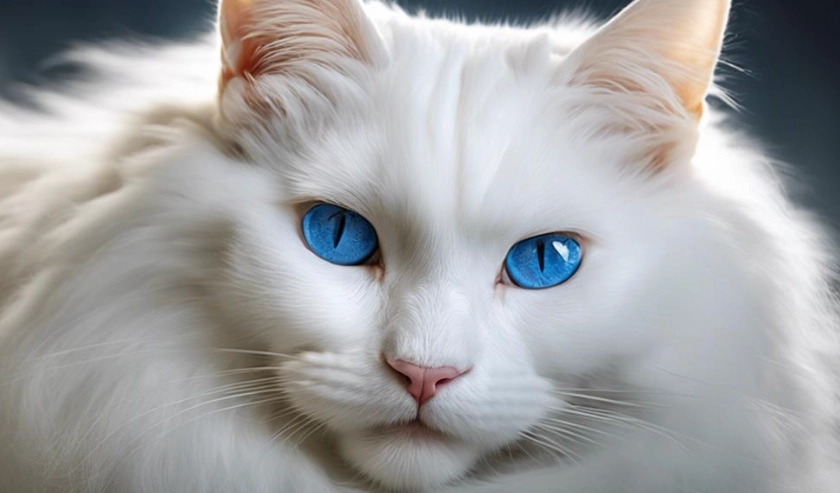
What Health Issues Affect Russian White Cats?
Generally, they are a robust breed. They benefit from the hybrid vigor introduced during their development. However, they share the primary genetic concern of their Russian Blue relatives: Hypertrophic Cardiomyopathy (HCM).
HCM is a thickening of the heart muscle. It's the most common heart disease in cats. A reputable breeder will have their breeding cats regularly scanned by a veterinary cardiologist to screen for this. You must ask for proof of these HCM screenings for both parent cats. No exceptions.
Otherwise, they face typical cat issues:
- Dental Disease: Regular teeth brushing or dental treats are important.
- Obesity: They love their food. Monitor their weight and encourage play.
- Sunburn: Those white ears and noses are vulnerable! Limit direct sun exposure, especially in summer, or ask your vet about pet-safe sunscreen.
With proper care from a good breeder, a Russian White can live a healthy 15 to 20 years.
Finding a Responsible Russian White Breeder
This is the most critical step. Their rarity means you'll need to search carefully and likely be placed on a waiting list.
Where to look: Start with the breeder directories of TICA and CFA. Search for Russian breeders and inquire if they work with the white lines. Attend a cat show if possible; it's the best place to meet breeders and see adults in person.
Red Flags: Breeders who always have kittens available, sell kittens under 12-14 weeks old, won't let you visit their home, offer "rare" blue-eyed Russian Whites at a premium without explaining the separate lineage, or have no health testing documentation.
Green Flags: Breeders who ask you more questions than you ask them. They want to know about your home, lifestyle, and why you want this breed. They provide a health guarantee, vaccination/vet records, and a kitten contract. They encourage visits and introduce you to the kitten's parents (or at least the mother). They are transparent about the breed's potential health issues.
Be prepared for a price range of $1,200 to $2,500 USD. The price reflects health testing, quality care, and the breeder's expertise. A cheap kitten is almost always a costly mistake.
Your Russian White Kitten Questions, Answered
Are Russian White kittens hypoallergenic?
How much does a Russian White kitten typically cost?
What's the biggest health concern for a Russian White cat?
Is the Russian White's coat difficult to maintain?