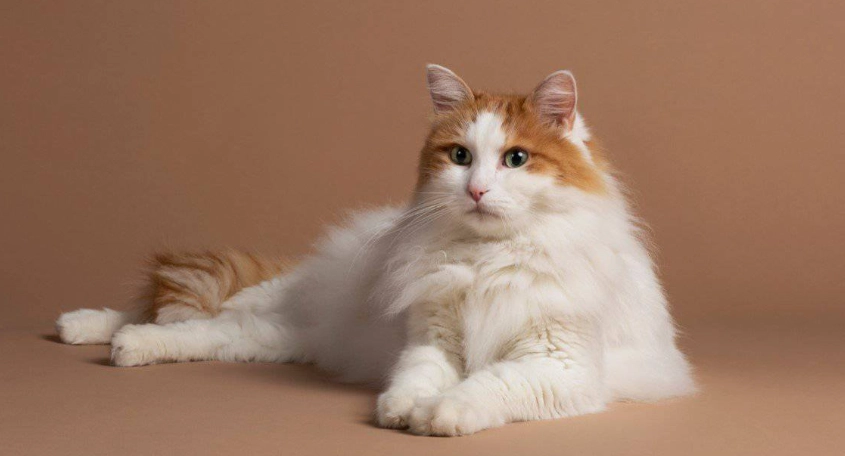
Picture this: a plume of smoke-colored fur moves silently across the room, but instead of grey, it’s a brilliant, warm orange. That’s the Orange Turkish Angora. It’s not just a white cat with a different paint job. This specific color variant turns an already elegant breed into something truly spectacular—a living flame with the grace of a dancer. If you’re mesmerized by photos of these amber-coated felines and want to know what it’s really like to live with one, you’ve landed in the right place. I’ve been around cats, specifically pedigreed breeds, for over a decade, and the myths surrounding the orange Turkish Angora are some of the most persistent I’ve seen.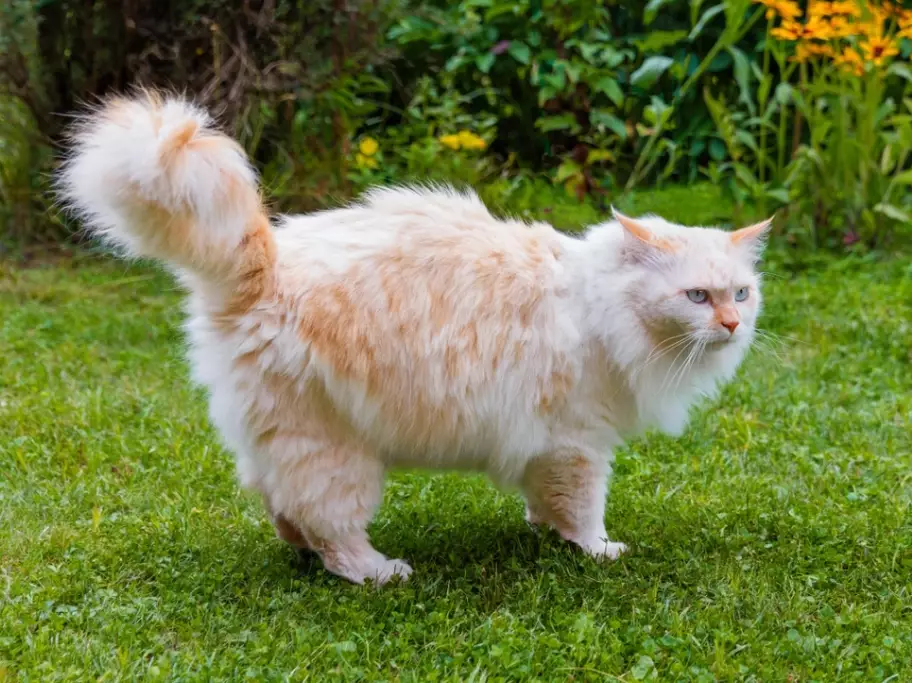
Navigate This Orange Angora Guide
Let’s clear one thing up immediately. Many people assume an "orange" cat is just a generic tabby. With Turkish Angoras, the orange (technically 'red' in cat fancy terms) can present as solid, tabby, or even tortoiseshell when combined with other colors. The key is the silkiness and the lack of an undercoat, which makes the color look incredibly vibrant and deep. I remember visiting a breeder who specialized in this color. Seeing a litter of orange Angora kittens was like looking at a basket of tiny, animated sunsets—their fur had a luminosity that photos simply can't capture.
The Genetics Behind That Stunning Orange Coat
Why is the orange Turkish Angora relatively rare? It all comes down to genetics. The gene responsible for orange fur (the O gene) is sex-linked. It’s carried on the X chromosome. This leads to a well-known quirk: about 80% of orange cats are male. For a female to be orange, she needs to inherit the gene from both parents, which is statistically less common.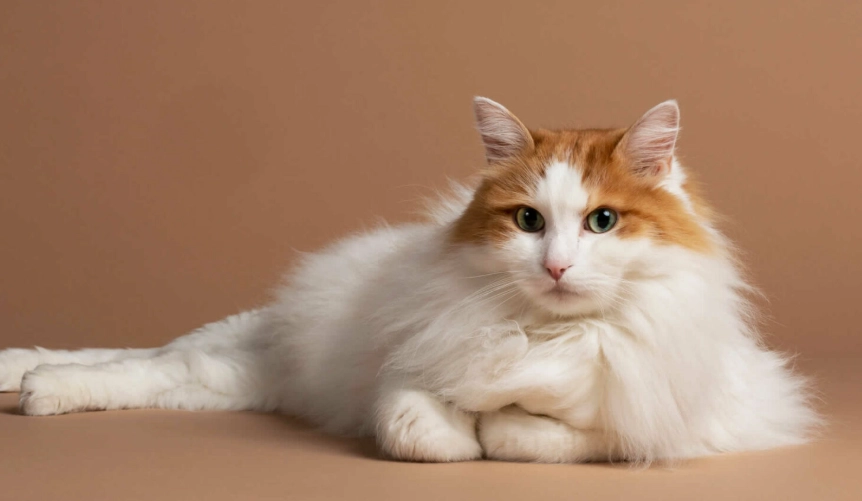
So, when you see a female orange Turkish Angora, you’re looking at a bit of a genetic lottery winner. This doesn’t make her "better" than a male, but it does make her less common. Breeders aiming for this color have to plan pairings carefully, often over several generations. The Cat Fanciers' Association (CFA) and The International Cat Association (TICA) recognize a wide range of colors for Turkish Angoras, including various shades of red and cream, which are the dilute forms of orange.
Here’s a practical table breaking down what you might see in an orange Turkish Angora litter, based on parental genetics:
| Parent 1 Color | Parent 2 Color | Likelihood of Orange Kittens | Notes on Kitten Gender |
|---|---|---|---|
| Orange Male | Non-orange Female | All female kittens will be tortoiseshell/calico; male kittens will not be orange. | Females get father's orange X; males get mother's non-orange X. |
| Non-orange Male | Orange Female | All male kittens will be orange; female kittens will be tortoiseshell/calico. | Males get mother's orange X; females get one orange X from mom. |
| Orange Male | Orange Female | Very high chance of orange kittens of both sexes. | Both parents contribute the orange gene. |
This complexity is why finding a purebred orange Angora often requires contacting dedicated breeders registered with organizations like CFA, rather than expecting to see one at a local shelter.
Orange Turkish Angora Personality & Behavior: More Than Just a Pretty Face
Does coat color affect personality? In my experience, not directly. The famed "orange cat" stereotype of being extra goofy or affectionate is more anecdotal than scientific. A Turkish Angora’s personality is first and foremost that of its breed: highly intelligent, active, and people-oriented.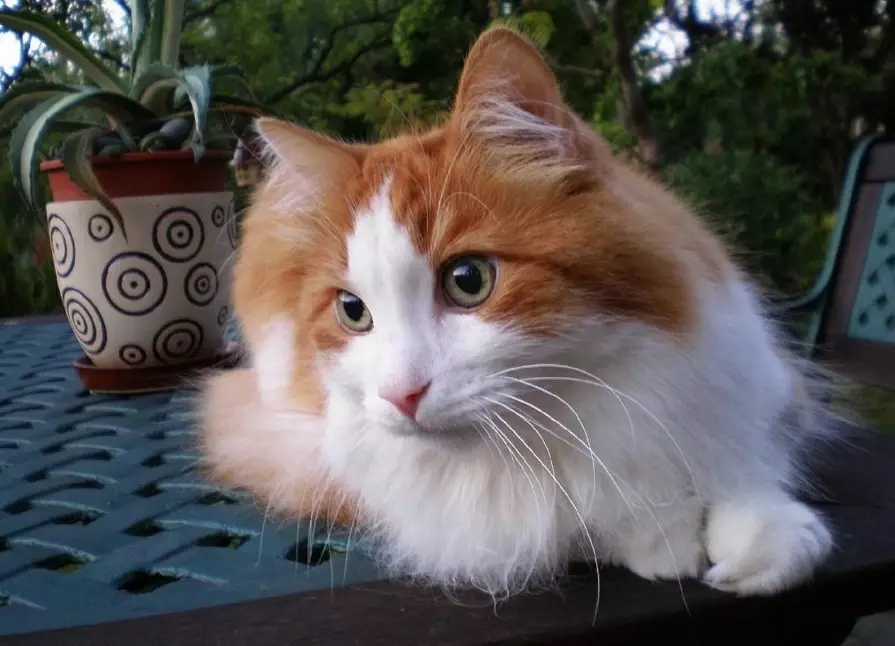
However, living with an orange one for the past eight years, I’ve noticed a peculiar challenge. Their beauty is so distracting that owners often underestimate their need for mental stimulation. You’re so busy admiring the coat that you forget this is a cat that can learn to open doors and demands interactive play sessions. They’re not lap cats in the traditional, sedentary sense. They’re more likely to be in your lap while you’re trying to work, batting at your pen.
They form intense bonds with one or two people. Expect a shadow. My orange boy follows me from room to room, not in a needy way, but as a supervisor. They communicate extensively with soft chirps and trills, and yes, they will "talk back" if you ask them a question. Their high energy and intelligence mean they often get along well with cat-friendly dogs and other active pets, but they usually prefer to be the star of the show.
A Realistic Grooming & Care Routine for the Orange Coat
Here’s where I disagree with a lot of fluffy online advice. Many sources claim Turkish Angoras are "low-maintenance" because they lack an undercoat and don’t mat easily. That’s only half the story. While they won’t develop the painful pelts of a Persian, their fine, silky fur is a magnet for dirt and grease. An orange coat, in particular, shows every speck of dust and can start to look dingy if not cared for properly.
The secret isn’t daily marathon brushing sessions. It’s consistency and the right tools.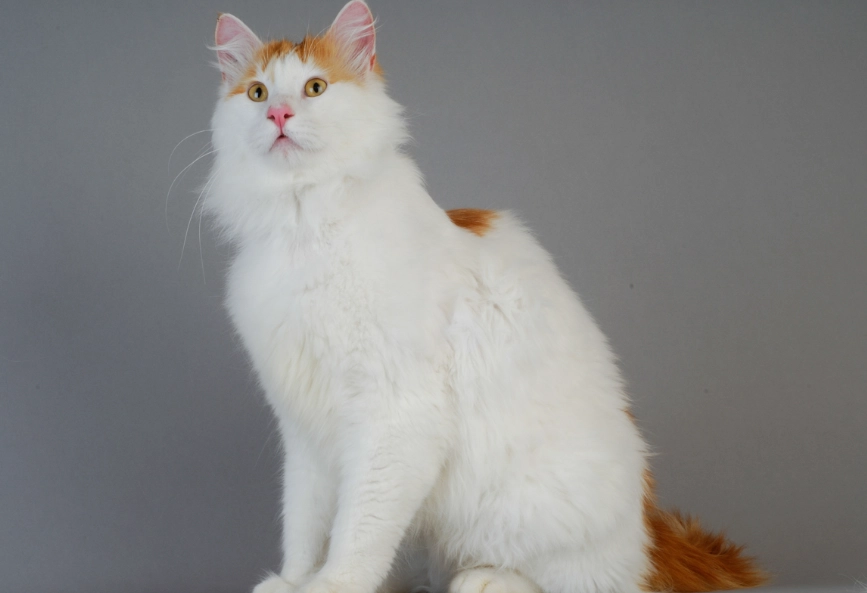
- Brushing: Twice a week is perfect. Use a fine-toothed steel comb and a soft bristle brush. The comb gets through the silk, the brush adds shine. Start from the head and work back. Pay special attention to the "breeches" (back legs) and the glorious tail, where loose hair can cling.
- Bathing: Don’t fear the bath. A bath every 4-8 weeks with a gentle, feline-specific shampoo keeps that orange brilliant. A dirty white Angora looks yellow; a dirty orange Angora looks muddy. The key is thorough drying in a warm, draft-free room.
- Shedding: They do shed, especially seasonally. The lack of undercoat means the hair floats in the air and forms dust bunnies rather than clinging to your clothes. A good air purifier is a worthwhile investment.
- Diet: Their coat health is a direct reflection of their diet. Feed a high-quality, protein-rich food. I’ve seen dull coats transform with the addition of omega-3 fatty acids (from fish oil, under vet guidance).
Health Considerations Specific to the Breed
Turkish Angoras are generally healthy, robust cats with a long lifespan (often 12-18 years). The orange color itself does not predispose them to any unique ailments. However, being a purebred, there are breed-specific conditions to be aware of.
The most significant one is Hypertrophic Cardiomyopathy (HCM), a form of heart disease. Reputable breeders screen their breeding cats for this via annual echocardiograms. When you talk to a breeder, ask for proof of recent HCM screening for the kitten’s parents. It’s a non-negotiable question.
Another condition linked to the breed is Ataxia, a hereditary neurological disorder seen in some lines. Kittens affected are apparent from a very young age (they have a wobbly, uncoordinated gait). Ethical breeders do not breed from carriers.
Deafness is often associated with white cats and blue eyes. Since orange Angoras are not white (though they can have white markings), this is less of a primary concern. However, always have a vet check a kitten’s hearing during its first wellness exam.
My advice? Pet insurance. Get it while the cat is young and healthy. It removes the financial dread from unexpected vet visits and allows you to focus on what’s best for your cat.
How to Find a Responsible Orange Turkish Angora Breeder
This is the most critical step. The allure of a rare orange kitten can lead people to make rushed decisions. Avoid online marketplaces like Craigslist or generic pet sale sites. Here is a step-by-step approach:
- Start with the Registries: Go to the websites of the Cat Fanciers' Association (CFA) or The International Cat Association (TICA). Use their "breeder referral" sections. Breeders listed here agree to a code of ethics.
- Prepare to Wait and Interview: Good breeders have waiting lists. They will also interview YOU extensively. Be prepared to answer questions about your home, other pets, and your lifestyle. This is a good sign.
- Visit the Cattery: Insist on visiting, either in person or via a detailed video call. See where the cats and kittens live. Are they clean, socialized, and part of the household?
- Ask for Documentation: Request health records for the kitten (vaccinations, deworming), genetic health screening results for the parents (HCM specifically), and the registration paperwork.
- Beware of Red Flags: Immediate availability, multiple litters on the ground, refusal to allow visits, lack of health testing, and pressure to pay upfront are all major warnings.
The price for an orange Turkish Angora kitten from a reputable breeder typically ranges from $1,200 to $2,500+, depending on lineage, location, and whether it’s meant for show or pet life (pet-quality cats are just as healthy and wonderful, just may have a minor cosmetic "flaw" per breed standards).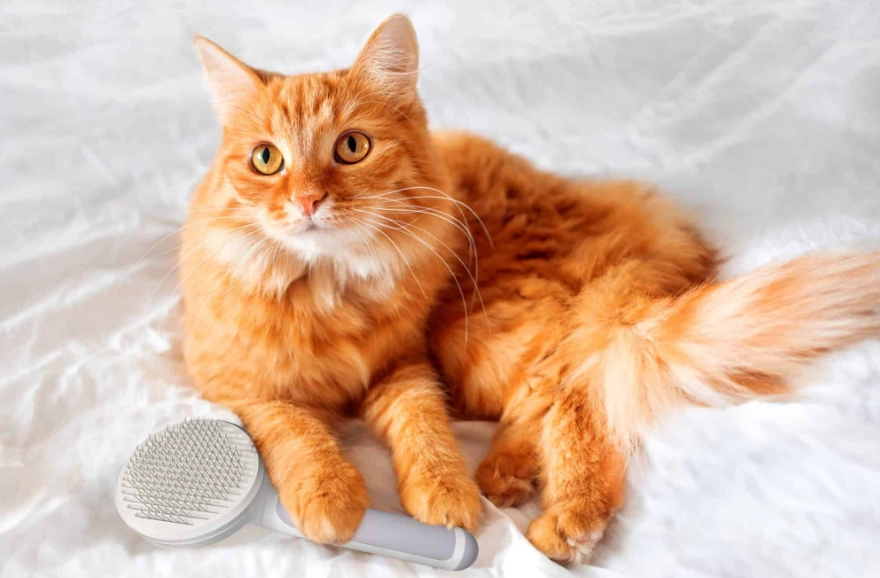
Your Questions Answered (FAQs)
Are orange Turkish Angoras more aggressive or vocal than other colors?
No, there's no evidence color dictates personality traits like aggression. Vocalization is a breed trait, not a color trait. All Turkish Angoras are communicative. An orange one won't be louder or quieter than a white or black one from the same lineage. The individual cat's personality and how it's socialized play a far greater role.
My orange Angora's coat looks dull and coppery, not vibrant. What am I doing wrong?
This is usually a diet or grooming issue, not a genetic one. First, review their food. Low-quality, grain-heavy diets can lead to a lackluster coat. Consider discussing a diet higher in animal protein or adding a vet-approved omega-3 supplement. Second, assess your grooming. A buildup of old skin oils (sebum) can dull the color. A proper bath with a clarifying shampoo (formulated for cats) can work wonders. Sun exposure can also bleach fur, so if they love a sunny windowsill, that might be the cause.
I've heard Turkish Angoras are hypoallergenic. Is an orange one better for allergies?
Let's be precise: no cat is 100% hypoallergenic. People are usually allergic to a protein (Fel d 1) in cat saliva, which gets on the fur during grooming. Turkish Angoras produce less of this allergen than some breeds, and their single coat sheds less dander into the environment. So, they are often better tolerated. The color has zero effect on allergen production. The only way to know is to spend time with an individual cat before committing.
 How do I stop my energetic orange Angora from waking me up at 5 AM?
This is a classic Angora challenge. They have high energy and an internal clock. The solution is management, not punishment. First, never feed them first thing in the morning when you wake up—this rewards the behavior. Feed them after your morning routine. Second, provide a vigorous 15-20 minute interactive play session right before your bedtime to tire them out. Finally, leave out puzzle feeders or food-dispensing toys overnight to give them a quiet, engaging activity. Consistency is key.
Can an orange Turkish Angora be a strictly indoor cat?
Absolutely, and I strongly recommend it. Their striking color and trusting nature make them targets for theft or accidents outdoors. They are highly adaptable and can thrive indoors if their environment is enriched. Provide tall cat trees for climbing, window perches for bird-watching, regular interactive play, and puzzle toys. If you crave to give them outdoor access, a secure, enclosed "catio" is the only safe option.
Bringing an orange Turkish Angora into your life is a commitment to beauty, brains, and boundless energy. It’s living with a piece of animated art that has strong opinions about how your day should go. By understanding their unique needs beyond the stunning coat—their genetic background, their need for engagement, their specific health checks—you set the stage for a long, vibrant, and deeply rewarding partnership. Do your homework, choose your breeder with care, and get ready for a life illuminated by a very special kind of feline sunshine.