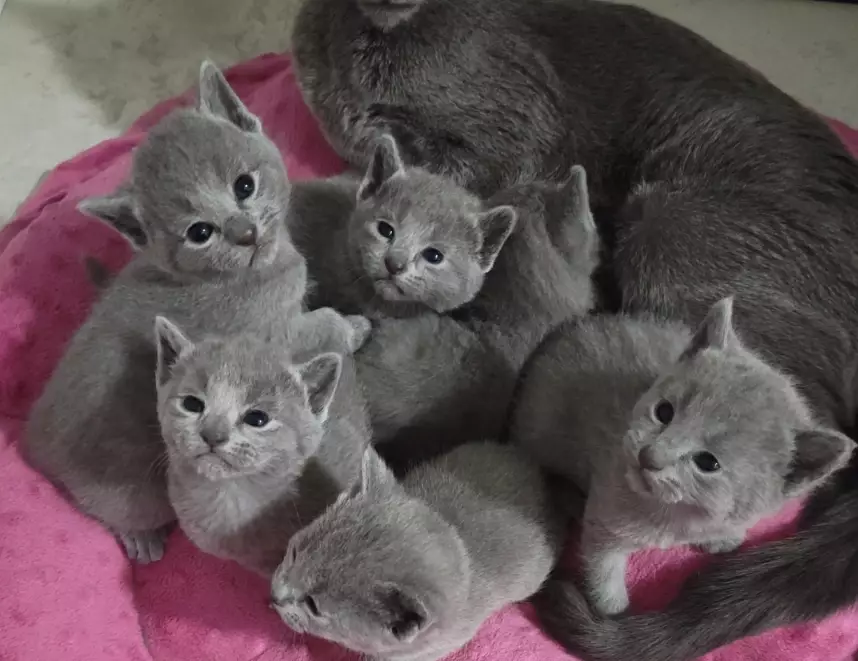
Yes, Russian Blue cats can be left alone, but it's not as simple as locking the door and walking away. I've had my Russian Blue, Smokey, for over six years, and through trial and error, I've learned that these cats handle solitude differently than other breeds. They're independent but deeply attached to their people—a mix that can lead to trouble if you're not careful. In this guide, I'll break down exactly what you need to know, from how long they can be solo to the subtle signs they're not coping well.
Jump Straight to What Matters
The Russian Blue Personality: Why Alone Time Matters
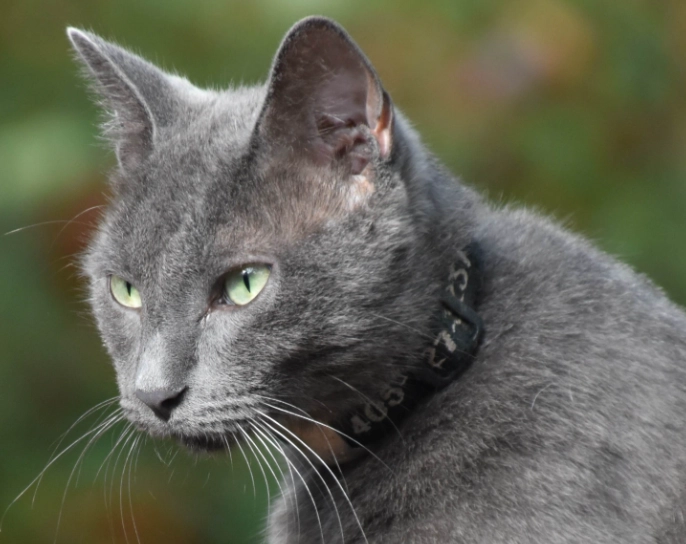
Russian Blues are often called "cat-dogs" because they form strong bonds with their owners. They'll follow you from room to room, not in a needy way, but like a quiet shadow. This loyalty means they notice when you're gone. Unlike some cats that couldn't care less, a Russian Blue might actually miss you.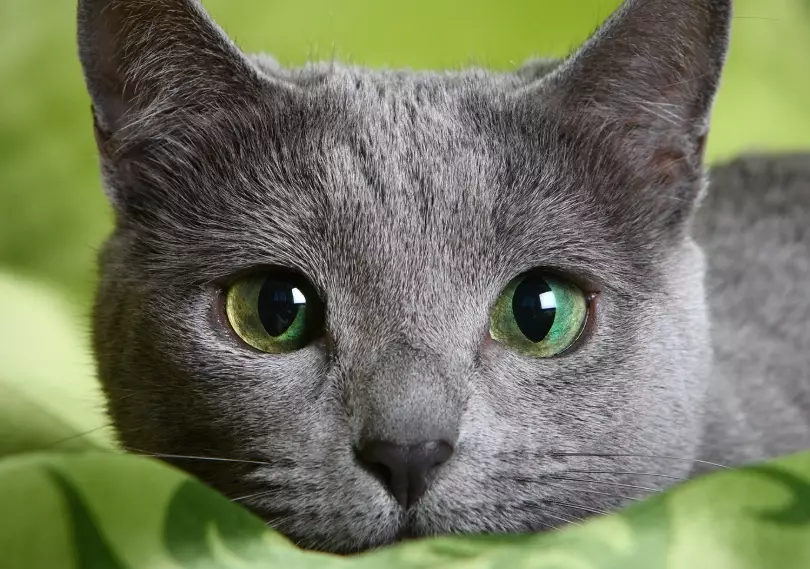
I remember when I first got Smokey. I thought his aloofness meant he'd be fine alone for hours. Wrong. After a few long workdays, he started hiding under the bed—a classic stress sign I missed initially.
Independent but Affectionate: A Balancing Act
These cats aren't clingy, but they crave routine. They enjoy their own space but within the context of your presence. It's like having a roommate who's fine doing their own thing as long as you're in the house. Leave for too long, and that balance tips.
Signs Your Russian Blue is Struggling with Solitude
Watch for over-grooming, especially on the belly or legs. Smokey did this once when I traveled for three days. Other signs include loss of appetite, excessive meowing when you return, or avoiding the litter box. These aren't just bad behaviors—they're cries for help.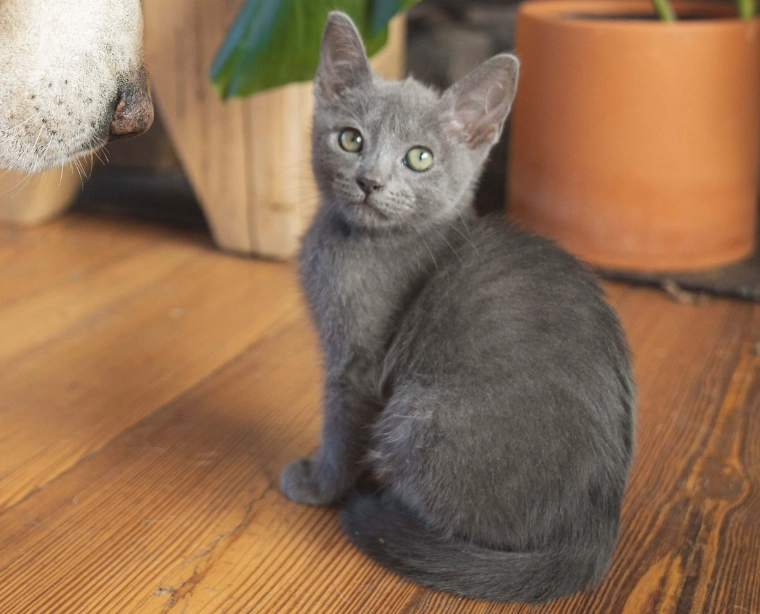
How to Prepare Your Russian Blue for Alone Time
Preparation is everything. You can't just wing it. Start by creating an environment that feels safe and engaging even when you're not there.
Think of it like childproofing, but for a clever cat. Russian Blues are smart—they get bored easily. I learned this the hard way when Smokey figured out how to open cabinet doors out of sheer boredom.
Creating a Safe and Stimulating Environment
First, secure your home. Check for small spaces where they might get stuck. Then, add enrichment. Here's what works for me:
- Puzzle feeders: These keep their minds busy. I use a simple one with hidden treats—Smokey loves it.
- Window perches: Russian Blues are curious. A view of birds or squirrels can provide hours of entertainment.
- Rotating toys: Don't leave all toys out. Swap them every few days to maintain novelty.
Also, consider a calming pheromone diffuser. Products like Feliway mimic natural cat pheromones and can reduce anxiety. I've found it takes the edge off during longer absences.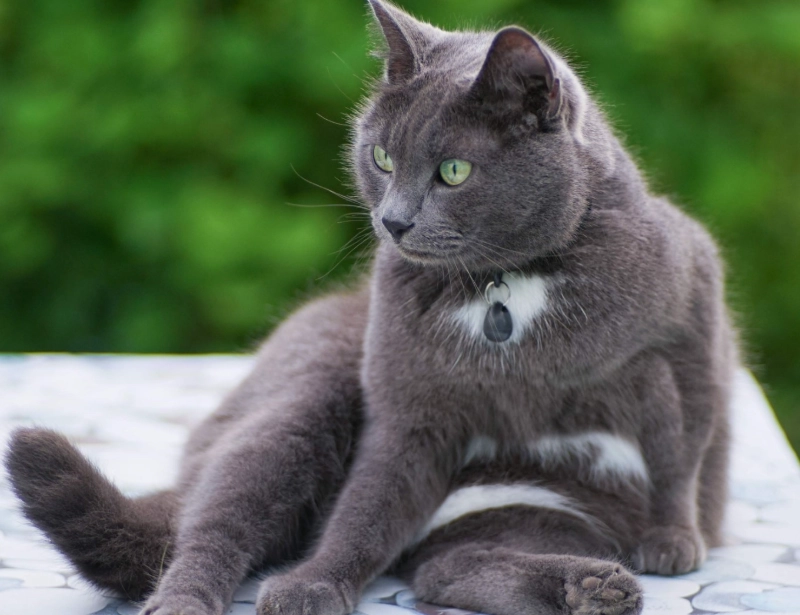
The Importance of Routine and Training
Cats thrive on predictability. Establish a consistent schedule for feeding, play, and quiet time. Before you leave, engage in a 15-minute play session to tire them out. When you return, avoid making a big fuss—it reinforces that departures and arrivals are normal.
Training might sound odd for cats, but Russian Blues can learn. Teach them to associate your departure with something positive, like a special treat. I give Smokey a lickable snack as I head out, so he now sees me leaving as a cue for something good.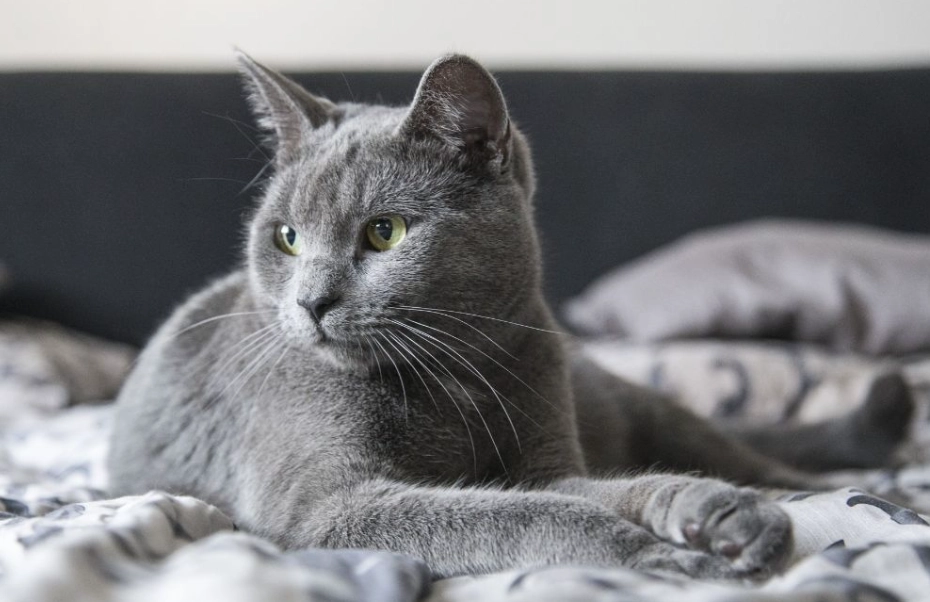
Practical Guidelines: Duration and Frequency
How long is too long? It depends on age, health, and personality. Here's a table based on my experience and advice from veterinarians I've consulted.
| Cat Age/Stage | Maximum Recommended Alone Time | Key Considerations |
|---|---|---|
| Kitten (under 1 year) | 2-4 hours | They need frequent feeding and socialization. Leaving them alone too long can hinder development. |
| Adult (1-7 years) | 8-10 hours | This is the sweet spot for a healthy adult. Ensure access to food, water, and litter. |
| Senior (8+ years) | 6-8 hours | Older cats may have health issues requiring more frequent check-ins. |
| Cat with anxiety | 4-6 hours | Requires extra preparation and possibly veterinary advice. |
These are guidelines, not rules. Smokey, as an adult, handles 9 hours fine if I've prepped well. But I never push beyond 10 hours—it's not worth the risk.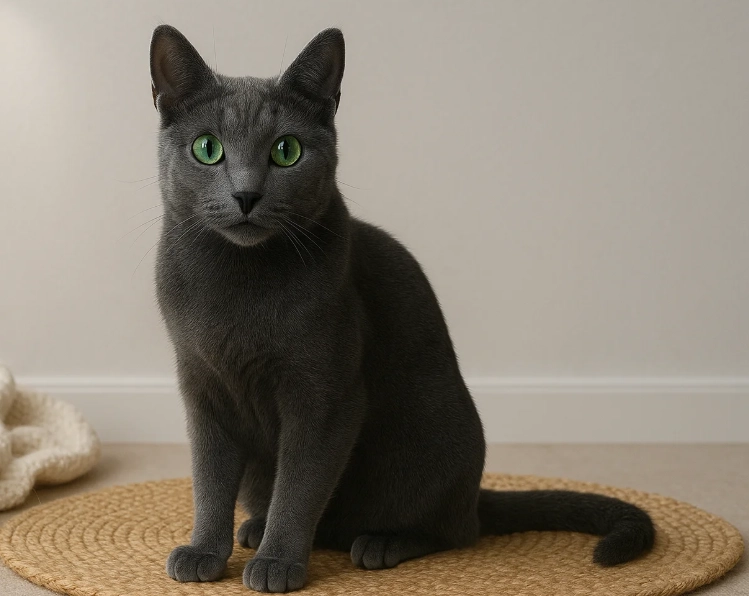
For Kittens vs. Adult Russian Blues
Kittens are a different ball game. They're like toddlers—full of energy and needing guidance. If you work full-time, consider a pet sitter or cat daycare for breaks. Adults are more resilient, but don't assume they're machines. Even a sturdy Russian Blue can develop issues if left alone daily for extended periods.
Common Mistakes Owners Make (and How to Avoid Them)
I've made plenty of mistakes, and I see other owners do the same. Here are the big ones.
Assuming independence means indifference. Russian Blues may seem aloof, but they're observing everything. Your absence is noted. Don't confuse their quiet nature with not caring.
Neglecting mental stimulation. Leaving out the same old toy bowl does nothing. Cats need novelty. I rotate Smokey's toys weekly, and it keeps him from getting destructive.
Overcompensating upon return. When you come home, it's tempting to shower them with attention. This can create anxiety around departures. Instead, keep it low-key. I usually ignore Smokey for the first 10 minutes, then give him a calm pet.
Ignoring subtle signs of stress. Cats don't bark or whine like dogs. Look for changes in behavior—a usually social cat hiding more, or changes in eating habits. Smokey once stopped eating his favorite treats, which was my red flag.
Another mistake: not consulting professionals. If you're struggling, talk to a vet or a cat behaviorist. Organizations like the International Cat Care offer resources on feline well-being that can provide backup for your approach.