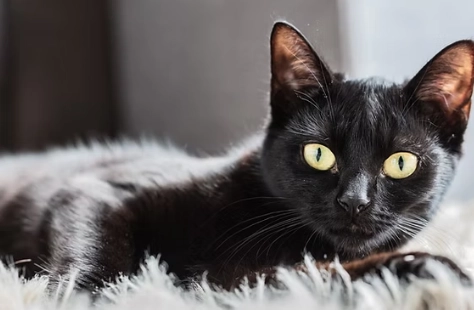
You've seen the stunning photos online—a sleek, muscular cat with large ears and an intense gaze, but covered in a coat of solid, jet black. The caption reads "Black Abyssinian." Your first thought might be, "Wow, I've never seen an Abyssinian like that. Are black Abyssinian cats rare?" The short, direct answer is yes, they are exceptionally rare in the context of purebred, pedigreed Abyssinians. But the full story is more fascinating and nuanced than a simple yes or no. It involves breed standards, genetics, and a bit of feline history. If you're captivated by the idea of a black "Aby" and are wondering if you can find one, what it might cost, or even if it's a good idea, you're in the right place.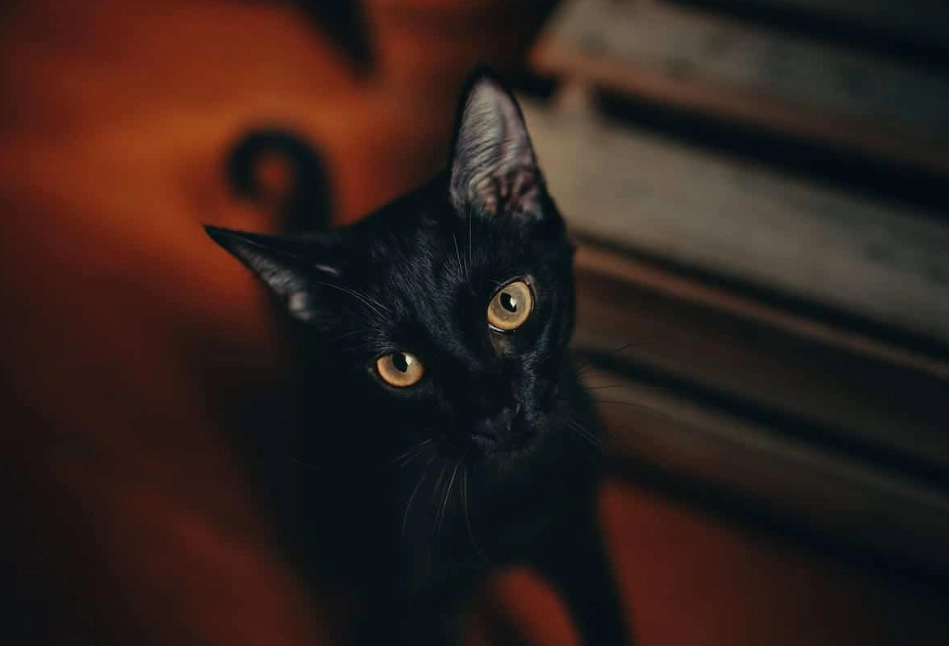
What You'll Discover in This Guide
The Breed Standard Reality: Why "Black" Isn't Official
Let's cut to the chase. Major cat registries like the Cat Fanciers' Association (CFA) and The International Cat Association (TICA) do not recognize a "black" color for the Abyssinian breed. This is the single biggest reason for their rarity in the show ring and among reputable breeders.
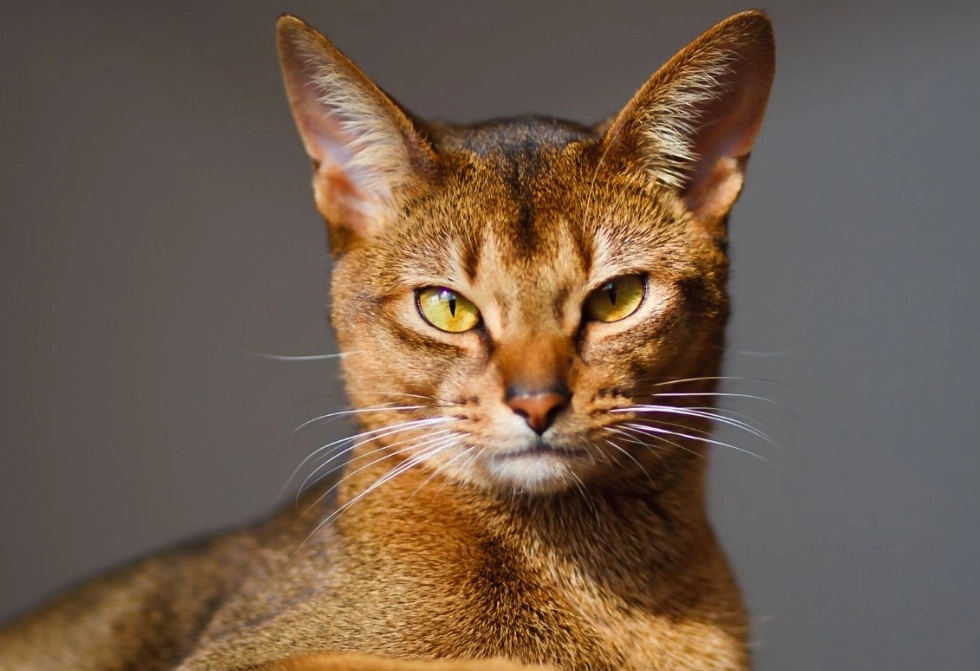
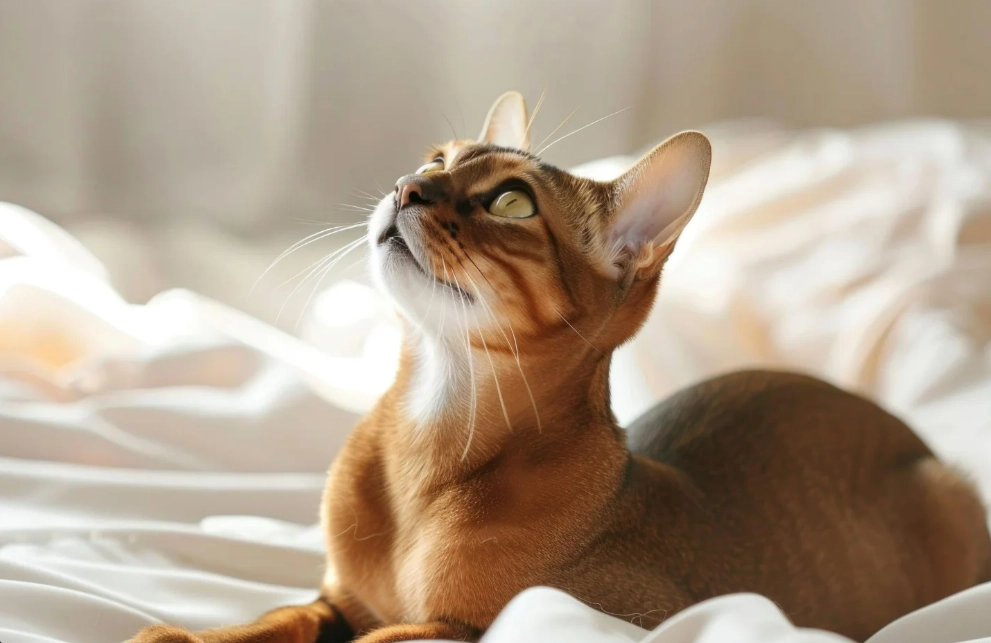
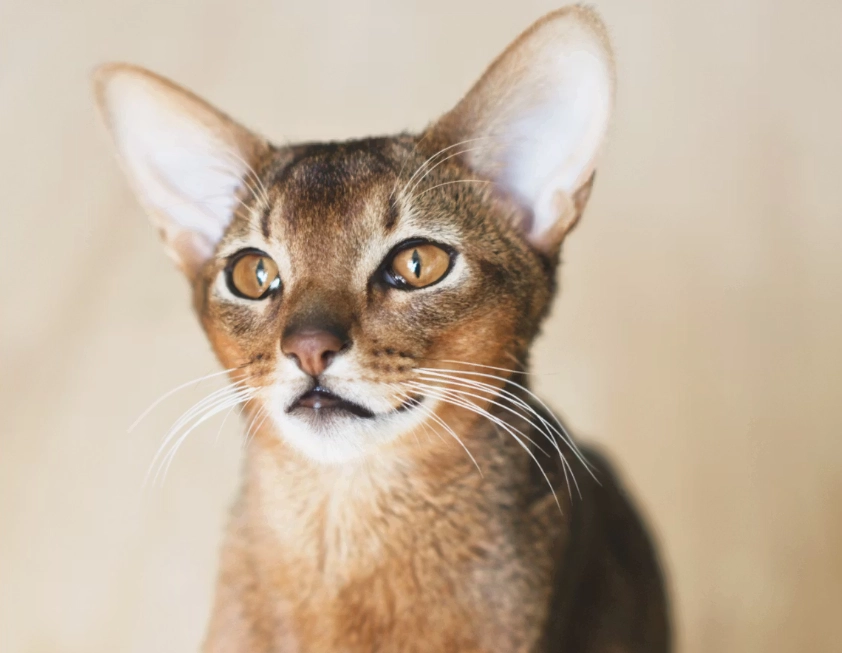
The Abyssinian is defined by its ticked tabby coat. Each hair has multiple bands of color (ticking), with no distinct stripes, spots, or solid patches. The goal is a warm, ruddy appearance. The accepted colors revolve around this ticking pattern:
Key Point: When breeders and enthusiasts talk about a "black Abyssinian," they are almost always referring to a cat that is not a show-quality, standard Abyssinian. It might be a poorly-ticked Ruddy that looks dark, a "sport" from a litter, or a mixed-breed cat that resembles an Aby.
| Recognized Abyssinian Color | Description (Base & Ticking) | Status |
|---|---|---|
| Ruddy (Usual) | Warm dark brown base with black ticking. | Most common, original color. |
| Red (Sorrel) | Copper-red base with chocolate brown ticking. | Common. |
| Blue | Soft beige-gray base with slate blue ticking. | Less common but accepted. |
| Fawn | Light cream base with light cocoa ticking. | Less common but accepted. |
| Silver Variants | Pure silver-white base with black, blue, etc. ticking. | Recognized in some registries (TICA). |
| Solid Black | Uniform jet black from root to tip. No ticking. |
A reputable breeder focused on preserving the breed's type and health will not intentionally breed for a solid black coat. It goes against their goal of producing kittens that meet the standard. So, a black kitten in a well-bred Aby litter is a genetic anomaly, not a sought-after feature. They might be sold as pet-quality with a strict spay/neuter contract.
The Genetics Behind the Coat: It's Not Simple
So how does a "black" Abyssinian even happen? It boils down to recessive genes and the complex interaction of the tabby pattern genes.
The classic Abyssinian ticked pattern is controlled by the Ticked Tabby gene (Ta). For a cat to be a proper Aby, it must have two copies of this gene (Ta/Ta). This gene suppresses the formation of stripes and swirls, allowing the banding on each hair to show. The agouti gene determines whether each hair is banded (agouti) or solid (non-agouti).
Here's where it gets interesting. A solid black coat occurs when a cat is non-agouti (a/a). This gene overrides the tabby pattern, making every hair solid from root to tip. If an Abyssinian (which is genetically agouti, A/_, to have ticking) carries two recessive non-agouti genes (a/a), it will appear solid black, losing all its ticking.
Think of it like this: The Abyssinian blueprint calls for a beautifully banded, warm coat. The non-agouti gene is like a thick layer of black paint thrown over the whole blueprint, obscuring all the intricate detail.
For two Ruddy Abyssinians to produce a solid black kitten, they both need to carry that recessive non-agouti gene (A/a). The odds are low in carefully selected breeding lines. This is why seeing one is such an unusual event.
The "Dark Ruddy" Illusion
Sometimes, lighting, photography, or a very heavily ticked Ruddy Aby can create the illusion of a nearly black cat, especially on the back and tail. In person, you'll still see the reddish undercoat and the subtle bands of color in the right light. This is often what gets mislabeled as a "black Abyssinian" online.
Finding a Black Cat: Your Real-World Options
Let's be practical. You love the Abyssinian personality—the playful, curious, "busybody" nature—but you're also drawn to the striking look of a solid black cat. What are your actual paths?
Option 1: The Rare Pedigreed Pet
You might get incredibly lucky and find a reputable breeder who has a solid black kitten from a litter. This kitten will be pet-quality only. Expect to pay a similar price to other pet-quality Abyssinians ($1,500 - $2,500+), but you must be prepared for the breeder to be very cautious. They will want to ensure you understand this cat is a genetic outlier and not for breeding. They may even have a waiting list of people specifically interested in such rarities.
Option 2: The Mixed-Breed Lookalike (Your Most Likely Scenario)
This is where most people who end up with a "black Aby" actually land. Domestic shorthair cats can have the lean, muscular build, large ears, and almond-shaped eyes that echo the Abyssinian look. A black cat with this body type is sometimes called an "Aby mix" or simply a cute black cat with an exotic appearance.
Your best bet? Check local shelters and rescues. Black cats are often the last to be adopted. You could find a wonderful, healthy companion with a personality you love for a fraction of the cost ($50 - $200). You're not getting a purebred, but you're giving a home to a cat in need who might just have that Aby-like spark.
Option 3: Beware of Red Flags
If a "breeder" actively advertises and breeds "rare black Abyssinians" at a premium price, run. This is a major warning sign of a backyard breeder or kitten mill. They are prioritizing a non-standard (and often genetically problematic) trait over health, temperament, and breed integrity. These cats are more likely to have health issues and unstable temperaments.
Health and Temperament: Does Color Matter?
For a well-bred Abyssinian, coat color does not affect personality. A Ruddy, a Blue, and a hypothetical black one from the same responsible breeder should all share the breed's trademark intelligence, activity level, and social nature.
The health concerns are tied to the breeding practices, not the color black itself. Reputable breeders test for known Aby issues like Pyruvate Kinase Deficiency (PKDef) and Progressive Retinal Atrophy (PRA). A breeder chasing rare colors is less likely to do this rigorous health screening.
One thing to note: Some anecdotal reports from owners of very dark or black-coated ticked cats suggest they can "rust" in sunlight, developing reddish-brown highlights. It's not a health issue, just a quirk of their pigment.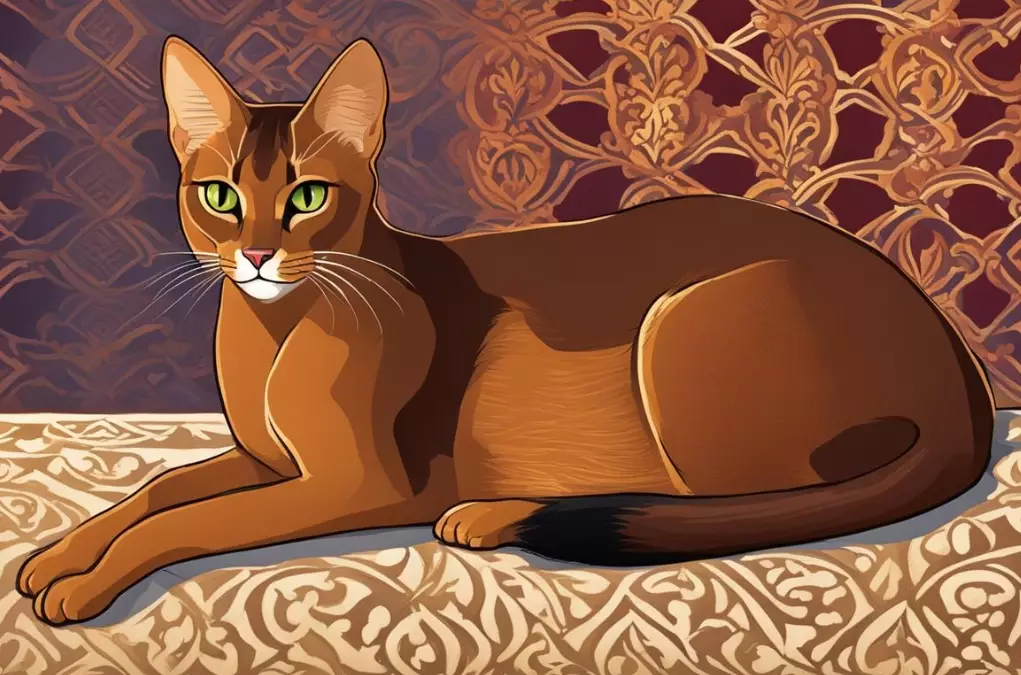
Your Black Abyssinian Questions Answered
 Are there any other cat breeds that naturally come in solid black but have an Aby-like personality?
 So, are black Abyssinian cats rare? Absolutely. In the world of official cat shows and ethical breeding, they are fascinating oddities. For the average cat lover, the quest often leads to appreciating the standard, stunning colors of the breed or discovering a wonderful black feline friend through adoption. The allure of the rare is powerful, but the reality of a healthy, happy cat is what truly matters.