Let’s clear this up right from the start. No, Singapore does not have an officially declared national cat. You won't find a presidential decree or an act of parliament naming a specific feline as the country's symbolic animal. The search for a "national cat" often leads people down two fascinating, intertwined paths: the quest for a purebred symbol and the reality of the cats that actually live in Singapore's heartlands. The real story is more interesting than a simple title. It's about a unique cat breed born from Singapore's streets and the millions of community cats that have become an inseparable part of the nation's urban fabric.
What You’ll Discover
Why Singapore Doesn’t Have an Official National Cat
Singapore has official national symbols: the lion for the Merlion, the orchid as the national flower, and the crimson sunbird as the national bird. These were chosen to represent aspects of the nation's identity—strength, hybrid beauty, and resilience. A national animal, however, isn't officially designated. The closest is the lion in symbolism, but that's mythical.
Introducing a national cat could be seen as unnecessary or even problematic. The government's focus has historically been on pragmatic urban management, including managing animal populations. Officially endorsing one type of cat, especially a specific breed, might send mixed signals when policies also address the control of stray populations. It's a subtle point, but in a multi-ethnic society where harmony is paramount, state endorsements are carefully considered.
More importantly, the cultural space for a "national cat" is already filled—not by decree, but by daily life. The cats you see in Housing & Development Board (HDB) estates, lounging under void decks, and being fed by aunties and uncles are the de facto feline representatives. Their unofficial status is precisely what makes them so authentically Singaporean.
The Singapore Cat: A Breed Born from Strays
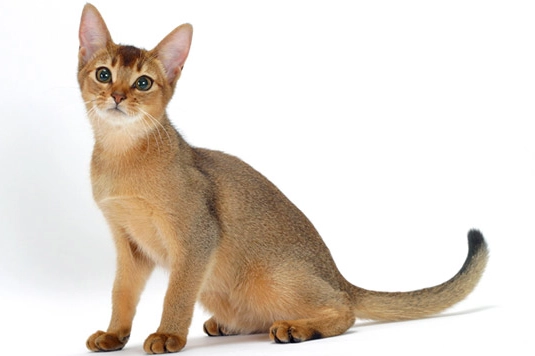
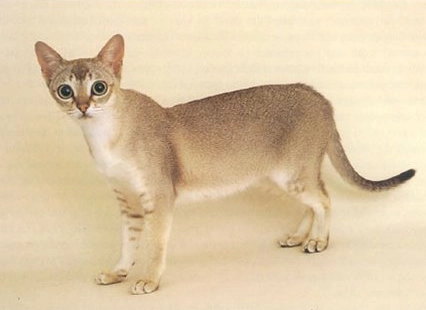
This is where most searches lead. The Singapore Cat, also known as the Singapura, is a cat breed that claims Singapore as its namesake and ancestral home. It's often presented as the natural candidate for a national cat title.
Here’s the twist: The breed's origin story is a subject of friendly debate among cat fanciers. The popular narrative is that in the 1970s, a couple named Tommy and Hal Meadow brought a few small, brown-ticked cats from Singapore to the United States, where they were developed into a formal breed. However, some research and whispers in the cat world suggest the cats might have had a more pan-Southeast Asian origin, possibly even being sourced from a shelter in Texas. The Cat Fanciers' Association (CFA) and The International Cat Association (TICA) recognize Singapore as its country of origin, cementing its link to the Lion City.
Despite the murky historical details, the Singapore Cat breed is very real and has distinct characteristics that make it a compelling ambassador.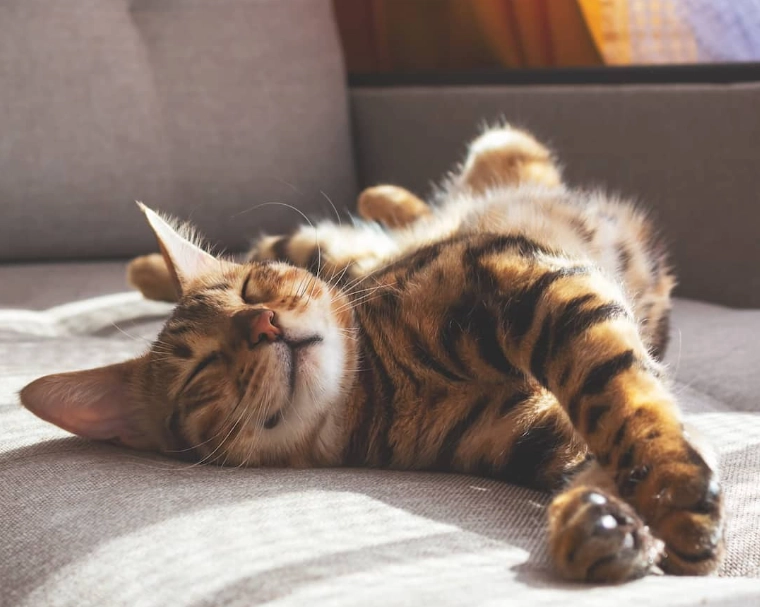
The Naming Controversy
I've spoken to breeders in Southeast Asia who roll their eyes at the name "Singapore Cat." Their point is this: the small, brown-ticked cat is a common landrace found across the region, from Thailand to Indonesia. Naming it after Singapore was a brilliant marketing move that gave it a unique, exotic identity in the West, but it arguably appropriated a broader regional phenotype. It's a bit like if someone took a common European garden bird, bred it selectively in Japan, and called it the "Tokyo Sparrow." It creates a brand, but it simplifies a more complex natural history.
Characteristics of the Singapore Cat Breed
| Feature | Description | Why It's Notable |
|---|---|---|
| Size | Extremely small. Often called the "world's smallest cat breed." Adult females can weigh as little as 4 lbs (1.8 kg). | Their petite size is a key breed hallmark, likely an adaptation from their street-dwelling ancestors. |
| Coat & Color | Short, fine coat. Only one accepted color: sepia agouti. Each hair has alternating bands of dark and light, giving a "ticked" appearance. | The warm ivory base with dark brown ticking resembles the sandy soils of Singapore. It's perfect camouflage. |
| Eyes & Ears | Large, almond-shaped eyes in hazel, green, or yellow. Notably large ears relative to head size. | Gives an alert, inquisitive expression. The large ears aid in heat dissipation, a practical trait for a tropical origin. |
| Personality | Described as curious, playful, affectionate, and people-oriented. They are not typically shy. | This "extroverted" personality is often highlighted as a contrast to the stereotype of aloof street cats. |
Finding a Singapore Cat in Singapore itself is ironically quite difficult. They are a rare, pedigreed breed. You're far more likely to encounter one in the United States or Europe than in a Singaporean home. This disconnect between the breed and the local cat population is the central irony of the "national cat" question.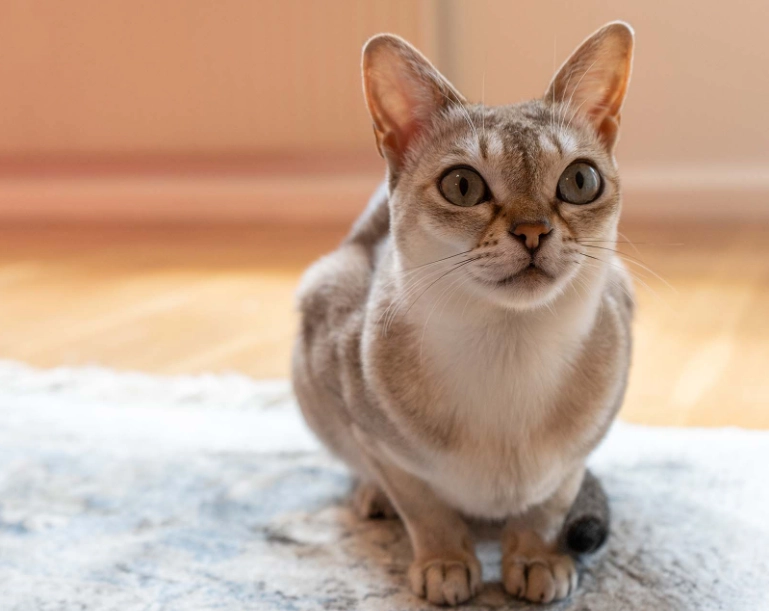
A Global Ambassador with Local Roots
The Singapore Cat Fanciers' Society works to promote the breed. While not an official national entity, it acts as a custodian of the breed's standard. The breed serves as a furry ambassador, introducing the world to a piece of Singapore's natural (or perceived natural) heritage. For tourists or cat enthusiasts learning about Singapore, the Singapore Cat is a neat, packaged answer. It’s the storybook version, while the reality on the ground is grittier and more communal.
Community Cats: The Unofficial National Feline
Walk through any mature HDB estate—Ang Mo Kio, Toa Payoh, Bedok—and you'll meet the true feline citizens of Singapore: the community cats. These are free-roaming, typically sterilised cats that live in housing estates, parks, and industrial areas. They are not owned by any one person but are cared for by a network of residents known as community cat caregivers.
This is where Singapore's cat story gets genuinely unique and impressive. Instead of a top-down "national cat," Singapore has built a bottom-up national model of community cat management.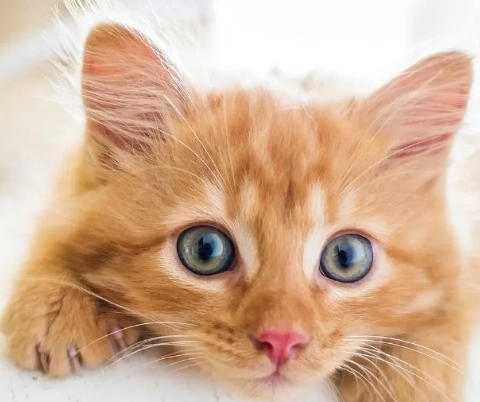
- The Stray Cat Sterilisation Programme: Spearheaded by the National Parks Board (NParks) Animal & Veterinary Service (AVS), this is a trap-neuter-release-manage (TNRM) program. Cats are humanely trapped, sterilised, vaccinated, ear-tipped for identification, and returned to their original location. This controls the population humanely without culling.
- The Role of Caregivers: Thousands of volunteers, often retirees or working professionals, dedicate time and money to feed these cats at designated areas, monitor their health, and socialise kittens for adoption. It's a massive, organised, yet decentralised effort.
- Public Education: AVS and cat welfare groups like the Cat Welfare Society run campaigns to teach the public how to coexist with community cats. The message is clear: these cats are part of the community; don't feed them indiscriminately, don't abuse them, and report sick or injured animals.
I've spent evenings with caregivers in Bishan. It's not just about dumping food. They know each cat's name, personality, and medical history. "This is Whiskers, he's shy but has a clean bill of health. That's Calico, she was adopted last month but her sibling is still here." This deep, personal stewardship creates a safety net that is arguably more effective and compassionate than any symbolic title.
These community cats, with their diverse coats and personalities, are the living, breathing answer to "What is Singapore's national cat?" They are a shared responsibility and a common sight, woven into the daily rhythm of life. They represent Singapore's pragmatic approach to problem-solving and its capacity for community-led care.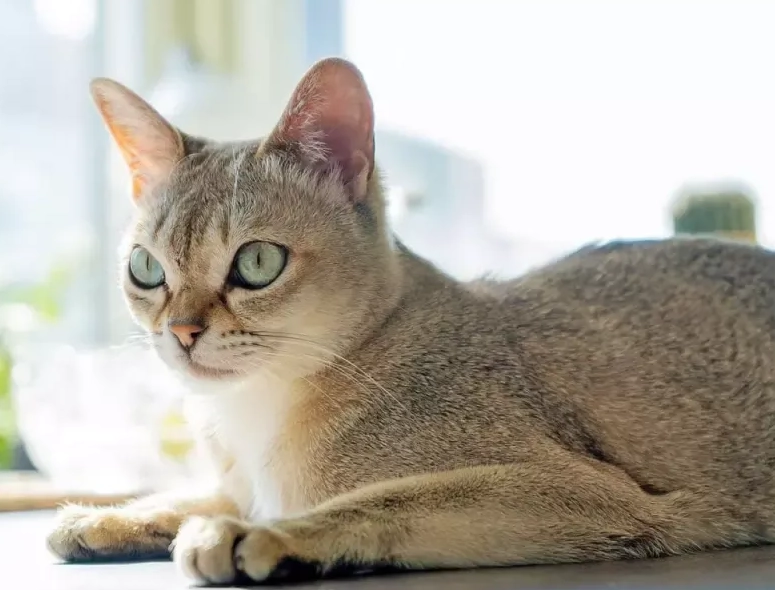
Your Questions Answered
Can I adopt a Singapore Cat breed if I live in Singapore?
It's very challenging. There are only a handful of reputable breeders worldwide, and I don't know of any actively breeding in Singapore. Importing one is a complex, expensive process involving quarantine. If you want a cat that looks like the Singapore Cat, visit a local shelter. Many local mixed-breed cats ("Singapore Specials") have the same agouti ticking and petite size. Adopting one is cheaper, easier, and directly helps the local cat community.
Are Singapore's stray cats dangerous or a nuisance?
The sterilised community cats managed under the TNRM program are generally not a nuisance. Sterilisation reduces mating behaviors like yowling and spraying. Most are wary of people and keep their distance. Problems usually arise from irresponsible human behavior: people feeding cats in non-designated areas (leading to litter and pests) or illegally abandoning their pet cats, who are not socialized to street life. The cats themselves are just trying to survive.
What's the biggest misconception about cats in Singapore?
That they are "dirty" or disease-ridden. Sterilised community cats vaccinated through TNRM programs are often healthier than people assume. The major vector for diseases like rabies in Southeast Asia is dogs, not cats. Singapore has been rabies-free since 1953. The misconception leads to fear, which sometimes leads to abuse or calls for culling, which studies show is ineffective long-term compared to TNRM.
How can I responsibly interact with a community cat in Singapore?
Observe first. If the cat has a clean, tipped ear, it's sterilised and part of the managed population. Don't chase or try to pet it if it seems skittish. Never feed it unless you are a registered caregiver for that area—random feeding disrupts managed feeding schedules and attracts pests. If you find a sick or injured cat, note its location and description and contact the AVS or a cat welfare group. If you want to help, consider donating to or volunteering with the Cat Welfare Society instead of taking individual action.
Is the Singapore Cat breed a good pet?
By all accounts from owners, yes. They are known for being social, intelligent, and bonding closely with their families. However, their rarity makes them expensive ($1,500 to $2,500 USD from a reputable breeder), and the ethics of breeding pedigreed cats while shelter animals need homes is a personal debate. Their small size doesn't mean less care—they require the same commitment as any cat: yearly vet checkups, a quality diet, and plenty of enrichment.
So, while you won't find a national cat in Singapore's constitution, you'll find its spirit alive in the amber eyes of a cat napping under a void deck, and its story told in the elegant lines of the Singapore Cat breed. One represents the complex, communal reality of life in the city. The other represents a curated, global identity. Both are valid answers, and understanding both gives you the full, rich picture of Singapore's unique relationship with the feline world.