If you're an allergy sufferer dreaming of a cat, you've probably heard the claim: Russian Blue cats are hypoallergenic. It's repeated on forums, in breed descriptions, and by hopeful owners. But here's the raw truth from someone who's been around cats and allergies for years: no cat is 100% hypoallergenic. The term itself is a bit of a marketing mirage. However, the Russian Blue has specific traits that might make it a more manageable companion for some people with mild to moderate allergies. The key is understanding the "why" and the "how" before you bring one home.
What's Inside?
What Makes a Cat "Hypoallergenic"?
First, let's bust the biggest myth. People think cat allergies are caused by fur. That's wrong. The primary culprit is a protein called Fel d 1, produced in a cat's salivary and sebaceous (skin) glands. When a cat grooms itself, the saliva (loaded with Fel d 1) dries on its fur and becomes airborne as dander (dead skin cells). This dander is what you inhale or gets on your skin.
So, a "hypoallergenic" cat isn't a non-shedding or fur-free cat. It's a cat that may produce less of the Fel d 1 protein, or whose physical characteristics (like coat type) help trap the allergen closer to the body, preventing it from circulating as much in your environment.
The Russian Blue's Potential Allergy Advantage
Now, why does the Russian Blue get so much hype? It's not magic; it's a combination of specific, observable traits.
1. Their Famous Double Coat
The Russian Blue has a unique, dense, plush double coat. The undercoat is soft and thick, while the guard hairs (the topcoat) are finer and longer. This dense structure can act like a filter, potentially trapping more of the allergen-laden dander close to the skin instead of letting it float freely into your room. Compare this to a single-coated cat with fine hair that sheds and floats everywhere—it's a different ball game for allergen distribution.
2. They Are Meticulous, But Not Excessive, Groomers
Yes, they groom themselves. All cats do. But Russian Blues are often described as fastidious, not obsessive. Less vigorous licking might mean slightly less saliva being spread over their coat during a grooming session. This is a subtle point, but in allergy management, every little bit counts.
3. Lower Shedding (Usually)
Their tight coat means they tend to shed less than many other breeds. Less shedding directly translates to less loose fur (and the allergens stuck to it) being deposited on your couch, clothes, and carpets. However, they do have shedding seasons, typically in spring and fall. Anyone who tells you they "never shed" is selling you a fantasy.
Here's the kicker, though: there's no definitive scientific study that proves Russian Blues produce less Fel d 1 protein than the average domestic shorthair. The evidence is largely anecdotal. The Asthma and Allergy Foundation of America cautions that there are no truly hypoallergenic breeds. The benefit likely comes from the coat's ability to contain allergens and the lower shedding, not a fundamental difference in their biochemistry.
How to Live with a Russian Blue If You Have Allergies
Let's say you're cautiously optimistic. You've found a reputable breeder or rescue with a Russian Blue. Success isn't just about the cat; it's about your environmental management strategy. This is where most hopeful owners fail—they get the cat and hope for the best. You need a plan.
Step 1: The Pre-Commitment Test. Don't buy or adopt on a whim. Spend extended, repeated time with a Russian Blue. Visit a breeder multiple times, sit in a room with the cat for an hour or two. See how your body reacts over several visits. This is non-negotiable.
Step 2: Create an Allergy-Friendly Home Zone.
- Air Purification is King: Get a true HEPA air purifier and run it in the main living area and your bedroom. This captures airborne dander.
- The Bedroom Ban: Make your bedroom a cat-free sanctuary. This gives your immune system 8 hours of relief each night.
- Fabric is the Enemy: Replace heavy curtains with blinds. Choose leather or vinyl furniture over cloth. Use washable slipcovers.
Step 3: Rigorous Cleaning Protocol.
- Vacuum everything with a HEPA-filter vacuum cleaner every other day. Floors, furniture, even walls.
- Wash your hands after petting the cat. Avoid touching your face.
- Consider bathing the cat every 4-6 weeks with a shampoo designed to reduce dander. Start this young so they get used to it. It's not fun, but it helps.
- Wipe the cat down with a damp cloth or pet-safe allergen-reducing wipes a few times a week to remove loose dander from their coat.
Step 4: Talk to Your Doctor. This isn't just pet advice; it's medical advice. Consult an allergist. Over-the-counter antihistamines, nasal sprays, or even allergy shots (immunotherapy) can make cohabitation possible.
How the Russian Blue Stacks Up Against Other "Hypoallergenic" Breeds
It's helpful to see where the Russian Blue fits in the landscape of supposedly allergy-friendly cats. Remember, individual variation within a breed is huge.
| Breed | Key Trait for Allergy Sufferers | Potential Drawback | Allergen Containment Theory |
|---|---|---|---|
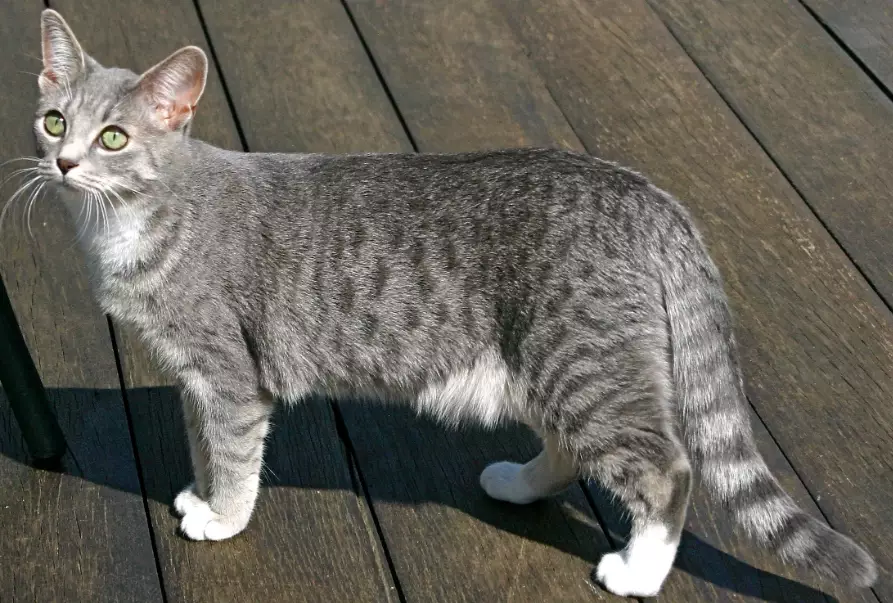
| Russian Blue | Dense double coat traps dander; lower shedding. | Still produces Fel d 1; seasonal shedding. | Coat acts as a physical barrier. |
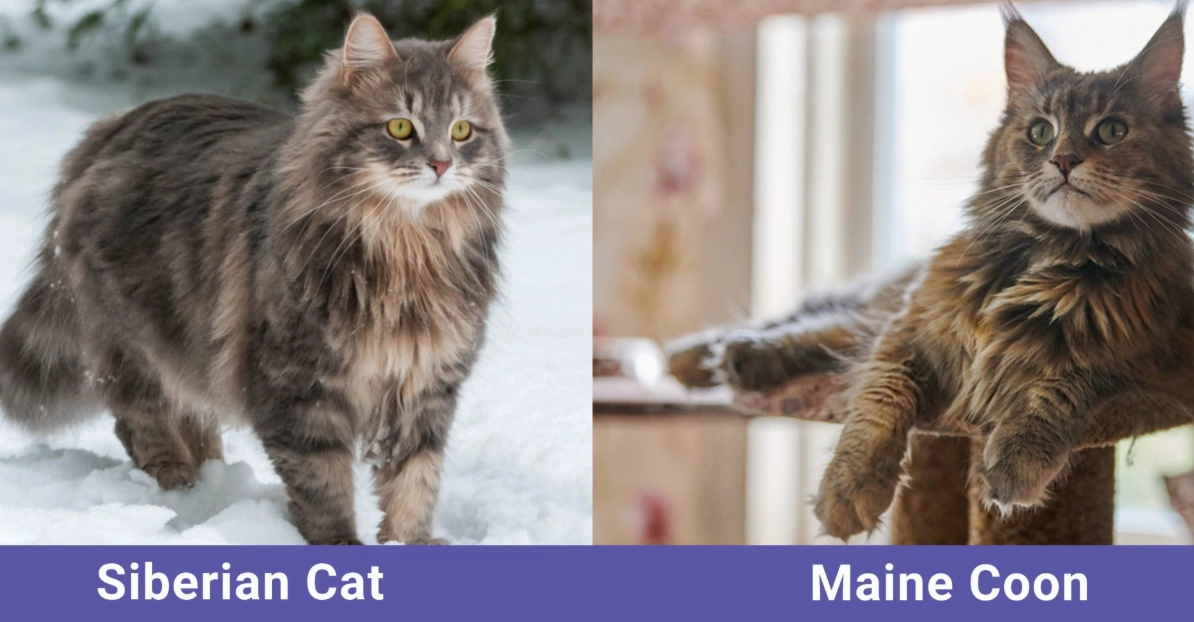
| Siberian | Some studies suggest some individuals may produce less Fel d 1. | Long, thick triple coat requires high maintenance and sheds. | Possible lower protein production + coat containment. |
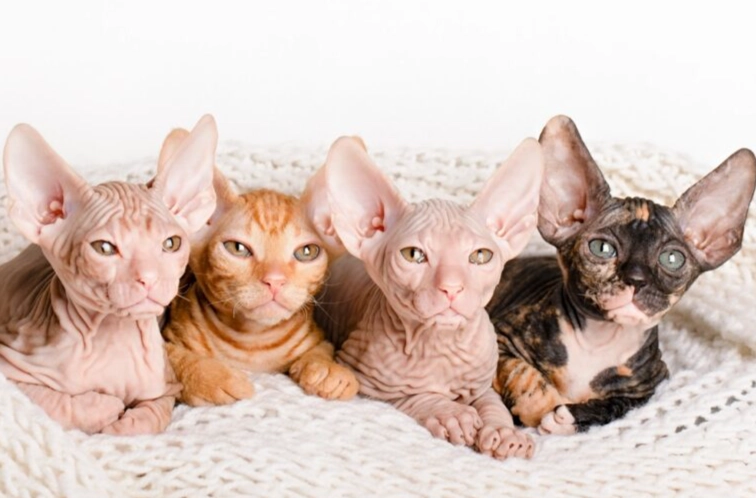
| Sphynx | No fur to hold dander; easy to bathe. | Oily skin produces sebum (with Fel d 1) directly; requires weekly bathing. | Allergen is on skin, not fur, but is still present and transferable. |
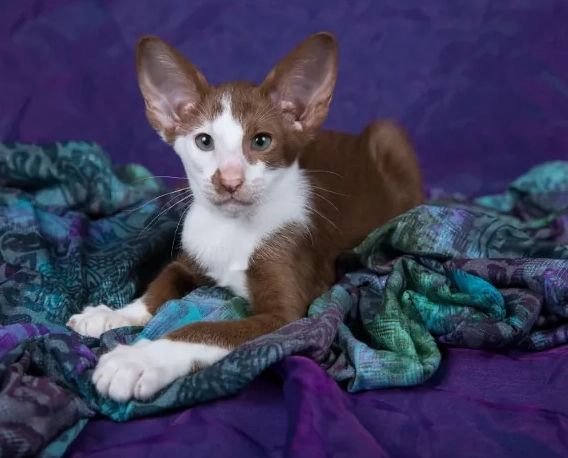
| Balinese / Oriental Shorthair | Reported to produce lower levels of Fel d 1 protein. | Single, fine coat sheds and allows dander to become airborne easily. | Biochemical difference (lower protein), but poor physical containment. |
| Devon Rex / Cornish Rex | Very short, curly, single coat that sheds minimally. | Oily skin; require frequent bathing to prevent oil/dander buildup. | Minimal shedding reduces dispersal, but skin needs direct cleaning. |
As you can see, every breed has a trade-off. The Russian Blue's appeal is its balance of a potentially containment-friendly coat with a reputation for being a lower-shedder, without the extreme grooming needs of a hairless or Rex cat.
Your Burning Questions Answered
So, are Blue Russian cats hypoallergenic? Not in the absolute sense. But they possess a set of characteristics—that remarkable dense coat, lower shedding tendency, and calm demeanor—that can make them a more viable option for some allergy sufferers willing to do the work. The responsibility lies with you, the human, to manage your environment aggressively. There are no guarantees, only better odds. Do your homework, test your reactions, and have a solid plan. Bringing any pet into your home is a commitment, but when allergies are in the mix, that commitment needs to be strategic.