What’s Inside?
- More Than Just a Pretty Face: The Siamese Cat's Rich History
- Spotting a Siamese: Looks, Colors, and That Famous Personality
- Daily Life with a Siamese: A Realistic Care Guide
- Health and Lifespan: What to Watch For
- Finding Your Siamese Companion: Breeder vs. Rescue
- Answering Your Burning Questions
- Final Thoughts: Is a Siamese Cat Right for You?
You probably searched for "siamese siamese cats" – and hey, that's a common slip. It just shows how much these elegant, chatty felines capture our imagination. One "Siamese" is enough to conjure up those piercing blue eyes and that sleek, color-pointed coat. But what's the real deal behind the glamour? Are they the right fit for your home, your lifestyle, your sanity even?
I've lived with cats my whole life, and my first Siamese, a seal point named Leo, was a lesson in feline personality I'll never forget. He wasn't just a pet; he was a roommate with opinions, a supervisor for all household activities, and an alarm clock that never needed batteries. Let's just say life was never quiet, but it was also never boring.
This guide isn't just a dry list of facts. It's the deep dive I wish I had before I brought Leo home. We'll strip away the myths, get real about the pros and the cons (yes, there are cons), and give you the unvarnished truth about sharing your life with one of these extraordinary creatures.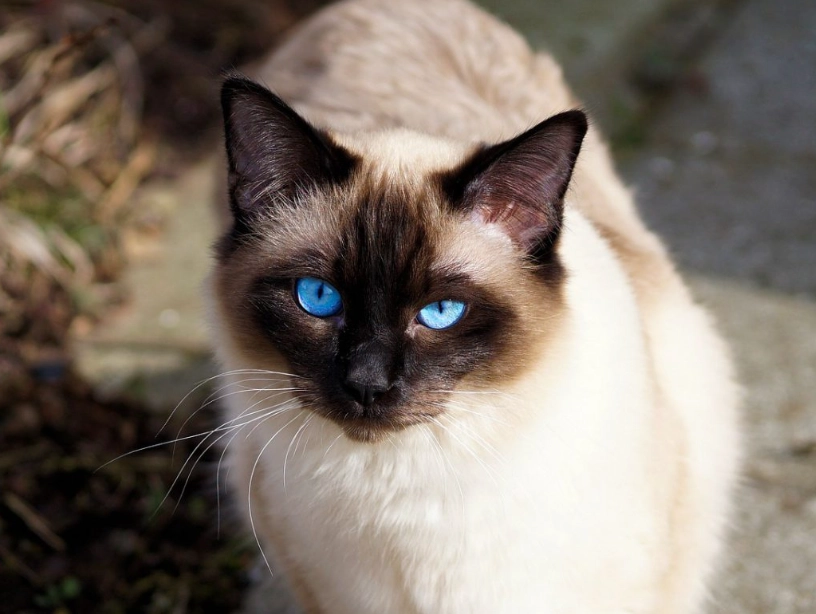
More Than Just a Pretty Face: The Siamese Cat's Rich History
Forget the idea that Siamese cats are just a modern invention. Their story starts in the Kingdom of Siam, now Thailand, where they were treasured as palace and temple cats. I find it fascinating that they weren't just pets but were considered to bring good fortune and guard sacred spaces. Royalty literally believed these cats would receive their souls. Talk about high expectations!
The journey to the West is a tale in itself. They first caused a sensation in late 19th-century England. The story goes that the King of Siam gifted a pair to a British consul-general. Imagine the sight at those early cat shows – people had never seen anything like these slender, pointed cats with their loud voices. They were exotic, mysterious, and instantly coveted.
But here's something not everyone knows: the original Siamese cat looked different. Much different. Old photos and descriptions point to a cat with a more rounded head, a less extreme body type, and sometimes even a kink in the tail. The super-sleek, wedge-headed look we often associate with Siamese cats today is the result of selective breeding over decades, pushing for a more "refined" appearance.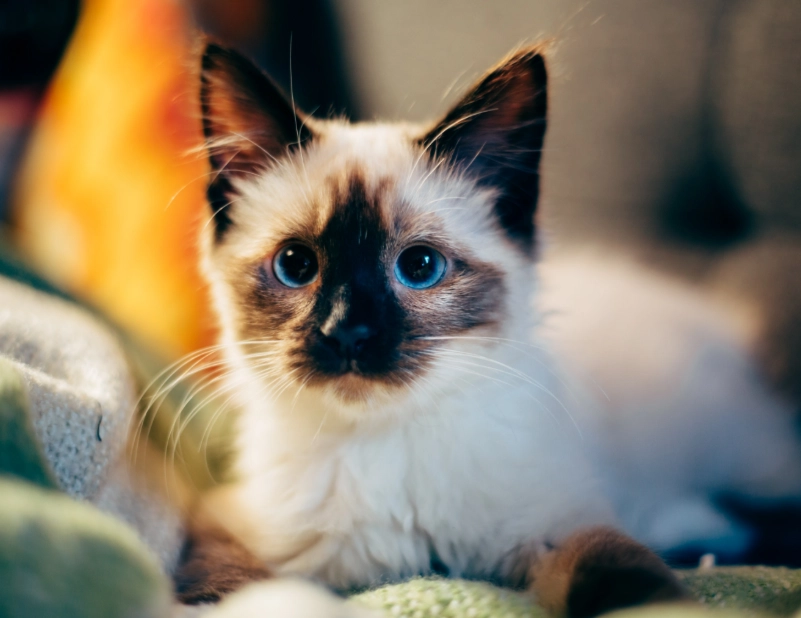
Quick History Snapshot: The first recorded Siamese cat in the U.S. was a gift to President Rutherford B. Hayes's wife in 1878. Sadly, that cat didn't live long, but it planted the seed for the breed's American popularity. You can see early breed standards and photos on the Cat Fanciers' Association (CFA) website, which is a great resource for understanding how breed standards evolve.
Spotting a Siamese: Looks, Colors, and That Famous Personality
Okay, let's get into the nitty-gritty. What makes a Siamese cat a Siamese cat? It's more than just blue eyes.
The Classic Blue Eyes and Color Points
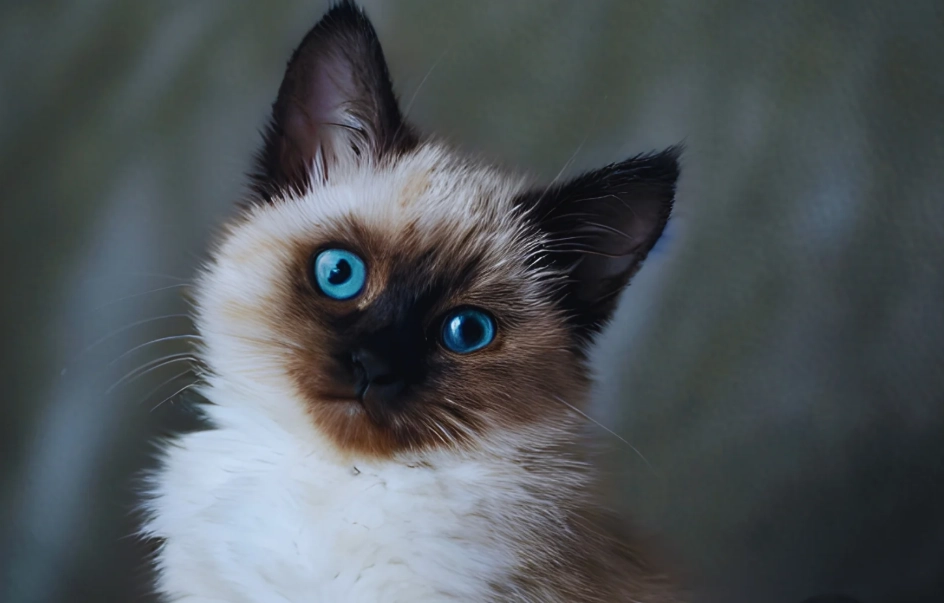
It all comes down to a temperature-sensitive enzyme. Seriously. The gene responsible for their color (a form of partial albinism) only allows dark pigment to develop on the cooler parts of their body – the ears, face mask, paws, and tail. That's why they're born white and develop their points as they grow. The core colors you'll see are:
- Seal Point: Deep, almost black-brown points on a pale cream to fawn body. This is the classic, most recognized look.
- Chocolate Point: Warm milk-chocolate points on an ivory body. Softer and sweeter looking, in my opinion.
- Blue Point: Slate gray points on a bluish-white body. Cool, elegant, and stunning.
- Lilac Point: Frosty gray with pinkish tones on a magnolia-white body. The most delicate of the traditional colors.
Modern breeding has introduced other patterns like tabby points ("lynx point") and tortie points, which are recognized by some registries like The International Cat Association (TICA).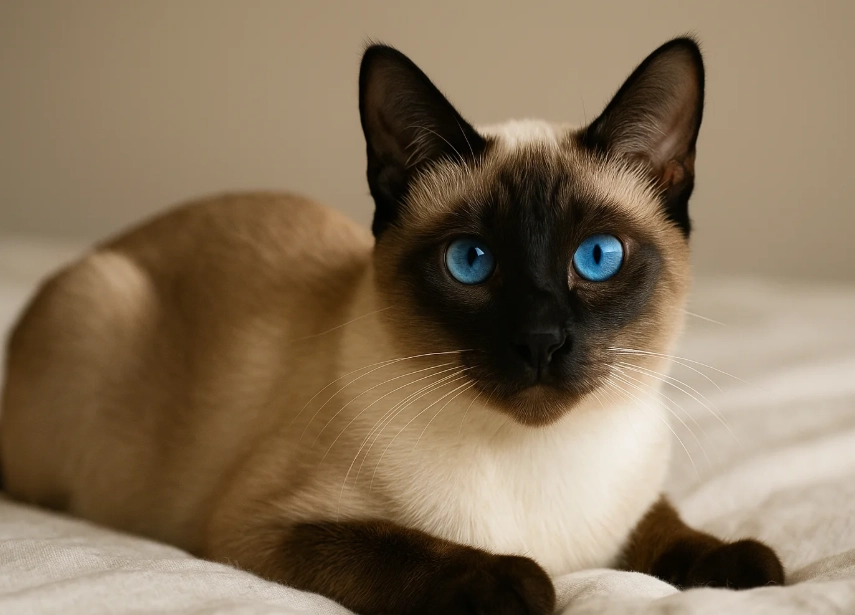
Traditional vs. Modern: A Tale of Two Types
This is a huge point of discussion among cat lovers. The look of Siamese cats has genuinely split into two camps.
| Feature | Traditional / Applehead Siamese | Modern / Wedgehead Siamese |
|---|---|---|
| Head Shape | Rounded, "apple" shaped | Long, triangular wedge |
| Body Type | Moderate, more muscular | Extremely long, slender, tubular |
| Eyes | Slightly less almond-shaped | Pronounced almond slant |
| Overall Impression | Sturdy, classic | Extreme, elegant, angular |
Personally, I lean towards the traditional type. They just seem sturdier to me, and many long-time owners report fewer health issues. The modern type can sometimes look a bit fragile, though there's no denying their striking beauty. When you're looking for a Siamese siamese cat, knowing which type appeals to you is the first step.
Personality: The Good, The Loud, and The Velcro
If you want a quiet, independent cat that minds its own business, stop reading now. A Siamese cat is the opposite of that.
They are famously, gloriously, sometimes infuriatingly vocal. We're not talking about cute meows. It's a loud, low-pitched, raspy yowl. They talk to tell you they're hungry, bored, happy, or that you're focusing on the wrong thing (like your computer instead of them). Leo had specific sounds for "I'm upstairs and you're downstairs, this is unacceptable" and "My food bowl is half empty, this is a crisis."
They are also unbelievably social and attached. The term "Velcro cat" was invented for them. They will follow you from room to room, supervise your toilet time, and demand to be involved in everything. This isn't casual affection; it's a deep need for companionship. Leaving a Siamese alone for long hours is a recipe for a very unhappy, destructive, and noisy cat. They can get lonely and develop anxiety.
On the flip side, this makes them incredibly interactive and playful well into old age. They're whip-smart. You can teach them tricks (fetch is a common one), they learn to open doors and cabinets, and they need mental stimulation. Puzzle feeders are a must.
Let's Be Real, Though: That intense neediness can be overwhelming. If you travel a lot, work 12-hour days, or crave a lot of personal space, the Siamese personality might feel like too much. It's not a flaw in the cat; it's a mismatch with the human. I've seen it happen.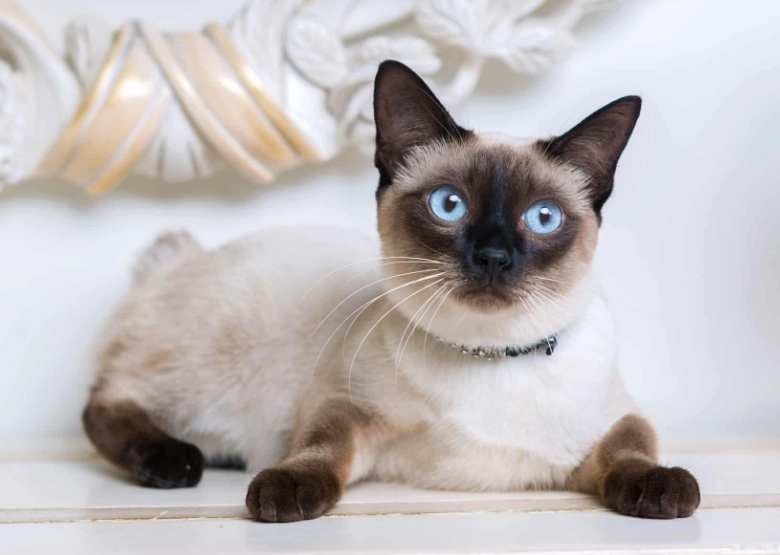
Daily Life with a Siamese: A Realistic Care Guide
Okay, so you're still interested. What does caring for one of these charismatic creatures actually look like day-to-day?
Grooming: Easier Than You Think
Here's some good news. Their short, fine coat is a dream to maintain. A quick weekly brush with a rubber grooming mitt or a fine-bristled brush is plenty to remove loose hair and distribute skin oils. They shed, but it's less noticeable than with a long-haired cat.
The real grooming focus is on their teeth and ears. Siamese cats can be prone to dental issues, so getting them used to tooth brushing early is a golden habit. Their large, prominent ears also need a weekly check and gentle wipe with a damp cloth to prevent wax buildup.
Feeding: Fueling the Furry Rocket
These are active, high-metabolism cats. They need quality food. I'm a big advocate for high-protein, meat-based wet food as a staple, with a measured amount of high-quality dry kibble for grazing if needed. Avoid free-feeding, as some Siamese can become overweight if they lead a more sedentary life (though that's rare).
Always ensure fresh water is available. Some Siamese are quirky drinkers and prefer a cat water fountain – the moving water entices them to drink more, which is great for urinary tract health.
Quick Daily Care Checklist:
- Fresh food and water (monitor intake)
- Litter box scooping (they are notoriously fussy about clean boxes)
- 5-10 minutes of interactive play (feather wand, laser pointer)
- A good chat session (they'll initiate this)
- Quick cuddle/check-in for any signs of illness
Environment: Making Your Home Siamese-Friendly
Think vertical space. Cat trees, tall scratching posts, and window perches are non-negotiable. They love to survey their kingdom from up high. Provide a variety of scratching surfaces (sisal, cardboard) to save your furniture.
Because they are so intelligent, boredom is your enemy. Rotate their toys, introduce food puzzles, and consider harness training for safe outdoor exploration. Yes, you can leash-train a Siamese cat! Many take to it well because it's a new adventure.
Health and Lifespan: What to Watch For
Siamese cats are generally healthy and can live 15-20 years, sometimes longer. But like all purebreds, they have some genetic predispositions to be aware of. A responsible breeder will test for these.
- Progressive Retinal Atrophy (PRA): A genetic disease that causes blindness. Reputable breeders screen for it.
- Amyloidosis: A liver disease that can affect some lines.
- Dental Disease: We mentioned this – it's a big one. Regular vet cleanings are key.
- Respiratory Issues: Some lines, especially the extreme modern types, can be prone to asthma and other bronchial diseases.
- Heart Conditions: Like hypertrophic cardiomyopathy (HCM). Screening of breeding cats is crucial.
The best thing you can do is find a great vet and stick to a schedule of annual check-ups. Pet insurance for a Siamese cat isn't a bad idea, given their potential for long-term health needs. Resources like the VCA Animal Hospitals website have reliable, vet-authored info on these conditions.
Myth Buster: Are Siamese cats hypoallergenic? No. No cat is truly hypoallergenic. Allergies are usually triggered by a protein in cat saliva (Fel d 1), which gets on their fur when they groom. While some people claim to react less to Siamese cats, it's not a guarantee. Always spend time with the breed before committing if you have allergies.
Finding Your Siamese Companion: Breeder vs. Rescue
This is the most important decision you'll make.
Choosing a Responsible Breeder
If you go the breeder route, do it right. A good breeder's goal is to better the breed, not make money.
- They will ask you as many questions as you ask them.
- They raise kittens in the home, not in cages.
- They provide health guarantees and documentation of genetic testing for the parents (for PRA, HCM, etc.).
- They will let you visit, meet the mother cat, and see the living conditions.
- They are registered with a major association like CFA or TICA.
- They never have multiple litters available at once or sell through pet stores.
A kitten from a breeder like this can cost anywhere from $800 to $2,500+, depending on lineage, type, and location.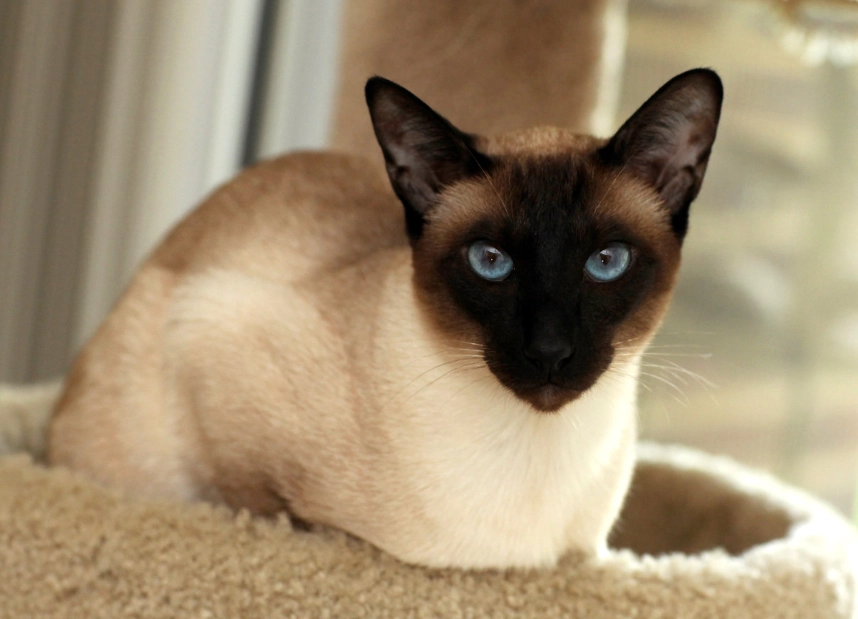
The Rewarding Path of Rescue
Please, don't overlook this. There are many purebred Siamese and Siamese mixes in shelters and with rescue groups. Organizations like the ASPCA can help direct you to local shelters. You can also find breed-specific rescues by searching online.
Why rescue?
You're giving a home to a cat in need, often for a much lower adoption fee ($50-$200). Adult cats are often already spayed/neutered, vaccinated, and their personality is fully formed. You know exactly what you're getting – a chatty, loving companion without the kitten crazies (though they remain playful). My second Siamese was a rescue blue point, and she was the most grateful, loving animal I've ever known.
Answering Your Burning Questions
Final Thoughts: Is a Siamese Cat Right for You?
Living with a Siamese cat is a commitment to a relationship. It's not a passive pet ownership experience. They will demand your time, your ears, and a spot on your lap (or keyboard).
You might be a perfect match if: you work from home, crave constant companionship, love an interactive pet, enjoy a lively household, and don't mind a good, loud conversation.
You might want to reconsider if: you are gone 10+ hours a day, need peace and quiet, are a neat freak (they shed and track litter), or have neighbors who share thin walls.
For the right person, a Siamese cat is more than a pet. They're a witty, loyal, endlessly entertaining life companion. Just be sure you know what you're signing up for. Do your research, choose your source ethically, and get ready for one of the most memorable relationships of your life. And maybe invest in some earplugs for the first few nights.