You see a photo of a cat with a coat that looks like it belongs in the jungle – spots, rosettes, a shimmering pelt. The caption says "Bengal tabby." Wait, is that a Bengal or a tabby? It's a common point of confusion. Let's clear it up right from the start: a "Bengal tabby" isn't a separate breed. It's simply a Bengal cat – a distinct, hybrid breed – showcasing its most iconic feature, the wild-looking tabby pattern. This article isn't just about identifying that stunning coat; it's about understanding the lively, demanding, and utterly captivating creature that wears it.
What's Inside?
What Exactly Is a "Bengal Tabby"?
All domestic cats, including Bengals, carry the tabby gene. It's the reason we see stripes, spots, and swirls. The term "tabby" refers to the pattern, not the breed. So, a "Bengal tabby" is a Bengal cat expressing one of the spectacular tabby patterns it was specifically bred for – primarily the spotted or marbled patterns.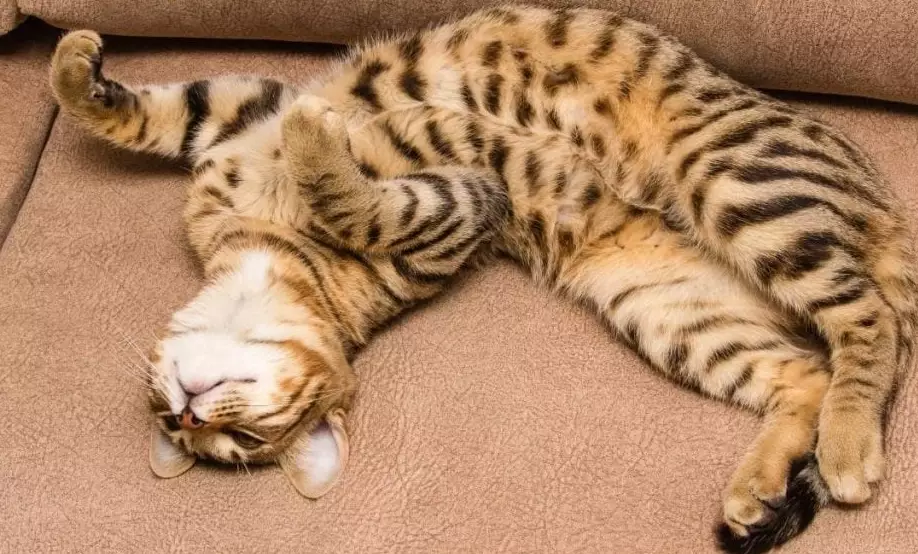
The breed originated from crossing domestic cats with the Asian leopard cat (Prionailurus bengalensis). This wild ancestry is the source of that breathtaking, glittered coat and a significant portion of their personality. Organizations like The International Cat Association (TICA) and the Cat Fanciers' Association (CFA) have strict breed standards that emphasize this wild appearance.
Key Takeaway: Think of "Bengal" as the breed (like Labrador) and "tabby" as the coat type (like yellow or black). A Bengal tabby is a Bengal with a spotted or marbled coat pattern.
Coat Patterns Decoded: Spots, Rosettes & Marble
This is where the magic happens. Not all spots are created equal, and the pattern quality is a huge focus for breeders and enthusiasts.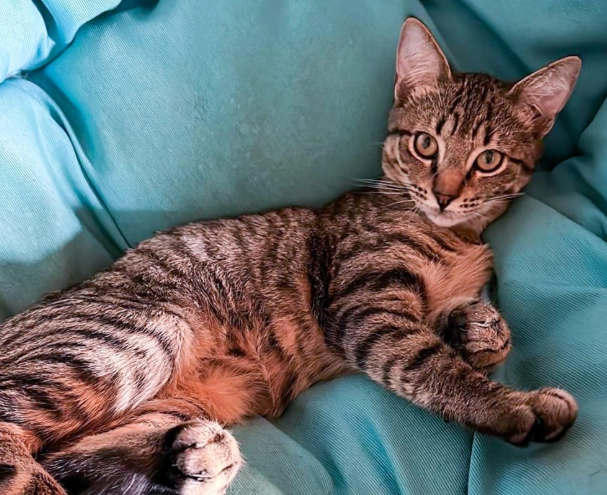
The Spotted Tabby: Not Just Dots
The spotted pattern is the most sought-after, mimicking a leopard or ocelot. But the simple round dot is considered less desirable. Breeders aim for two-toned rosettes.
- Arrowhead Rosettes: Shaped like... well, arrowheads. They're sleek and pointed.
- Doughnut Rosettes: A darker circle with a lighter center, like a donut.
- Pawprint Rosettes: Look like a cluster of spots, resembling an animal's paw print.
The contrast between the rosette color and the background coat is critical. High contrast means a more dramatic, wild look. Low contrast can make the pattern look muddy or faded.
The Marbled Tabby: Swirling Chaos
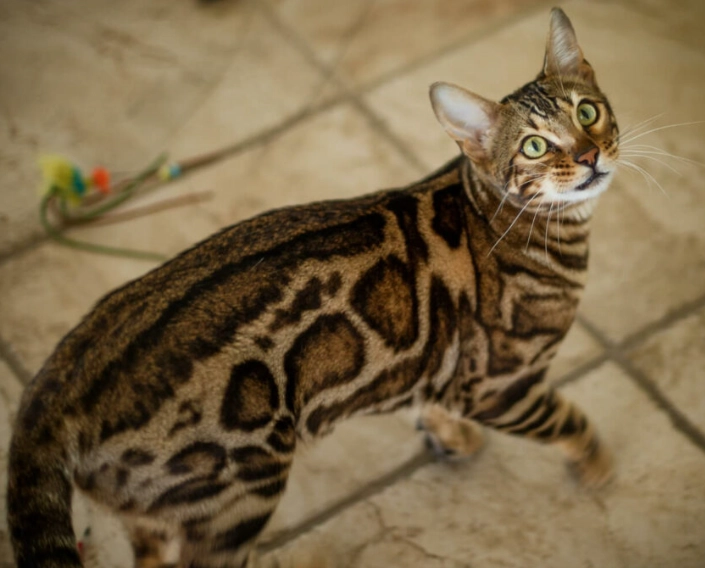
This isn't your average classic tabby stripe. The marbled Bengal pattern is a chaotic, swirling flow of colors, governed by a specific gene. It should have a horizontal, flowing orientation with minimal vertical bars. A good marble looks like liquid stone, with sharp contrast and no "bulls-eye" patterns on the sides.
The Glitter Factor
Run your hand over a Bengal's coat in the sun, and it might sparkle. This "glitter" effect is caused by hollow, translucent hair shafts that reflect light. It's not a guarantee in every Bengal, but it's a cherished trait that makes their coat look dusted with gold or pearl.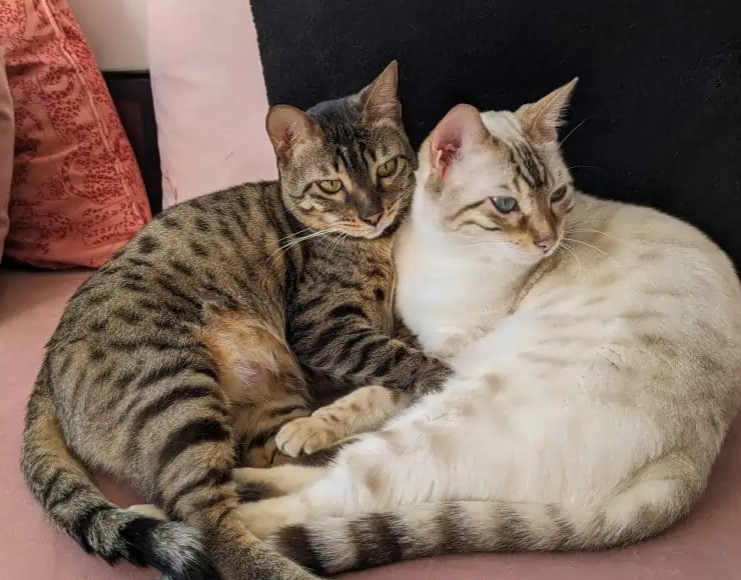
Beyond the Spots: The Bengal Personality Reality Check
Here's where many prospective owners get tripped up. You're buying into a personality, not just a painting. That wild ancestry didn't just contribute their coat.
If you want a cat that sleeps 18 hours a day and is content with a pat on the head, stop reading now. A Bengal will remodel your life around its need for stimulation.
They are famously:
- Energetic & Athletic: They run, jump, and climb to heights you thought were cat-proof. Cat trees are necessities, not decorations.
- Highly Intelligent & Inquisitive: They learn quickly, which includes opening doors, cabinets, and faucets. Boredom is their enemy and will lead to mischief.
- Water Fascination: Many Bengals love playing with water, jumping in showers, or dipping paws in your glass. Don't be surprised.
- Vocal & Communicative: They have a lot to say, but it's often not a standard meow. Expect chirps, trills, and loud, insistent demands for play or food.
| Trait | What It Means for You |
|---|---|
| High Energy | Commit to 2-3 dedicated, interactive play sessions daily. Wand toys, fetch, and puzzle feeders are your best friends. |
| High Intelligence | Needs mental challenges. Teach tricks, use food puzzles, and rotate toys to prevent boredom. |
| Strong Social Drive | Often does better with a companion (another active cat or a dog). They can get lonely and destructive. |
| Need for Vertical Space | Invest in sturdy, tall cat trees and secure shelving ("cat highways") to satisfy climbing urges. |
A friend of mine learned this the hard way. She got a beautiful spotted Bengal for her quiet apartment. Within a week, he was systematically dismantling her blinds at 5 AM, not out of malice, but because he had so much energy and nothing to hunt. The solution wasn't scolding; it was a dawn play session with a laser pointer and a feather wand before she even made coffee.
Caring for Your Mini Leopard: Specific Requirements
Their care is surprisingly straightforward in some areas, demanding in others.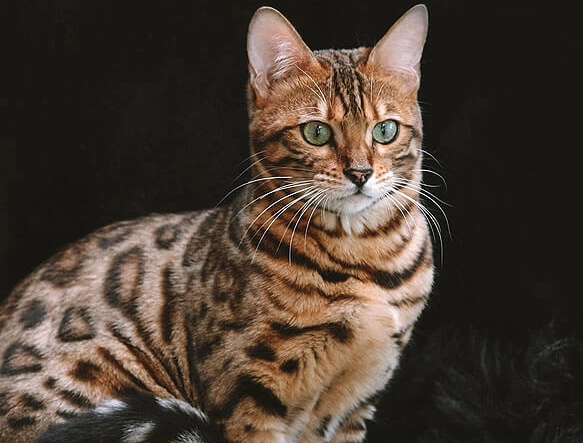
Grooming: The Easy Part
Their short, pelt-like coat is low-shedding and easy. A weekly brush with a soft rubber grooming tool removes loose hair and distributes skin oils. The main grooming task is nail trimming. Their nails are strong and sharp, and regular trims protect your skin and furniture.
Diet: Fuel for the Engine
This is a high-performance animal. A high-protein, quality diet is non-negotiable. Look for foods where real meat (chicken, fish, duck) is the first ingredient. Many Bengal owners report better coat condition and energy levels with wet food or a mixed feeding regimen. Always ensure fresh water is available, and consider a cat fountain to tap into their water interest.
Health Considerations
Reputable breeders test for genetic conditions common in the breed. Two to ask about:
- PK-def (Pyruvate Kinase Deficiency): A genetic anemia. Responsible breeders test parents to avoid producing affected kittens.
- HCM (Hypertrophic Cardiomyopathy): A heart condition. Some breeders echocardiogram their breeding cats to screen for it.
Always get health guarantees and paperwork from your breeder. Pet insurance for a Bengal is a very wise investment.
Environmental Enrichment: The Non-Negotiable
This is the core of Bengal care. Your home must be their jungle gym and puzzle box.
- Interactive Play: Daily, vigorous play that simulates hunting. Let them "catch" the toy.
- Puzzle Feeders: Make them work for their kibble. It engages their brain.
- Secure Outdoor Access: If possible, a catio (enclosed patio) is the holy grail. It satisfies their need to explore and watch prey safely. Never let a Bengal roam freely; they are valuable and may not have the street smarts of a moggie.
- Clicker Training: They excel at it. Teaching "sit," "high five," or to walk on a harness provides mental stimulation and strengthens your bond.
Finding and Choosing a Bengal Kitten
This is the most critical step. Avoid pet stores and online marketplaces like Craigslist. You're looking for a responsible, ethical breeder.
Red Flags: Multiple litters always available, no questions asked, prices significantly below $1,500, unwilling to let you visit the home, kittens shipped without meeting you.
Green Flags: Breeder is registered with TICA or CFA, asks you many questions, provides health records for parents (PK-def testing, HCM screening), socializes kittens in-home, has a contract with a health guarantee, and is a resource for the cat's life.
When you visit, look at the pattern. Even as a kitten, you should see clear spotting or marbling. Look for brightness in the eyes and curiosity, not fear. A good breeder will match kitten temperament to your lifestyle.
Your Bengal Questions Answered
The Bengal tabby cat is a living work of art with the soul of an explorer. They reward engaged, dedicated owners with unparalleled loyalty, hilarious antics, and a companionship that's anything but boring. It's not just about owning a beautiful cat; it's about partnering with a tiny, spotted force of nature. Do your homework, find a great breeder, and buckle up for an incredible ride.