Let’s cut straight to the chase. If you’re asking because you saw a photo of a stunning, pale cat labeled as an "Abyssinian" or you’re a breeder puzzling over a kitten in a litter, the short, breed-standard answer is no, a purebred Abyssinian cat cannot be solid white. The Cat Fanciers' Association (CFA), The International Cat Association (TICA), and other major registries are crystal clear on this. White is a disqualifying color. But that’s just the headline. The real story is in the genetics, the "almost-white" cats you might see, and why the rule exists. Strap in, because coat color is more fascinating than you think.
What You’ll Discover
The Genetic Blueprint: Why White Isn't in the Abyssinian Code
To understand the "no white" rule, you need a quick primer on Abyssinian coat genetics. It’s not arbitrary; it’s written in their DNA.
The signature look of an Aby—that warm, ruddy base with dark ticking—is governed by the agouti gene. This gene causes each hair to have multiple bands of color. In Abyssinians, it’s always "on" (homozygous). A non-agouti gene, which produces solid-colored hairs, is simply not part of the breed's genetic makeup. That right there rules out any solid color coat, including solid white.
Now, what about the white color itself? In cats, dominant white is caused by a completely different gene (the KIT gene) that masks all other color and pattern information. This gene is what creates a pure white cat with possibly blue, green, or odd eyes. This dominant white gene is not present in responsibly bred Abyssinian lines. Introducing it would be a deliberate outcross, which is not permitted for purebred registration and would destroy the breed's characteristic ticking pattern.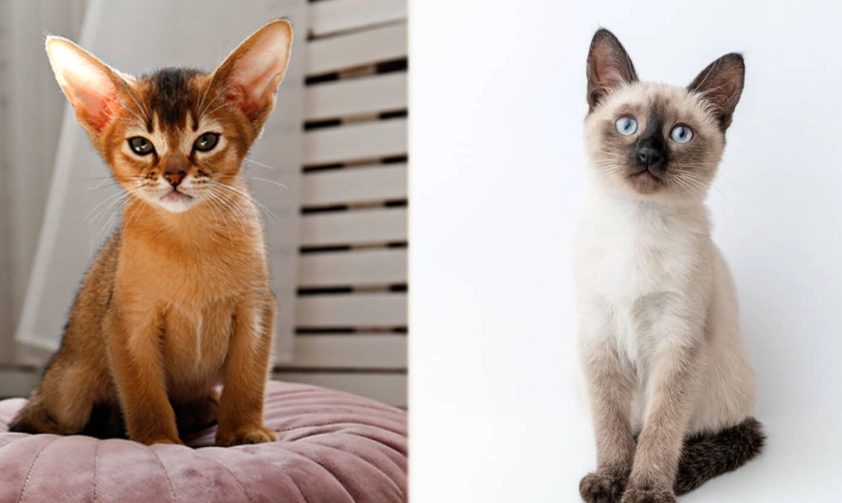
Here’s a nuance most articles miss: There’s also a recessive white gene, but it’s incredibly rare and almost always linked to deafness, especially in blue-eyed white cats. No ethical Abyssinian breeder would ever aim for this, as it’s a serious health concern. So when we say "no white," we’re also saying "no" to introducing known genetic risks for cosmetic traits.
Finally, the ticking. The tabby pattern genes in Abyssinians are specific. They produce the "ticked tabby" pattern, where the body lacks the classic stripes or spots and instead shows the agouti banding. A solid white cat has no visible ticking. Breeding for white would mean selectively eliminating the very genes that define the Abyssinian silhouette and texture.
What the Official Breed Standard Actually Says
Breed standards aren't just opinions; they're detailed blueprints that preserve a breed's health, temperament, and historical appearance. Let's look at the authorities.
The Cat Fanciers' Association (CFA), the world's largest registry of pedigreed cats, states in its Abyssinian breed standard: "Color: Ruddy, red, blue, and fawn. Silver series also accepted." It then lists specific disqualifications, including: "Any color other than the four accepted colors. White locket or white anywhere other than nostril, chin, and upper throat area." So, not only is solid white out, even a small white spot (a "locket") on the chest is grounds for disqualification in the show ring.
The International Cat Association (TICA) has a similar stance. Their standard lists the same core colors (ruddy, red, blue, fawn) and their silver equivalents. White is conspicuously absent. The standard emphasizes the importance of evenness of color and the absence of markings.
Why this rigidity? From my years talking to preservation breeders, it boils down to two things. First, genetic purity. Allowing non-standard colors opens the door to undocumented outcrossing, which can bring in unknown health and temperament traits. Second, preserving type. The focus is meant to be on perfecting the structure, the ticked coat, and the vibrant colors that have defined Abyssinians for over a century. Adding a palette of novel colors, like white or chocolate, distracts from that mission and can lead to "color breeding" at the expense of health and conformation.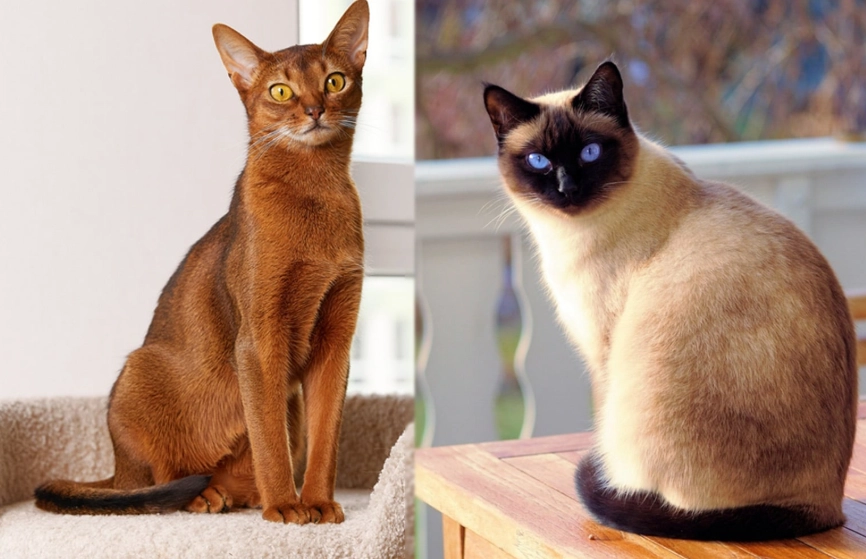
The Truth About "White" or Pale Abyssinian Cats You Might See
Okay, but what about that cat? The one on social media or a pet listing that looks like a very pale, creamy, or silvery Abyssinian? It’s almost certainly one of two things.
1. The "Silver" Abyssinian
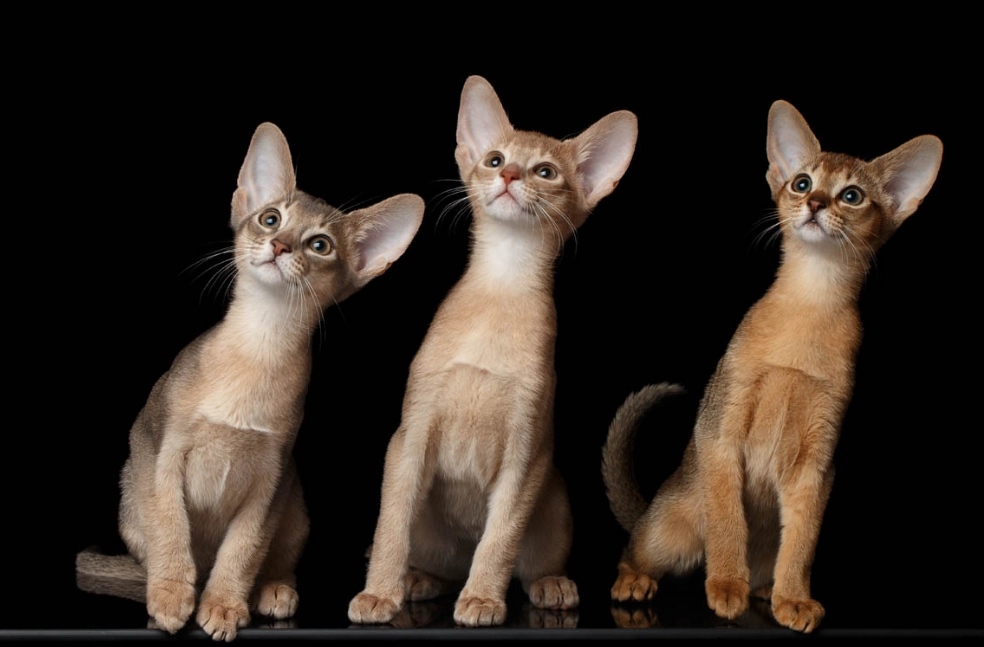
This is the most common culprit. Silvers are a recognized color group. A Chinchilla Silver or Silver Abyssinian has a pure white undercoat. The ticking on top can be black, blue, warm cream, or fawn. From a distance, especially in photos with bright lighting, a silver with light tipping can look astonishingly pale, almost white. But up close, you’ll see the definitive ticking at the hair ends. The base of the hair and the undercoat is icy white, not off-white or cream.
A breeder's pet peeve: I’ve seen too many pet owners (and some disreputable sellers) call a light silver or a poorly colored fawn "white" or "platinum" because it sounds exotic. It muddies the water for everyone. Always ask for the official color designation from the breeder's registration paperwork.
2. A Very Light "Fawn" Abyssinian
The fawn color is the lightest of the traditional spectrum. It's a delicate, warm rose-beige ticking on a creamy ivory base. In certain lights, a high-quality fawn can appear very light and uniform. Again, it is not white. The base color is ivory, not pure white, and the subtle ticking is always present.
3. The Reality of Mixed Heritage or "Lookalikes"
Let’s be blunt. If you encounter a cat being sold as an Abyssinian that is truly, solidly white with no ticking, it is not a purebred Abyssinian. It is likely a mixed-breed cat with some Aby-like features (like large ears) or a completely different breed, such as an Oriental Shorthair, which does come in solid white. Always, always ask for registration papers from a reputable association like CFA or TICA. No papers, no proof of breed.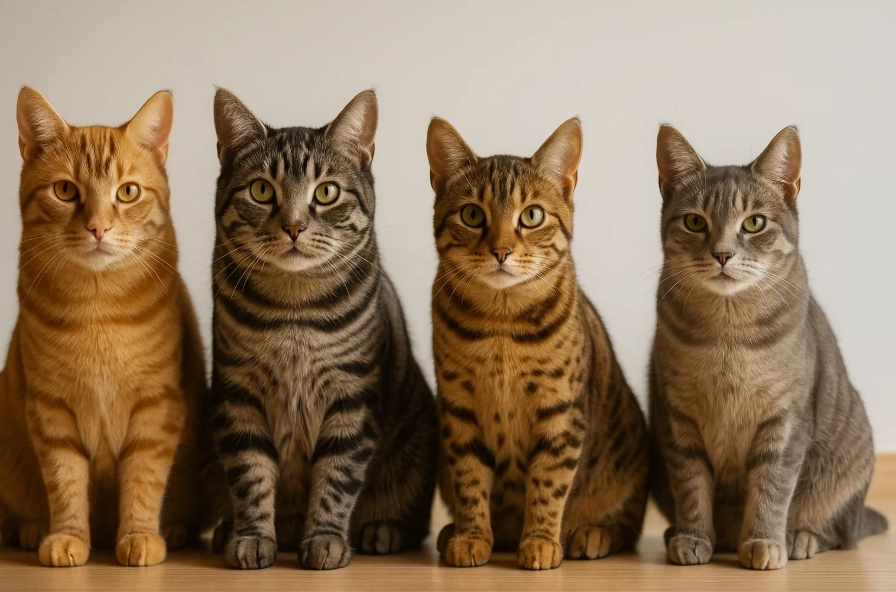
A Guide to Recognized Abyssinian Cat Colors
So what colors should you look for? Here’s a clear breakdown. Think of it as the official palette.
| Color Name | Description (Base Coat & Ticking) | Nose Leather & Paw Pads |
|---|---|---|
| Ruddy (Usual) | Warm burnt orange/reddish-brown base with black or dark brown ticking. The original and most common color. | Tile red. Pads: black or dark brown. |
| Red (Sorrel) | Rich, coppery red base with chocolate brown ticking. Often appears brighter and warmer than ruddy. | Rosy pink. Pads: pink. |
| Blue | Soft, warm beige-gray ("oatmeal") base with steel blue-gray ticking. A diluted version of ruddy. | Old rose (dusky pink). Pads: mauve. |
| Fawn | Light, creamy ivory base with soft, rose-beige ticking. A diluted version of red/sorrel. The lightest accepted color. | Salmon pink. Pads: pink. |
| Silver Series | Pure white undercoat and base. Ticking can be Black Silver (black), Blue Silver (blue), etc. The undercoat is the whitest part of the cat. | Matches the ticking color (e.g., black for Black Silver). |
Notice the pattern? Every single accepted color showcases the ticked tabby pattern. There is no entry for a solid, un-ticked coat of any color, white included.
Your Questions, Answered by a Breeder
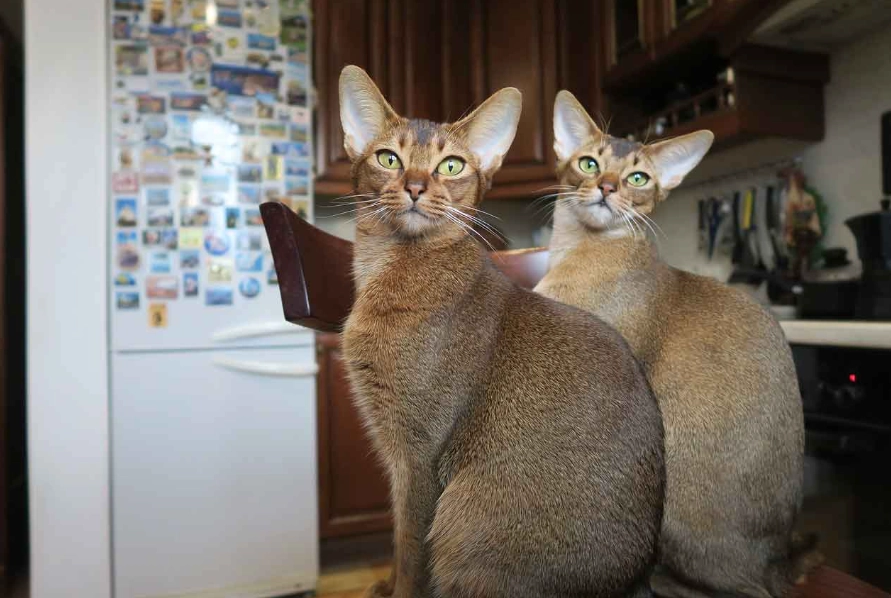 Could there ever be a healthy, white Abyssinian if someone bred for it?