Let's cut to the chase. Are Angora cats cuddly? The short answer is yes, but with a big "it depends." Turkish Angora cats, known for their silky white coats and playful eyes, can be incredibly affectionate, but they're not your typical lap cats that demand constant snuggles. I've spent over a decade working with feline behavior, and I've seen too many owners get disappointed because they expect all fluffy cats to be cuddle monsters. That's a mistake. Angoras have a unique personality blend—they're independent yet social, energetic yet calm at times. If you're looking for a cat that will curl up with you every night, you might need to put in some work. But if you understand their quirks, the bond can be deeply rewarding.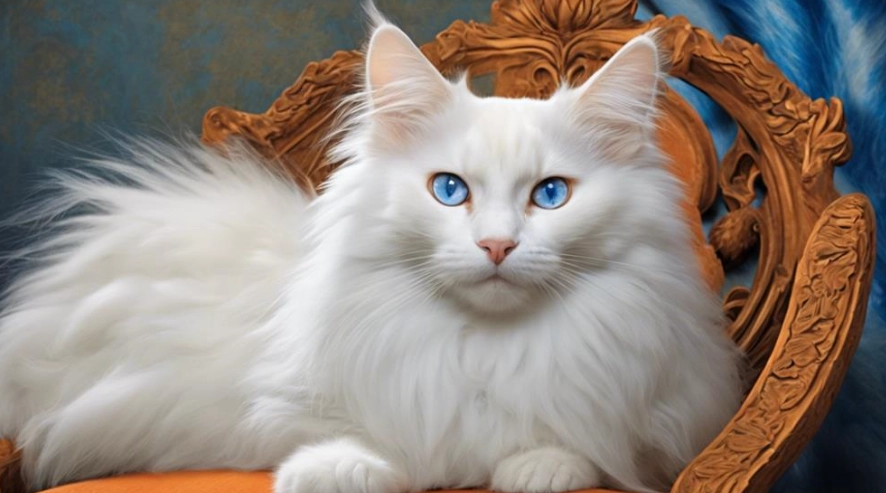
What You'll Find in This Guide
- What Makes a Cat Cuddly? Understanding Feline Affection
- Turkish Angora Temperament: Are They Naturally Affectionate?
- How to Encourage Your Angora Cat to Be More Cuddly
- Comparing Angora Cats to Other Breeds: Cuddliness Ranking
- Real Owner Experiences: Stories of Cuddly Angora Cats
- Frequently Asked Questions About Angora Cats and Cuddliness
What Makes a Cat Cuddly? Understanding Feline Affection
Before diving into Angoras, let's define cuddliness. It's not just about sitting on your lap. In cat terms, affection shows through purring, head-butting, following you around, and seeking physical contact. Some cats are naturally more inclined due to genetics, but environment plays a huge role. A study from the International Cat Care organization notes that early socialization—exposure to humans and other animals in kittenhood—shapes a cat's comfort with touch. Angora cats, historically from Turkey, were often kept in palaces, which might explain their regal yet people-oriented demeanor.
The Science Behind Cat Cuddliness
Research indicates that cats release oxytocin, the "love hormone," during positive interactions with humans. Breeds like the Turkish Angora may have variations in this response. But here's a non-consensus point: many experts overlook that a cat's cuddliness can fluctuate with age, health, and even the owner's behavior. I've seen Angoras who were aloof as kittens become clingy after a vet visit, seeking reassurance. It's not static.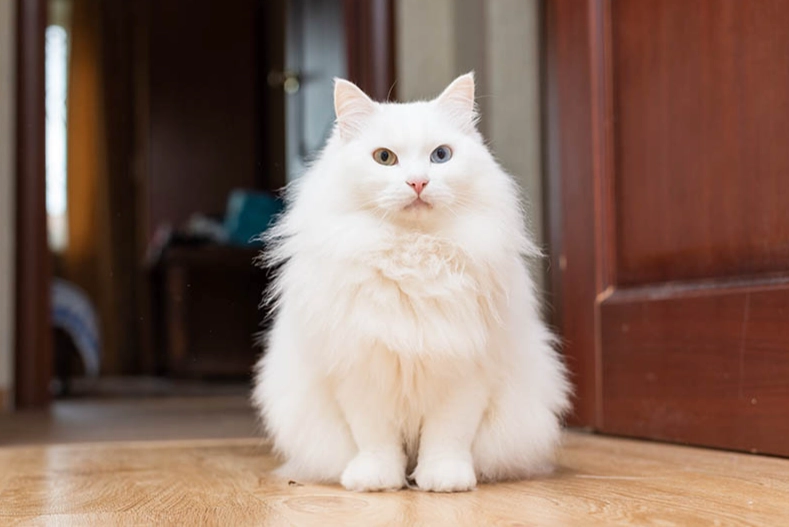
Turkish Angora Temperament: Are They Naturally Affectionate?
Turkish Angoras are often described as intelligent, playful, and loyal. They form strong bonds with their families but on their own terms. Unlike some breeds that are velcro cats, Angoras value their independence. They might follow you from room to room, but they won't always jump into your lap. Their affection is subtle—a gentle nudge, a soft purr when you're near. According to the Cat Fanciers' Association, Turkish Angoras are known for being "people-oriented" but not overly demanding. That's key. They're not needy; they're companionable.
From my experience, the biggest mistake new owners make is forcing cuddles. Angoras hate being restrained. If you pick them up without warning, they'll squirm away. Instead, let them initiate contact. Sit on the floor with treats, and they'll come to you. It sounds simple, but it works wonders.
Historical Background and Breed Characteristics
Angora cats originated in Turkey centuries ago. They were prized for their luxurious coats and often depicted in art as elegant companions. This history might contribute to their confident, social nature. They're not shy around strangers, which can be mistaken for aloofness. Actually, they're just assessing the situation. I remember a client's Angora who would greet guests at the door but only cuddle with the family after dinner. It's a selective affection.
Personality Traits: Independence vs. Affection
Angoras balance independence and affection beautifully. They're curious and love to play, which can distract them from cuddle sessions. But when they're tired, they might seek out a warm lap. Their mood swings are normal. Don't expect consistency day-to-day. Some days they're all over you, other days they ignore you. It's not personal; it's just their way.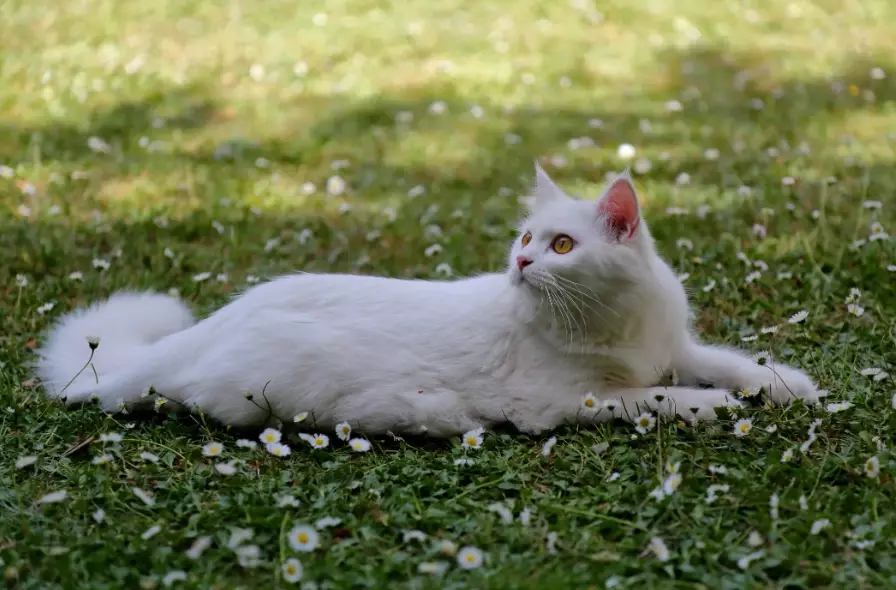
How to Encourage Your Angora Cat to Be More Cuddly
If you want a cuddly Angora, it's about building trust, not demanding it. Here are practical steps that most guides miss:
- Create a safe space: Angoras need high perches and hiding spots. When they feel secure, they're more likely to approach you. I recommend setting up a cat tree near your favorite chair.
- Use positive reinforcement: Reward calm behavior with treats or gentle petting. Avoid punishment—it backfires. For example, if your Angora sits beside you, give a small treat. Over time, they'll associate you with good things.
- Respect their boundaries: Watch for tail flicks or ear twitches. If they show discomfort, back off. This builds respect and makes them seek you out later.
Bonding Techniques That Actually Work
Interactive play is huge. Use wand toys to engage their hunting instinct, then wind down with quiet time. After play, they're more relaxed and open to cuddles. Also, try grooming sessions. Angoras have long fur that needs brushing, and many enjoy the attention if done gently. Start with short sessions and increase gradually.
Common Mistakes New Owners Make
One subtle error: talking too much. Cats communicate through body language, not words. Constant chatter can overwhelm an Angora. Instead, use soft tones and slow movements. Another mistake is comparing them to dogs or other cat breeds. Angoras are unique; embrace their quirks. I've seen owners give up too soon, thinking their cat isn't affectionate. But with patience, even the most standoffish Angora can become a cuddle bug.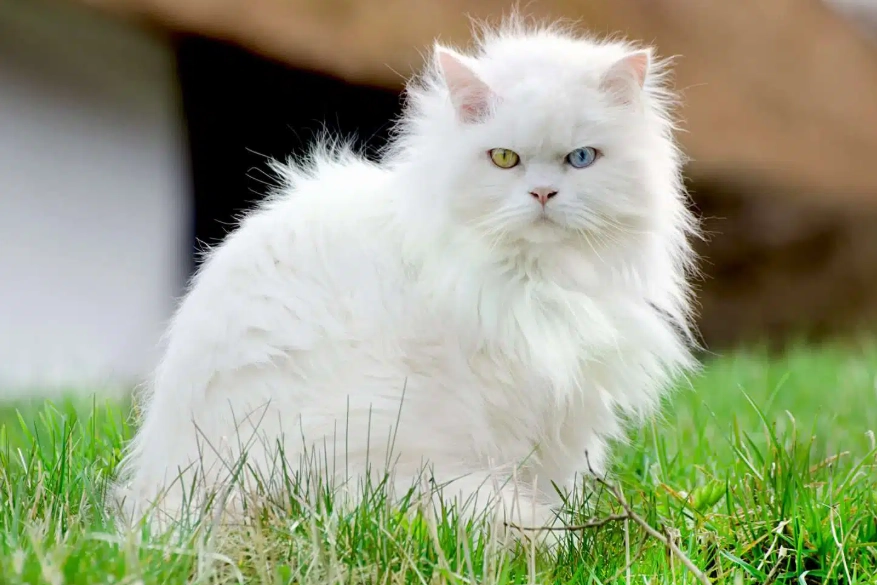
Comparing Angora Cats to Other Breeds: Cuddliness Ranking
Let's put things in perspective. How do Angoras stack up against other popular breeds? Here's a table based on my observations and data from feline behavior studies. Note: cuddliness is subjective, but this gives a general idea.
| Breed | Cuddliness Level (1-10) | Key Traits | Best For Owners Who... |
|---|---|---|---|
| Turkish Angora | 7 | Independent, playful, selective affection | Want a companion but respect space |
| Ragdoll | 9 | Docile, lap-loving, very affectionate | Desire constant cuddles |
| Siamese | 8 | Vocal, social, demanding of attention | Enjoy interactive pets |
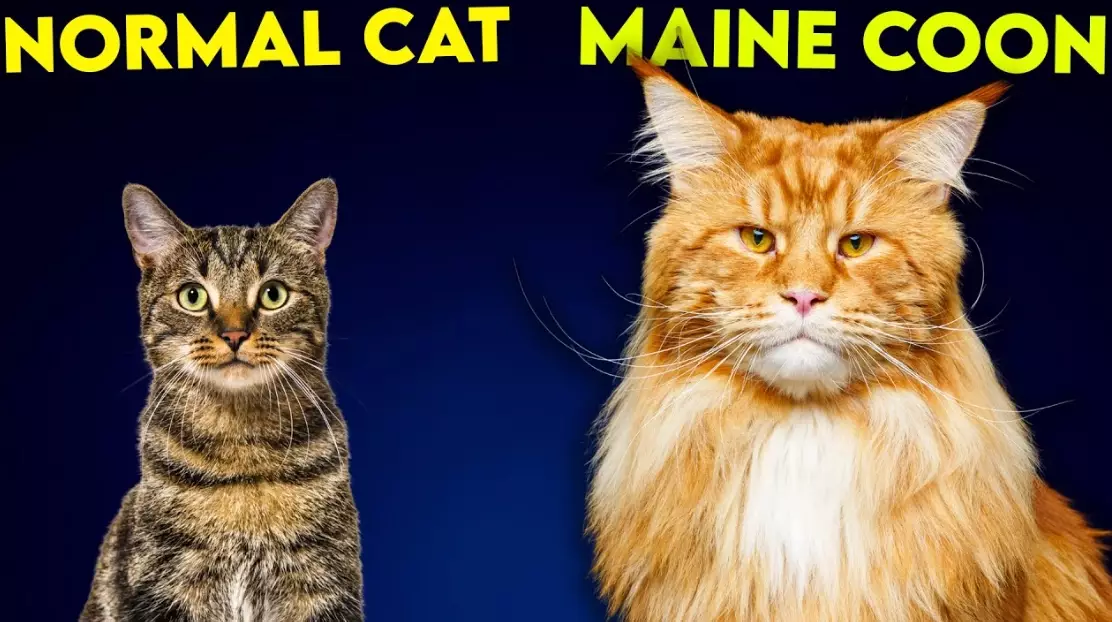
| Maine Coon | 6 | Gentle, friendly, but less clingy | Prefer large, low-maintenance cats |
| Persian | 5 | Calm, reserved, not very active | Like quiet, decorative pets |
Angoras score a 7 because they're affectionate but not over-the-top. They're perfect for people who want a bond without smothering. I'd rank them higher than Persians but below Ragdolls for pure cuddliness. However, their intelligence adds depth—they remember your routines and adapt.
Real Owner Experiences: Stories of Cuddly Angora Cats
Let me share a case from my practice. Sarah adopted a Turkish Angora named Luna two years ago. Luna was aloof at first, hiding under furniture. Sarah almost returned her, thinking she wasn't cuddly. But after implementing the techniques above—play sessions, respecting boundaries—Luna started sleeping on Sarah's bed. Now, Luna greets her at the door and curls up during movie nights. It took three months, but the payoff was huge.
Another owner, Mark, says his Angora, Zeus, is only cuddly in the morning. Zeus jumps on the bed for a quick snuggle before breakfast, then goes off to explore. Mark learned to cherish those moments instead of forcing more. That's the key: appreciating what they offer, not what you expect.
These stories show that Angoras can be cuddly, but it's a partnership. You have to meet them halfway.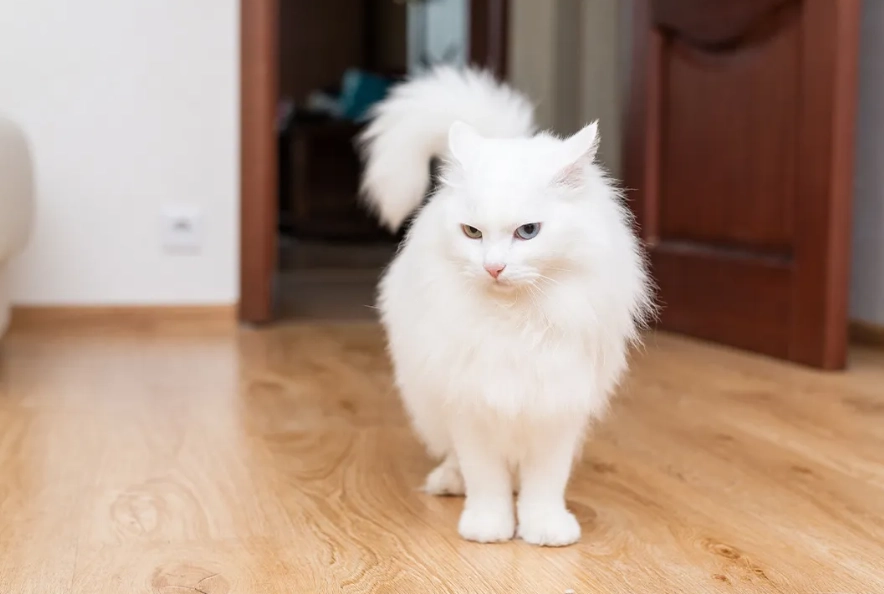
Frequently Asked Questions About Angora Cats and Cuddliness
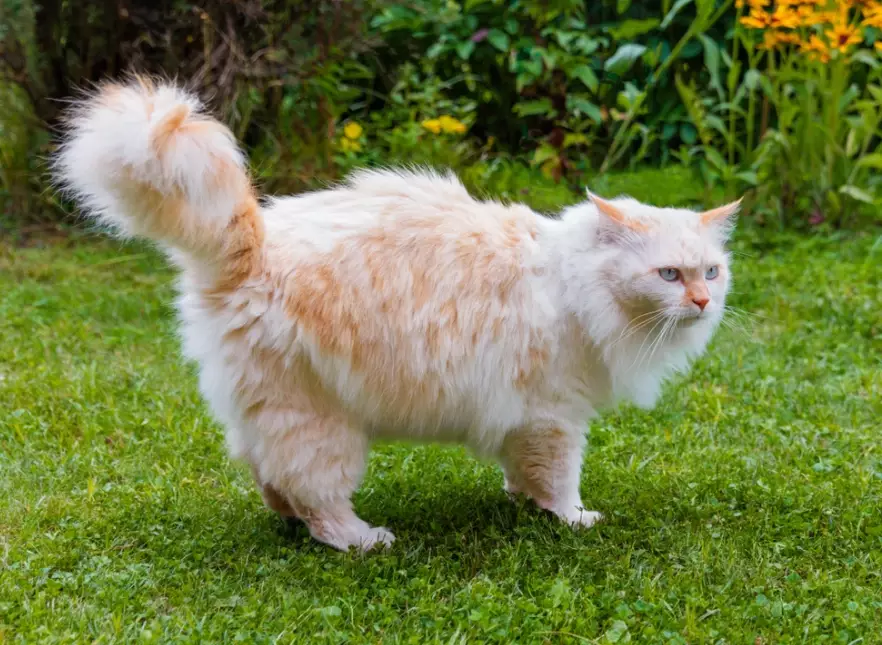 Wrapping up, Angora cats can be wonderfully cuddly, but it's not a given. Their elegance comes with a independent streak that requires understanding. If you're willing to invest time and respect their space, you'll find a loyal, affectionate companion. Don't fall for the myth that all fluffy cats are lap cats—Angoras are smarter than that. They choose when to cuddle, and when they do, it feels earned. That's what makes them special.