Quick Guide
So you're thinking about bringing a male Bengal cat into your life. Maybe you've seen those stunning, leopard-like rosettes and that powerful, athletic build. The look is undeniably captivating. But let's be honest, the looks are just the wrapping paper. What you're really here to figure out is what's inside. What is the male Bengal cat personality actually like day to day? Is it all wild energy and mischief, or is there a softer, cuddly side hiding under those spots?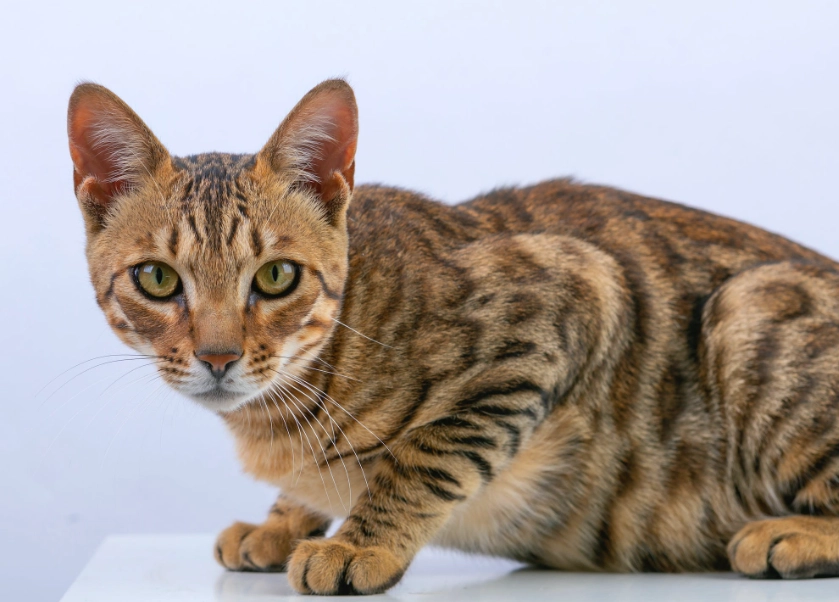
I've been around a fair few Bengals over the years, thanks to friends who are absolutely dedicated to the breed. One of them, Tom, has a male Bengal named Oscar who is a constant source of both awe and hilarious frustration. Watching Oscar is like watching a nature documentary and a slapstick comedy at the same time. He'll execute a perfect, silent leap onto the highest bookshelf, then moments later be meowing insistently for a cuddle, kneading his paws like a kitten. That contrast is the heart of the Bengal cat male experience. It's never boring, but it's not for the faint of heart either.
This guide isn't just a list of traits. We're going to dig into the reality of living with a male Bengal. The good, the challenging, the noisy, and the incredibly affectionate. We'll compare them to females, talk about training (yes, you can train a cat!), and tackle the big question: is a male Bengal cat personality the right fit for your home?
The Core Personality of a Male Bengal Cat
Forget everything you think you know about lazy cats sleeping in sunbeams all day. The Bengal cat temperament, especially in males, is built on a few intense, foundational pillars. Understanding these is key to understanding the whole cat.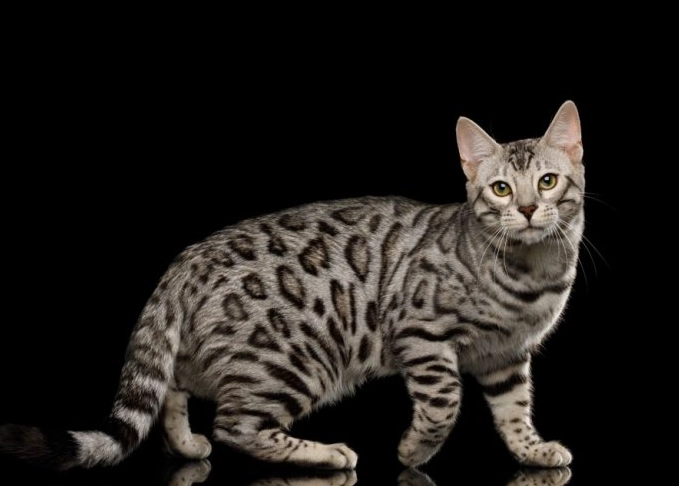
Energy Level: The Perpetual Kitten
This is the big one. A male Bengal's energy isn't just "high"; it's volcanic. They have a drive to move, explore, and play that often lasts well into adulthood. While many cats mellow out around age three or four, a male Bengal might act like a hyper kitten for seven years or more. This isn't a cat that will be satisfied with a couple of thrown mice toys. They need engagement. Think dog-level exercise needs, but with the agility of a cat.
If that energy doesn't have an outlet, it will find one. And you probably won't like the one it finds. Chewed cords, items knocked off shelves, and relentless attempts to open cabinets are common complaints. This is a primary reason some people rehome Bengals—they simply weren't prepared for the sheer physical demand. So, if your ideal evening is complete quiet on the couch, the male Bengal cat personality might be a shock to your system.
Intelligence & Curiosity: The Feline Houdini
Their brains are as active as their bodies. A male Bengal cat doesn't just see a closed door; he sees a puzzle to be solved. They learn how to open lever-style door handles with terrifying ease. Drawers, cabinets, faucets—if it can be manipulated, they'll figure it out. This intelligence is a double-edged sword. It makes them fascinating and highly trainable (more on that later), but it also means they get bored easily. Puzzle feeders aren't a luxury; they're a necessity.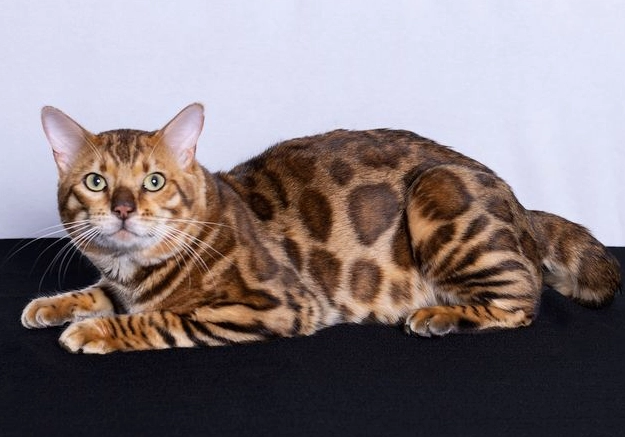
Their curiosity is boundless. Nothing in your home is off-limits to their investigation. A rustling bag, a new grocery item on the counter, a running sink—everything must be inspected, touched, and often batted around. You have to cat-proof your home with a Bengal in mind, which is a whole different level of cat-proofing.
Vocalization: The Chatty Companion
Bengals are known for being vocal, and males often take it to another level. It's not always a standard meow. They chirp, trill, chatter at birds, and have a wide range of sounds to communicate their needs. And they have a lot of needs to communicate! "I'm hungry." "Why is that door closed?" "Play with me NOW." "I see a bug on the ceiling." "You've been in the bathroom too long."
For some people, this constant commentary is endearing. It feels like a conversation. For others, especially in apartments or for light sleepers, it can be overwhelming. The male Bengal cat personality includes a strong desire to be heard, literally. If you crave a silent, stealthy cat, look elsewhere.
Affection & Social Needs: Velcro Cat or Aloof Observer?
Here's where we get to the sweet spot. Despite their wild appearance and boundless energy, many male Bengals are intensely affectionate—on their own terms. They are often described as "dog-like" in their loyalty. They may follow you from room to room, not necessarily to sit on your lap every time, but just to be involved in what you're doing. My friend Tom's cat, Oscar, has to be in the same room, always. He's a supervisor.
When they do decide it's cuddle time, it's all-in. They can be lap cats, shoulder cats, face-nuzzling cats. This affectionate side of the Bengal cat male personality is what makes all the chaos worthwhile for their owners. However, it's not universal. Some lines are more aloof. This is why meeting the parents of a kitten, if possible, is so insightful. Socialization from birth is critical, but genetics play a huge role in where they fall on the cuddle spectrum.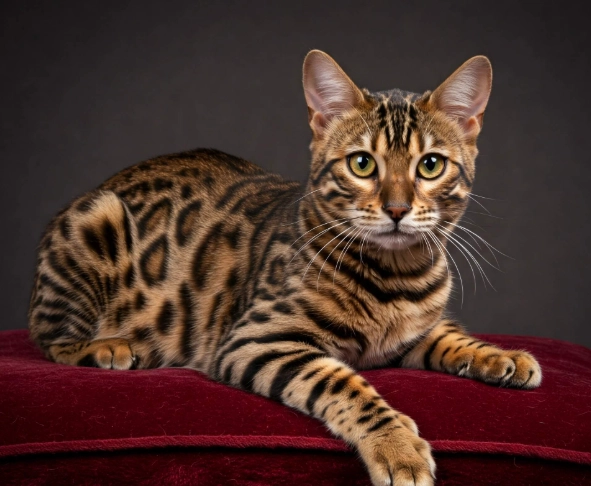
"People get seduced by the spots and forget they're bringing a little athlete with a PhD in mischief into their home. But when my guy curls up under my chin and purrs like a motorboat after a long play session, there's absolutely nothing better." – A long-time male Bengal owner.
Male vs Female Bengal Cats: Is There a Difference?
This is one of the most common searches: Bengal cat male vs female. While every cat is an individual, breeders and experienced owners often note some general trends. It's not about one being "better," but about different flavors of the same intense personality.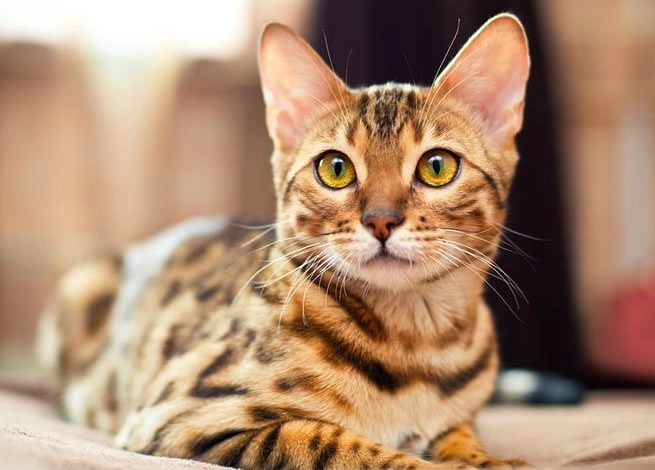
Let's break it down. The table below sums up the common observations, but remember, a cat's individual upbringing and lineage are powerful factors.
| Trait | Male Bengal Cat (General Trend) | Female Bengal Cat (General Trend) |
|---|---|---|
| Size | Larger, more muscular. Often 10-15+ lbs. | Smaller, more sleek. Often 8-12 lbs. |
| Personality | Often more overtly goofy, "clownish," and persistently playful. May retain kitten-like behavior longer. | Can be more intense, focused, and sometimes more independent. Often described as "quicker" or more agile. |
| Affection | Tends to be more overtly affectionate and clingy ("velcro cat"). More likely to seek physical contact. | Can be very affectionate but often on a more precise schedule. May be more selective with attention. |
| Territorial Behavior | If not neutered, will spray. Neutering usually resolves this. May be slightly more relaxed about territory with other pets. | Can be fiercely territorial over their home and people, especially with other cats. Spaying is, of course, essential. |
| Social Dynamics | Often more socially flexible, sometimes fitting in easier with other pets due to a more easygoing attitude. | Can be the "queen" of the household, establishing a clear hierarchy. May be choosier about animal friends. |
The biggest takeaway? Males are often stereotyped as the bigger, goofier, more affection-demanding clowns. Females can be the more sleek, intense, and strategically affectionate CEOs of the household. Again, these are trends, not rules. I've met aloof males and cuddly, silly females. The male Bengal cat personality stereotype leans toward the lovable, chaotic goofball.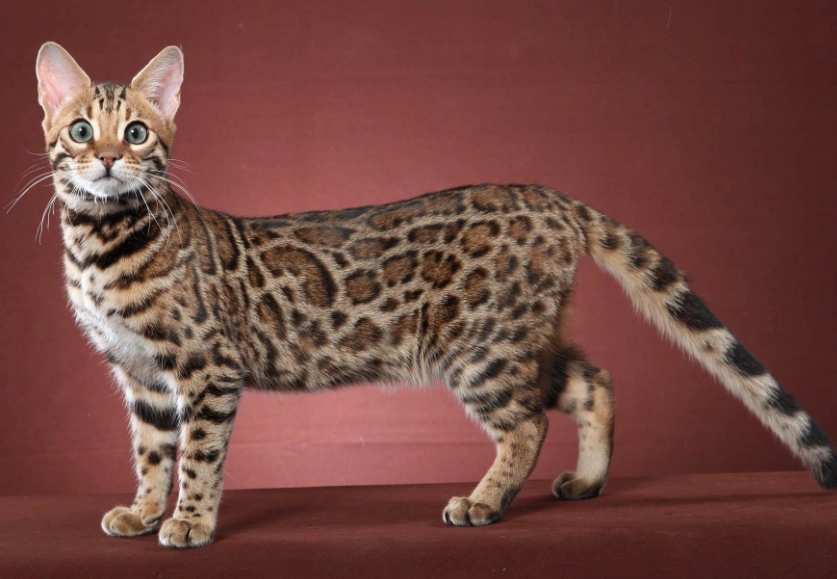
Living with a Male Bengal: The Daily Reality
Okay, so what does this all mean for your daily life? Let's get practical.
The Good: What Makes Them Shine
- Endless Entertainment: You will never be bored. Their antics are a daily source of laughter and amazement.
- Deep Bonding: That dog-like loyalty means you form a incredibly strong bond. They are involved in your life.
- Interactive Play: They actually play with you, not just near you. Fetch, chase, puzzle games—it's a real activity.
- Conversationalists: If you live alone, the house never feels empty. Their vocalizations feel like companionship.
- Stunning Beauty: Let's not discount it. Waking up to that beautiful, wild-looking creature is a daily joy.
The Challenges: What You Need to Manage
This is the real talk section. If you can't handle these potential challenges, a Bengal is not for you. Being honest about this saves everyone heartache, especially the cat.
- Destructive Boredom: This is the #1 issue. An under-stimulated Bengal is a destructive Bengal. You must commit to multiple, intense play sessions daily.
- Water Fascination: Many Bengals are obsessed with water. They'll jump in the shower, play in the toilet, splash all water out of their bowl. You'll need a heavy, wide water bowl and to keep toilet lids closed.
- Climbing Instinct: Your curtains, blinds, and screen doors are at risk. You must provide superior, approved climbing options like massive, sturdy cat trees or wall-mounted shelves. The International Cat Association (TICA) even notes the Bengal's "love of heights" in its breed profile.
- Potential for Rough Play: That wild ancestry can come out in play bites and scratches if not properly channeled from kittenhood. They don't always understand their own strength.
- Separation Anxiety: Some male Bengals, with their strong social bonds, are prone to anxiety when left alone for long periods. This can lead to excessive vocalization or destruction.
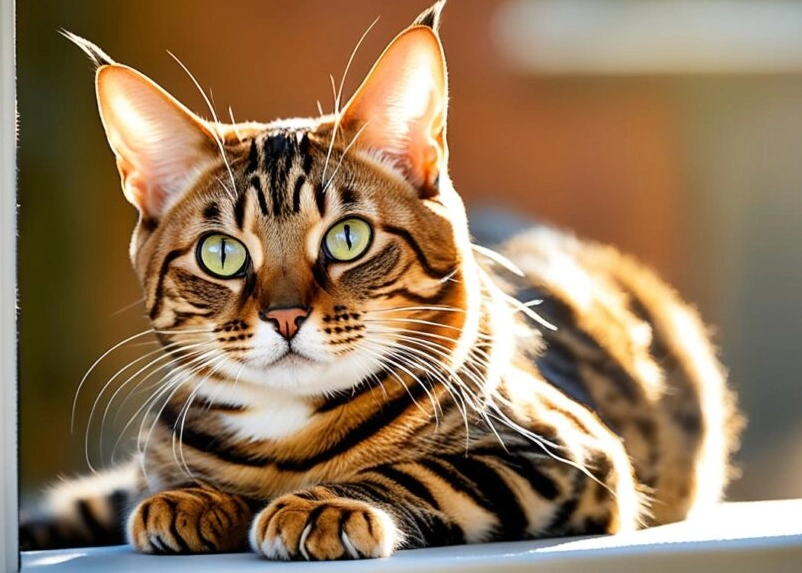
See what I mean? It's a package deal.
Training Your Male Bengal Cat
Here's the great news: that high intelligence makes them highly trainable. This isn't optional; it's a crucial part of managing the male Bengal cat personality and creating a harmonious home.
Harnessing the Brain Power
Training provides the mental stimulation they crave. You can teach them:
- Recall: Coming when called (useful if they ever slip out a door).
- Basic Commands: Sit, stay, high-five.
- Tricks: Spin, jump through a hoop, fetch (many do this naturally).
- Boundaries: "Off" the counter, "leave it" for forbidden items.
The Clicker is Your Best Friend
Clicker training, using positive reinforcement, works wonders. The click marks the exact desired behavior, followed immediately by a high-value treat. They learn fast because they want to solve the puzzle of what makes the click happen. Resources from organizations like the ASPCA on positive reinforcement are a great starting point for any cat owner.
Leash training is also a fantastic outlet for their energy and curiosity. It allows them to safely explore the outside world, which can tire them out mentally and physically like nothing else. Start young, be patient, and use a secure harness—never just a collar.
Health Considerations for Male Bengals
A cat's personality is tied to its health. A sick or uncomfortable cat can't be its true self. While Bengals are generally robust, there are breed-specific and sex-specific points to note.
Firstly, always neuter your male Bengal. An intact male will spray urine to mark territory, and the smell is potent and nearly impossible to remove. Neutering, performed by a veterinarian, eliminates this behavior in the vast majority of cases and has significant health benefits, such as preventing testicular cancer and reducing roaming instincts.
Bengals can be prone to certain genetic conditions. Reputable breeders test for these. Two important ones are:
- Progressive Retinal Atrophy (PRA): A degenerative eye disease. Ask your breeder for proof of DNA testing (PK-PRA).
- Hypertrophic Cardiomyopathy (HCM): A heart condition. Reputable breeders have their breeding cats regularly screened via echocardiogram by a veterinary cardiologist.
Obesity can be a problem for lazy Bengals, but honestly, with the typical male Bengal cat personality, it's less common. The bigger risk is underfeeding an active cat. They need high-quality, protein-rich food to fuel their metabolism. Consult your vet, but be prepared to feed more than the bag suggests for an average cat. Resources like the VCA Hospitals library offer reliable, vet-authored guides on feline nutrition and care.
Is a Male Bengal Cat Right for You?
Let's answer this directly. A male Bengal cat personality is a perfect fit if you:
- Want an interactive, engaging pet, not just a decorative one.
- Have an active lifestyle and time for daily, dedicated play (think 30-60 minutes minimum of active engagement).
- Enjoy a vocal, communicative companion.
- Have a secure, cat-enriched home (tall trees, shelves, secure windows).
- Appreciate goofy, clownish behavior and deep affection.
- Are patient and interested in positive-reinforcement training.
You should probably reconsider if you:
- Value a quiet, serene, and perfectly tidy home.
- Are away from home for 8+ hours regularly without a pet sitter or engaging companion for the cat.
- Have young children or frail elderly individuals who might not handle rough play well.
- Are a first-time cat owner (not an absolute rule, but a serious caution).
- Are unwilling to provide extensive vertical territory and interactive toys.
The single most important piece of advice: Find a reputable breeder. A good breeder health-tests, socializes kittens from birth, and will interview you as thoroughly as you interview them. They are a resource for life. Avoid pet stores and backyard breeders at all costs—you risk getting a cat with health or behavioral problems that magnify the breed's natural challenges. The Cat Fanciers' Association (CFA) breeder referral is a good place to start a search.
Frequently Asked Questions (FAQs)
In the end, living with a male Bengal is a commitment to a certain kind of vibrant, chaotic, and deeply rewarding life. It's not just owning a pet; it's hosting a tiny, spotted, incredibly smart whirlwind that will, if you meet its needs, love you with a startling intensity. The male Bengal cat personality is unforgettable. Just make sure you're truly ready for it.