Let's cut to the chase. Yes, a Bengal cat can absolutely be a house cat. In fact, for their safety and the safety of local wildlife, keeping them indoors is strongly recommended by organizations like The International Cat Association (TICA). But if you're asking whether a Bengal can be a typical, lounging-on-the-sofa-all-day house cat, the answer is a hard no. That misunderstanding is why so many Bengals end up in rescues.
I've lived with my Bengal, Kai, for five years. The first six months were a learning curve I wasn't fully prepared for. I'd had cats before, but a Bengal is a different project altogether. It's like swapping a sedan for a sports car—both are cars, but one demands more attention, higher-quality fuel, and a more engaging road.
What You'll Find in This Guide
The Wild Heart in a Domestic Body: Origin & Personality
Bengals are a hybrid breed, originally crossing domestic cats with the Asian leopard cat. While modern Bengals are many generations removed from that wild ancestor (and should always be from reputable breeders who follow generational guidelines), that genetic whisper is loud and clear in their behavior.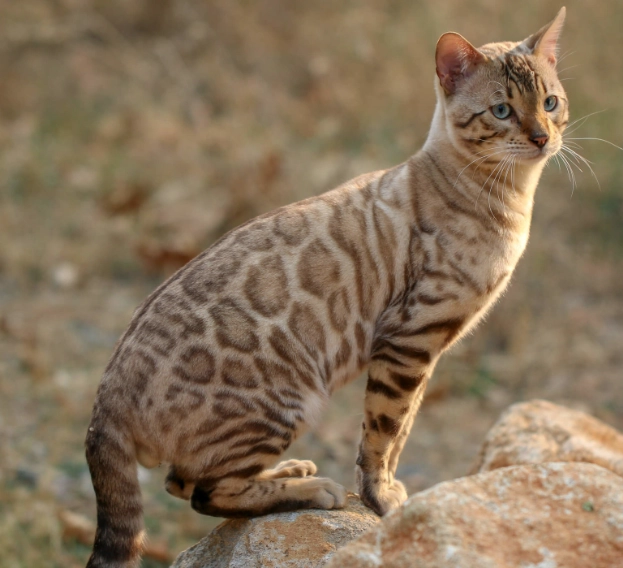
Think of it this way: a domestic cat's instinct is to nap in a sunbeam. A Bengal's instinct is to find the highest point in the room, assess it for hunting potential, then maybe nap. Their personality is a unique cocktail:
- Boundless Energy: They don't just have bursts of "zoomies"; they have sustained, athletic energy that needs a directed outlet.
- Water Fascination: Many Bengals love water. Kai will tap the faucet, play in his water fountain, and join me in the bathroom. It's not a quirk; it's a breed trait.
- Dog-Like Loyalty & Interaction: They often follow you room-to-room, want to be involved in everything, and can learn tricks like fetch or high-five with startling ease.
- Vocal Communication: It's not always a meow. It's a range of chirps, trills, and chatter, especially when watching birds. They're telling you about their world.
A crucial note on breeders: A responsible Bengal breeder prioritizes temperament. They socialize kittens extensively and breed for stable, confident pets, not just wild-looking coats. Avoid anyone who emphasizes "wild" behavior as a selling point. You want a companion, not a liability.
How to Meet a Bengal's Non-Negotiable Needs
Keeping a Bengal happy indoors isn't about buying more stuff. It's about strategy. Here’s where new owners get it wrong: they provide space but not engagement.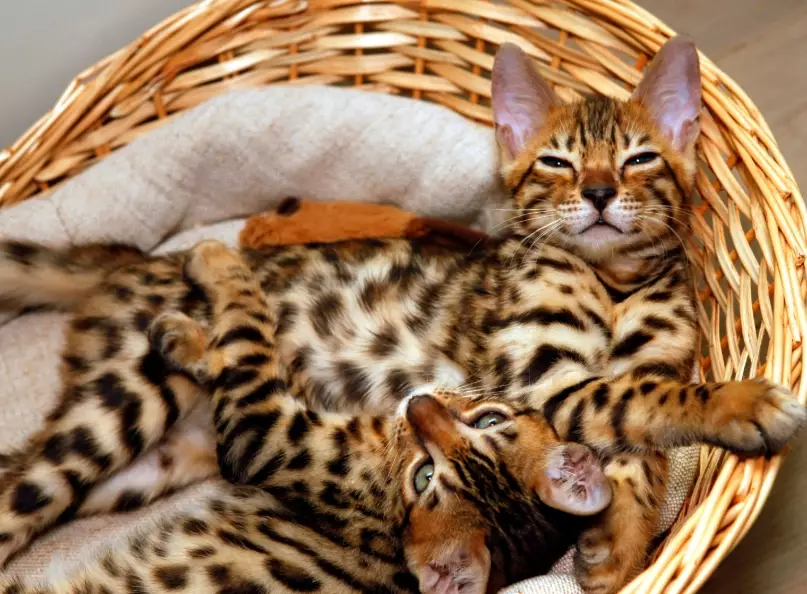
Space & Vertical Territory
Floor space is irrelevant to a Bengal. Air space is everything. A single cat tree is a joke to them. You need a network of vertical pathways. This means tall, sturdy cat trees (6+ feet), wall-mounted shelves, and cleared-off bookcase tops. Create a highway that lets them traverse the room without touching the floor. It satisfies their need to climb and observe from a height, which reduces stress.
Mental & Physical Stimulation
Twice-daily play sessions of 15-20 minutes are the bare minimum. But it's the quality that matters. Wand toys that mimic prey (feathers, erratic movements) are key. End each session with a "catch" and a treat to satisfy the hunting sequence. But beyond play, you need puzzles.
I rotate three types of puzzle feeders for Kai. A simple ball he bats, a more complex slider box, and a treat-dispensing mat. His dinner is never just in a bowl. This 15 minutes of problem-solving tires him out more than an hour of chasing a laser pointer (which you should avoid as a sole toy—it can cause frustration).
The Right Diet
High-energy cats need high-quality fuel. Look for foods where the first ingredient is a named meat (chicken, salmon), not a by-product or grain. Many Bengal owners, including myself, find a combination of wet and dry food works best. The wet food provides hydration (important for urinary health), and a high-protein dry food is good for their active metabolism. Consult your vet, but be prepared for this to be a more expensive line item than with other cats.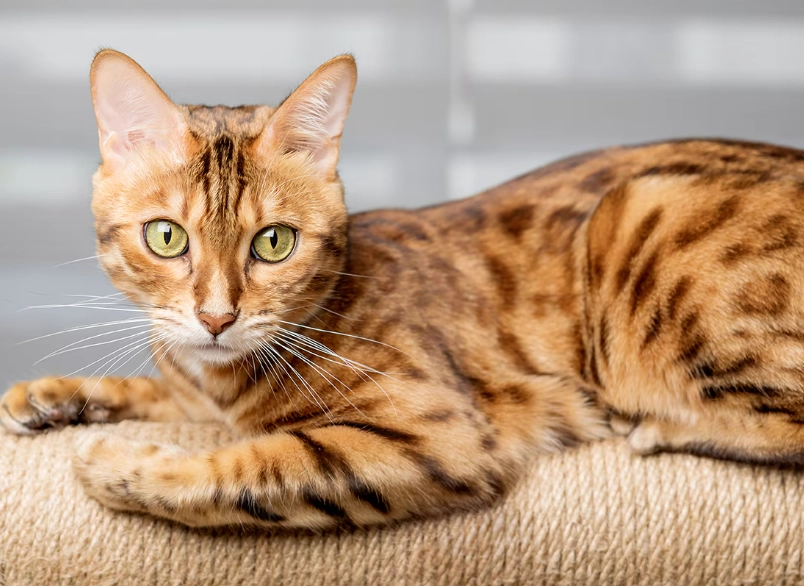
Building the Ultimate Indoor Jungle Gym
This is the fun part. Transforming your home doesn't have to be ugly. It's about smart integration.
- Window Access: A secure cat perch by a window is a TV channel for cats. Consider a bird feeder outside a safe window for endless entertainment.
- Controlled Outdoor Access: A catio (a secure outdoor enclosure) is a game-changer. It provides fresh air, sun, and sensory stimulation without the risks. If that's not possible, harness training for supervised backyard exploration can work wonders.
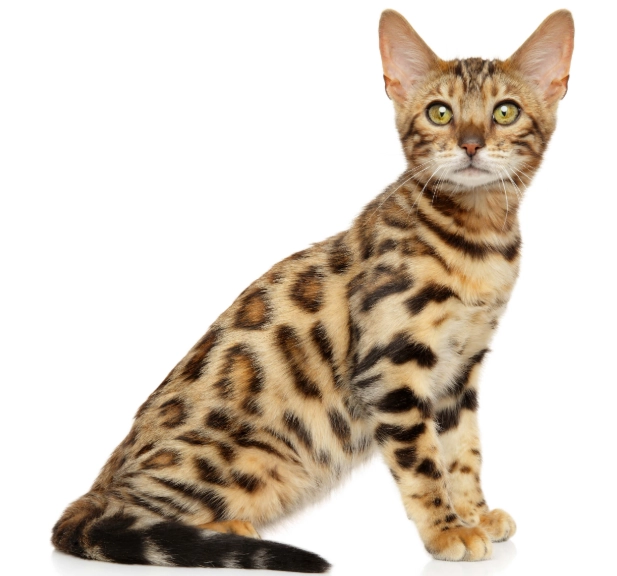
- Water Features: A cat water fountain isn't a luxury; it's a necessity. The moving water attracts them to drink more and provides interactive play.
- Durable Toys: Forget flimsy mice. Bengals destroy them. Invest in sturdy, interactive toys like treat balls, electronic motion toys, and heavy-duty springs.
The Not-So-Glamorous Side: Potential Challenges
It's not all glitter and rosettes. You need to go in with eyes wide open.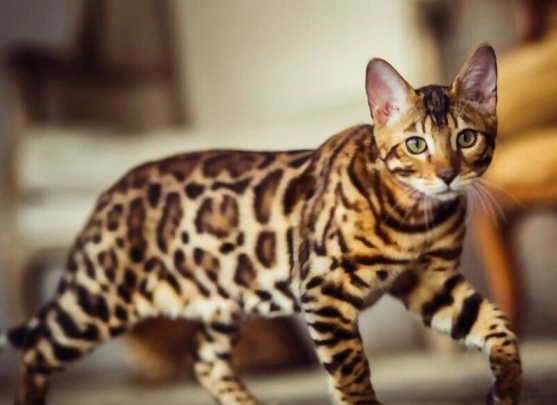
Boredom = Destruction. A bored Bengal will find a job. That job might be shredding your sofa, unraveling your carpet, or "redecorating" your shelves. This isn't malice; it's pent-up energy and intelligence with no outlet.
They can be demanding. That dog-like loyalty means they want your attention, often on their schedule. If you work 12-hour days away from home, a Bengal is likely a poor fit unless you have another active pet for company.
Some are picky about litter. Their fastidious nature means a dirty litter box is unacceptable. You'll need to scoop daily, without fail. Many also prefer fine-grain, unscented litter.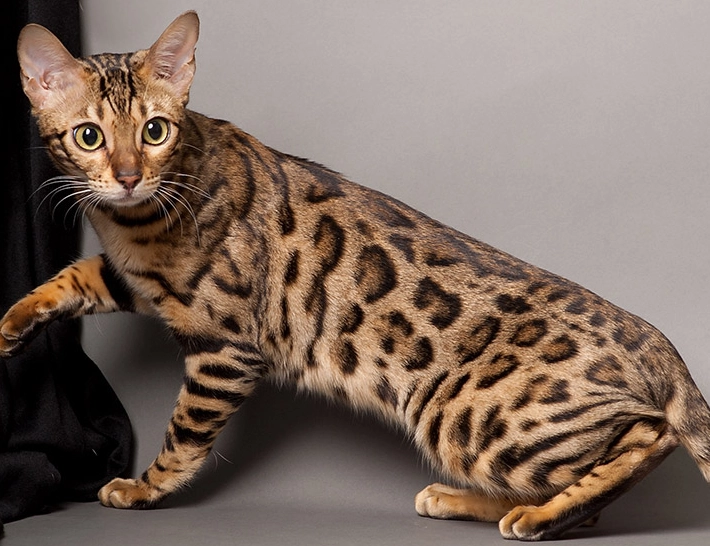
Is a Bengal Cat the Right House Cat for You?
Ask yourself these questions honestly:
- Can I commit to 30-60 minutes of active engagement every single day?
- Am I willing to catify my home with shelves and tall trees?
- Do I want a interactive, "in-your-business" companion, or a more independent cat?
- Is my budget ready for higher food, insurance, and enrichment costs?
- Do I have the patience for a clever cat who might test boundaries?
If you answered yes, a Bengal can be one of the most rewarding house cats imaginable. Their affection, humor, and sheer presence are incredible. If you hesitated, consider a different breed or look into adopting an adult Bengal from a rescue where their personality is fully known.
Your Bengal Cat Questions, Answered
So, can a Bengal cat be a house cat? The final answer is a qualified, enthusiastic yes. It requires a paradigm shift from being a pet owner to being a curator of an environment for a brilliant, athletic animal. Do the work upfront, understand what you're signing up for, and you'll gain a companion whose wild beauty is matched only by its deep, engaging bond with you.