You see them in memes, in cartoons, and probably snoozing on your neighbor's windowsill. That vibrant, marmalade-colored cat. The question pops up all the time: what cat breed is always orange? Here's the straight answer right off the bat: there isn't one. No single breed is guaranteed to produce only orange kittens. Orange isn't a breed; it's a coat color, like having black hair or blonde hair. The search for an "always orange" breed leads us down a fascinating rabbit hole of cat genetics, breed standards, and some widespread misconceptions. I've been around cats for decades, and the "ginger cat" myth is one I hear constantly. Let's clear it up.
In This Article
Why Are Most Orange Cats Male? The Genetics Explained
This is the most crucial piece of the puzzle. Look around, and you'll notice most orange cats are boys. It's not your imagination. Roughly 80% of orange cats are male. The reason is pure genetics 101.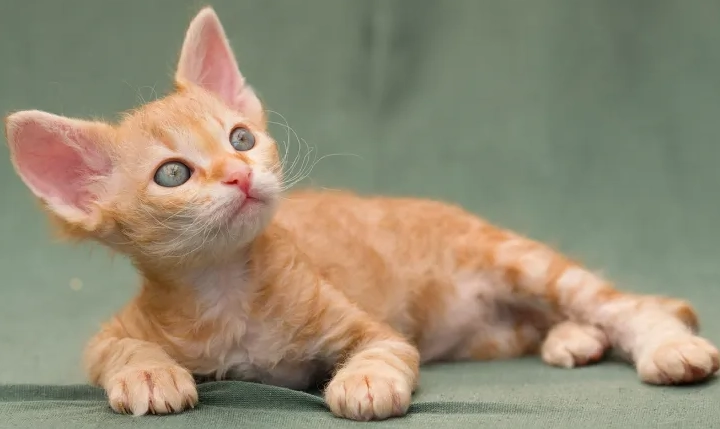
The gene that codes for orange fur (technically called "red" in cat fancy terms) is located on the X chromosome. Remember, males have one X and one Y chromosome (XY). Females have two X chromosomes (XX).
Here's how it plays out:
- A male cat only needs one copy of the orange gene (on his single X chromosome) to be orange.
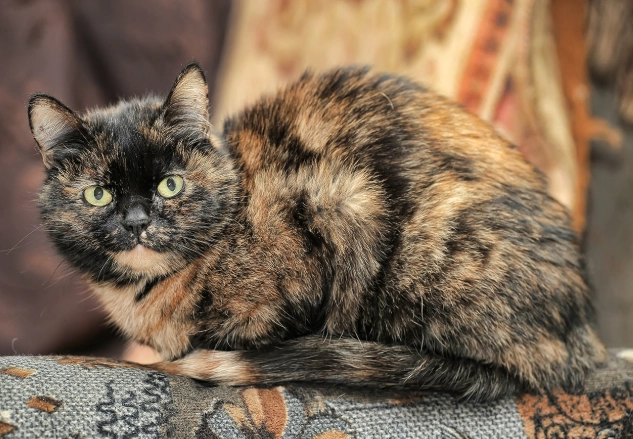
- A female cat needs two copies of the orange gene (one on each X chromosome) to be fully orange. If she has only one copy, she becomes a tortoiseshell or calico—a mix of orange and black.
Getting two copies of that specific gene is statistically less likely. That's why female orange cats are rarer. This genetic rule applies across all breeds. So, when you ask "what cat breed is always orange?", you're indirectly asking about a genetic probability that affects every breed equally. The Cat Fanciers' Association (CFA) and other registries have extensive documentation on color genetics that backs this up.
Breeds with a High Probability of Orange Coats
While no breed is exclusively orange, some have the color deeply embedded in their breed standards and breeding history. If you're set on an orange cat, looking at these breeds will significantly increase your odds. But remember, even within these breeds, you'll find other colors.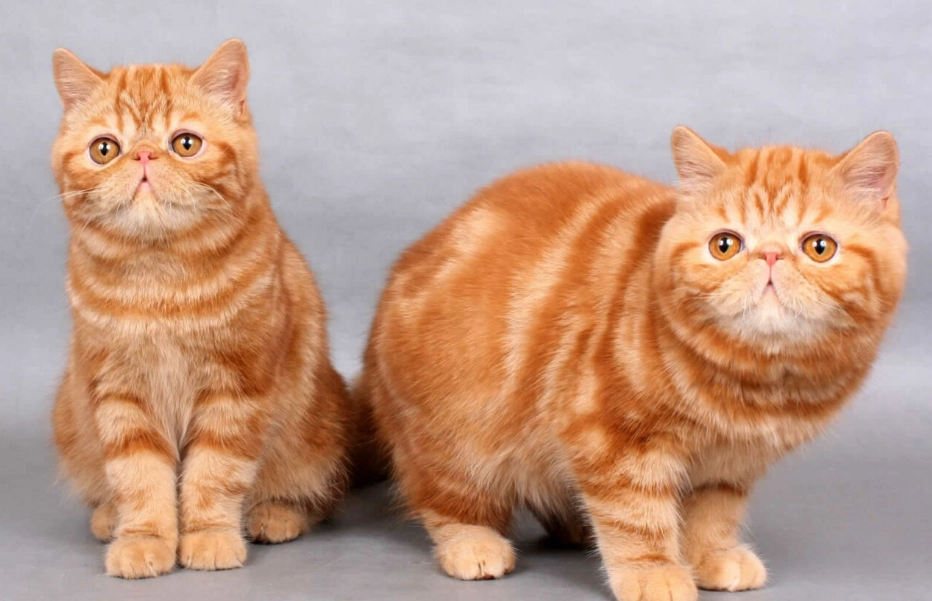
Here’s a breakdown of breeds where orange is a prominent and accepted color:
td>Calm, quiet, placid. They are lap cats through and through.| Breed | Orange Color Notes | Typical Temperament | Considerations |
|---|---|---|---|
| Persian | "Red" (orange) is a classic, recognized color. You'll often see stunning solid red or red tabby Persians. | High-maintenance coat requiring daily grooming. Prone to brachycephalic (flat-face) issues. | |
| Maine Coon | Often seen in stunning red tabby patterns. The "orange tabby Maine Coon" is an iconic look. | Gentle giant, playful, dog-like, intelligent. | Very large, needs space and interaction. Can be prone to hypertrophic cardiomyopathy (HCM). |
| British Shorthair | The "British Orange" is a beloved variety, often with a dense, plush coat. | Easygoing, affectionate but not clingy, dignified. | Can be prone to obesity. They are not overly active cats. |
| Abyssinian | While not a solid orange, the "sorrel" or "red" Abyssinian has a warm, burnt orange ticked coat. | Extremely active, curious, acrobatic. They are perpetual kittens. | Demands lots of playtime and engagement. Not a couch potato breed. |
| Domestic Shorthair/Longhair | This is your classic "mutt" cat. The orange gene is very common here, making up the majority of orange cats. | Varies wildly. A complete mixed bag based on lineage and upbringing. | Generally robust health. Personality is an unknown until you meet them. |
I remember visiting a breeder who specialized in red Persians. The room was a sea of fluffy orange, but even she had a couple of litters with tortoiseshell females in them. It's a numbers game. If you go to a Maine Coon breeder, you can express a preference for a red tabby, but you can't guarantee every kitten in a litter will be orange.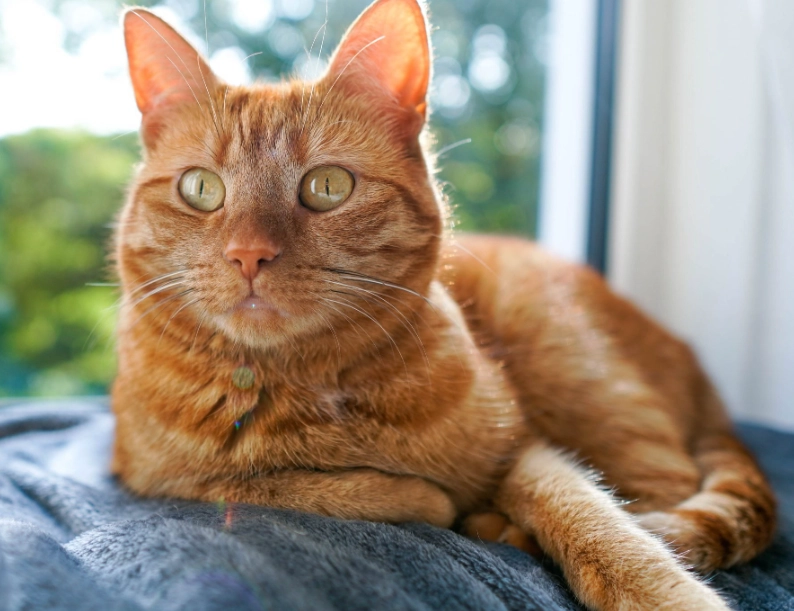
The Domestic Shorthair: The Most Common "Orange" Cat
Let's be real. The cat most people picture when they think "orange cat" is the Domestic Shorthair. These non-pedigreed cats are where the orange tabby pattern thrives. They are not a breed in the formal sense, but a population. Their genetic diversity makes the orange gene widespread. So, if you simply want an orange cat, your local shelter is almost always overflowing with wonderful orange Domestic Shorthair males (and the occasional lucky female).
The "Ginger Cat Personality" Myth: What's Really True?
Here's where I see a lot of well-meaning but misleading advice online. You'll hear people claim all orange cats are friendly, goofy, or extra affectionate. I've had three ginger cats over the years. One was a cuddlebug, one was aloof and preferred his own space, and one was a mischievous troublemaker with a heart of gold. Their personalities were shaped by their early life experiences and, to some extent, their breed mix, not their coat color.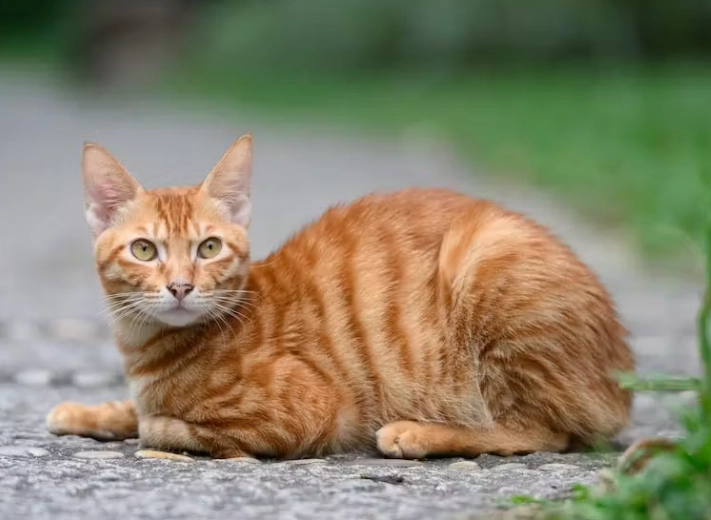
Attributing personality to coat color is a form of anthropomorphism we find comforting. It's easier to categorize. But it does a disservice to the individual animal.
A more accurate way to think about it: Breed influences personality more than color. An orange Persian will be laid-back. An orange Abyssinian will be a whirlwind. An orange Maine Coon will likely be social and playful. The orange Domestic Shorthair's personality is a wonderful mystery box.
The myth might persist because people interact more with friendly orange cats (who are often male and may have more outgoing tendencies, though this is debated), and those positive experiences get generalized.
Finding Your Orange Cat: A Practical Adoption Guide
So, you want an orange cat. Great! Let's talk about how to find one without getting hung up on the "always orange breed" idea.
1. Check Shelters and Rescues First. This is your best bet. Use adoption site filters for color. You'll have many orange Domestic Shorthairs to choose from. You're giving a home to a cat in need, and you can often find kittens, adults, and seniors.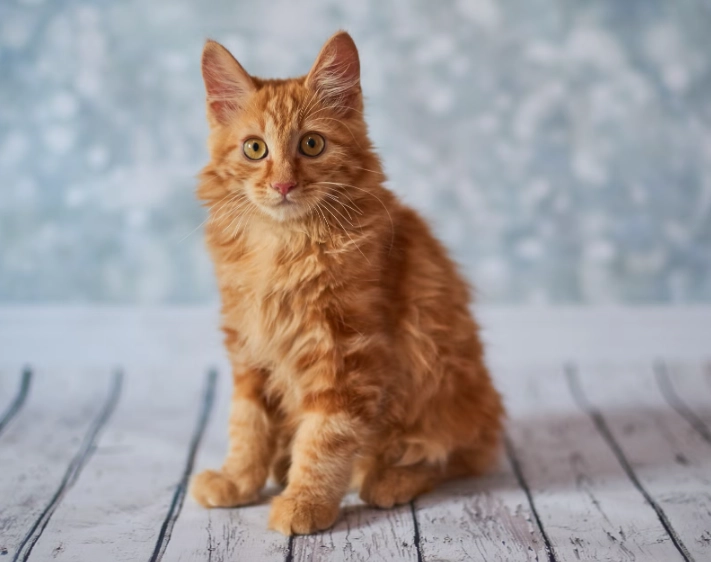
2. If You Want a Specific Breed, Find a Reputable Breeder. If your heart is set on an orange Persian or Maine Coon, do your homework. A good breeder will:
- Health test their breeding cats for genetic issues common to the breed.
- Raise kittens in their home, socializing them.
- Be transparent about the genetics and not promise an orange kitten from every litter.
- Be affiliated with a major cat registry like CFA or TICA.
3. Look Beyond the Color. When you meet a potential cat, ask about its history, health, and observed temperament. Is it playful? Shy? Good with other pets? A cat's personality will affect your daily life far more than the shade of its fur.
4. Be Ready for the Commitment. Orange cats aren't a separate category of care. Their needs depend on their breed. A long-haired orange cat needs grooming. An active breed needs play. All cats need vet care, good food, and love.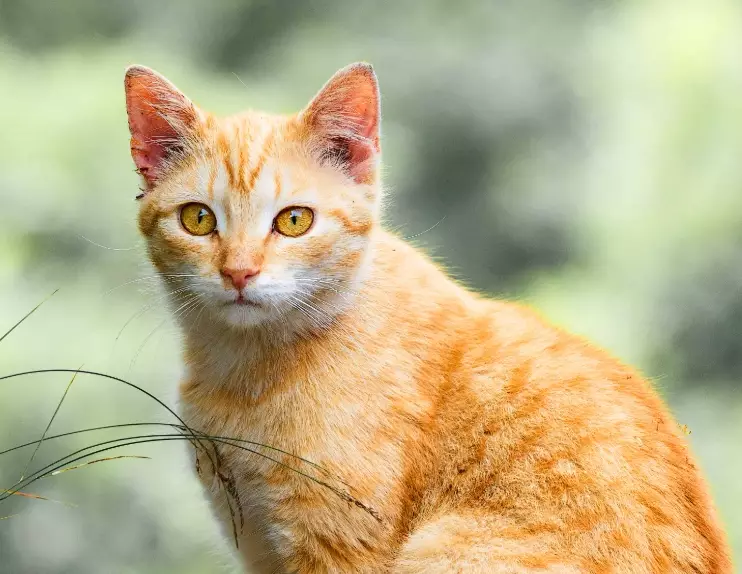
Your Orange Cat Questions, Answered
Is there a cat breed that is 100% always orange?
Why are almost all orange cats male?
Do all orange cats have the same personality?
What should I look for when adopting an orange cat?