Your Quick Guide
- What Is An Angora Cat? Untangling History from Hype
- The Angora Cat Personality: More Than Just a Pretty Face
- The Great Grooming Debate: Managing That Magnificent Coat
- Angora Cat Health: What You Need to Know for the Long Haul
- Answering Your Biggest Angora Cat Questions
- Making the Decision: Is an Angora Cat Right for YOU?
So you're thinking about getting an Angora cat, huh? Maybe you saw a picture of one, this cloud of white fur with mesmerizing eyes, and thought, "I need that in my life." I get it. I felt the same way years ago. But let me tell you, living with an Angora cat is a whole different story from just admiring one. It's rewarding, sure, but it's not all just Instagram-worthy snuggles. There's a lot of brushing. I mean, a lot.
This guide isn't just a rehash of basic cat info you can find anywhere. We're going to dig into the real stuff—the daily routine, the potential vet bills, the personality quirks that nobody warns you about. Is an Angora cat the right fit for your busy lifestyle? Are they truly hypoallergenic like some people claim? We'll tackle all of that, and more.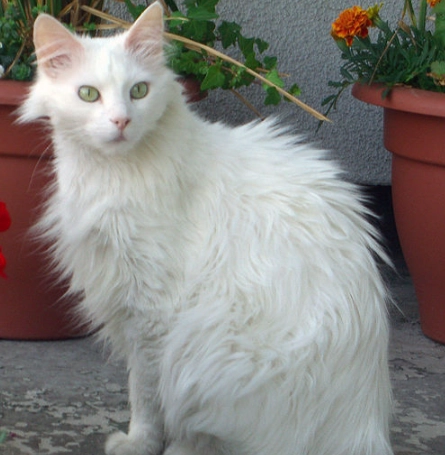
What Is An Angora Cat? Untangling History from Hype
First things first, there's a lot of confusion around the name. When most people say "Angora cat," they're picturing the Turkish Angora. That's the one with the long, silky, usually white coat and often with one blue eye and one amber eye. It's a natural breed that hails from, you guessed it, Turkey. They've been around for centuries, possibly dating back to the 15th century.
But here's where it gets messy. "Angora" was once used as a generic term for any long-haired cat. This can lead to mix-ups, especially with Persians, who have a completely different face and coat texture. A true Turkish Angora is elegant and athletic, not cobby and flat-faced. The Cat Fanciers' Association (CFA) has a detailed breed standard that clarifies this, noting their fine-boned structure and wedge-shaped head. You can check out their official Turkish Angora breed profile for the nitty-gritty details.
The key takeaway? If someone is trying to sell you an "Angora cat," you need to ask for proof of pedigree if you want the purebred Turkish variety. Otherwise, you might just have a beautiful domestic longhair (which is perfectly wonderful too!).
Quick Reality Check: That stunning, pure white coat with odd eyes is iconic, but not all Turkish Angoras are white. They come in a rainbow of colors—black, blue, tabby, you name it. The white ones just get all the fame because they look like little snow leopards.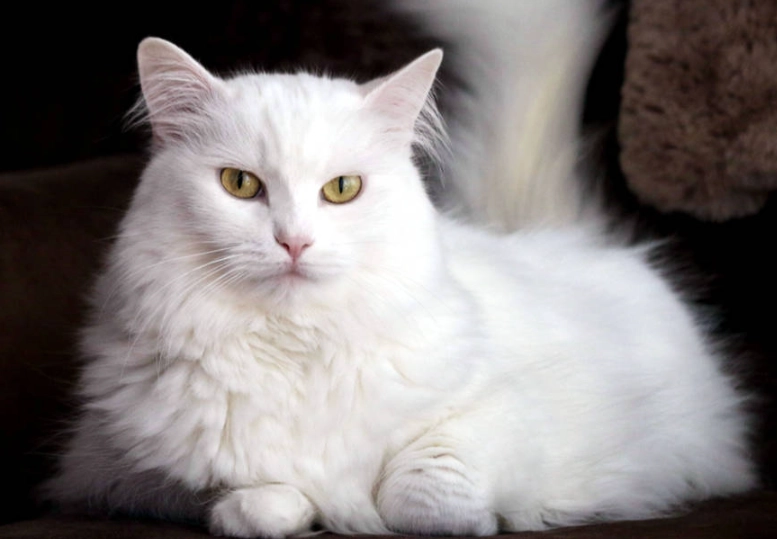
The Angora Cat Personality: More Than Just a Pretty Face
Okay, let's talk about what it's actually like to live with one of these cats. If you want a decorative pet that just sits on a pillow all day, look elsewhere. My Angora, Mochi, has more energy than my neighbor's terrier.
They're famously intelligent and curious. I'm not just saying that. I mean, open-a-cupboard-door, figure-out-how-the-faucet-works intelligent. They get bored easily, so puzzle toys and interactive play are non-negotiable. They form incredibly strong bonds with their favorite person (which is flattering until they're yowling outside the bathroom door). They tend to be chatty, not in a loud, Siamese way, but with soft, chirpy trills and meows as if they're holding a conversation with you.
But here's a personal observation—they can be a bit aloof with strangers. Mochi will vanish the second the doorbell rings. It's not aggression; it's just a cautious, "I'll observe you from a distance, thank you very much." This isn't a universal trait, but many owners report it. They're loyal to their family, not necessarily to every guest on your couch.
Are Angora Cats Good with Kids and Other Pets?
Generally, yes. Their playful nature makes them good companions for respectful, older children. They can keep up with a gentle game of chase. With other pets, early socialization is key. They have a moderate to high prey drive, so introducing them to a pet rabbit or bird might be... stressful for everyone involved. A dog that respects cats? Usually fine. Another cat? Can be hit or miss, as they often enjoy being the center of attention.
The Great Grooming Debate: Managing That Magnificent Coat
This is the make-or-break section for most potential Angora cat owners. Their single coat (no dense undercoat like a Persian) is fine and silky, which is a blessing and a curse. The blessing? It doesn't mat as easily as you'd think. The curse? It sheds. Oh, does it shed. It's like living with a gentle, perpetual snowstorm of fine white hair.
You cannot skip grooming. I tried, thinking, "It's not matting, so it's fine." A week later, Mochi had developed a few small tangles near her armpits, and she was not pleased with the detangling process. Trust me, a few minutes each day is better than a wrestling match on the weekend.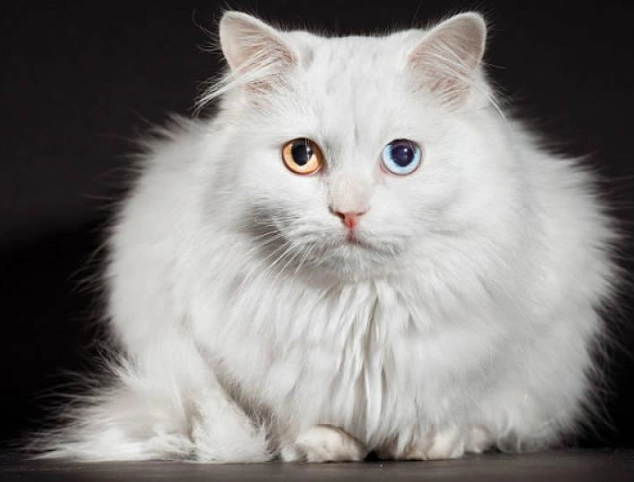
Essential Angora Cat Grooming Toolkit
Forget the cheap plastic brushes. You need the right tools for this job.
- A High-Quality Stainless Steel Comb: This is your #1 tool. The fine teeth get through that silky fur without pulling. Use it daily, starting from the tips of the fur and working toward the skin.
- A Slicker Brush: Good for a quick once-over to remove loose hair. Be gentle—their skin is sensitive.
- A Rubber Grooming Mitt: Surprisingly effective for collecting loose fur during shedding seasons and most cats tolerate it well because it feels like a petting session.
- Blunt-Tipped Scissors: ONLY for safely snipping out the occasional, impossible knot. Never cut blindly.
Bathing? It's not a regular necessity, but getting them accustomed to it as kittens is a brilliant move. That single coat dries surprisingly fast. Use a cat-specific shampoo—never human products—to maintain the skin's pH balance. The VCA Animal Hospitals guide on cat grooming basics offers solid, vet-approved advice on this process.
Watch Out For: Even with a single coat, areas like the "breeches" (back of the hind legs), armpits, and behind the ears are tangle hotspots. Check these areas every other day without fail.
Angora Cat Health: What You Need to Know for the Long Haul
Generally, Turkish Angoras are considered a healthy, hardy breed with a lifespan of 12-18 years. But like all purebreds, they have some genetic predispositions you should be aware of. This isn't to scare you, but being informed helps you catch things early.
The most well-known issue is linked to that beautiful white coat and blue eyes: hereditary deafness. A white cat with two blue eyes has a significantly higher chance of being deaf in one or both ears. It's not a guarantee, but it's common enough that you should have a vet check a kitten's hearing. Deaf cats live perfectly full lives, they just need some safety adjustments (like never letting them roam outdoors).
Another condition to have on your radar is Hypertrophic Cardiomyopathy (HCM), a form of heart disease. Responsible breeders screen their breeding cats for this. Ask for proof. The Cornell Feline Health Center provides an excellent, in-depth resource on HCM.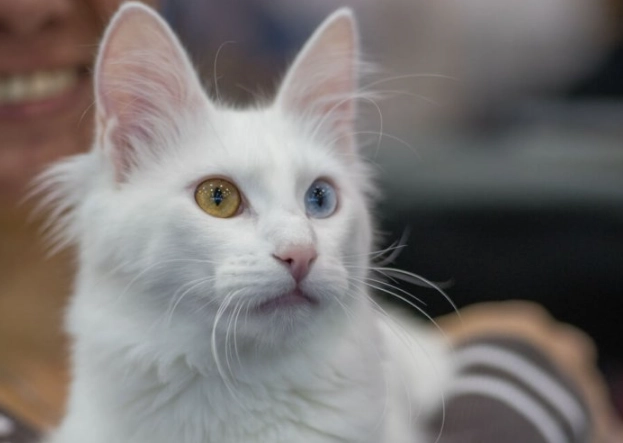
Here’s a quick table summarizing key health considerations for an Angora cat:
| Condition | What It Is | Prevention/Action |
|---|---|---|
| Hereditary Deafness | Linked to the white coat & blue eye gene. Can be unilateral (one ear) or bilateral (both ears). | BAER hearing test for white/blue-eyed kittens. Keep deaf cats indoors only, use visual/vibrational cues. |
| Hypertrophic Cardiomyopathy (HCM) | Thickening of the heart muscle, a common feline heart disease. | Ask breeder for proof of parent screening. Annual vet check-ups with stethoscope exam. Watch for lethargy, rapid breathing. |
| Ataxia (Turkish Angora Ataxia) | A rare, breed-specific neurological disorder affecting coordination, appearing in kittens. | Reputable breeders avoid breeding carriers. Symptoms appear by 3-4 weeks old. |
| Dental Issues | Gingivitis and tooth resorption can affect any cat. | Regular teeth brushing (if possible), dental check-ups, and dental diets/treats. |
Beyond genetics, their active nature means they need a good diet to fuel their adventures. A high-quality, protein-rich cat food is essential. Obesity can be a problem if they become less active in their senior years, so monitor their weight.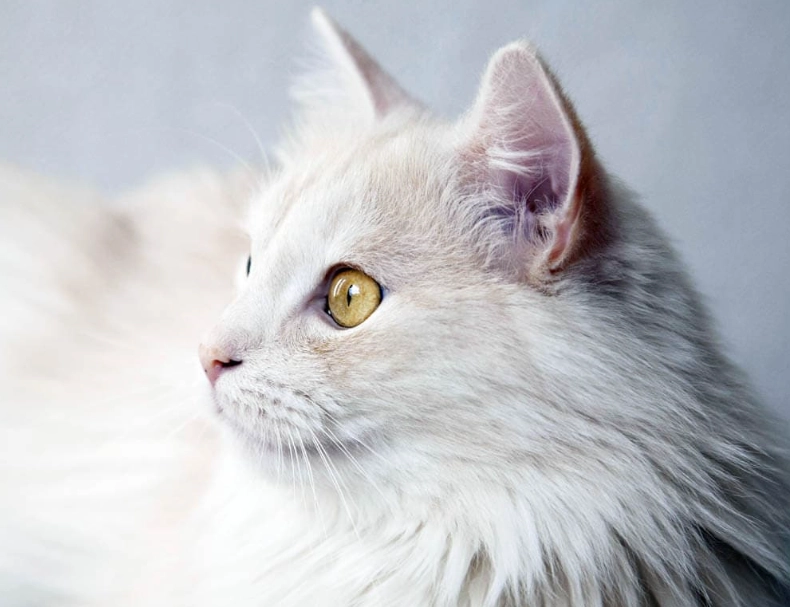
Answering Your Biggest Angora Cat Questions
Let's cut through the noise and answer the stuff people are actually typing into Google.
Are Angora cats hypoallergenic?
This is the million-dollar question. The short, honest answer is: no cat is 100% hypoallergenic. The primary cat allergen (Fel d 1) is produced in saliva and skin oils, not just the fur. When an Angora cat grooms itself, the allergen gets on its fur and then into the environment.
However—and this is a big however—many people with mild cat allergies report doing better with Turkish Angoras. Their single coat may shed less dander (dead skin flakes) into the air compared to a double-coated cat. Their fine fur might also trap the allergen closer to the skin. But this is anecdotal. If you have severe allergies, spending time with an Angora cat before committing is an absolute must.
How much does an Angora cat cost?
From a reputable breeder who does health testing, a Turkish Angora kitten can cost anywhere from $800 to $2,500+, depending on lineage, color, and location. The rare colors or show-quality cats are at the higher end.
Please, please avoid "cheap" kittens online or from pet stores. The upfront savings are never worth the potential heartache and massive vet bills from an unscreened, poorly bred animal. Consider adoption too! Breed-specific rescues or even local shelters sometimes have adult Angoras or Angora mixes who need homes. Check resources like Petfinder and search for "Turkish Angora" or "long-haired."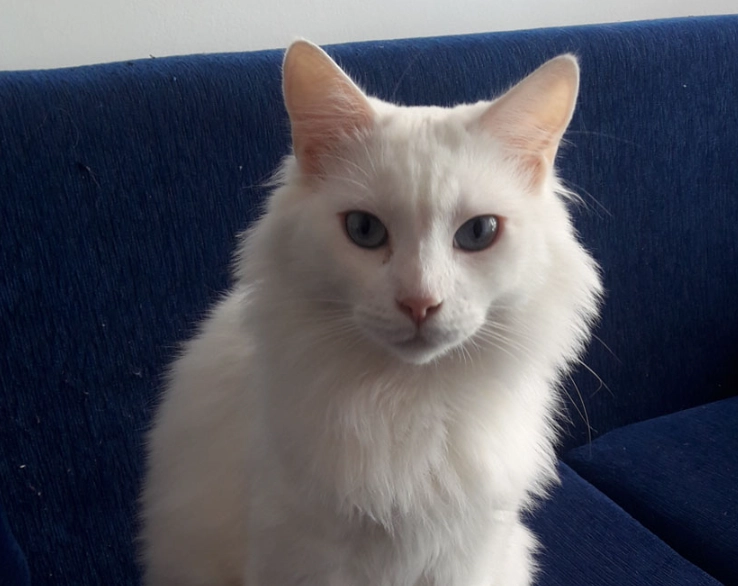
Angora Cat vs. Persian Cat: What's the real difference?
They're both long-haired, but that's about where the similarity ends. Think of it like comparing a ballet dancer to a sumo wrestler (okay, a fluffy, adorable sumo wrestler).
Persian: Extreme brachycephalic (flat face), cobby, heavy-boned body, extremely long & dense double coat that mats easily, typically calm and placid personality.
Turkish Angora: Wedge-shaped head, elegant, fine-boned, athletic body, single silky coat, highly active, intelligent, and playful personality.
The grooming needs, energy levels, and potential health issues (like breathing problems in Persians) are worlds apart.
Making the Decision: Is an Angora Cat Right for YOU?
Let's be brutally honest. An Angora cat is not a low-maintenance pet. Here’s a quick checklist to gut-check yourself.
An Angora cat might be a good fit if you:
- Are home a fair amount and can provide interaction.
- Enjoy (or don't mind) a daily 10-15 minute grooming ritual.
- Want an interactive, "in-your-business" companion, not an aloof roommate.
- Have a safe, stimulating indoor environment (cat trees, shelves, toys).
- Are prepared for potential vet visits related to breed-specific issues.
Think twice about an Angora cat if you:
- Travel constantly or work 12-hour days.
- Despise finding cat hair on everything (it will be on everything).
- Prefer a quiet, sedentary lap cat that mostly sleeps.
- Have severe cat allergies and are banking on the "hypoallergenic" myth.
- Are on a very tight budget (quality food, grooming tools, and potential health care add up).
My final two cents? Living with an Angora cat is a commitment to beauty, brains, and a bit of chaos. Mochi drives me crazy when she knocks pens off my desk at 6 a.m., but then she curls up on my lap, purring like a motorboat, and all is forgiven. She's more than a pet; she's a personality-filled member of the household.
If you do your homework, commit to the grooming, and provide the engagement they crave, an Angora cat can be an utterly delightful companion for many years. Just go in with your eyes wide open about the fluff. So much fluff.