You see a cat with a coat that stops you in your tracks. It's not the usual black, tabby, or ginger. The pattern seems split perfectly down its face, or the color is a shade you've never seen before. That moment of wonder often leads to the question: just how rare is this? The world of cat colors is a deep dive into genetics, where rarity isn't just about what's pretty, but about specific, sometimes random, genetic events.
Let's get one thing straight from the start. When we talk about the "rarest" cat color, we're not talking about a simple paint swatch. We're talking about the intersection of specific genes, their expression, and breed standards. The answer isn't one single color, but a handful of genetic marvels that are incredibly uncommon in the global feline population.
What's Inside?
What Makes a Cat Color 'Rare'?
Rarity in cat coats is a sliding scale influenced by a few key factors. It's not just about what you don't see often at your local shelter.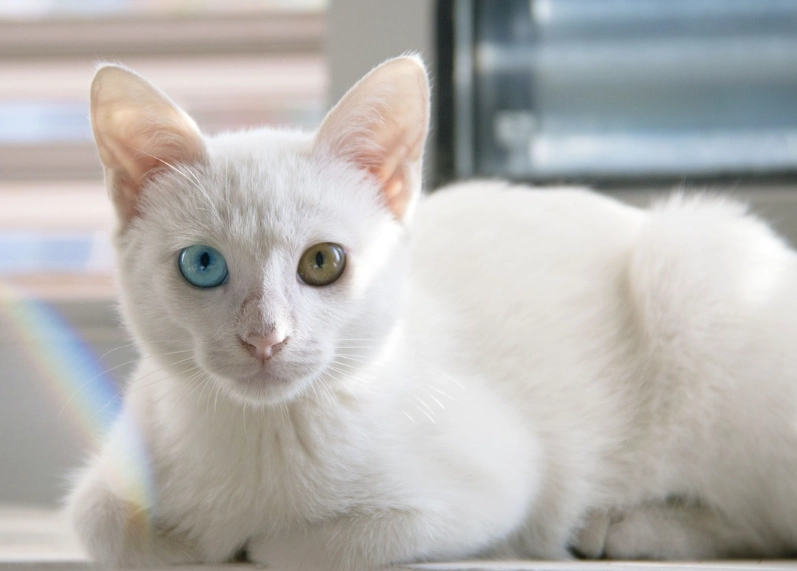
Genetics First: Some colors require very specific, often recessive, gene combinations. If a gene is recessive, both parents must carry it for it to show up in their kittens. If that gene is uncommon in the breeding population, the resulting color becomes rare.
Breed Restrictions: Certain colors are only recognized (and therefore ethically bred for) in specific cat breeds. You won't find a sanctioned, pedigreed chocolate Persian, for example, because the breed standard doesn't allow it. That makes chocolate Persians not just non-existent in shows, but virtually non-existent period.
The Random Factor: Then there are genetic anomalies—true accidents of nature. These aren't bred for; they just happen. They're the lottery winners of the cat world, and their "color" is often a one-of-a-kind pattern.
So, with that framework, let's look at the actual contenders.
The Top Contenders for Rarest Cat Color
Here's where we separate the uncommon from the truly exceptional. I've spent years talking to breeders and geneticists, and the same few examples always come up in conversations about extreme rarity.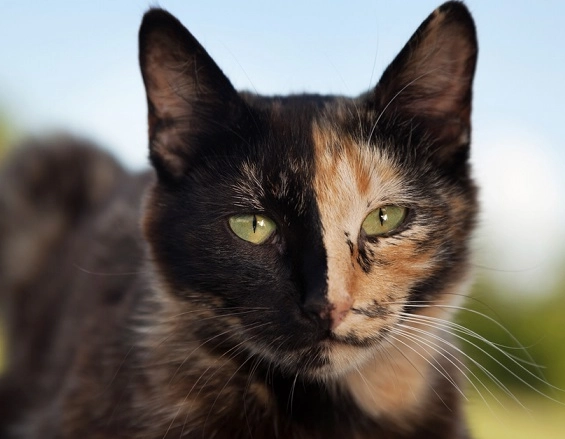
1. The Chimera: A Cat of Two Halves
This is the celebrity of rare cat patterns. A chimera is not a color per se, but a cat composed of two distinct sets of DNA, resulting from two embryos fusing very early in development. The most striking manifestation is the "two-faced" cat—one side of the face is one color (e.g., black), the other side is another (e.g., orange), with a clean, vertical split. The body often follows suit with two distinct coat patterns.
Why it's so rare: It's a random developmental event. You cannot breed for it. While some cats with asymmetrical faces are mosaics (where genetic variation occurs after fertilization), a true, perfectly symmetrical chimera is a genetic fluke of the highest order. Venus the "two-faced cat" is a famous internet example, though her exact genetic status is debated.
2. True Solid White (Non-Albino)
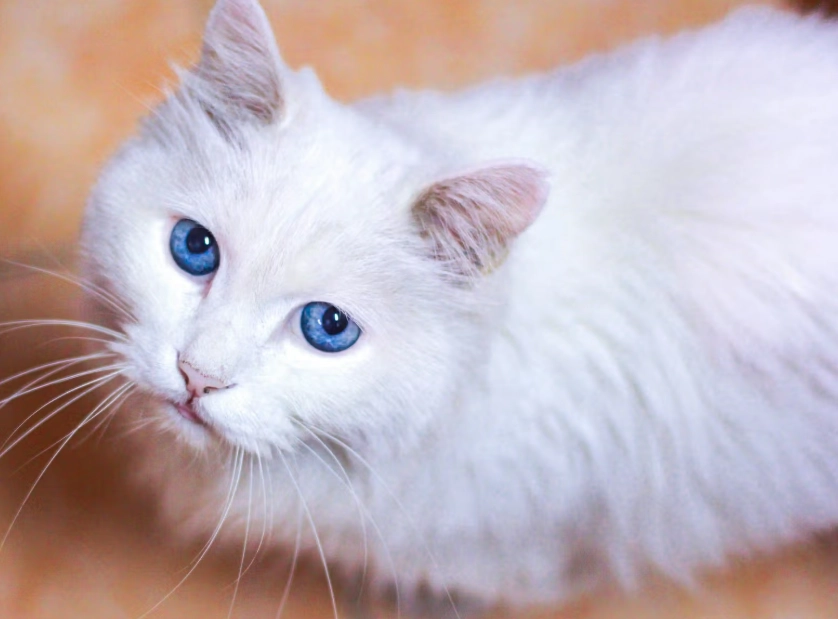
Hold on, you see white cats all the time, right? True. But a solid white, with no faint tabby markings (called "ghost striping") visible in certain lights, is less common than you think. More importantly, we need to distinguish types of white.
Most solid white cats have the Dominant White (W) gene or an extreme form of the White Spotting (S) gene. This gene masks all other color information. The rarest white of all, however, belongs to the albino series.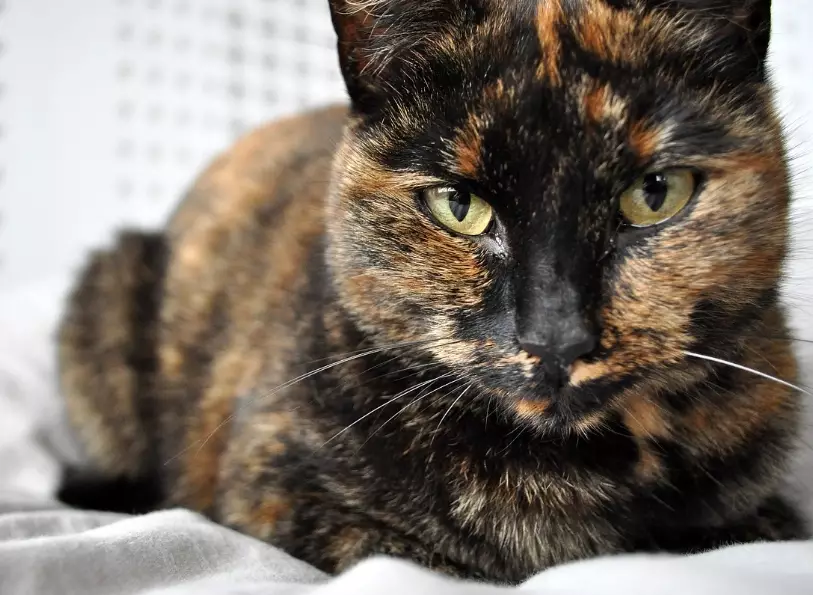
- True Albino (c/c): This is the complete absence of pigment. Pink skin, pale blue or pink eyes, and a pure white coat. It's caused by a mutation in the tyrosinase enzyme. These cats are light-sensitive and very, very rare in the general population.
- Foreign White: This is a breed-specific term for a Siamese-type cat with the dominant white gene and blue eyes. While selectively bred, it's still a relatively uncommon combination outside that specific breeding program.
3. Cinnamon & Fawn
Now we get into the realm of rare pigments. In the cat color genetics world, the "B" gene (Brown) has three main alleles:
B (Black) > b (Chocolate) > b1 (Cinnamon).
Cinnamon (b1/b1) is a warm, light reddish-brown. It's often described as the color of a cinnamon stick. Fawn is the diluted version of cinnamon (b1/b1 plus the dilute gene 'd'), resulting in a pale, creamy beige with a pinkish tone.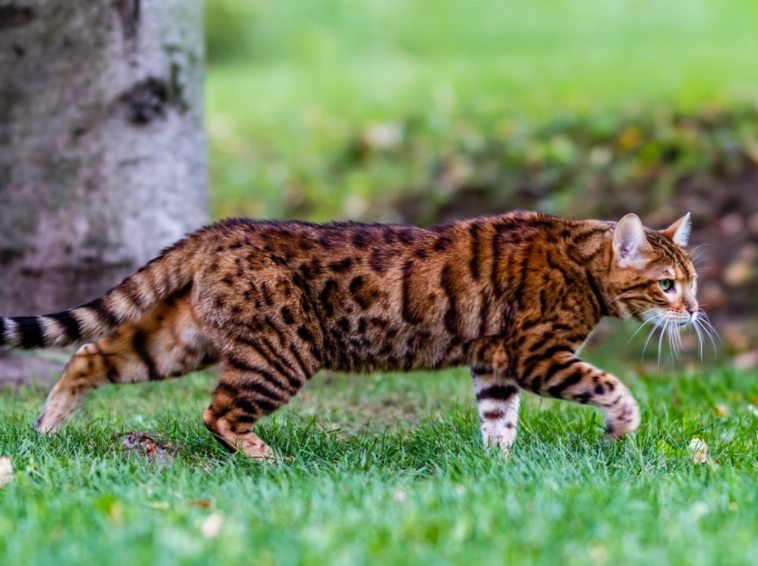
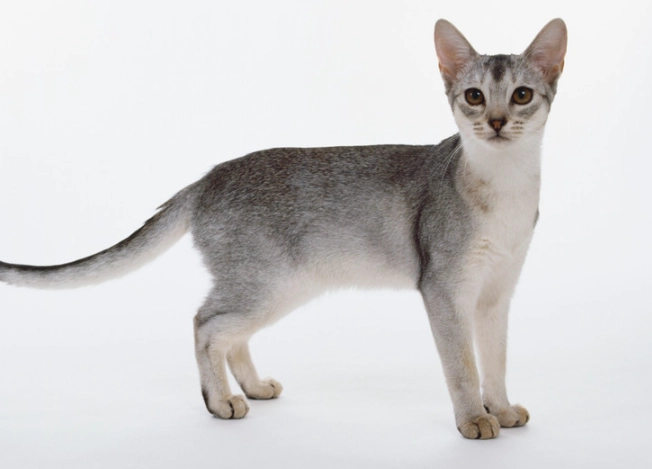
Why they're rare: The cinnamon (b1) allele is recessive to both black and chocolate. It's also geographically restricted. It's most established in breeds like the Abyssinian and Somali (where it's called "sorrel"), and the Oriental Shorthair. Finding this specific recessive gene pair in a random-bred domestic cat is like finding a specific, obscure book in a huge library by chance.
4. The "Ticked" Tabby in Non-Abyssinian Breeds
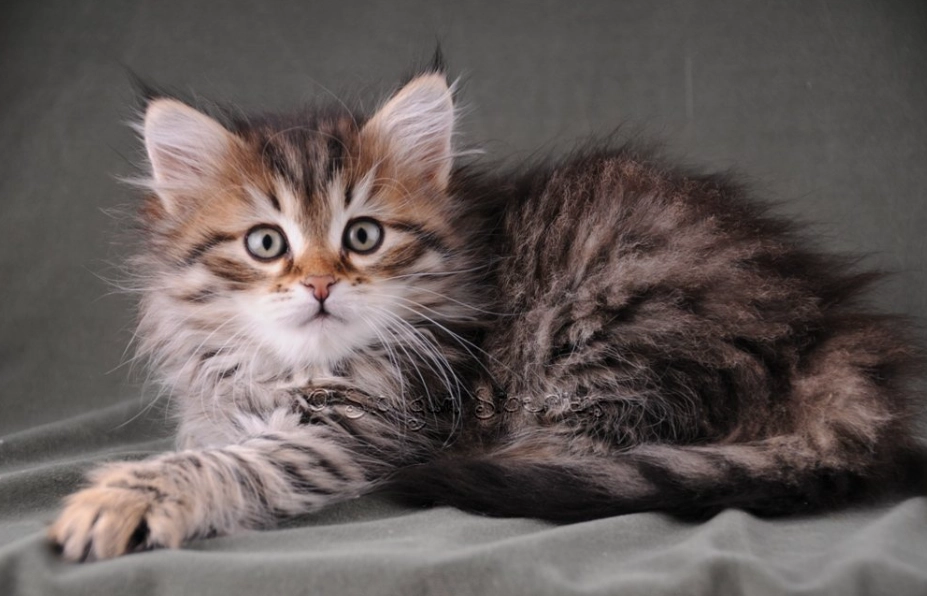
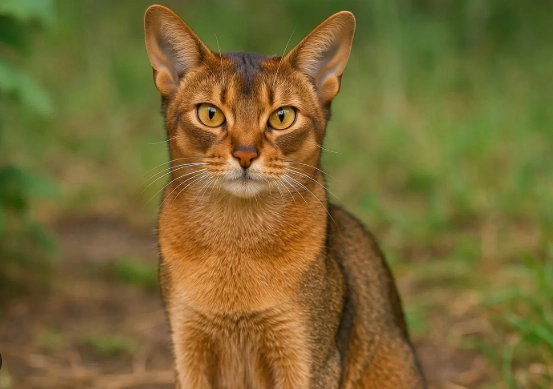
The ticked tabby pattern (think Abyssinian coat—no stripes, just individual hairs with alternating bands of color) is common in that breed. But it's controlled by the agouti (A) and ticked (Ta) genes. The homozygous form of the ticked gene (Ta/Ta) suppresses other tabby patterns (mackerel, classic).
In random-bred cats, the classic or mackerel tabby pattern is far more common. A domestic shorthair with a pure, clear ticked coat and no necklaces, bracelets, or body stripes is quite unusual. It happens, but it's a specific genetic combo that isn't the most frequent outcome.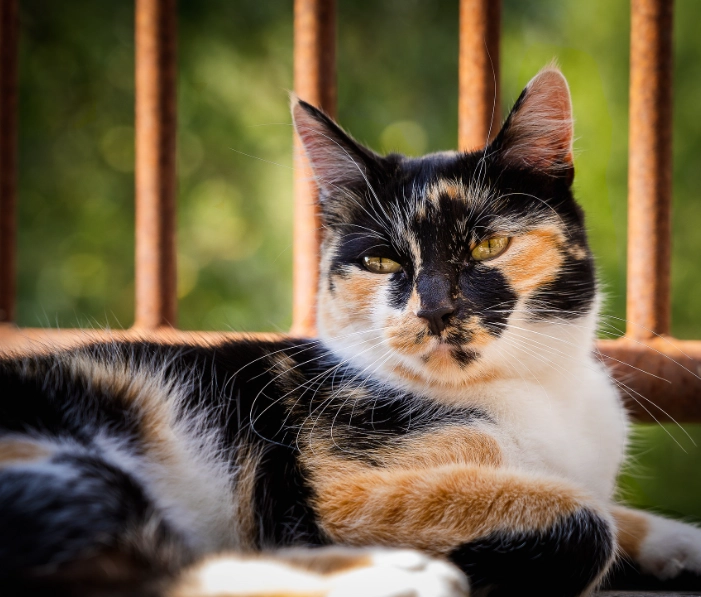
Genetics, Breeds & The Rarity Factor
You can't talk rarity without talking breeds. Breed standards act as a filter, making some colors common in one breed and impossible in another.
Take lavender (a dilution of chocolate, also called lilac). It's a sought-after, beautiful pale gray with a pinkish hue. In breeds like the British Shorthair or Oriental, it's established. But try to find a lavender Maine Coon. The color isn't recognized in the breed standard by major associations like CFA or TICA, so ethical breeders aren't selecting for it. An unregistered cat with Maine Coon type and a lavender coat might exist, but it would be a rare outlier, not a product of targeted breeding.
Another example is amber in Norwegian Forest Cats. This is a unique color progression where kittens are born a different color (like black) and lighten to a reddish amber as they age. It's breed-specific and governed by a particular gene, making it "rare" outside of that breed context.
The colorpoint pattern (like a Siamese) is common in many breeds now. But a colorpoint Persian (Himalayan) is a specific, established breed. A colorpoint in a breed where it's not standard, like a Manx, would be uncommon.
What to Know If You're Looking for a Rare-Colored Cat
Maybe you're captivated by the idea of a cinnamon cat or a cat with a unique pattern. Here's my practical, decade-in-the-field advice.
1. Prioritize Health and Temperament. Always. This cannot be overstated. A rare color is a bonus, not a goal. The rarest coat means nothing if the cat has genetic health problems or a poor temperament. Reputable breeders who work with rare colors test for genetic diseases common to their breed.
2. Go Through a Reputable Breeder for a Specific Color. If you want a cinnamon Oriental Shorthair, find a breeder specializing in that color within that breed. They will understand the genetics, the health testing required, and will be able to provide a pedigree. Expect to be on a waiting list. These colors don't pop up in every litter.
3. Be Wary of "Rare" Markups. Some disreputable sellers will label a common color as "rare" to inflate the price. A silver tabby is beautiful but not particularly rare. Do your homework on what is genuinely uncommon for the breed or type of cat.
4. Consider Rescue, But Be Patient. Genetic miracles do end up in shelters. Chimeras, mosaics, and unusual dilutions can be found. It might take time and diligent searching through rescue networks, but adopting a rare-colored cat is possible. Follow local and breed-specific rescues.
5. Understand the Potential Health Links. Some genes are linked to other traits. The dominant white gene (W) is associated with a higher incidence of congenital deafness, especially in cats with blue eyes. This doesn't mean all white cats are deaf, but it's a consideration. Responsible breeders will have their white cats BAER-tested for deafness.
Your Rare Cat Color Questions Answered
What is the single rarest cat color or pattern?
Is a solid white cat considered rare?
Can I breed my cat to get a rare color like cinnamon or fawn?
Are rare-colored cats more expensive or prone to health issues?
At the end of the day, the rarest cat color is a fascinating peek into the complexity of genetics. It reminds us that every cat, from the most common black shorthair to the once-in-a-lifetime chimera, is a unique combination of genes and chance. Whether you're drawn to the science, the beauty, or the sheer uniqueness, understanding what makes a color rare deepens the appreciation for the feline sitting on your couch—or the one you dream of finding.
My own cat is a standard issue mackerel tabby. Nothing rare about him. But the way he manages to always be underfoot, precisely where I'm about to step? That's a unique talent no genetics textbook can explain.