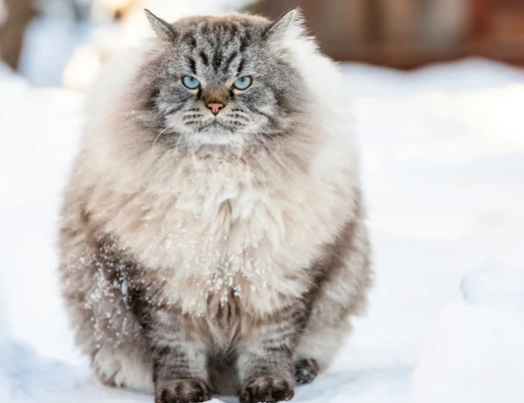
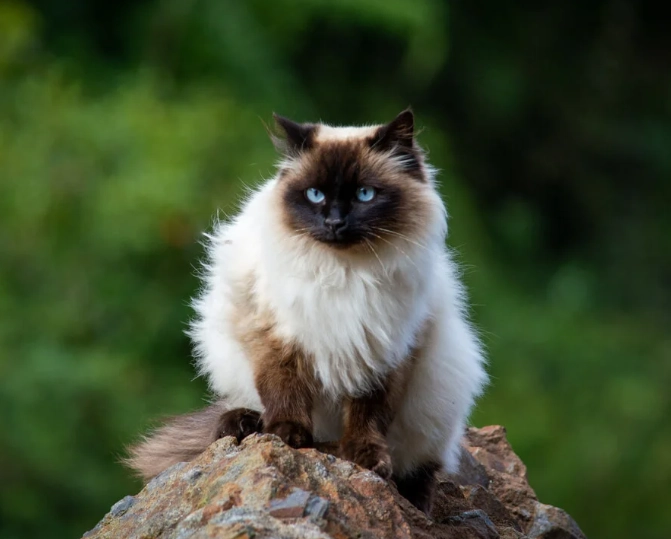
You see a photo of a cat that looks like it could wrestle a small dog. Luxurious, shaggy fur, a tail as fluffy as a fox's brush, and ears tipped with little tufts. That's a Maine Coon. They're not just big cats; they're a phenomenon. Ask any owner, and they'll tell you it's like living with a small, furry, surprisingly chatty roommate who has the heart of a golden retriever. But what exactly sets them apart from every other cat on the planet? It's a combination of sheer physical presence, a personality that defies typical feline stereotypes, and a history wrapped in tall tales.
What You'll Discover About Maine Coons
What are the defining physical traits of a Maine Coon?
Let's start with the obvious: size. This isn't subtle. A male Maine Coon can weigh between 13 to 18 pounds, with some outliers pushing past 20 pounds. Females are smaller but still substantial at 8 to 12 pounds. They're long, too. From nose to tail tip, over 3 feet isn't uncommon. But it's not just weight; it's bone structure. They have a solid, rectangular, muscular build. Picking one up feels substantial, like holding a sack of potatoes that purrs.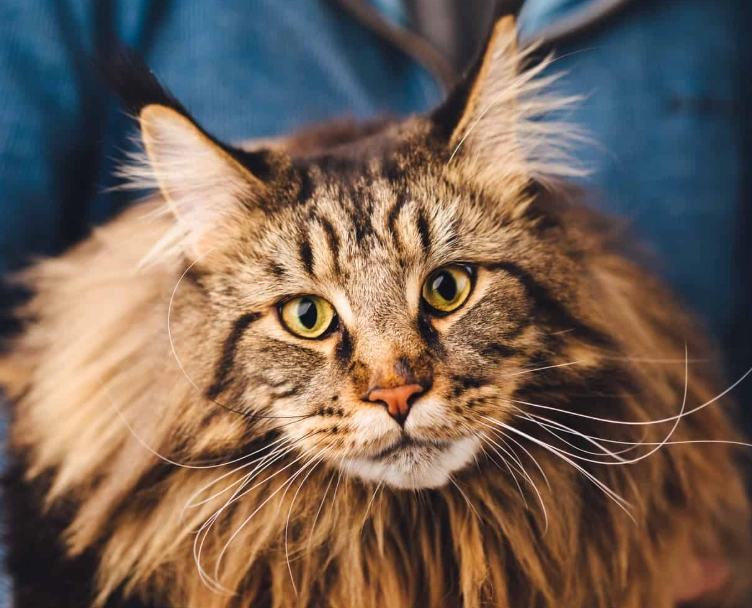
The coat is their crowning glory. It's heavy, water-resistant, and shaggy. It's shorter on the shoulders and longer on the stomach and britches (the back legs). That shaggy look is functional, developed to survive harsh New England winters. The tail is a masterpiece—long, bushy, and often carried proudly like a flag. Then there are the ear tufts, called "lynx tips," and the impressive ruff around their neck that makes them look regal, almost lion-like.
A quick comparison: People often say "big cat," but how do they stack up against a typical domestic shorthair? It's not just a slight difference.
| Trait | Average Domestic Shorthair | Average Maine Coon | The Special Factor |
|---|---|---|---|
| Weight | 8-10 lbs | 13-18 lbs (males) | Substantial, muscular heft |
| Coat | Short, uniform | Long, shaggy, uneven | Water-resistant, triple-layer for extreme weather |
| Tail | Thin, proportionate | Long, bushy, fox-like | Can be wrapped around the body for warmth |
| Ears | Rounded or pointed | Large, pointed with lynx tips | Tufts protect ear canals from snow and debris |
I remember visiting a breeder (a reputable one, health testing everything) and meeting a 2-year-old male named Leo. He didn't jump into my lap; he carefully placed one paw, then another, assessing if I could handle him. When he settled, it was like a warm, purring weighted blanket. You don't forget that feeling.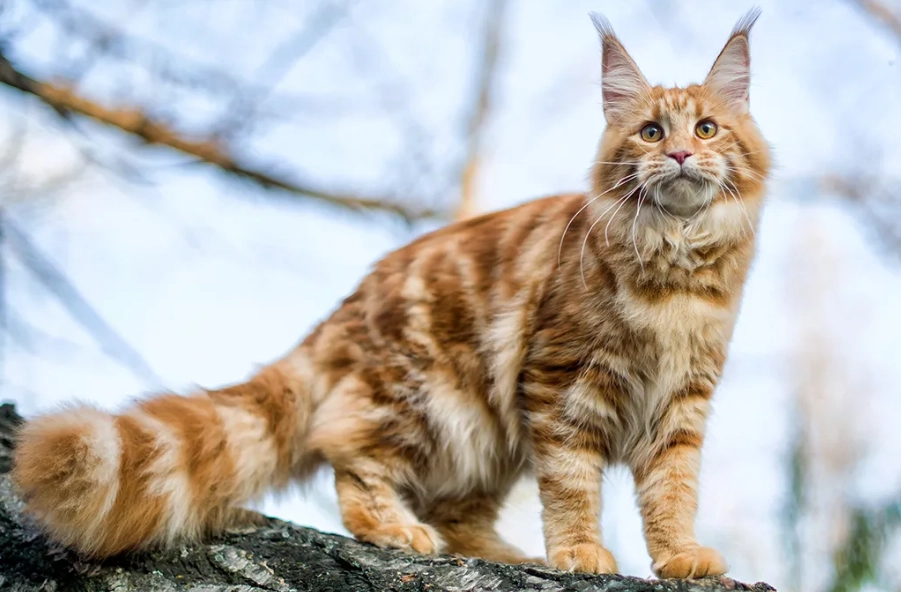
Personality & Behavior: More Dog Than Cat?
This is where Maine Coons truly become special. If you want an aloof, independent cat that ignores you, look elsewhere. Maine Coons are famously people-oriented, but in a quiet, undemanding way. They're your shadow, following you from room to room, not to beg for food, but just to be involved. They'll watch you cook, do laundry, work on the computer—always a respectful few feet away, observing.
They're known as "gentle giants" for a reason. Their temperament is remarkably steady and patient. This makes them fantastic with considerate children and other pets. They rarely get their claws out in anger. A hiss or a disgruntled walk-away is their usual response to annoyance.
The "Dog-Like" Behaviors Everyone Talks About
It's not hype. Many Maine Coons exhibit behaviors you'd more commonly associate with dogs.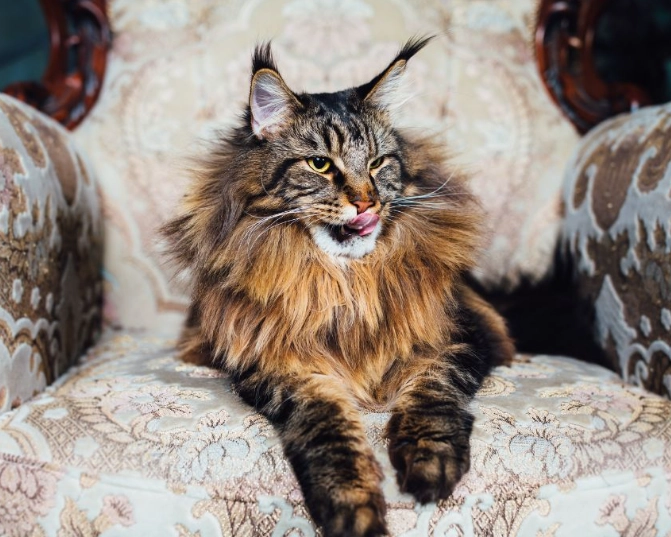
- Fetch: It's not every Maine Coon, but a significant number take to it naturally. They'll chase a crumpled paper ball or a small toy and bring it back, dropping it at your feet, ready for another round.
- Leash Training: Their adaptable nature makes them better candidates for harness training than most cats. They enjoy exploring secure outdoor spaces with their person.
- Greeting at the Door: Don't be surprised to be met at the door after a long day. They often come to see who's there and what's happening.
- Water Fascination: That water-resistant coat might play a role. Many are fascinated by running taps, will dip paws in water bowls, or even try to join you in the shower. One owner I know had to get a lid for her toilet because her Coon loved batting at the water.
Their vocalizations are unique too. They rarely give a standard meow. Instead, you get chirps, trills, and a peculiar, almost questioning little sound. It's like they're having a quiet conversation with you. It's not loud or incessant, just communicative.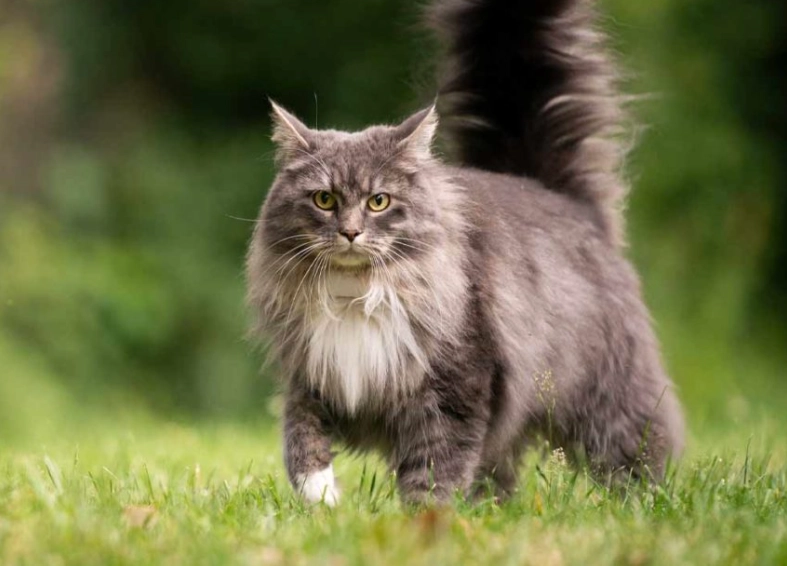
History & Origin: From Ship Cats to Show Stars
The origin story is a mix of fact and fantastic folklore. The most common (and biologically impossible) myth is that they're a cross between a domestic cat and a raccoon—hence the "Coon" name and the bushy, ringed tail. It's a fun story, but genetics don't lie.
The more plausible theory, supported by organizations like The International Cat Association (TICA), is that they're the descendants of longhaired cats brought over by European sailors (possibly Vikings or English seafarers) to the Northeastern United States. These rugged cats mated with local shorthaired cats. The harsh Maine winters acted as a natural selector; only the biggest, hardiest cats with the thickest, most water-repellent coats survived and thrived. They became valued farm and ship cats for their superior mousing skills.
Their popularity soared in the late 19th century, but the rise of more exotic Persian cats in the early 1900s nearly pushed them into obscurity. Dedicated breeders in the mid-20th century worked to preserve the breed. Today, they're consistently one of the most popular cat breeds in the world, according to registries like the Cat Fanciers' Association (CFA).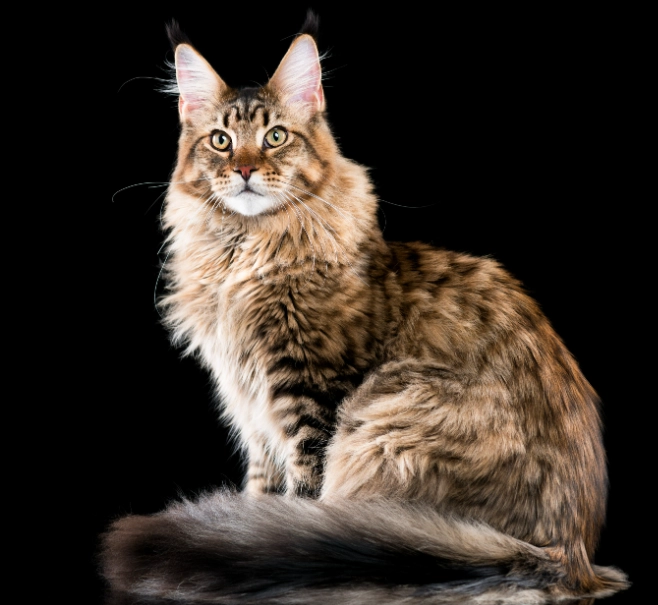
Real Talk: Caring for a Gentle Giant
Owning a Maine Coon is deeply rewarding, but it's not like owning a smaller cat. The responsibilities scale up. Let's be practical.
Grooming: That gorgeous coat needs help. It's not as prone to matting as a Persian's, but weekly brushing is non-negotiable. During spring and fall shedding seasons, you'll need to brush every other day unless you want tumbleweeds of fur rolling across your floor. Get a good steel comb and a slicker brush. Most enjoy the grooming session—it's bonding time.
Nutrition: They need high-quality food to support their large frame. Look for formulas with real meat as the first ingredient. Don't fall for the "they need a huge bowl" trap. Portion control is critical to prevent obesity, which is a major joint stressor. Talk to your vet about the right amount.
Space & Enrichment: They are not cramped apartment cats unless you're creative. They need space to stretch out and climb. A tall, sturdy cat tree (I mean, really sturdy—wobbly ones won't cut it) is a must. They appreciate puzzle feeders and interactive toys to engage their intelligent brains.
The Cost Factor: Everything is bigger. Bigger litter boxes (get the largest one you can find), bigger carriers, bigger beds. Veterinary costs can be higher because medication doses are often weight-based. It's a commitment you need to budget for.
Health Considerations for a Large Breed
Generally robust, their size and genetics predispose them to a few specific conditions. A responsible breeder will screen for these.
- Hypertrophic Cardiomyopathy (HCM): This is a form of heart disease that is the most common health concern. Reputable breeders test their breeding cats via echocardiograms. Ask for proof of HCM screening from the parents.
- Hip Dysplasia: Yes, the same condition seen in large dog breeds. It can cause arthritis and lameness. Good breeding practices aim to minimize this risk.
- Spinal Muscular Atrophy (SMA): A genetic disorder that affects the muscles of the trunk and limbs. Genetic testing is available, and ethical breeders avoid breeding carriers.
Regular vet check-ups are crucial. Pet health information resources like those from Cornell Feline Health Center emphasize that early detection is key for managing conditions like HCM. A Maine Coon's lifespan is typically 12-15 years, though many live longer with excellent care.
Answering Your Maine Coon Questions
Are Maine Coon cats good for first-time owners?
Surprisingly, yes, but with a major caveat about space and commitment. Their gentle, adaptable nature makes them easier to handle than many high-strung breeds. However, their large size means higher costs for everything from food and litter to carriers and vet bills (medications are often dosed by weight). You also need significant vertical and horizontal space. If you can meet those practical demands, their forgiving temperament is excellent for a novice.
How much space does a Maine Coon really need in an apartment?
It's less about square footage and more about intelligent vertical design. A studio apartment can work if you maximize the 'air rights.' You need multiple, sturdy cat trees (at least 6 feet tall), wall-mounted shelves forming a highway, and window perches. The key is providing enough climbing and observation points to satisfy their need to survey their domain. A large, empty floor is less useful than a well-equipped vertical space.
Is the myth about Maine Coons coming from raccoons true?
Biologically impossible, but the myth persists because of a few visual clues. The raccoon theory likely stemmed from their bushy, ringed tails and the fact that 'Maine Coon' sounds like 'Maine raccoon.' Some early specimens also had brown tabby coats. Genetic studies confirm domestic cats are their sole ancestors. The myth is a fun piece of folklore that highlights their unique, wild-looking appearance.
Do Maine Coon cats eat a lot more than regular cats?
They require more food, but not proportionally as much as you might think. An average 15-pound Maine Coon doesn't eat double the amount of a 10-pound domestic shorthair. Their metabolism is efficient for their size. The bigger issue is quality and life stage. They need high-protein, low-carbohydrate food to maintain muscle mass. Many owners overfeed, leading to obesity. It's crucial to follow vet or feeding guidelines based on ideal weight, not appetite, and use a slow-feeder bowl to prevent gulping.
So, what's so special about Maine Coon cats? It's the whole package. The awe-inspiring size that makes you do a double-take. The luxurious, functional coat that tells a story of survival. But most of all, it's the soul inside—the gentle, loyal, playful, and communicative companion that redefines what a cat can be. They're not for everyone due to their care needs, but for those who make the space, they offer a uniquely profound pet ownership experience. They're less a pet and more a quiet, furry pillar of the family.