In This Guide
- More Than Just Skin Deep: Understanding the Sphynx Personality
- The Care Routine: It's Not for the Faint of Heart
- Health and Lifespan: What You Need to Know
- The Hypoallergenic Myth: A Crucial Reality Check
- Finding a Sphynx Cat: Breeder vs. Rescue
- Your Sphynx Cat Shopping List (Beyond the Basics)
- Common Questions About Sphynx Cats (Answered Honestly)
- The Final Verdict: Is a Sphynx Cat Right for You?
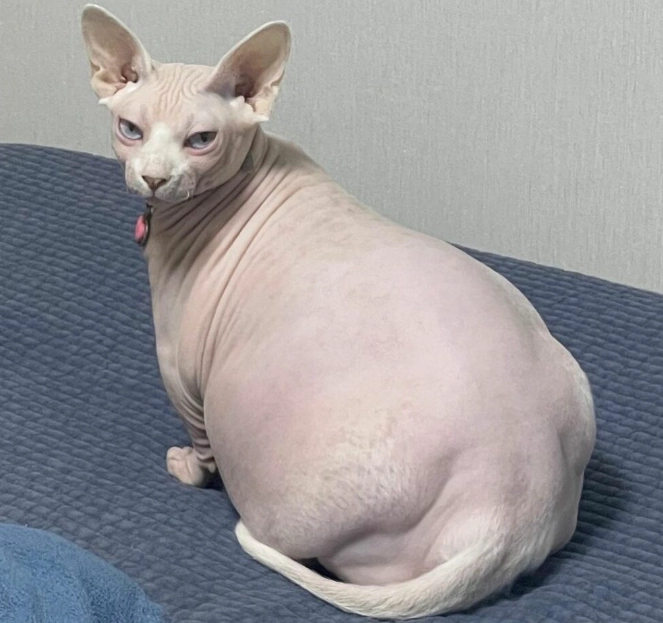
Let's be honest, the first time you see a Sphynx cat, it throws you for a loop. No fur? Wrinkled skin? Those enormous ears? It's a look that divides opinion faster than pineapple on pizza. Some people think they're the most elegant creatures on earth, others... well, let's just say it's an acquired taste. I fell into the former camp, and after years of sharing my home with one of these hairless wonders, I can tell you there's a whole lot more to them than just their striking appearance.
Thinking about bringing one of these unique Sphynx cats into your life? Or maybe you just stumbled upon a picture and fell down a rabbit hole of curiosity. Either way, you've probably got questions. Are they really hypoallergenic? (Spoiler: it's complicated.) Don't they get cold? How on earth do you take care of a cat with no fur? I asked all these questions too. This isn't some dry, encyclopedic breed summary. This is the real, unfiltered scoop on everything from their surprisingly dog-like personality to the weekly skincare routine you're signing up for. Consider this your one-stop guide, born from experience, mistakes, and a lot of warm sweaters bought for a cat.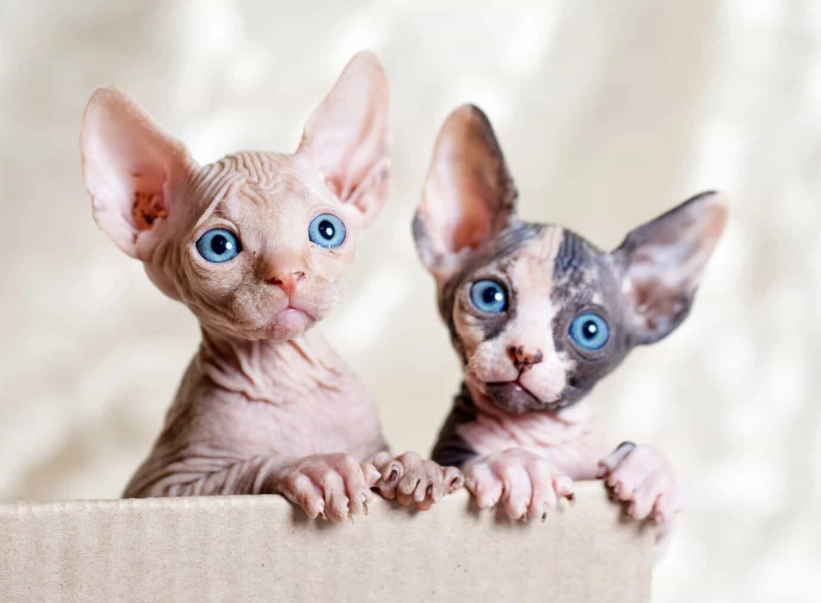
More Than Just Skin Deep: Understanding the Sphynx Personality
If you're looking for an aloof, independent cat that ignores you for most of the day, a Sphynx is quite possibly the worst choice you could make. Forget everything you think you know about typical cat behavior. Owning a Sphynx cat is more like having a permanent, heat-seeking toddler wrapped in suede.
These cats are famously, almost relentlessly, social. They crave attention and physical contact. We're talking follow-you-into-the-bathroom, sit-on-your-keyboard-while-you-work, sleep-under-the-covers-every-night levels of attachment. That famous warmth their skin radiates? It's not just physical. They bring it in personality, too. They're often described as "dog-like," and for good reason. Many will greet you at the door, play fetch, and learn tricks with surprising ease. They tend to be chatterboxes, offering chirps, trills, and meows to comment on your daily activities.
But here's the personal bit—this intensity isn't for everyone. That same clinginess can border on neediness if they're left alone for long stretches. They can develop separation anxiety. My own Sphynx, Gizmo, once figured out how to open a cabinet door just to sleep on the clean towels because he was bored. They demand mental stimulation and interaction. For someone who works long hours away from home, a pair of Sphynx cats might be a better bet so they can keep each other company. It's a commitment to companionship.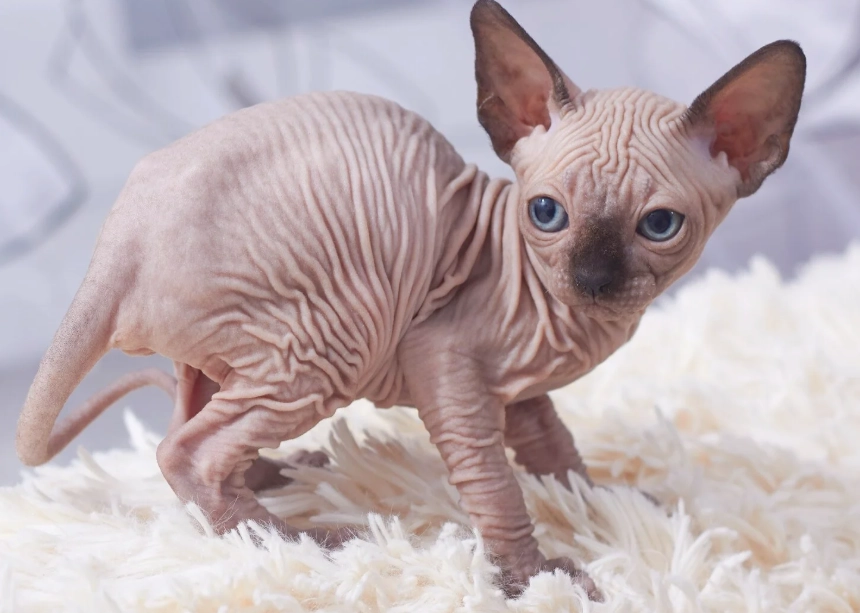
The Social Spectrum: How They Fit With Families and Pets
Generally, Sphynx cats are fantastic with considerate children and other pets. Their playful, outgoing nature means they often see a new creature (human or animal) as a potential friend, not a threat. They'll usually integrate well with dogs and other cats, especially if introduced properly. Their lack of a fur coat to puff up can actually make them seem less intimidating to other animals during those first meetings.
The Care Routine: It's Not for the Faint of Heart
Okay, let's get into the nitty-gritty. This is where most prospective owners get a reality check. The care for a Sphynx is significantly more involved than for a furry cat. That beautiful, soft skin comes with a list of maintenance requirements.
First and foremost: they get dirty. Without fur to absorb it, the natural oils (sebum) their skin produces build up on the surface. This creates a greasy feel and, if left unchecked, can lead to clogged pores and even acne (yes, cat acne is a thing). Then there's sweat and general environmental grime. So, regular bathing is non-negotiable. We're talking once a week for many Sphynx cats. You'll need a gentle, hypoallergenic pet shampoo. The bathing process itself? Some tolerate it, some despise it. Start young, be patient, use warm (not hot) water, and have lots of warm towels ready.
Beyond baths, their large ears need weekly cleaning to remove wax buildup, and their nails should be trimmed regularly because they lack the fur around their toes to naturally file them down. Their eyes may also require gentle wiping as they can accumulate more discharge without eyelashes to catch it.
The Sphynx Cat Care Checklist (Weekly)
- Full Bath: With cat-specific shampoo, focusing on wrinkles (neck, armpits). Rinse thoroughly.
- Ear Cleaning: Use a vet-approved ear cleaner and cotton ball/pad. Never use Q-tips deep in the ear canal.
- Nail Trimming: Keep those claws blunt to prevent them from scratching their own sensitive skin.
- Eye Gunk Wipe: A soft, damp cloth to gently clean the corners.
- Skin Inspection: Check for any dryness, rashes, pimples, or cuts. Their skin is exposed and can be prone to issues.
Health and Lifespan: What You Need to Know
Sphynx cats are generally healthy, but like many purebreds, they are predisposed to certain genetic conditions. A responsible breeder is your first and best line of defense here. They should screen their breeding cats for these issues.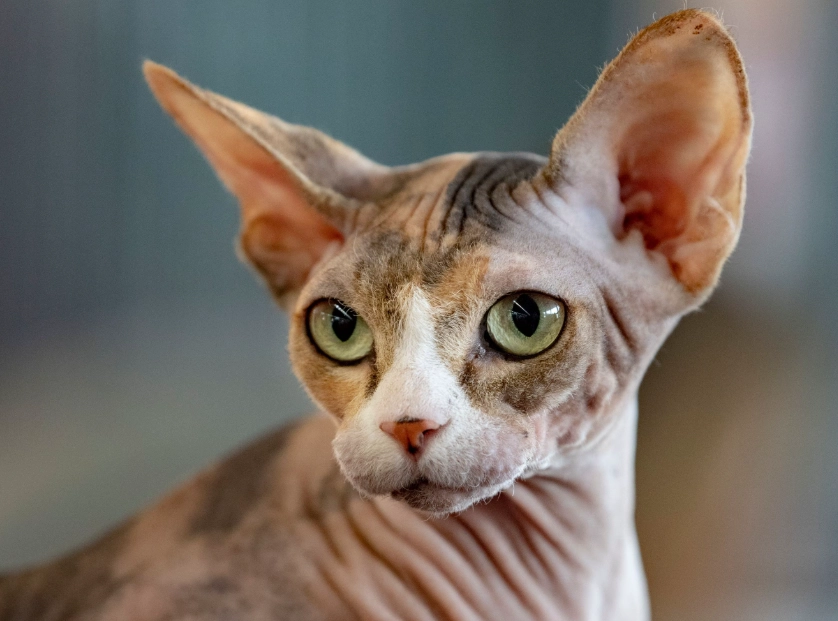
Hypertrophic Cardiomyopathy (HCM): This is a form of heart disease that is the most significant health concern for the breed. Reputable breeders will have their cats regularly scanned (echocardiograms) by a veterinary cardiologist to ensure they are not breeding animals with this condition. Any potential owner should ask to see these health clearances. The Cornell Feline Health Center provides excellent, vet-reviewed information on HCM that every Sphynx owner should read.
Skin Conditions: As mentioned, they can get sunburned easily, so keeping them indoors is crucial. They can also develop urticaria pigmentosa (skin cysts) and are prone to fungal and yeast infections if not kept clean. Dry skin (especially in winter) can be an issue, and some owners use pet-safe moisturizers.
Other Considerations: Their fast metabolism (part of what keeps them warm) means they often need more food than a similarly sized furry cat. But you have to balance that with the risk of obesity, which is just as bad for them. Dental issues can also be common, so good dental hygiene is important.
With excellent care from a responsible source, a Sphynx cat can live a full life of 12 to 15 years or more. Their lifespan is heavily influenced by genetics, diet, and the consistency of that care routine we just talked about.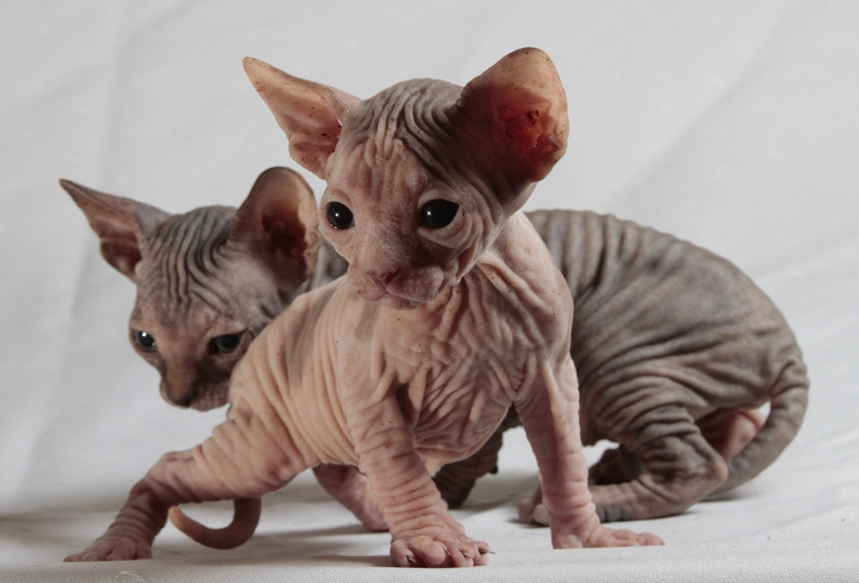
The Hypoallergenic Myth: A Crucial Reality Check
This is the big one. So many people are drawn to Sphynx cats because they believe they are the solution to cat allergies. I need to be brutally honest here: they are not truly hypoallergenic.
Most people are allergic to a protein called Fel d 1, which is produced in cat saliva and sebaceous (oil) glands. When a cat grooms itself, the saliva (and the allergen) dries on its fur and becomes airborne. Since Sphynx cats have little to no fur, they don't shed these allergen-coated hairs around your house. That's the theory.
But here's the catch: Sphynx cats still produce saliva. They still produce skin oils (in fact, they produce a lot of oil). That allergen is still present on their skin. When you pet them, the allergen gets on your hands. When they rub against furniture, it transfers. Because they require frequent bathing, you can reduce the amount of allergen on their skin, but you cannot eliminate the source.
Some allergy sufferers do better with Sphynx cats. Others react just as strongly. The only way to know is to spend extended time with one before committing. Don't let a breeder tell you they are 100% hypoallergenic—it's a simplification that leads to heartbreak and re-homed cats.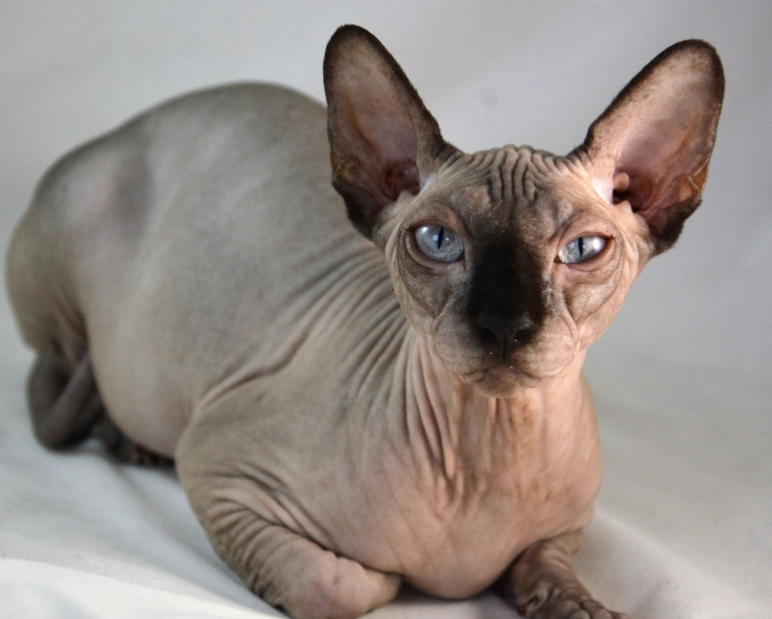
| Factor | Sphynx Cat | Typical Furry Cat |
|---|---|---|
| Allergen Source (Fel d 1) | Present in saliva & skin oils | Present in saliva & skin oils |
| Allergen Distribution | Via direct contact, skin oil residue | Via shed fur & dander (airborne) |
| Shedding | Minimal to none (fine peach fuzz) | Significant (varies by breed) |
| Potential for Allergy Sufferers | May be better for some, not a guarantee | Typically problematic |
| Mitigation Strategy | Frequent bathing, wiping skin, HEPA filters | Frequent grooming, HEPA filters, allergy meds |
Finding a Sphynx Cat: Breeder vs. Rescue
This is a decision with huge implications. Sphynx kittens from reputable breeders are expensive, often ranging from $1,500 to $3,000 or more. That price should reflect health testing, proper early socialization, and ethical breeding practices.
Red Flags in a Breeder:
- Won't let you visit their home or cattery.
- Has multiple litters available at all times.
- Cannot provide proof of genetic health testing for HCM and other conditions.
- Sells kittens before 12-14 weeks of age.
- Seems evasive about answering health or care questions.
Consider checking breeder listings through organizations like The International Cat Association (TICA) or the Cat Fanciers' Association (CFA). Breeders affiliated with these groups agree to a code of ethics.
On the other hand, rescue is a beautiful option. Yes, Sphynx cats end up in rescue. Sometimes owners weren't prepared for the care, life circumstances change, or the cat's health needs become overwhelming. Breed-specific rescues exist, and they are fantastic at matching these special needs cats with experienced homes. Adopting an adult Sphynx also means their personality is fully known, and you're giving a second chance. It's worth a look at groups like Petfinder—you can search by breed.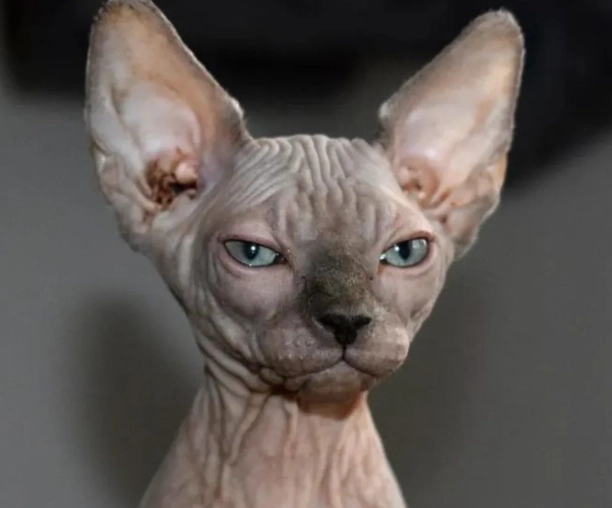
Your Sphynx Cat Shopping List (Beyond the Basics)
You'll need all the standard cat stuff—litter box, food/water bowls, scratching posts, toys. But for a Sphynx, you need to think about warmth and sun protection.
- Heated Cat Beds: An absolute must-have. They will live in these.
- Soft Blankets & Fleece Sweaters: For burrowing and wearing on chilly days (even indoors).
- Cat-Safe Sunscreen: If they have any access to a sunny window sill or a secured patio, sunscreen for their ears, nose, and other exposed skin is critical. Ask your vet for a recommendation.
- High-Quality Food: Their metabolism demands good nutrition. Look for a diet rich in protein and fat to fuel that internal furnace.
- Gentle, Unscented Cleaning Wipes: For quick wipe-downs between baths.
Common Questions About Sphynx Cats (Answered Honestly)
The Final Verdict: Is a Sphynx Cat Right for You?
After all this, the question remains. Living with a Sphynx cat is a profoundly different experience. It's high-maintenance, high-reward. You get a companion whose loyalty and affection are off the charts, wrapped in a unique, conversation-starting package. But you pay for it in time, effort, and money.
You should consider a Sphynx if: you are home often, crave constant animal companionship, don't mind (or even enjoy) a structured care routine, have the budget for potential vet bills and special supplies, and have done your homework—including meeting some in person.
You should probably look at other breeds if: you travel frequently, prefer low-maintenance pets, are on a tight budget, have severe cat allergies (without testing it first), or are squeamish about skin care and cleaning.
For the right person, a Sphynx cat isn't just a pet; it's a lifestyle. They're demanding, hilarious, affectionate, and utterly unforgettable. They challenge the very definition of what a cat is supposed to be. And for those of us who've fallen for them, there's simply no going back. Just make sure you're ready for the commitment—and buy a lot of soft blankets.