So you're thinking about a Bengal cat. You've seen the stunning, leopard-like rosettes, the muscular build, that wild look in their eyes. But let's cut past the aesthetics. The real question isn't about how they look, it's about how they live. The Bengal cat personality is a unique, powerful force of nature that can either make your home an exhilarating adventure or a chaotic mess, depending on your preparation. It's not just "active"—it's a blend of canine-like loyalty, primate-level intelligence, and a dash of jungle cat mischief that needs a specific kind of owner. I've lived with Bengals for over a decade, and I'm here to give you the unvarnished truth, not the pet store brochure version.
Quick Navigation: What's Inside
- What Exactly is the Bengal Cat Personality?
- Breaking Down the Key Bengal Personality Traits
- The "Right Home" Checklist: Is a Bengal For You?
- How to Manage That Legendary Bengal Energy
- Training a Bengal: Tapping Into Their Intelligence
- Social Butterflies with Claws: Behavior with People & Pets
- Your Bengal Personality Questions, Answered
What Exactly is the Bengal Cat Personality?
Forget the term "domestic cat" when you think of a Bengal's core demeanor. The best analogy I've found is a permanently curious toddler with the physical prowess of an athlete and the problem-solving skills of a chess player. They are a domestic breed with Asian Leopard Cat ancestry (typically 4-6 generations back), and that wild heritage isn't just for show—it directly wires their brain for high stimulation, exploration, and activity.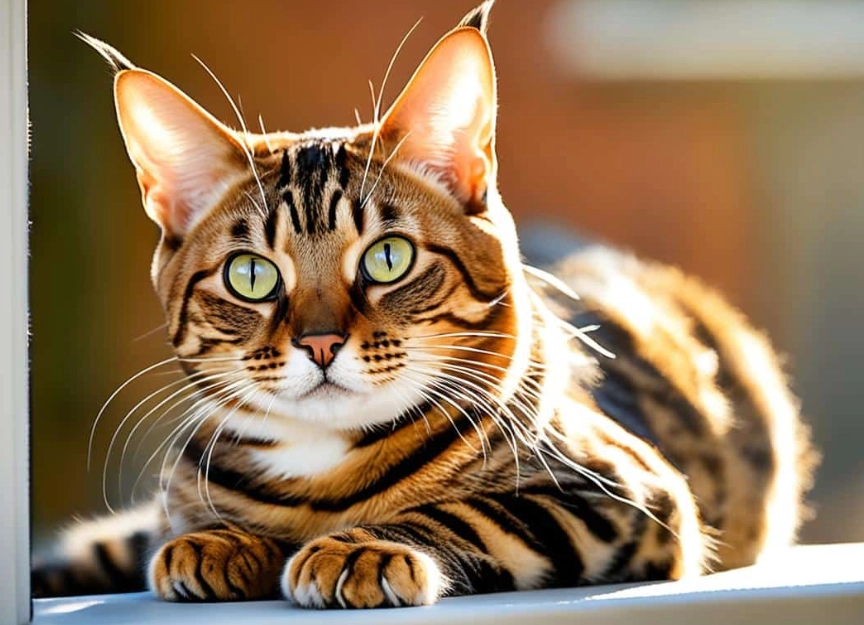
This isn't a cat that will sleep 18 hours a day on your couch. A common misconception is that they're just "more playful." It's deeper than that. Their play is a need, a fundamental requirement for mental and physical health. Boredom isn't just an annoyance for a Bengal; it's a catalyst for behavior most owners label as "bad"—like opening cabinets, turning on faucets, or dismantling window screens. Understanding this drive is the first step to harmony.
Breaking Down the Key Bengal Personality Traits
Let's move beyond vague adjectives. Here’s what these traits actually look like in your living room on a Tuesday.
1. The Energy That Doesn't Quit
It's relentless. Morning zoomies are a given. But it's the evening resurgence that catches new owners off guard. Just as you're winding down, your Bengal is gearing up for round two. This isn't a flaw; it's their crepuscular rhythm (most active at dawn and dusk), a direct nod to their wild ancestors' hunting times.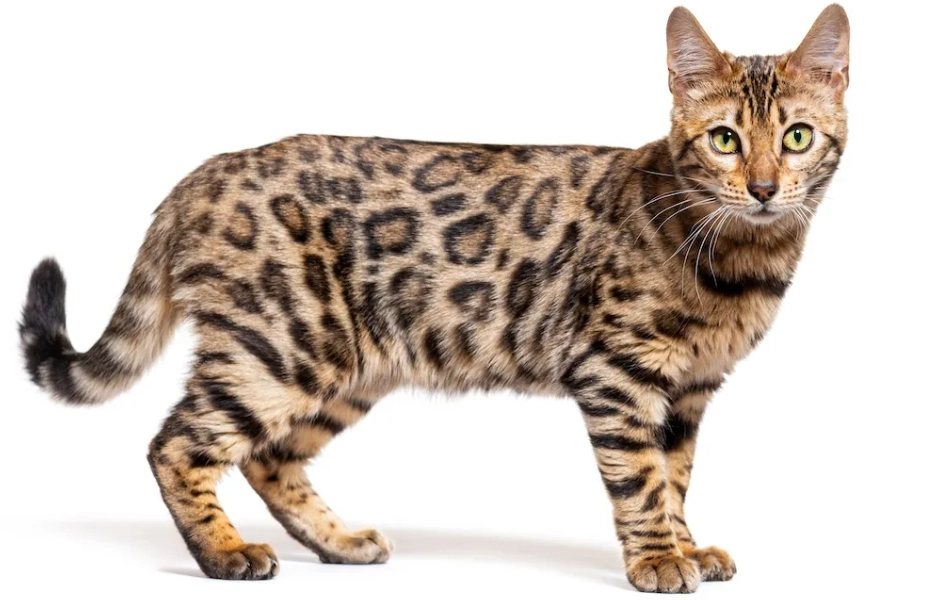
A mistake I see? Owners try to tire them out with the same wand toy for 10 minutes. It's not enough. Their stamina requires a varied exercise portfolio: a solid 20-minute interactive play session in the morning, puzzle feeders for lunch, access to vertical space (cat trees, shelves) for climbing sprints, and another play session before your bedtime. Without this, they'll invent their own games, often involving your curtains.
2. Intelligence That Demands Engagement
Bengals learn routines faster than you do. They'll know the sound of your alarm means breakfast and the jingle of your keys means you're leaving. They'll use this intelligence to train you. Mine learned that tapping a specific cabinet door meant he wanted water from the filter pitcher inside.
The pitfall here is underestimating them. Providing a few store-bought toys is like giving a PhD student a coloring book. They need puzzles that evolve. Food-dispensing balls, treat mazes, and even clicker training for tricks (yes, they can learn "sit," "high-five," and fetch) are essential. Mental fatigue is just as important as physical tiredness.
3. Affection on Their Own Terms
This is where people get confused. Bengals are often described as "dog-like," which many interpret as "always cuddly." Not quite. Their affection is active, not passive. They'll follow you from room to room, "help" you work on the computer, and engage in long conversations with unique chirps and meows. They want to be involved.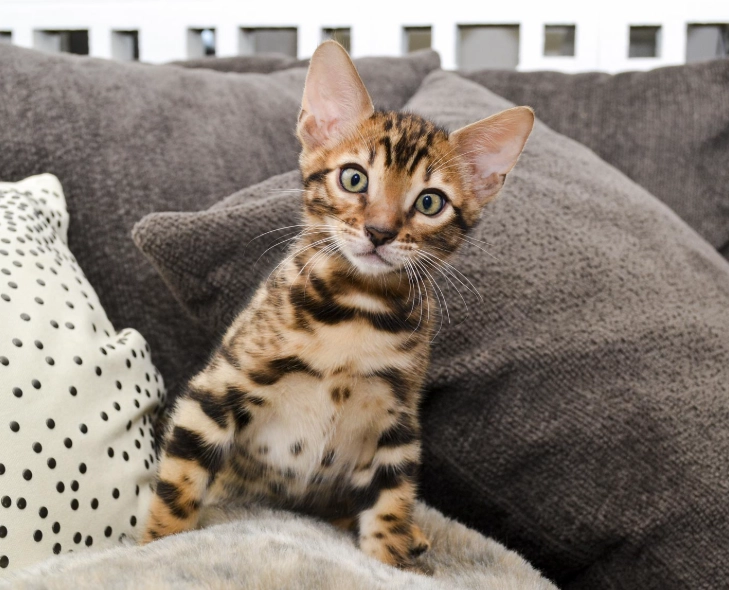
But don't expect a lap cat that stays put for a movie marathon. Their cuddles are often brief, intense bursts—a few minutes of purring in your lap before they're off to investigate a new sound. Forcing prolonged restraint usually leads to a quick, wiggly escape. Their love language is companionship and interaction, not just physical stillness.
The Water Fascination: A Quirk Worth Planning For
Many Bengals are obsessed with water. It's not uncommon to find them patting at your glass, joining you in the shower, or playing with dripping faucets. This isn't a random quirk; it's thought to be linked to their wild ancestors who often lived near waterways. If you're not prepared, it can mean soggy bathroom floors or spilled drinks. The pro move? Provide a sanctioned outlet. A cat water fountain isn't just for hydration; it's entertainment. Some owners even set up slow-dripping faucets over a basin for supervised play.
The "Right Home" Checklist: Is a Bengal For You?
Be brutally honest. This breed isn't for everyone. Here’s a reality check.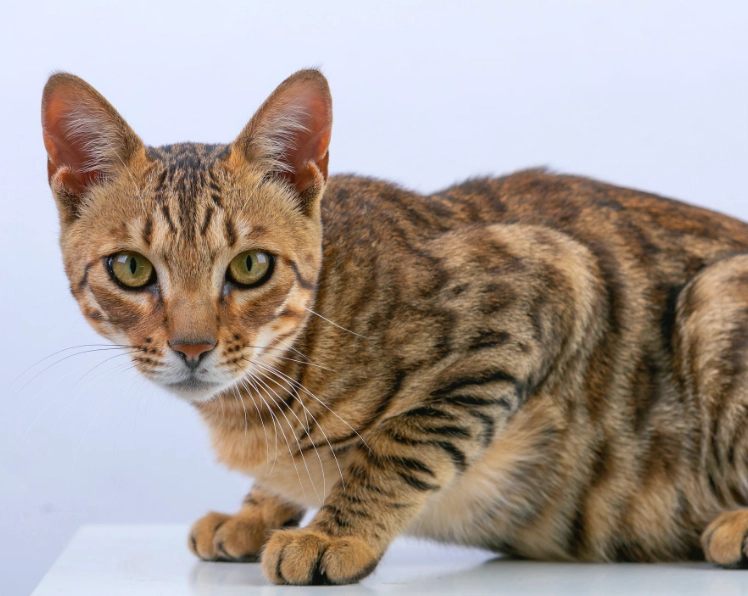
- You have ample time daily. We're talking 60+ minutes of dedicated interaction, not just being in the same house.
- You value an interactive pet over a decorative one. If you want peaceful serenity, look elsewhere.
- Your home can be catified. Tall, sturdy cat trees, secure window perches, and shelves for climbing are non-negotiable. They need to survey their kingdom.
- You're not obsessed with pristine furniture. Scratching is a natural behavior. Provide abundant, appealing scratching posts (both vertical and horizontal), but accept that the occasional slip-up might happen.
- You consider a second pet. A solo Bengal left alone for long workdays is often a lonely, destructive Bengal. Another active cat (even another breed) or a dog can be a great companion. Introducing them properly is key.
If you checked "no" on more than one, a Bengal's personality might overwhelm your lifestyle. That's okay. It's better to know now.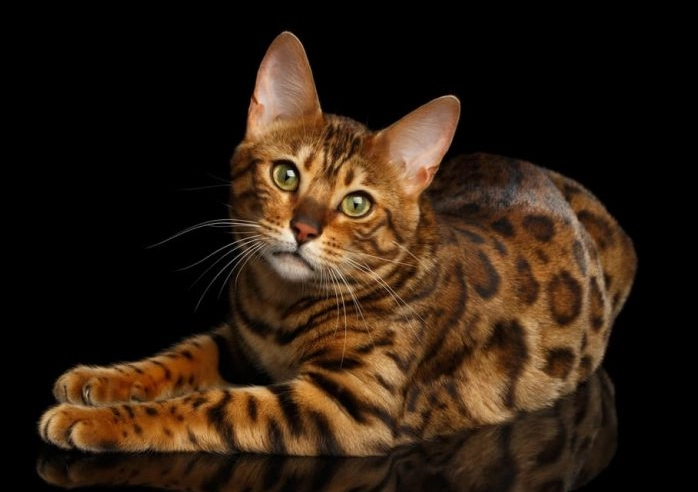
How to Manage That Legendary Bengal Energy
Management is everything. It's not about suppression; it's about channeling.
The Cat Wheel: This is a game-changer, arguably the single best investment for a Bengal owner. A high-quality, silent cat wheel like a One Fast Cat or Ziggy Doo allows them to run full-tilt anytime, burning energy on their own schedule. It satisfies the sprint instinct nothing else can.
Scheduled Play Sessions: Make them predictable. Two 15-20 minute sessions with a wand toy (mimicking prey) at roughly the same times each day creates routine. End with a small treat to simulate a "kill." This ritual calms them.
Environmental Enrichment: Rotate toys weekly to prevent boredom. Hide treats around the house for a scavenger hunt. Install a bird feeder outside a favorite window for "Cat TV." These small changes prevent big problems.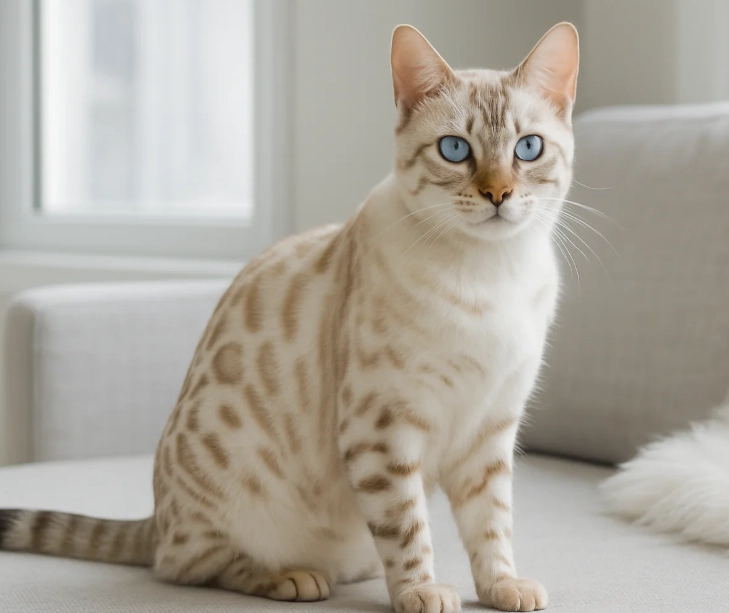
Training a Bengal: Tapping Into Their Intelligence
Training isn't a party trick; it's a necessity for a happy Bengal. They crave the mental challenge.
Start with clicker training. The click marks the exact moment they do something right, followed by a high-value treat (freeze-dried chicken works wonders). In just a few short sessions, you can teach "sit." From there, the sky's the limit: come when called, jump through hoops, even walk on a harness.
The harness walk is a brilliant outlet. It safely satisfies their intense curiosity about the outdoors. Start indoors, get them comfortable with the harness, then venture into a quiet backyard. It's controlled exploration that tires them out mentally.
Remember, punishment never works with a Bengal. It only breeds fear and distrust. Positive reinforcement is the only language their clever brains respect.
Social Butterflies with Claws: Behavior with People & Pets
Bengals are typically social and can integrate well into families—with caveats.
With Children: They do best with respectful, older children who understand not to pull tails or startle them. A Bengal's playful pounce can be too much for a toddler. Always supervise interactions and teach kids to let the cat initiate contact.
With Other Cats: They often do well with another active, confident cat. A slow, proper introduction is critical—separate rooms, scent swapping, then visual contact through a gate. Never just throw them together. The Bengal's high energy can intimidate a shy, senior cat.
With Dogs: Many Bengals hold their own with dog companions, especially if raised together. Their confidence is high. Again, slow introductions are key. A dog with a high prey drive is a dangerous match.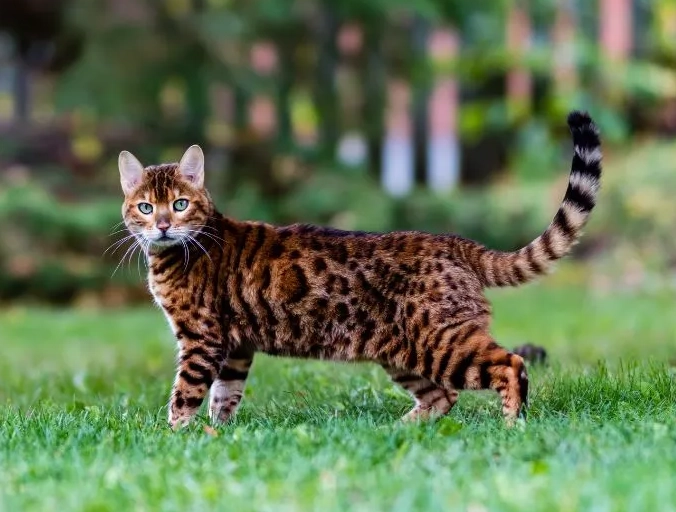
Your Bengal Personality Questions, Answered
Ultimately, the Bengal cat personality is a package deal. You get breathtaking beauty, electrifying energy, and a deeply engaging companion. But you also sign up for a responsibility that goes far beyond filling a food bowl. It's a commitment to active partnership. If you're ready to provide the structure, engagement, and adventure they crave, a Bengal will repay you with a loyalty and vibrancy few other pets can match. If not, their remarkable personality will quickly become a source of frustration for both of you. Look before you leap into the world of this extraordinary breed.