You look at your orange tabby cat, that bundle of ginger fur napping in a sunbeam, and a thought crosses your mind. How long will I have this goofy, affectionate companion? It's a quiet question every cat owner asks. The short, and somewhat unsatisfying, answer is this: the average indoor orange tabby cat lifespan ranges from 12 to 20 years, with 15-18 being a very common window.
But that number alone is useless. It's like saying the average car lasts 150,000 miles. Do you drive it off-road? Do you change the oil? Is it a well-made model? The lifespan of your tabby cat—orange, grey, or any other color—isn't predetermined by genetics alone. It's a story written by daily choices, environment, and a bit of luck.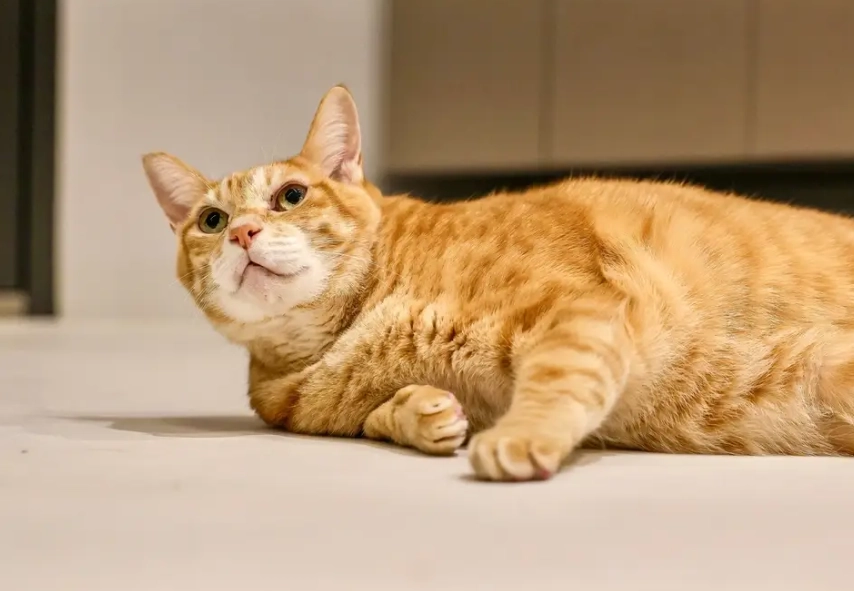
I've lived with cats for over two decades, and my current ginger boss, Marmalade, is pushing 16. Through him and countless conversations with vets and other cat people, I've seen what truly moves the needle on a cat's longevity. It's rarely the dramatic stuff. It's the quiet, consistent habits.
What's Inside This Guide
The One Factor That Changes Everything: Indoor vs. Outdoor
If you take away one thing from this article, let it be this. The single most significant decision affecting your orange tabby cat's lifespan is whether they live indoors or have unsupervised outdoor access.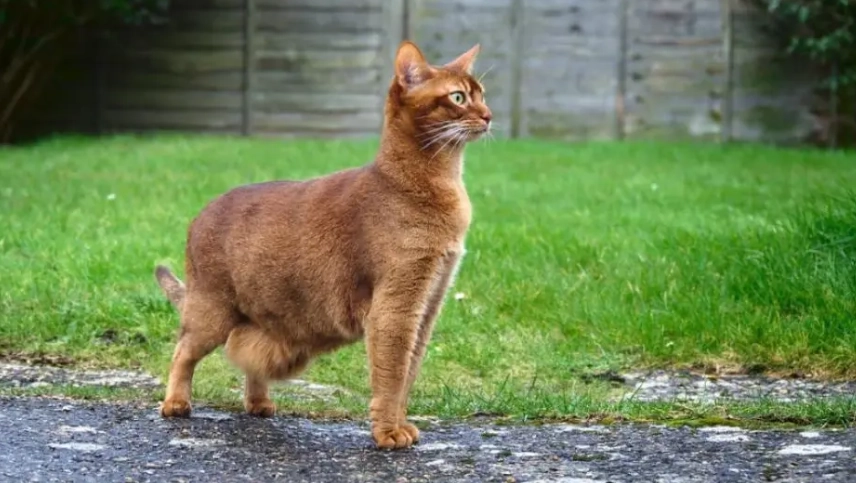
The data from organizations like the ASPCA and the Humane Society is stark. Outdoor cats have an average lifespan of just 2 to 5 years. Let that sink in. Compare that to the 12-20 year range for indoor cats.
Why the drastic difference? The outdoors is a gauntlet of risks an indoor cat never faces: moving vehicles, predators (including other cats), parasites (fleas, ticks, worms), exposure to diseases like FIV/FeLV from fights, poisoning (accidental or malicious), and simply getting lost. An orange tabby's curious and often bold personality can make them particularly vulnerable to these dangers.
I know the argument: "But cats need to express their natural behaviors!" Absolutely. The goal isn't confinement; it's creating a rich indoor environment or providing supervised outdoor access.
Think catios (enclosed patio spaces for cats), harness training for walks, or even just secured balcony time. These eliminate the risks while satisfying their need to sniff the air and watch birds. It's not an all-or-nothing choice between a sterile apartment and a free-for-all backyard.
Lifespan Beyond the "Orange Cat" Myth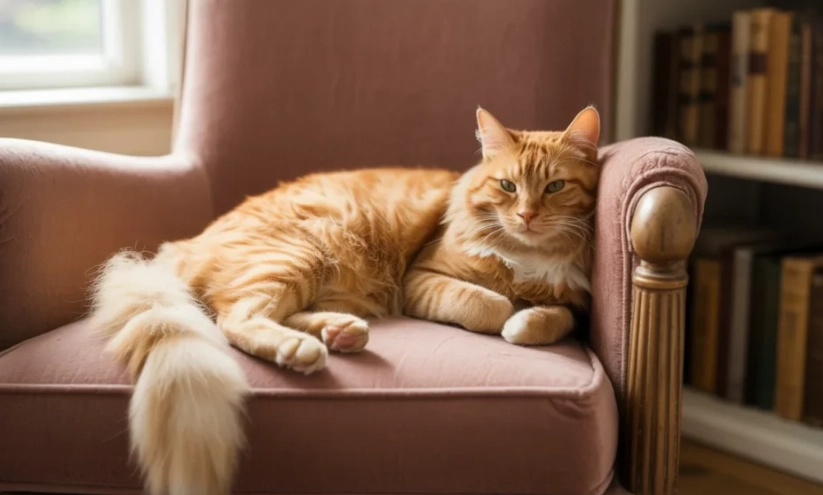
Let's clear this up. "Tabby" is a coat pattern, not a breed. Your orange tabby could be a Domestic Shorthair (a fancy term for mixed breed), a Maine Coon, an Abyssinian mix, or anything in between. Their genetic background matters more than their color.
However, the orange color gene (carried on the X chromosome) does have a quirky link to sex. About 80% of orange tabbies are male. This matters because gender can influence certain health predispositions.
The Real Health Factors (Not the Color):
- Mixed Breed vs. Purebred: Generally, mixed-breed cats (like most orange tabbies) benefit from "hybrid vigor" and have fewer inherited genetic disorders than some purebred lines prone to specific issues (e.g., HCM in Maine Coons).
- Male-Specific Risks: Male cats, especially if not neutered, are more prone to urinary blockages and injuries from fighting. Neutering is non-negotiable for longevity.
- Weight Management: This is colossal. A cat that is even slightly overweight is at higher risk for diabetes, arthritis, and urinary tract disease. Orange tabbies have a (somewhat deserved) reputation for being food-motivated. Portion control is your friend.
Your Proactive Longevity Care Plan
Extending your cat's life isn't about finding a magic supplement. It's a boring, consistent routine. Here's the blueprint, broken into actionable stages.
Nutrition: It's More Than Just Filling the Bowl
Stop free-feeding kibble. It's the easiest way to an overweight, dehydrated cat. Cats are obligate carnivores designed to get moisture from their food. A diet high in quality animal protein and moisture is key.
What does that look like?
Wet food is the cornerstone. It helps maintain kidney health and hydration. Use high-protein, low-carb dry food sparingly, as a treat or in puzzle feeders for mental stimulation. Talk to your vet about your cat's specific needs—a kitten, an active adult, and a senior have different caloric and nutritional requirements. The food bag's guideline is a starting point, not a rule.
Preventive Veterinary Medicine
Annual checkups are for young, healthy cats. For seniors (11+), switch to bi-annual visits. Bloodwork is not an upsell; it's a snapshot of internal organ function. You want to catch the early rise in kidney values or thyroid hormone, not wait for your cat to stop eating and start wasting away.
Dental health is directly linked to systemic health. Bad teeth pump bacteria into the bloodstream, damaging kidneys and heart. Regular dental checkups and approved dental treats or water additives matter.
Keep up with core vaccinations (even for indoor cats, as some viruses can be tracked in) and consistent parasite prevention.
Environmental & Mental Enrichment
A bored cat is a stressed cat, and chronic stress suppresses the immune system. Enrichment isn't just toys.
- Vertical Space: Cat trees, shelves, window perches. Cats feel safe up high.
- Hunting Simulation: Use wand toys to mimic prey movement for 10-15 minutes daily. This is non-negotiable exercise.
- Puzzle Feeders: Make them work for their kibble. It slows eating and engages their brain.
- Scratching Posts: Multiple, in different textures (sisal, carpet, cardboard), placed where they naturally want to scratch (often near sleeping areas).
Spotting Trouble Early: What Vets Wish You Knew
Cats are masters at hiding illness. By the time they show obvious signs, a problem is often advanced. You need to become a subtle-behavior detective.
Watch for these subtle shifts:
- Litter Box Changes: More frequent trips, straining, going outside the box. This is a top-tier emergency sign for male cats (potential blockage).
- Water Consumption: Suddenly drinking a lot more can signal kidney disease or diabetes.
- Social Behavior: A friendly cat who hides, or a aloof cat who becomes clingy.
- Grooming: Over-grooming (bald patches) or under-grooming (greasy, matted fur).
- Vocalization: Increased meowing, especially at night in a senior cat, can indicate cognitive decline or hyperthyroidism.
- Jumping Ability: Hesitating to jump onto a familiar perch is often the first sign of arthritis.
Keep a simple journal note on your phone. "Noticed Marmalade didn't jump onto the bed tonight." That's valuable data for your vet.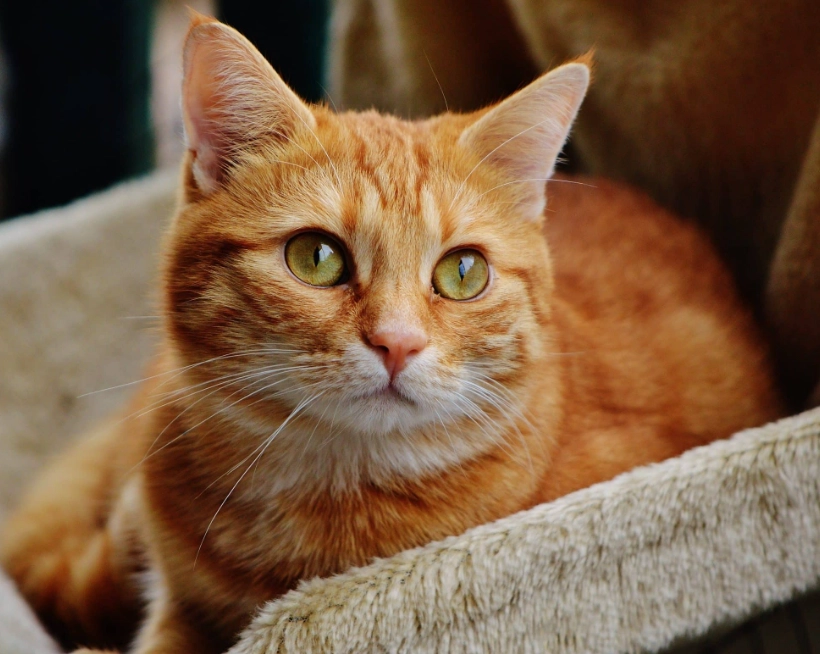
Your Top Orange Tabby Lifespan Questions
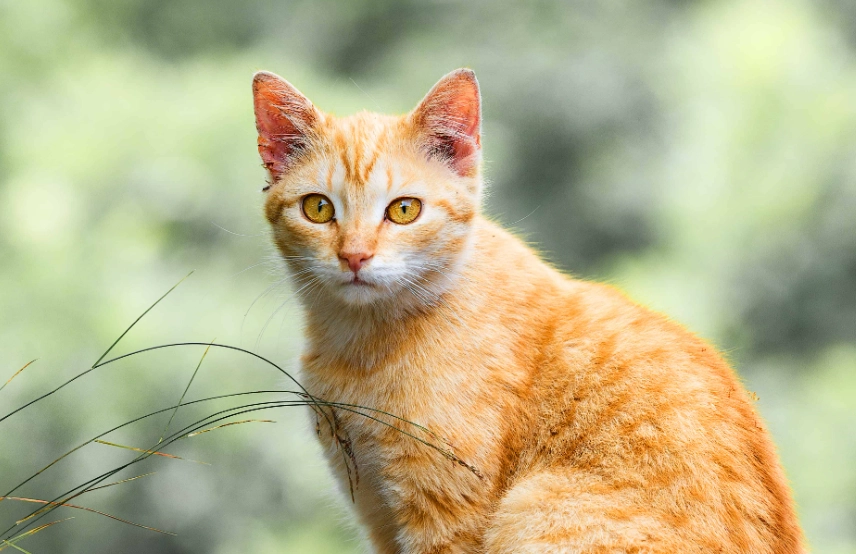 The story of your orange tabby cat's lifespan is being written every day. It's in the food you choose, the toys you drag across the floor, the decision to keep them safely indoors, and your vigilance in spotting the small changes. There are no guarantees, but by focusing on these pillars—environment, nutrition, preventive vet care, and enrichment—you're stacking the deck in favor of many more years with your ginger companion. It's the most practical kind of love you can give them.