Jump to What Matters
If you've ever lived with a grey tabby cat, you know they're not just another feline. There's something about that mottled grey coat and those swirling patterns that hints at a personality full of surprises. I've had my grey tabby, Misty, for eight years now, and she's taught me more about cat behavior than any book could. Let's cut to the chase: grey tabby cats often blend affection with a stubborn independence, making them both delightful and occasionally frustrating companions. This isn't just about cute quirks; understanding their personality can prevent behavior issues and strengthen your bond.
Many owners assume all tabbies are the same, but that's where things get interesting. The grey variant, in particular, tends to exhibit traits that are shaped by genetics and environment. From my experience, they're often mistaken for being aloof when they're actually just selective with their attention. We'll dive into what makes them tick, how to care for them, and why some common advice might lead you astray.
What is a Grey Tabby Cat?
First off, "tabby" isn't a breed—it's a coat pattern. You'll find tabbies in many breeds, from Domestic Shorthairs to Maine Coons. The grey tabby simply has a grey base color with darker grey or black stripes, spots, or swirls. This pattern is linked to the agouti gene, which affects pigment distribution. According to The International Cat Association, tabby patterns are one of the most common in cats worldwide, but the grey hue adds a layer of uniqueness that often correlates with specific behavioral tendencies.
I remember adopting Misty from a shelter; they labeled her as a "grey tabby mix," but her personality emerged over time. She wasn't just a generic cat; her grey coat seemed to mirror her calm yet observant nature. This isn't scientific proof, but many owners report similar anecdotes. The key takeaway: don't judge a cat by its color alone, but recognize that grey tabbies often share core traits due to shared genetic backgrounds.
Key Personality Traits of Grey Tabbies
Grey tabby cats are like that friend who's both reliable and unpredictable. Based on my observations and discussions with veterinarians, here are the standout traits: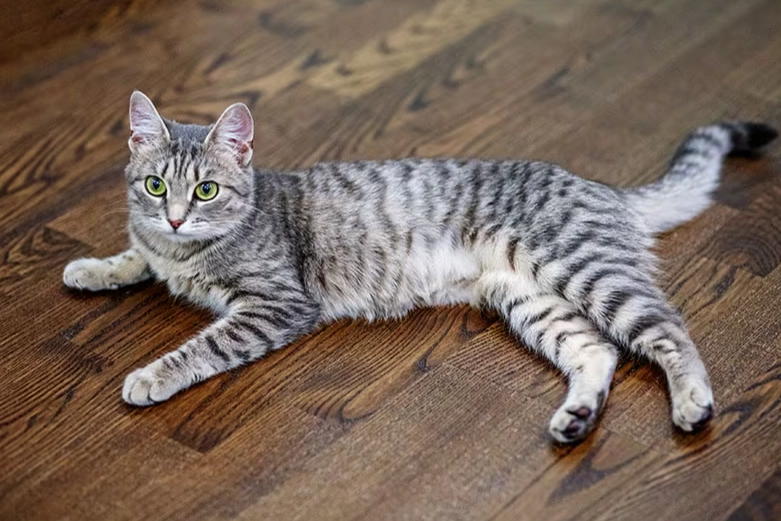
Affectionate but on Their Terms: Misty will curl up on my lap for hours, but only when she decides it's time. If I try to force cuddles, she'll give me a look that says, "Not now, human." This selective affection is common. They form strong bonds but maintain a sense of independence. It's not aloofness; it's control. They want to initiate contact, which can be misinterpreted as coldness by new owners.
Highly Intelligent and Curious: These cats are problem-solvers. Misty learned how to open cabinet doors by watching me. She'd stare at the handle, paw at it, and eventually figure out the mechanism. This intelligence means they need mental stimulation—boredom leads to mischief. I've seen grey tabbies get into everything from unpacking groceries to "redecorating" shelves.
Playful with a Hunter's Instinct: Their tabby lineage often ties to wild ancestors, so they love stalking and pouncing. Interactive toys like feather wands are a must. But here's a nuance: they can get obsessive about play. Misty once chased a laser pointer for so long she ignored her food, which taught me to balance play with rest.
Vocal in Subtle Ways: Grey tabbies aren't usually loudmouths like some Siamese, but they communicate through chirps, trills, and soft meows. Misty has a specific chirp for "I want treats" and another for "You're late for bedtime." Learning these cues can prevent frustration.
Territorial Yet Adaptable: They value their space but can adjust to changes if introduced slowly. When I moved apartments, Misty hid for a day, then explored methodically. Rushing them causes stress.
To summarize, think of grey tabbies as the introverted extroverts of the cat world. They're social but need downtime, smart but sometimes too clever for their own good.
How These Traits Compare to Other Tabby Colors
While personality varies individually, some patterns emerge. Orange tabbies are often described as more outgoing, while brown tabbies might be more mellow. Grey tabbies sit in the middle—balanced but with a touch of mystery. It's not a hard rule, but in my experience, the grey ones tend to be more reserved initially, then warm up deeply.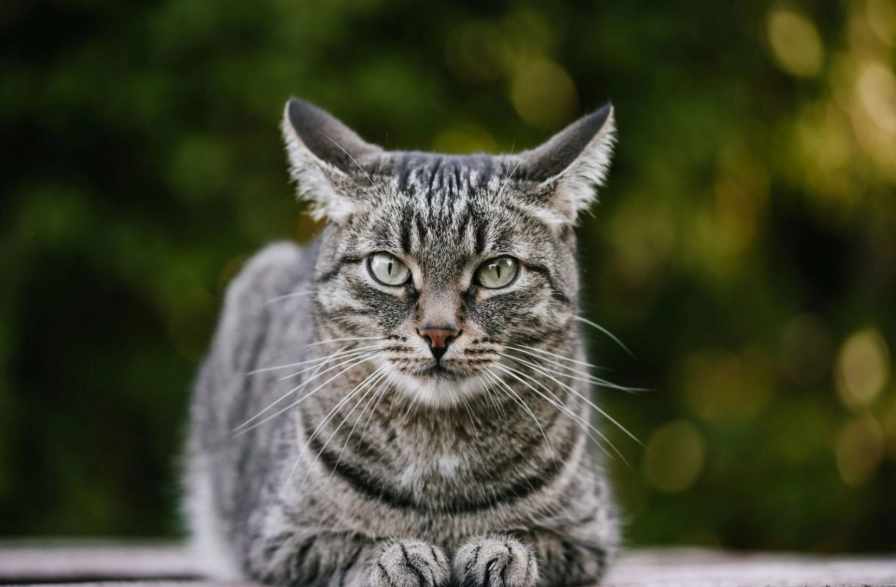
How to Care for a Grey Tabby Based on Personality
Caring for a grey tabby isn't just about food and shelter; it's about tailoring your approach to their personality. Get this wrong, and you might face behavior problems like scratching furniture or litter box avoidance. Here's a practical guide:
Mental Stimulation is Non-Negotiable: Because they're so smart, boredom is your enemy. Puzzle feeders, training sessions (yes, cats can learn tricks), and rotating toys keep them engaged. I teach Misty simple commands like "sit" using treats—it taps into her curiosity and prevents her from inventing her own entertainment (like knocking things off counters).
Respect Their Independence: Don't force interaction. Let them come to you. This builds trust. For example, I set up cozy spots around the house where Misty can observe without being disturbed. It reduces her anxiety and makes her more likely to seek affection later.
Play Routine That Mimics Hunting: Schedule playtimes around their natural cycles—dawn and dusk are peak activity periods. Use toys that simulate prey, like wand toys with feathers. Avoid laser pointers alone; they can frustrate because there's no "catch." Always end with a tangible reward, like a treat or meal.
Environmental Enrichment: Cat trees, window perches, and hiding spots are crucial. Grey tabbies love high vantage points. Misty spends hours watching birds from her perch, which satisfies her hunter instinct without chaos.
Consistency in Routine: They thrive on predictability. Feed them at the same times, keep litter boxes clean, and maintain a calm household. Sudden changes can trigger stress behaviors like over-grooming.
Here's a table summarizing care tips based on key traits:
| Personality Trait | Care Implication | Practical Action |
|---|---|---|
| Affectionate but Independent | May avoid forced cuddles | Offer lap time on their terms; use soft bedding in quiet areas |
| Highly Intelligent | Prone to boredom and mischief | Provide puzzle feeders; teach tricks; rotate toys weekly |
| Playful Hunter | Needs outlet for stalking energy | Schedule daily interactive play; use wand toys; avoid overstimulation |
| Subtly Vocal | Communication can be missed | Learn their sounds; respond to cues to build trust |
| Territorial | Stress from changes | Introduce new pets or environments slowly; use pheromone diffusers |
One mistake I made early on was assuming Misty's intelligence meant she didn't need structure. Actually, it's the opposite—smart cats crave routines to feel secure. The American Veterinary Medical Association notes that environmental enrichment reduces behavior issues, and for grey tabbies, this is doubly true.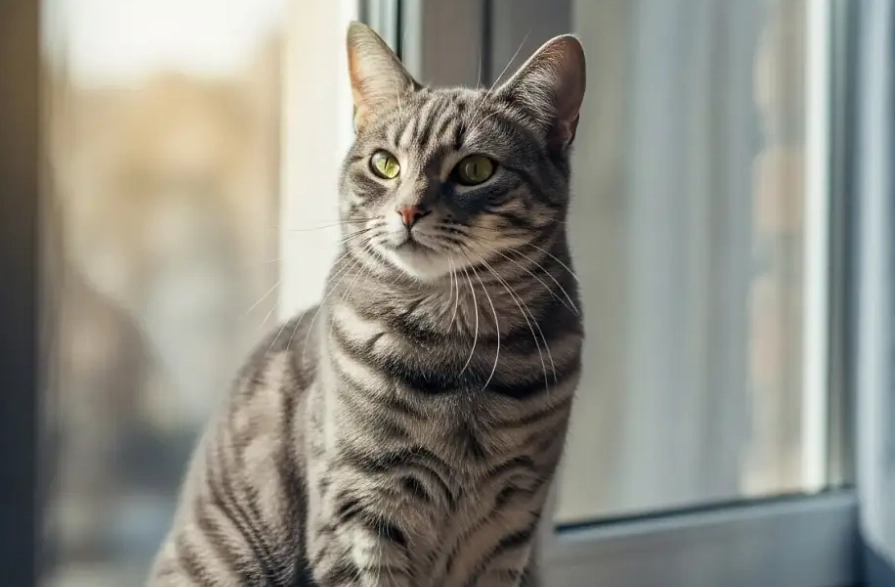
Debunking Common Myths About Tabby Cats
There's a lot of fluffy advice out there that can mislead owners. Let's clear up a few myths:
Myth 1: All Tabbies Are the Same. False. Coat color and pattern don't dictate personality rigidly, but grey tabbies often share tendencies due to common genetic roots. Assuming they're identical to orange tabbies ignores nuances like their more reserved nature.
Myth 2: Grey Tabbies Are Less Affectionate. Not true—they just show affection differently. Misty isn't a lap cat 24/7, but she follows me from room to room, a behavior called "shadowing," which is a sign of deep bonding. It's subtle, so owners might miss it.
Myth 3: They Don't Need Much Attention. Wrong. Their independence can be deceiving. Neglect leads to behavior problems like aggression or depression. They need engagement, just on their own timeline.
Myth 4: Personality is Purely Genetic. While genetics play a role, early socialization and environment shape behavior hugely. A grey tabby from a noisy shelter might be skittish, while one raised in a calm home could be more confident.
I've seen owners give up on grey tabbies thinking they're "cold," when in reality, they just needed patience. It's a shame because these cats can be incredibly loyal once they trust you.
A Real-Life Case: Misty the Grey Tabby
Let me walk you through a typical week with Misty to illustrate how personality impacts care. This isn't a perfect example, but it's real.
Monday: Morning—Misty wakes me with a soft chirp, her way of saying "breakfast time." After eating, she retreats to her window perch for bird-watching. I leave for work, and she has free roam. I used to worry she'd get lonely, but she's content solo as long as her environment is enriched.
Wednesday: Evening play session. I use a feather wand, and she stalks it like prey. Here's a tip: let them "catch" it occasionally to satisfy the hunt instinct. If I don't, she gets frustrated and might scratch the couch later.
Friday: A friend visits. Misty hides initially—territorial kick-in. I don't force her out; instead, I let her observe from a distance. After an hour, she ventures out for a sniff. This gradual approach prevents stress.
Saturday: Grooming time. Grey tabbies often have dense coats, so weekly brushing is key. Misty tolerates it because I started young, but she'll walk away if she's had enough. Respecting that boundary keeps her cooperative.
Sunday: Relaxation day. She curls up beside me while I read, but only after she's done exploring. It's a balance of interaction and independence.
This routine works because it aligns with her personality. When I deviated—like when I tried to cuddle her constantly—she became avoidant. Learning her cues was a game-changer.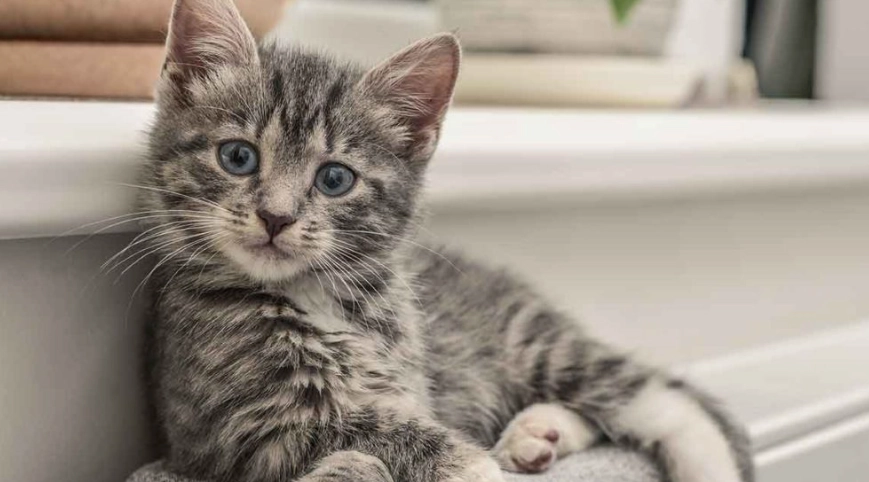
Your Grey Tabby Personality Questions Answered
Wrapping up, grey tabby cats offer a unique blend of traits that demand understanding, not just love. They're not the easiest cats, but they're rewarding for owners who appreciate nuance. From Misty's quirks to the science behind tabby patterns, it's clear that personality shapes care in real ways. If you're considering adopting one, prepare for a companion who'll keep you on your toes—in the best way possible. Remember, it's not about changing them, but adapting to their world. That's where the magic happens.