Cat breeds aren't just about looks—they're about personality, care needs, and how they fit into your life. With over 70 recognized breeds worldwide, according to The International Cat Association, the choices can overwhelm anyone. I've helped dozens of friends pick cats, and the biggest mistake? Focusing solely on appearance. Let's cut through the noise and explore how cat breeds are truly classified, so you can make an informed decision.
What's Inside This Guide
How Cat Breeds Are Classified: Beyond Just Looks
Most people think of cat breeds in terms of fur length—longhair vs. shorthair. But that's just scratching the surface. After years of volunteering at shelters, I've seen breeds grouped by traits that actually matter for ownership.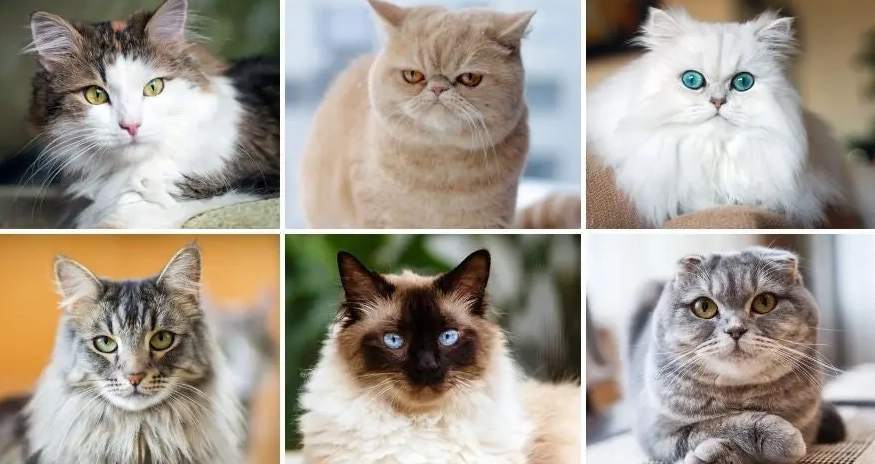
Coat Type: The Fur Factor
This is the obvious one, but it's crucial for grooming. Longhair breeds like Persians need daily brushing to prevent mats. Shorthair breeds like the British Shorthair are lower maintenance, but still shed. Then there's hairless, like the Sphynx—no fur, but they require weekly baths to remove oil buildup. Don't be fooled; "low-shedding" doesn't mean no grooming.
Size Matters: From Teacup to Giant
Size affects everything from food costs to space needs. Small breeds like the Singapura weigh under 6 pounds, perfect for apartments. Medium breeds, such as the American Shorthair, are the average housecat. Large breeds like the Maine Coon can top 20 pounds—they're gentle giants but need room to roam. I once met a Maine Coon owner who didn't realize how big her cat would get, and it ended up knocking over furniture!
Personality Profiles: Lap Cats vs. Adventurers
This is where breed really shines. Some cats, like Ragdolls, are laid-back and love cuddles. Others, like Bengals, are highly active and need stimulation. Vocal breeds like Siamese will chat all day. The Cat Fanciers' Association notes personality is bred in, but individual cats vary. If you're quiet and sedentary, a Bengal might drive you nuts.
A Closer Look at Popular Cat Breeds by Category
Let's break down some top breeds with a table for quick reference, then dive into details.
| Breed | Coat Type | Size | Personality | Special Care Needs |
|---|---|---|---|---|
| Persian | Longhair | Medium | Calm, affectionate | Daily grooming, prone to breathing issues |
| Siamese | Shorthair | Medium | Vocal, social | Needs companionship, can be noisy |
| Maine Coon | Longhair | Large | Friendly, playful | Regular brushing, space to move |
| Sphynx | Hairless | Medium | Energetic, affectionate | Weekly baths, sun protection |
| Bengal | Shorthair | Medium | Active, curious | High mental stimulation, secure home |
Persians are the classic lap cats, but their flat faces (brachycephalic) can cause health problems—something many breeders downplay. I've had clients shocked by vet bills for respiratory infections.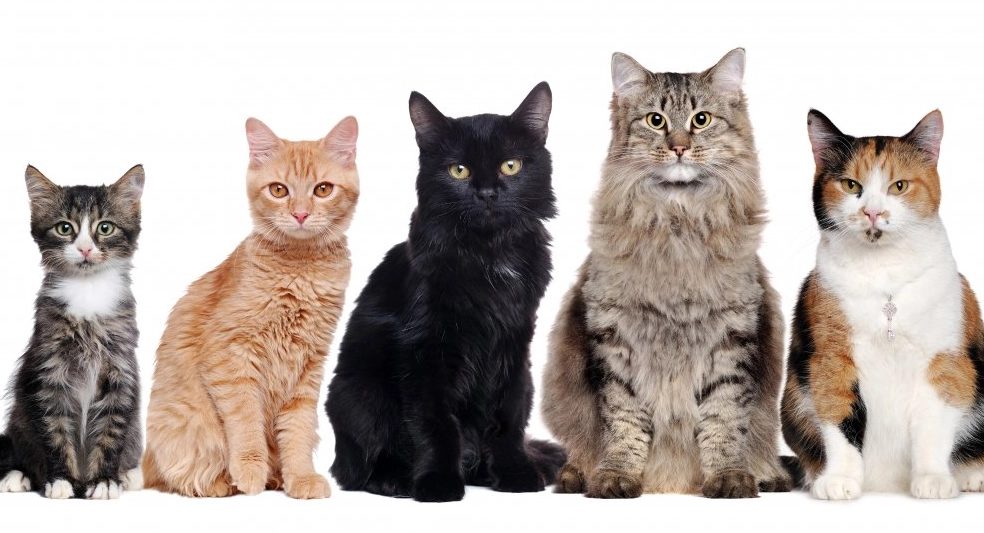
Siamese cats are talkative. If you love conversation, great. If you prefer quiet, look elsewhere. They bond deeply with one person, which can lead to separation anxiety.
Maine Coons are often called "dog-like" because they follow you around. They're good with kids, but their size means they eat more and need sturdy scratching posts.
Sphynx cats aren't truly hypoallergenic—they still produce dander. Their lack of fur means they get cold easily, so you might need sweaters in winter.
Bengals are stunning, but they're not for beginners. They're derived from wild cats, so they have high energy. A friend adopted one without a cat wheel, and it started climbing curtains.
Matching a Cat Breed to Your Lifestyle: Real-Life Scenarios
Choosing a breed isn't about what's cute; it's about fit. Let's walk through some common situations.
Apartment living in a city: You're in a small space with limited outdoor access. Go for a calm, medium-sized breed like the British Shorthair or Russian Blue. Avoid large, active breeds like Bengals—they'll get bored and destructive. I lived in a studio with a Ragdoll, and it was perfect because he just lounged around.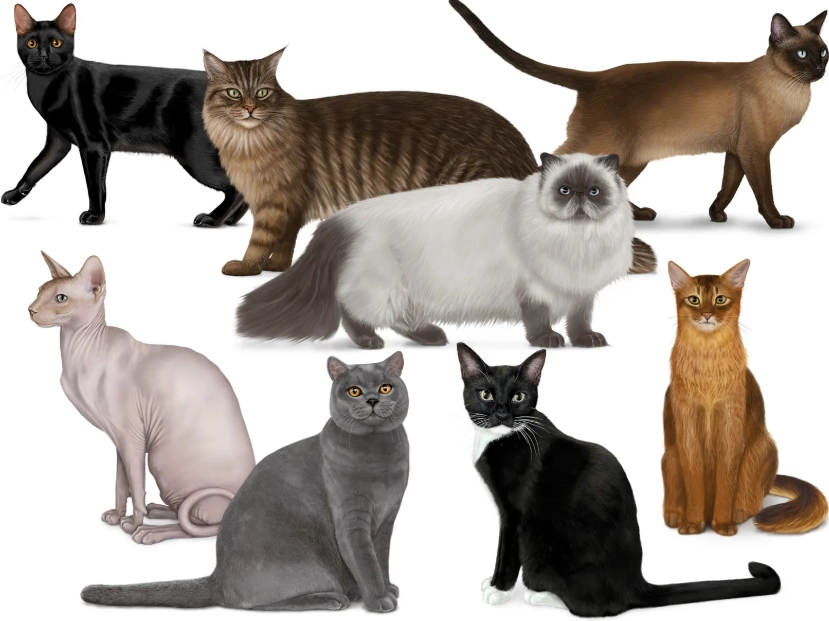
Family with young kids: You need a patient, sturdy cat. Maine Coons and American Shorthairs are great—they tolerate handling and are playful. Steer clear of fragile breeds like Persians, as kids might accidentally hurt them.
Busy professional who travels: You're out often, so a independent breed is key. Consider the Scottish Fold or Norwegian Forest Cat. They're okay with alone time. But remember, all cats need interaction; if you're gone constantly, maybe get two cats or reconsider.
Allergy sufferer: Look into hypoallergenic breeds like the Siberian or Balinese. However, "hypoallergenic" is a myth—no cat is 100% allergen-free. Spend time with the breed first to test reactions. I've seen people adopt a Siberian only to still sneeze, because allergies vary.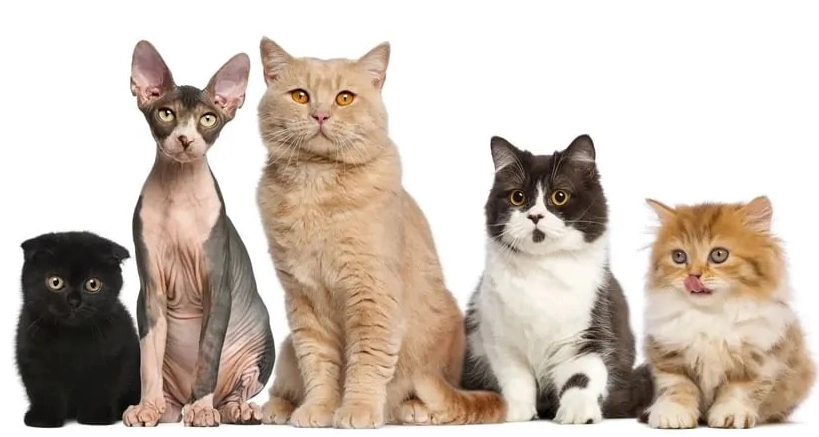
Expert Tips: Avoiding Common Mistakes When Choosing a Cat Breed
After a decade in cat rescue, I've seen the same errors repeatedly. Here's what most guides don't tell you.
Don't ignore genetic health issues. Purebreds often come with baggage. For example, Persians have polycystic kidney disease, and Maine Coons can have hypertrophic cardiomyopathy. Always ask breeders for health clearances—if they hesitate, walk away. A cheap kitten can mean expensive vet bills later.
Personality trumps looks every time. That exotic-looking Savannah cat might be gorgeous, but if you're not prepared for its wild energy, it'll be a disaster. I met a couple who chose a Savannah for aesthetics, and it ended up being rehomed because it was too demanding.
Consider adoption first. Shelters have mixed breeds that can be healthier and just as loving. Many "types" of cats aren't purebreds but have similar traits. For instance, a domestic shorthair can be as affectionate as any breed. You might find your perfect match without the breed price tag.
Think long-term. Cats live 15+ years. A breed that's trendy now might not suit your life in a decade. If you plan to move or have kids, pick a adaptable breed.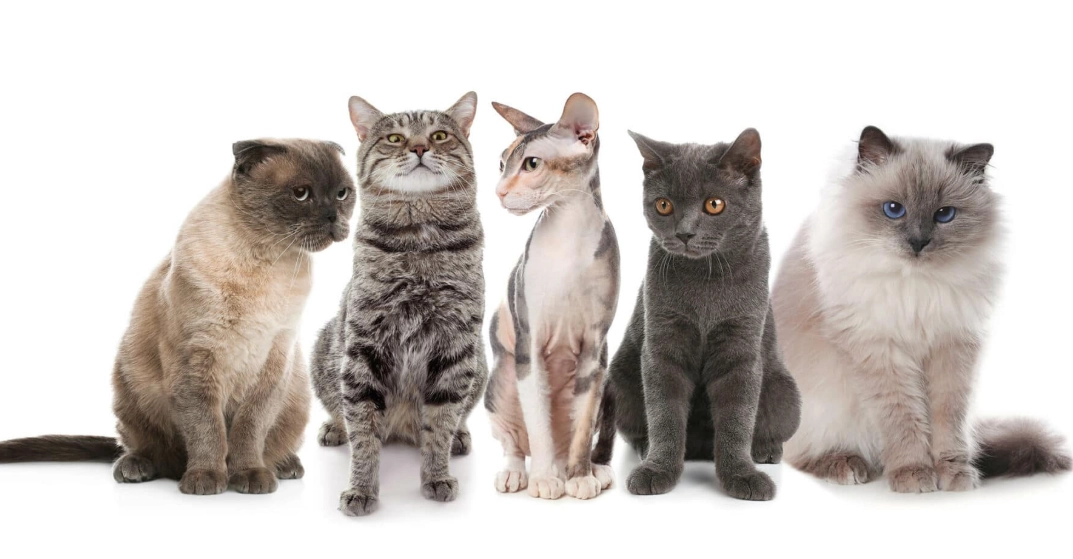
Quick takeaway: The best cat breed is one that matches your daily routine, not just your Pinterest board. Visit breeders or shelters, interact with the cats, and trust your gut—not just online photos.