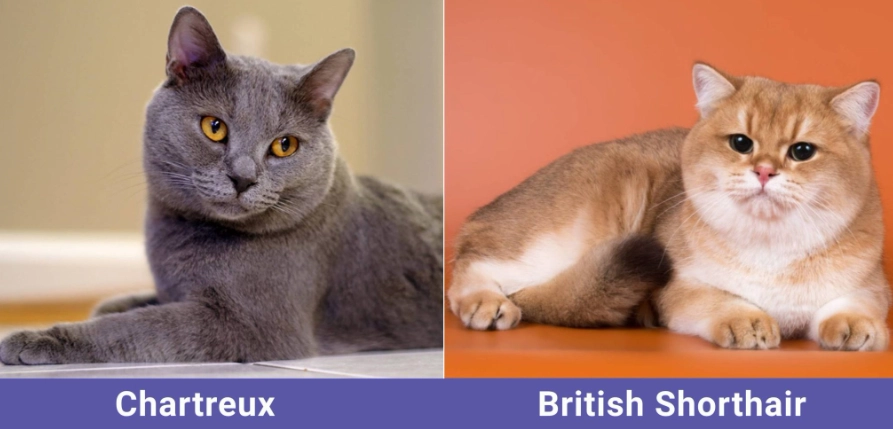
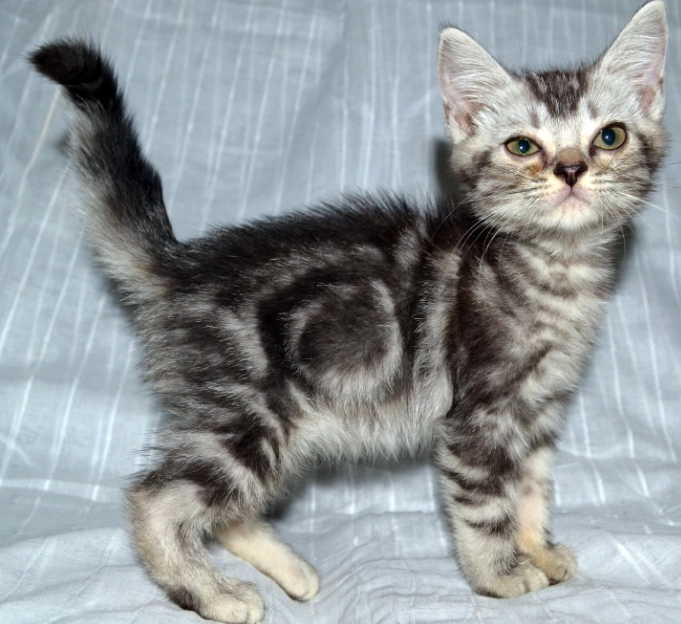
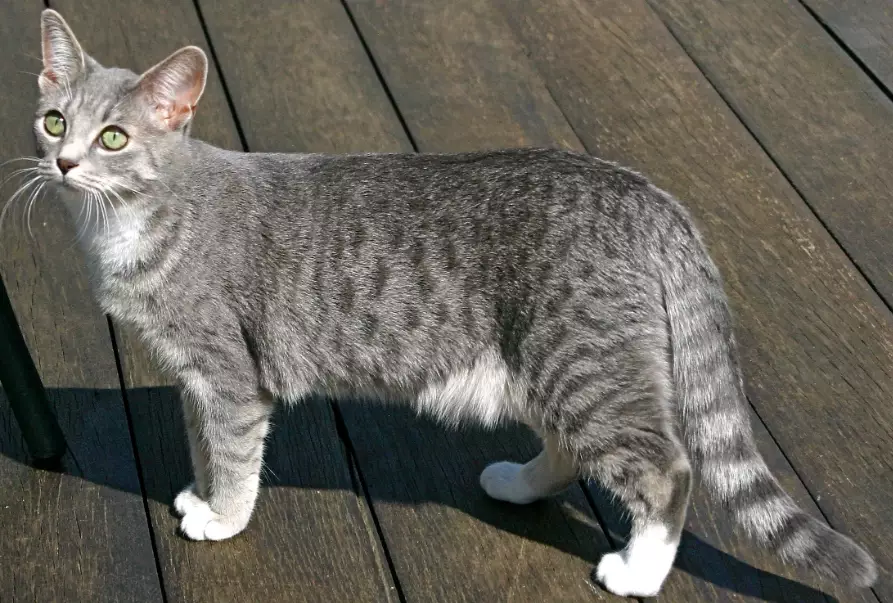
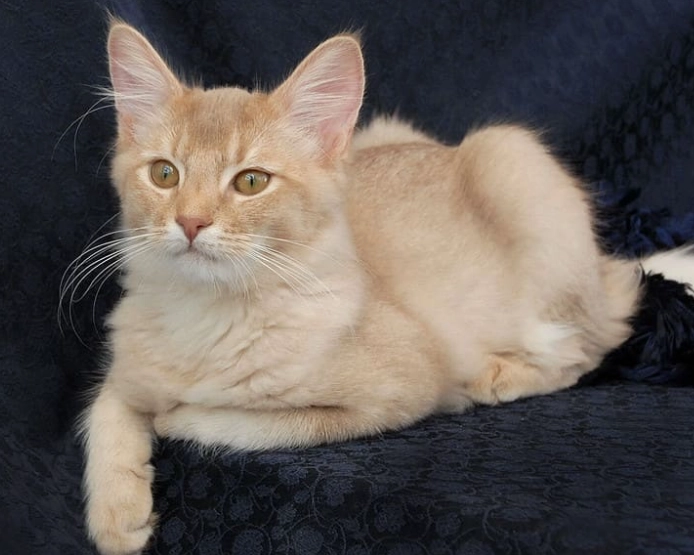
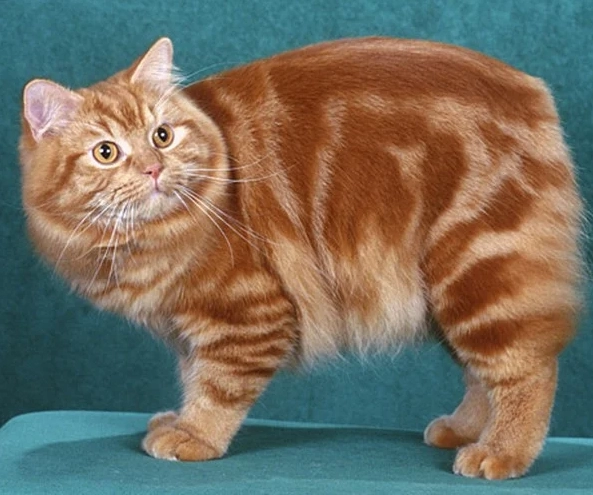
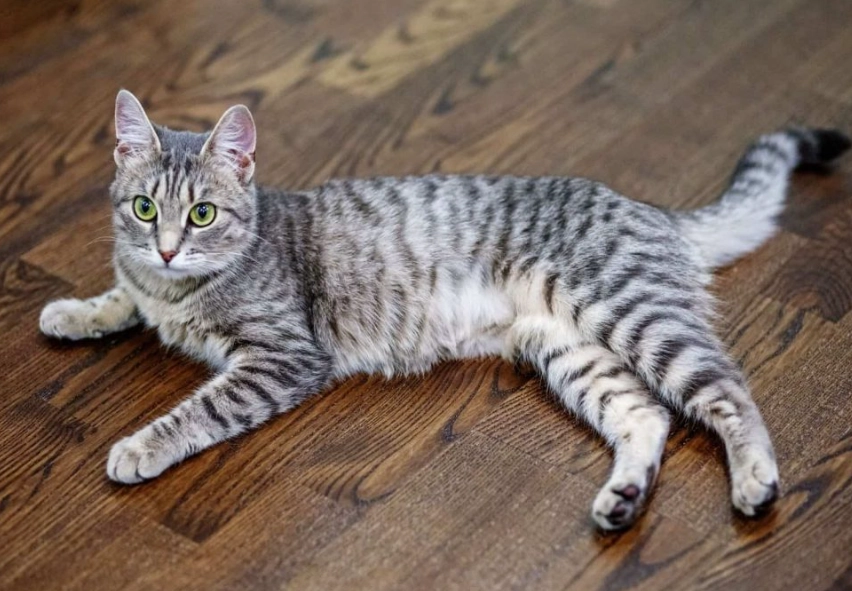
You bring home your plush, round-faced British Shorthair kitten, imagining evenings spent with a purring bundle of fur on your lap. Weeks pass. The cat is beautiful, healthy, and calm… but seems utterly indifferent to your attempts at snuggles. You reach for a cuddle; they give you a slow blink and saunter away. Sound familiar?
This isn't a defect. It's a design feature.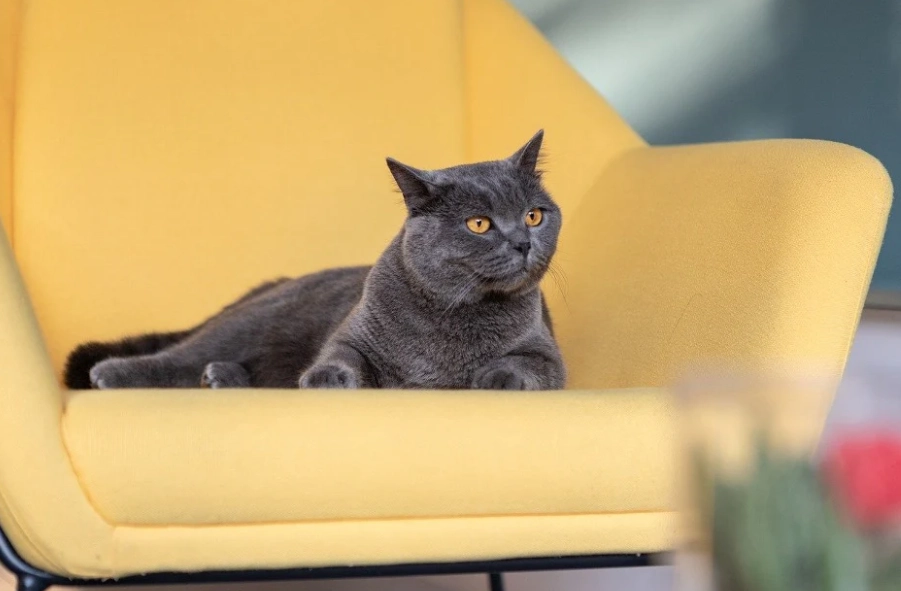
As someone who's lived with cats for decades and spent years around breeders, I've seen the disappointment firsthand. New owners often mistake the British Shorthair's serene demeanor for a promise of constant physical affection. The reality is more nuanced, and understanding it is the key to a fantastic relationship with one of the cat world's most dignified characters.
What’s Inside This Guide
Bred for Business, Not for Lap Time
To get why British Shorthairs are the way they are, you have to go back. Way back. This isn't a breed created in the last 50 years for companionship aesthetics. They are descendants of robust working cats brought to Britain by the Romans, tasked with protecting grain stores from rodents.
Their job required independence, resilience, and a low-maintenance attitude. They weren't bred to seek comfort from humans; they were bred to be effective, self-reliant partners. This foundational history is baked into their DNA. The Cat Fanciers' Association notes their characteristic "undemanding" nature, a polite way of saying they have their own agenda.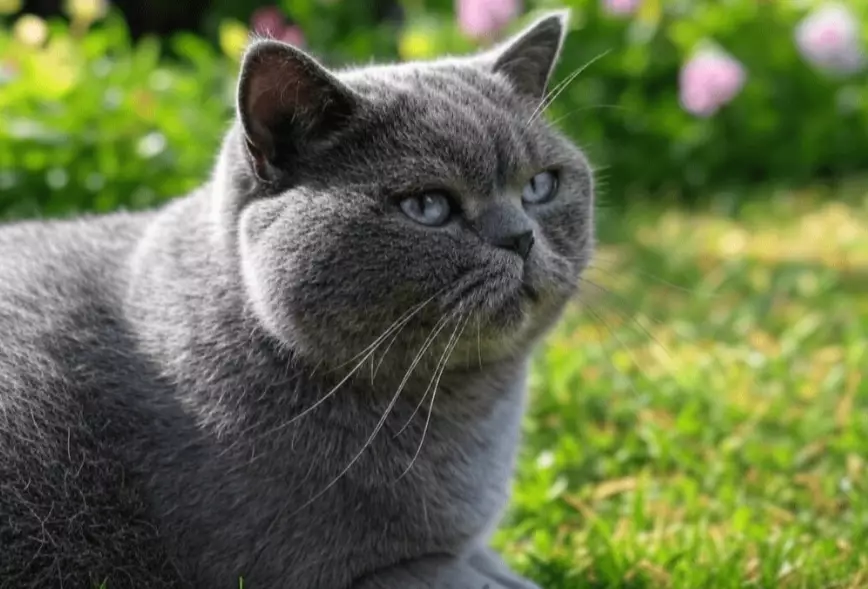
Think of them as the stoic farmers of the cat world, not the lapdogs.
The British Shorthair Personality Profile: Independent by Design
Calling them "aloof" isn't quite right either. It implies coldness. British Shorthairs are more like dignified roommates who like you but don't need you every second.
Here’s the breakdown you won't find on most generic breed sites:
They are observers, not participants. Your British Shorthair will often prefer a vantage point—the back of the sofa, a cat tree by the window—from which to watch the household drama unfold. They derive contentment from being present in your space, not necessarily on your person.
Affection is on their terms, always. This is the golden rule. They may decide that 7:23 PM is the perfect time for a five-minute chin scratch session. Initiate it yourself at 7:25 PM, and you might be politely declined. It’s not rejection; it’s a statement of autonomy.
They have a low "touch threshold." Many cats enjoy long petting sessions. British Shorthairs often have a much shorter tolerance. They might enjoy a few strokes, but prolonged stroking can become overstimulating. Watch for the tail twitch—that’s your signal to stop.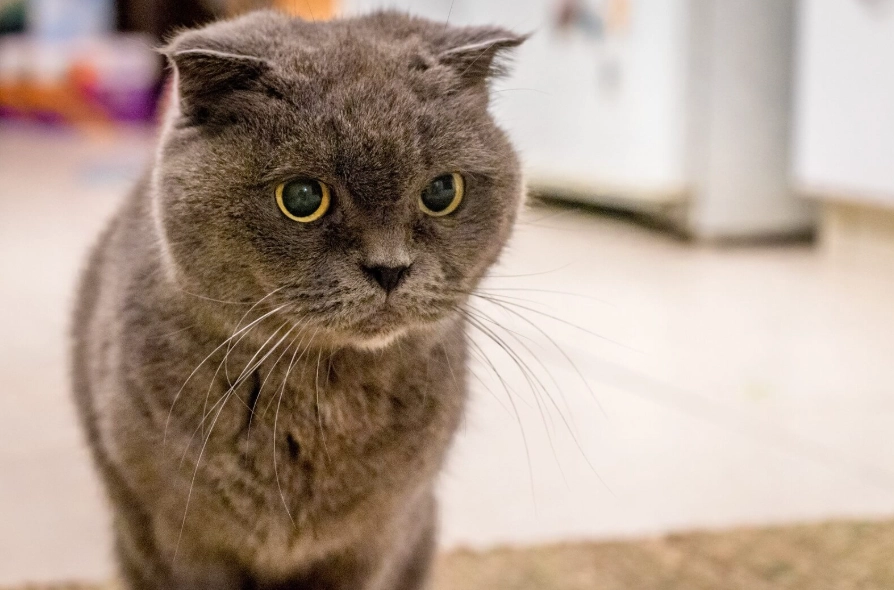
A Common Mistake New Owners Make: They interpret the cat's calm tolerance as an invitation for more. Just because your British Shorthair doesn't immediately run away when you pick them up doesn't mean they enjoy it. They are famously tolerant, which can be misread as enjoyment. The subtle sign of displeasure? That same slow blink or a gentle, firm push with the paw. Ignoring these signals is how you build distance, not closeness.
It’s in the Body and the Mind
Their physical build plays a role too. They are dense, muscular cats with a thick, plush coat. This can make them prone to overheating more quickly than a sleeker breed. Your warm lap might just be… too warm for comfort.
More importantly, it's mental. They simply don't have the neurotic need for constant reassurance that some more "needy" breeds display. Their confidence is rock-solid. A study on feline personality published in PLOS ONE categorizes traits like boldness and sociability. The British Shorthair often scores high on boldness and lower on human-directed sociability compared to breeds like the Siamese.
They are secure in themselves. They don't need your validation through cuddles.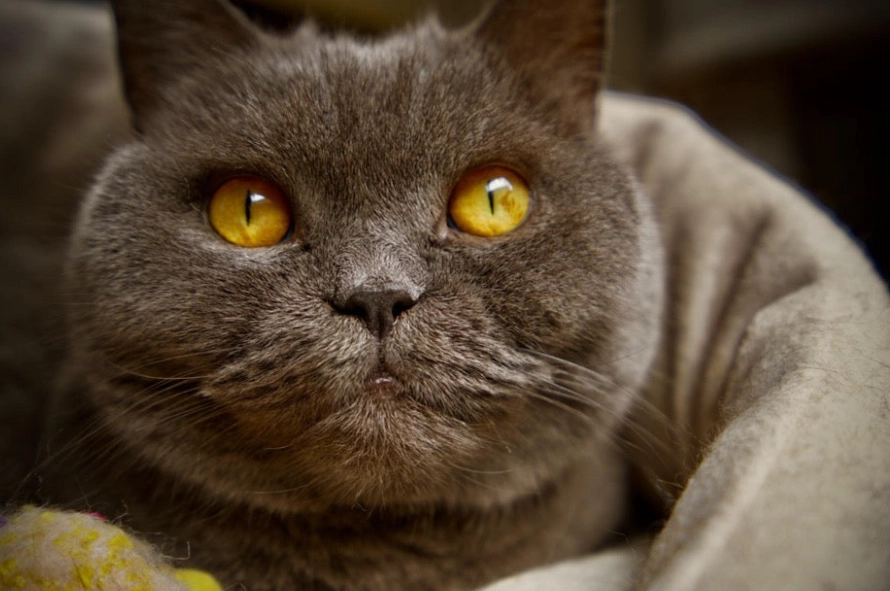
How to Build a Bond With a Cat That Doesn’t Cuddle
So, how do you connect with a creature that seems indifferent to traditional affection? You speak their language.
1. Respect the Boundaries (This is Non-Negotiable)
Never force interaction. Let them come to you. This is the single most important thing you can do. It proves you understand their core need for autonomy and builds immense trust.
2. Bond Through Ritual, Not Randomness
British Shorthairs thrive on predictable, quiet routines. They love a scheduled play session with a wand toy (mimicking the hunt), followed by a set meal time. The post-meal grooming session while they're relaxed is often a prime window for some gentle petting. Consistency tells them the world is safe and you are a reliable part of it.
3. Offer Proximity, Not Pressure
Create inviting spaces near you. A soft bed on your desk, a blanket on the couch cushion next to yours. They will often choose to occupy these spots, enjoying your company without the pressure of direct contact. Celebrate this as a win.
4. Learn the "Slow Blink"
This is cat for "I love you and trust you." Catch your British Shorthair's gaze and slowly close and open your eyes. Do it a few times. If they return the gesture, you've just had a profound conversation. It’s more meaningful to them than a forced cuddle.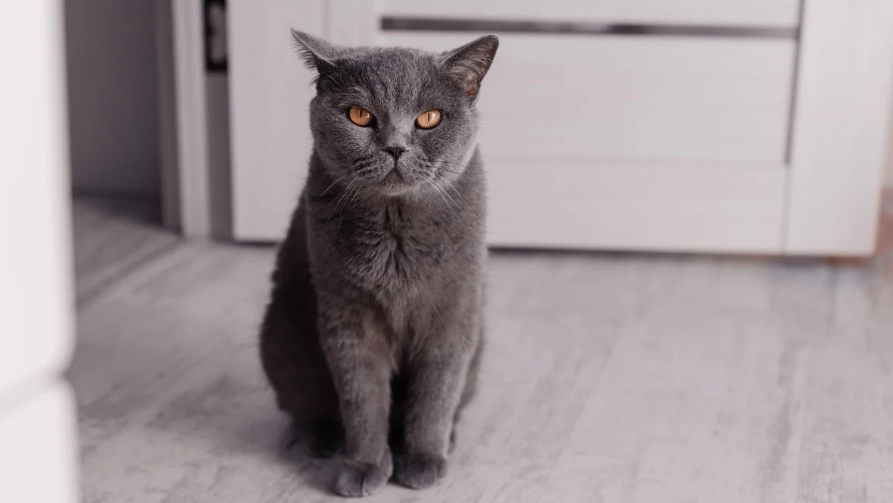
Subtle Signs Your British Shorthair Actually Loves You
Stop looking for purring in your arms. Start looking for this "British Shorthair Dictionary" of love:
- The Silent Escort: They follow you from room to room, just to plop down a few feet away.
- The Welcome Home Chirp: That little "mrrp" sound when you walk in the door, even if they don't run to the entrance.
- The Belly Presentation (from a distance): If they flop over and show their belly while relaxed in the same room as you, it's a huge sign of trust. (Note: This is rarely an invitation for a belly rub!).
- Gentle Head Butts: Leaning their head against your hand or leg to deposit scent marks is them claiming you as family.
- Just… Being There: In a multi-person household, if they consistently choose to nap in the room you're in, that’s a deliberate choice. You are their preferred peaceful habitat.
Is a British Shorthair the Right Breed for You?
Let's be brutally honest. If your dream is a cat that will curl up in your arms for a Netflix marathon every night, a British Shorthair will likely leave you feeling perpetually slightly disappointed.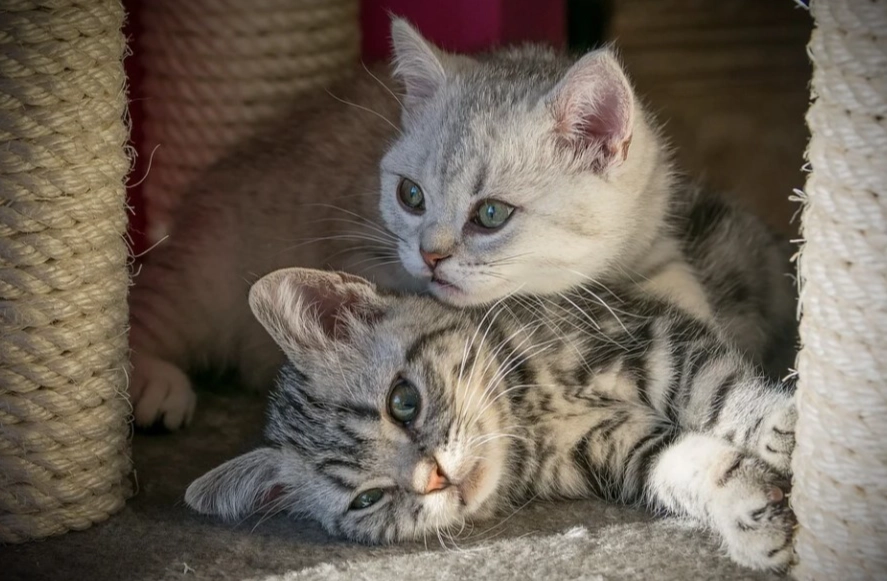
They are perfect for:
- People who appreciate quiet, undemanding companionship.
- Busy professionals who want a low-maintenance pet that won't develop separation anxiety.
- Individuals who enjoy a pet with a strong, calm personality.
- Households that value a predictable, tranquil atmosphere.
They are a less ideal fit for:
- Families with very young children who want a tolerant, interactive teddy bear.
- Anyone who equates love exclusively with physical clinginess.
- People who may be offended by an animal’s polite disinterest.
Owning a British Shorthair is a lesson in appreciating subtlety. Their love isn't loud or clingy. It's the quiet confidence of a creature that chooses your presence, respects your space, and offers companionship in its most dignified form. They don't give their trust freely, but once earned, it’s a steady, unwavering constant. They’re not not cuddly—they’re just British about it.