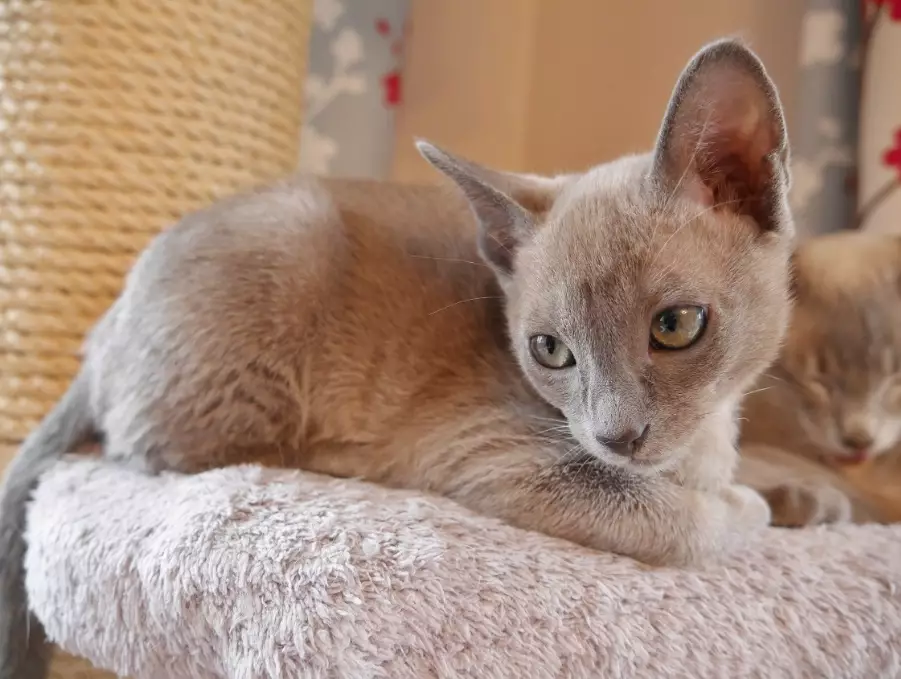
If you're drawn to those warm, earthy stripes, you're not alone. Brown tabby cats are everywhere—in homes, shelters, and internet memes. But there's more to them than just a pretty coat. I've lived with a brown tabby named Milo for over ten years, and let me tell you, he's full of surprises. This guide cuts through the fluff to give you the real scoop on what makes these felines tick, how to care for them, and why they might just be the perfect pet for you.
Jump to What Matters
What Exactly is a Brown Tabby Cat?
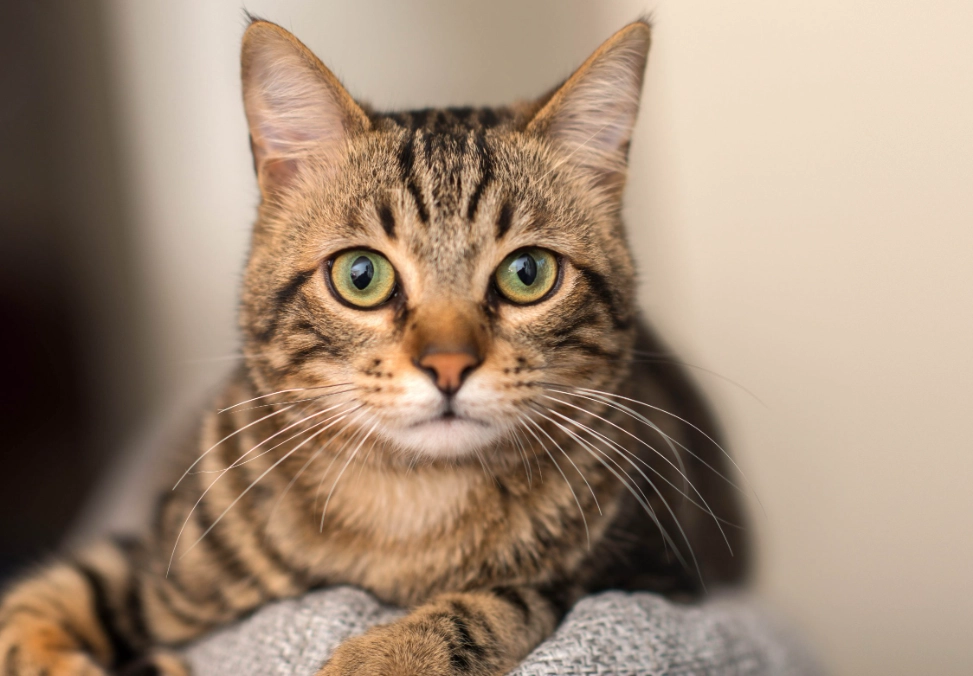
First off, "tabby" isn't a breed—it's a coat pattern. Think of it like stripes on a tiger. Brown tabbies have a base color that ranges from light tan to deep chocolate, overlaid with darker brown or black stripes, swirls, or spots. The pattern comes from a gene called the agouti gene, which controls pigment distribution in each hair. There are four main tabby patterns, and brown variations can appear in any of them.
Here's a quick breakdown:
| Pattern Type | Description | Common in Brown Tabbies? |
|---|---|---|
| Classic | Swirling patterns like a marble cake, often with a "bullseye" on the side. | Yes, very common—my Milo has this. |
| Mackerel | Narrow, parallel stripes running down the sides, resembling fishbones. | Yes, probably the most frequent. |
| Spotted | Spots instead of stripes, which can be large or small. | Less common, but brown versions exist. |
| Ticked | Each hair has alternating light and dark bands, giving a sandy look. | Rare in pure brown, but possible. |
Brown tabbies can be found in many breeds, from Domestic Shorthairs to Maine Coons. According to the Cat Fanciers' Association, tabby is one of the most ancient and widespread coat patterns in domestic cats. So, if you adopt one, you're getting a piece of feline history.
One thing most websites don't mention: the brown color can fade or change with diet. I learned this the hard way when Milo's coat turned dull after I switched to a cheap food brand. High-quality nutrition matters more than you'd think.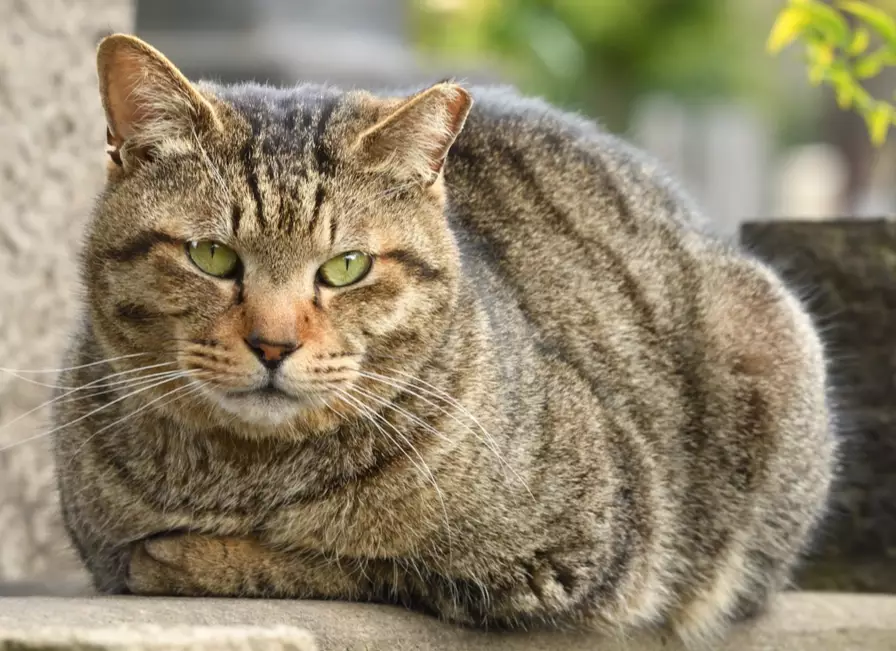
Personality Traits: Beyond the Stereotypes
People often say tabbies are friendly and outgoing. That's partly true, but brown tabbies have their quirks. Based on my experience and chats with other owners, here's what to expect.
Brown tabbies tend to be curious and intelligent. Milo once figured out how to open cabinet doors to get to his treats—took me weeks to childproof everything. They're not always lap cats; many prefer to be near you rather than on you. But when they do snuggle, it's on their terms.
There's a myth that brown tabbies are more independent. I'd argue it's not independence but selective affection. They form strong bonds but might ignore you if they're busy exploring. This can be frustrating if you want constant cuddles.
Playfulness is a big trait. These cats need mental stimulation, or they get bored and destructive. I've seen brown tabbies knock things off shelves just for fun. A common mistake is not providing enough interactive toys. Rotate toys weekly to keep things fresh.
Pro tip from a decade of ownership: Brown tabbies often respond well to clicker training. Milo learned to sit and high-five in a few days. It's a great way to channel their energy and strengthen your bond.
Socially, they usually get along with other pets and kids, but introductions should be slow. I introduced Milo to a new dog too quickly once, and he hid under the bed for days. Take it easy.
Care Essentials for a Happy Brown Tabby
Caring for a brown tabby isn't rocket science, but missing key details can lead to problems. Let's break it down into actionable steps.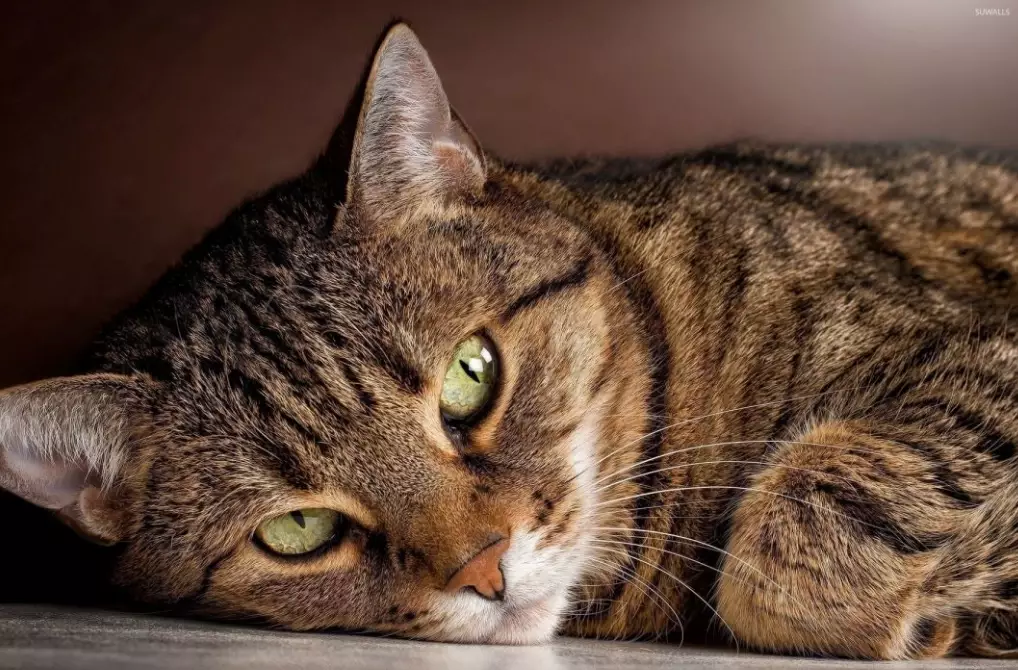
Feeding Your Feline Friend
Diet is crucial. Brown tabbies, like all cats, are obligate carnivores. They need high-protein food. Look for brands with real meat as the first ingredient—chicken, turkey, or fish. Avoid fillers like corn and wheat.
Portion control is where many owners slip up. Brown tabbies can be prone to overeating. Milo gained two pounds in a month when I free-fed him. Now, I measure his meals: 1/4 cup of dry food twice a day, plus wet food for dinner. Consult your vet for exact amounts based on age and activity.
Hydration is often overlooked. Cats don't drink much water, so include wet food in their diet. I add a splash of water to Milo's wet food to boost intake. Dehydration can lead to urinary issues, common in cats.
Grooming and Shedding Management
Brown tabbies shed—a lot. Their double coat means more hair around the house. Regular brushing is non-negotiable. I brush Milo three times a week with a slicker brush, and during shedding season, daily. It reduces hairballs and keeps his coat shiny.
Bathing isn't usually necessary unless they get into something messy. But if you do bathe them, use cat-specific shampoo. Human shampoo can dry out their skin.
Nail trimming and dental care are also important. Trim nails every two weeks to prevent scratching damage. For teeth, I use dental treats and a finger brush. The American Veterinary Medical Association emphasizes dental health to prevent serious diseases.
Exercise and Mental Stimulation
A bored brown tabby is a mischievous one. Provide at least 30 minutes of active play daily. Use wand toys, laser pointers (with caution—always end with a physical toy to avoid frustration), and puzzle feeders.
Create vertical space. Cats love to climb. I installed shelves and a cat tree, and Milo spends hours surveying his kingdom. It reduces stress and prevents obesity.
Consider leash training for outdoor adventures. Some brown tabbies enjoy supervised walks. Start slow with a harness indoors.
Health Considerations You Shouldn't Ignore
Brown tabbies are generally healthy, but they have predispositions. Regular vet check-ups are key—once a year for adults, twice for seniors.
Common issues include:
- Obesity: As mentioned, they love food. Monitor weight and adjust diet as needed.
- Dental disease: Plaque buildup can lead to gum infections. Regular cleaning helps.
- Urinary tract problems: More common in males. Ensure plenty of water and a low-stress environment.
- Skin conditions: Allergies or parasites can affect their coat. Watch for excessive scratching.
Preventive care is cheaper than treatment. Vaccinate, spay/neuter, and keep up with flea and tick prevention. I use a monthly topical treatment recommended by my vet.
One subtle error: many owners ignore early signs of arthritis in older brown tabbies. If your cat hesitates to jump or seems stiff, talk to your vet. Supplements like glucosamine can help.
For authoritative info, I rely on sources like the Cornell Feline Health Center. They offer free guides on cat health that are evidence-based.