If you're asking "Are Devon Rex cats friendly?" the short, emphatic answer is yes. But that simple yes doesn't do justice to their unique brand of companionship. Owning a Devon Rex is less like having a pet and more like living with a tiny, mischievous, permanently curious roommate who thinks you're the most fascinating thing in the world. They don't just like people; they need to be involved in every single thing you do. I've lost count of how many times my own Devon Rex has tried to 'help' me type by walking across the keyboard or has decided my shoulder is the best seat in the house for watching TV.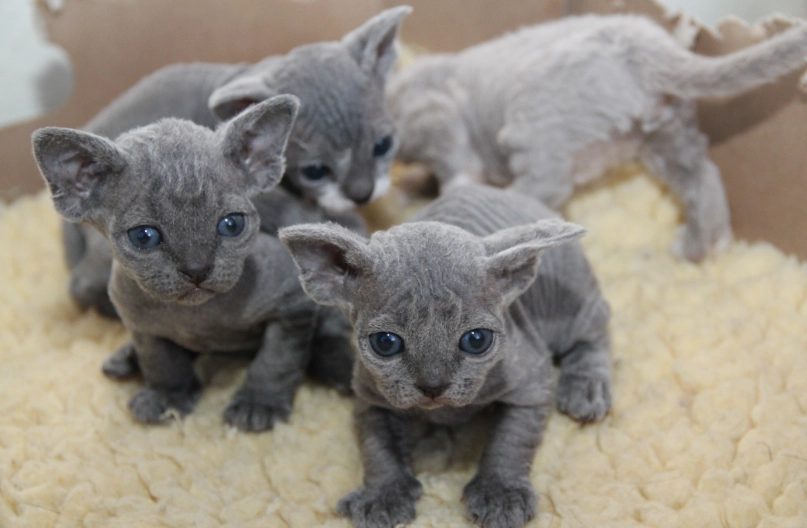
What You'll Discover in This Guide
Why Devon Rex Cats Are Considered So Friendly
Their reputation isn't just internet hype. Breed standards from organizations like the Cat Fanciers' Association (CFA) and The International Cat Association (TICA) consistently describe the Devon Rex as playful, people-oriented, and highly intelligent. But what does "friendly" really mean for a cat? With Devons, it breaks down into a few key traits.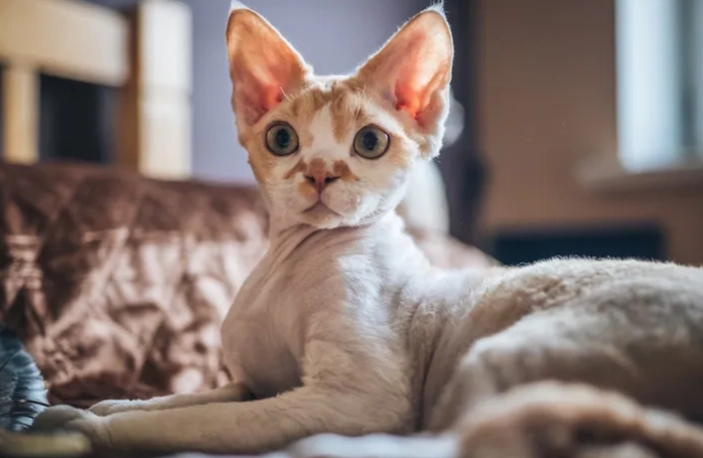
Playful and Curious to a Fault
This isn't a cat that's content watching life from a windowsill. A Devon Rex wants to be in the middle of the action. They'll fetch toys, learn tricks for treats, and investigate every grocery bag, open drawer, or new object in the house. That playful curiosity extends directly to their humans—they see you as their primary source of entertainment and engagement.
Affectionate and "Velcro" Like
The nickname "Velcro cat" was practically invented for the Devon Rex. They are notorious for wanting physical contact. This means perching on your shoulder, sleeping under the covers curled against your legs, or following you from room to room just to be near you. It's a constant, quiet companionship that many owners find incredibly rewarding.
Some people mistakenly think this is neediness. It's not anxiety-driven; it's just how they're wired. They are social creatures in the truest sense.
Social and Adaptable
Unlike some breeds that bond intensely with one person, Devons often spread their affection around the whole household. They tend to greet guests with interest rather than hiding, making them poor watchcats but wonderful hosts. This adaptability also makes them generally good candidates for families or multi-pet homes, provided introductions are handled correctly.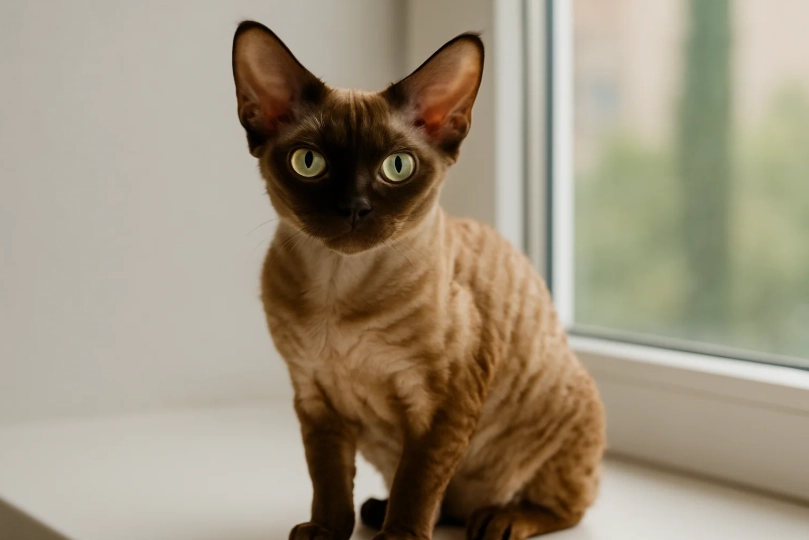
| Breed | Friendliness Style | Key Difference from Devon Rex |
|---|---|---|
| Devon Rex | Playful, mischievous, "shadow" companion, highly active. | Extreme curiosity and need to be involved in activities. |
| Ragdoll | Placid, docile, "floppy" lap cat. | Much less active and mischievous; more content to be held than to play. |
| Maine Coon | Gentle, dog-like, loyal. | More independent, often shows affection by being in the same room rather than on you. |
| Siamese | Vocal, demanding, intensely bonded. | Can be more selective and form a stronger single-person bond; much more vocal. |
Are Devon Rex Cats Good with Kids?
Generally, yes, but with crucial caveats that often get glossed over. Their playful, sturdy nature (despite their delicate appearance) makes them tolerant of respectful, gentle play. They often enjoy the energy and attention children provide.
However, the success of this relationship depends entirely on the child's age and behavior, and the cat's individual personality.
- With Older, Gentle Children (6+): Often a fantastic match. The cat becomes a playful, interactive companion.
- With Toddlers or Young Children: Requires strict supervision. A toddler's sudden movements or loud noises can startle any cat. More importantly, a Devon Rex's tendency to get underfoot means they could accidentally be tripped over or stepped on.
The non-negotiable rule? You must teach your children how to interact properly: no tail pulling, no picking up unless shown how, and respecting the cat's space when it eats or sleeps. A Devon will retaliate with a warning swipe or by hiding if mistreated.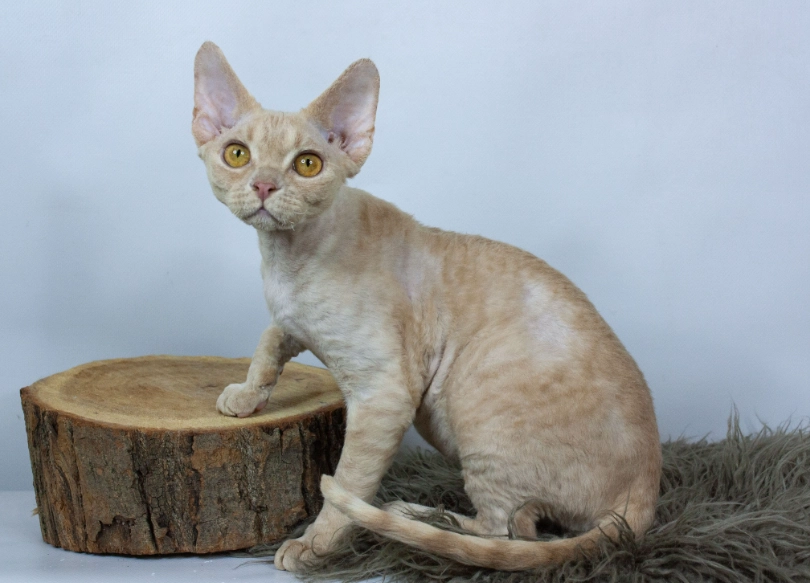
Are Devon Rex Cats Good with Other Pets?
Their social nature makes them one of the better cat breeds for multi-pet households. They often thrive with the company of another friendly cat or even a dog. The key is slow, proper introduction.
I introduced my Devon to a resident dog using a method that took two weeks. It started with scent swapping (rubbing each with a towel and letting the other smell it), then feeding on opposite sides of a closed door, then brief visual meetings through a baby gate. The Devon's curiosity eventually overrode any fear, and now they're companions.
They can even do well with other small pets like rabbits, but never leave them unsupervised. That strong prey drive is still there, no matter how friendly they are to you.
The Nuances of Devon Rex Friendliness: What Nobody Tells You
Here's where that "10-year expert" perspective comes in. Most articles make them sound like perfect, endlessly gregarious angels. The reality is more interesting.
They Can Be Shy with Strangers Initially. While they warm up faster than many cats, don't expect every Devon to immediately jump into a visitor's lap. Some may observe from a distance for 20-30 minutes before deciding the new person is interesting enough to investigate. This is normal, not unfriendly.
The "Velcro" Trait Has a Dark Side: Separation Anxiety. This is the big one. Their deep attachment means they can struggle when left alone for long periods. Signs include excessive vocalization, destructive scratching, or inappropriate elimination. If you work 12-hour days, a Devon Rex might be miserable. The solution isn't less love; it's providing enrichment—puzzle feeders, bird videos, a secure catio, or ideally, a second pet for company.
They Demand Mental Stimulation. A bored Devon Rex is a mischievous Devon Rex. Their intelligence means they need puzzles, training sessions, and interactive play. If you don't provide an outlet, they'll create their own (like figuring out how to open cabinet doors).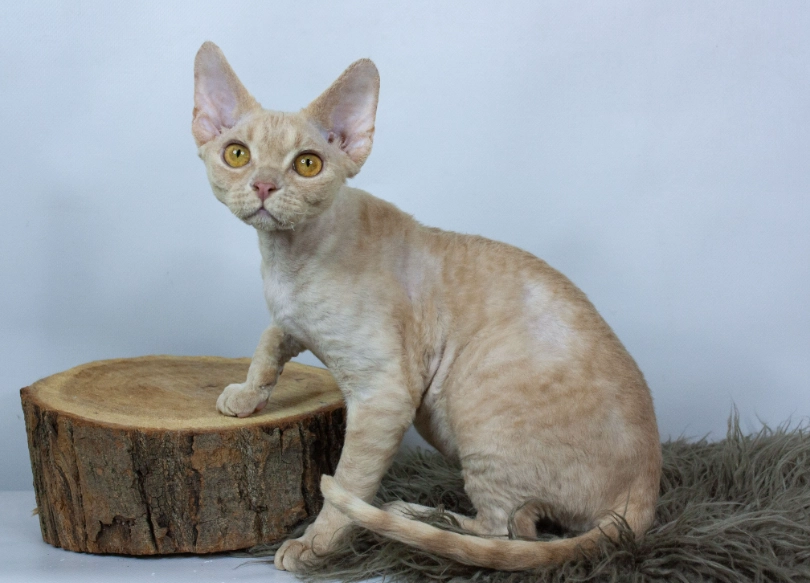
Caring for Your Friendly Devon Rex
Their unique personality comes with some unique care considerations to keep that friendly spirit happy and healthy.
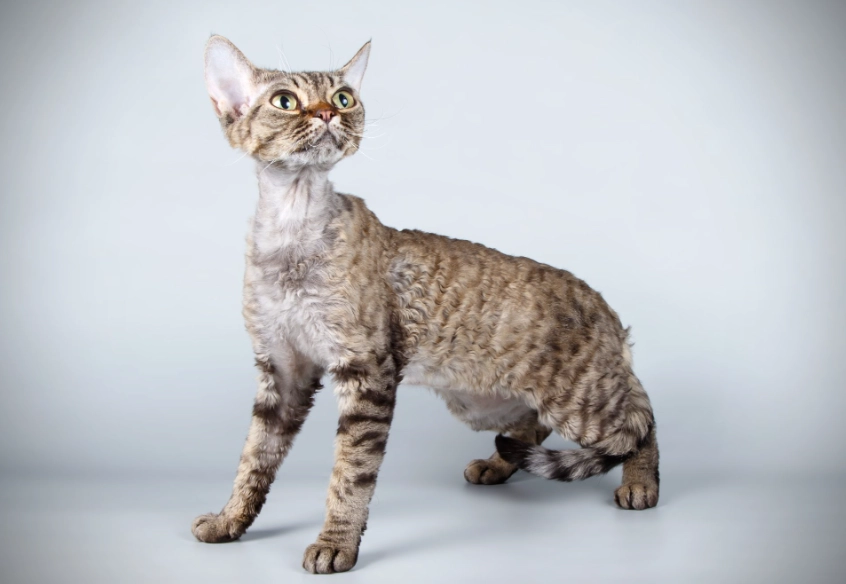
- Grooming: That wavy, short coat feels like suede. It sheds very little but needs occasional gentle wiping with a soft cloth to remove oils. Their large ears collect wax and need regular checking and gentle cleaning.
- Diet & Health: They have fast metabolisms and can be prone to gaining weight if overfed with low-quality food. A high-protein diet is best. Be aware of breed-specific issues like hereditary myopathy (a mild muscle condition) and always get a kitten from a reputable breeder who tests for it.
- Activity & Environment: They love vertical space. Cat trees, wall shelves, and window perches are essential. They are also sensitive to temperature due to their thin coat—keep them warm in winter, and they'll happily seek out sunbeams or your lap.
Your Devon Rex Friendliness Questions Answered
 Are Devon Rex cats hypoallergenic?