You see them everywhere – that dapper cat in a perfect tuxedo, the cow-patterned feline napping in the sun, the elegant kitty with a black mask and white paws. Black and white cats, often called bicolor or piebald, aren't just common; they hold a unique fascination. But what is it about this specific color combination that feels so special? It's not just looks. The magic lies in a surprising mix of genetics, personality hints, deep-rooted cultural stories, and some very practical care considerations that most owners don't think about until they're holding a white hair on a black sweater.
I've lived with cats for over twenty years, and my tuxedo cat, Max, taught me more about bicolor quirks than any book. I used to think it was just a color. I was wrong.
What's Inside?
The Genetics Behind the Pattern: It's Not Random
That perfect black spot on the nose or the white socks aren't accidental. They're the result of the piebald or white spotting gene. This gene interferes with melanocytes (the pigment cells) as the kitten develops in the womb. Think of it like a painter who sometimes runs out of paint. Where the "paint" (pigment) doesn't reach, you get white fur.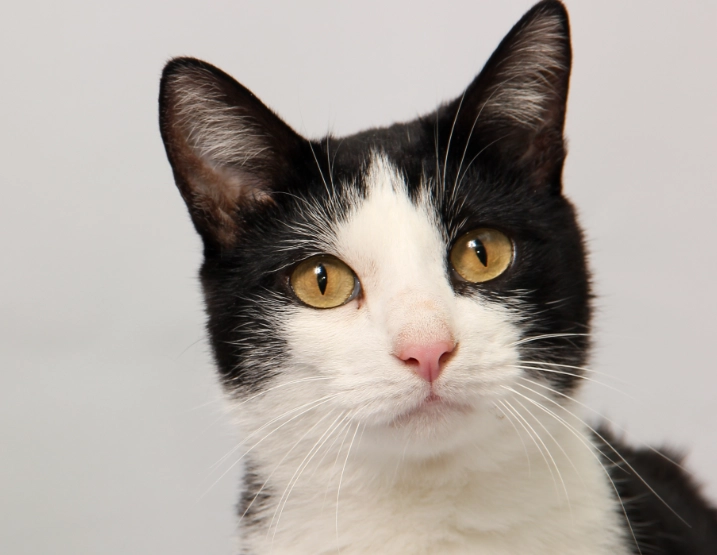
The degree of spotting is on a spectrum, controlled by different alleles of this gene. A cat with a low-expression gene might just have a tiny white locket or a few white toes. A high-expression gene can result in a mostly white cat with just a few black patches, sometimes called a "cap-and-saddle" pattern.
Here's a common misconception: the pattern is symmetrical. It almost never is. One side of your cat's face will have a different marking than the other. That's because the migration of those pigment cells is a chaotic, beautiful process. This genetic lottery means no two bicolor cats are exactly alike.
Tuxedo vs. Other Bicolors: A Style Guide
We lump them all together, but there are official classifications. The Cat Fanciers' Association (CFA) has specific standards for bicolor patterns in pedigreed cats. For moggies, these terms are still useful to describe what you see.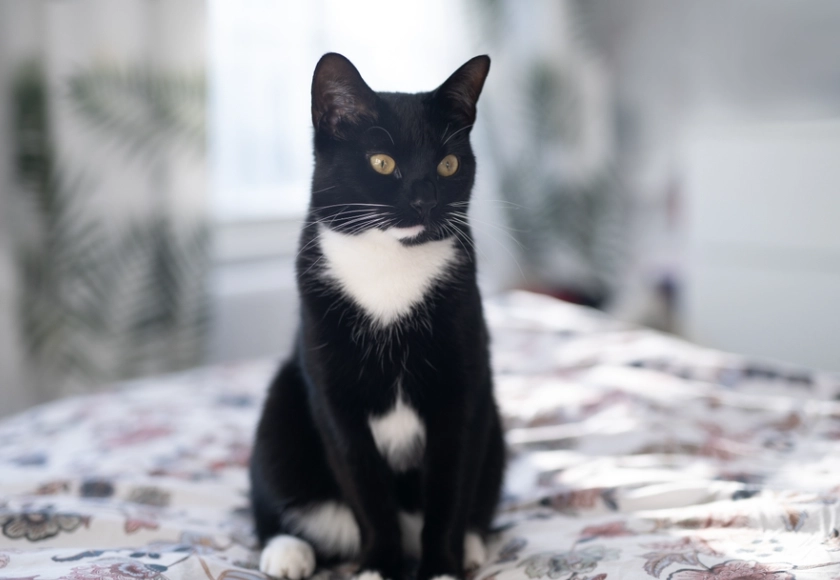
| Pattern Name | Description | Common Nickname |
|---|---|---|
| Tuxedo | Primarily black with white on the chest, belly, paws, and sometimes face (like a mustache). Looks formal. | James Bond cat |
| Mask-and-Mantle | Colored head and back (the "mantle") with a white belly, chest, and legs. The colored part looks like a cloak. | Cap-and-saddle (if mostly white) |
| Van Pattern | Almost entirely white, with color only on the head and tail. | Turkish Van style |
| Locket | Solid color with a small white patch on the chest. | — |
| Mitted | Solid color with white paws only. | Little socks |
The tuxedo pattern is the most iconic. It's caused by a moderate expression of the white spotting gene. My Max is a classic tuxedo – his white chest is so precise it looks like he's wearing a crisp shirt. But his brother from the same litter? Just a few white hairs on his chest. Same gene, different expression level.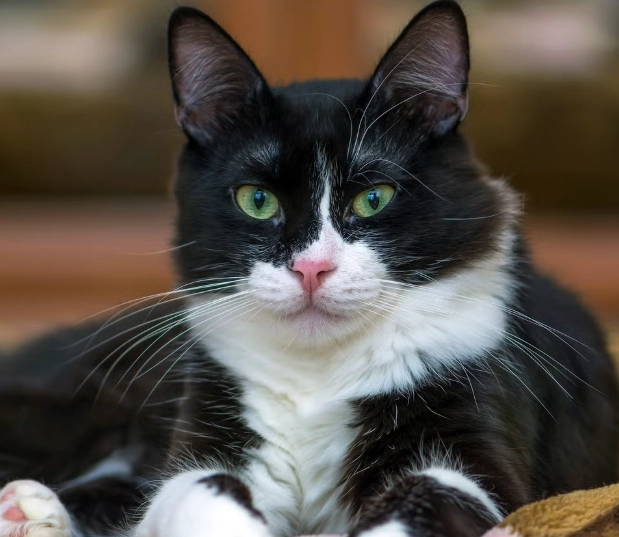
Personality: Myth, Reality, and a Grain of Truth
This is the big question, and where we need to be careful. There is no scientific evidence that coat color determines personality in cats. A cat's temperament is shaped by genetics (breed, if any), early socialization, and individual experience.
However. After decades in cat rescue and living with many, I've observed a correlation that many veteran vets and behaviorists quietly acknowledge. It's not about the color itself, but possibly about the genetics linked to the piebald gene, or more likely, about how we perceive them.
Tuxedo and bicolor cats often have very expressive faces. The high contrast makes their eyes pop and their facial movements easier to read. This can make them seem more communicative and clever. A study on human perception of cats, referenced by the ASPCA in broader behavior discussions, suggests we project personalities based on markings.
The real personality link might be indirect. Because they are so common in the domestic shorthair population, which is generally known for robust health and adaptable temperaments, many bicolor cats inherit that easy-going, versatile demeanor. But you can absolutely find a shy tuxedo or a aggressive white-socked cat.
Don't pick a cat expecting a certain personality because of its coat. You'll miss out.
From Luck to Symbolism: The Cat in Culture
Black and white cats carry a weirdly positive cultural baggage, especially compared to their all-black cousins.
In Japanese folklore, the Maneki-neko or beckoning cat, which brings good luck and fortune, is most traditionally depicted as a calico, but a bicolor version (white with black patches) is also considered highly auspicious. In British and Irish lore, a black and white cat crossing your path is generally seen as good luck, a stark contrast to the superstition around pure black cats.
They're pop culture icons. Think of Sylvester from Looney Tunes (tuxedo), Figaro from Pinocchio (tuxedo), or the iconic cat from the classic film Breakfast at Tiffany's. There's something about the formal, contrasting look that reads as both classic and charming to the human eye.
This positive imagery might subtly influence how we treat them, potentially leading to more positive interactions and reinforcement from a young age.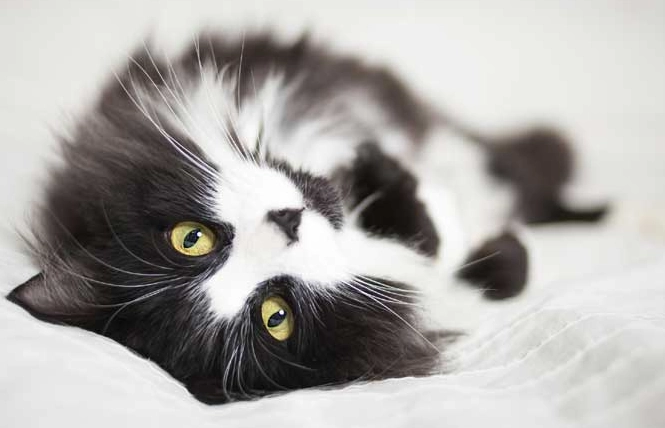
The Practical Care Needs Nobody Talks About
Here's the expert-level stuff, the things you learn after your first bicolor cat. Their specialness extends to daily care.
Sunburn is a Real Risk
This is critical. The pink skin under white fur has little to no melanin protection. The ears, nose, and any sparsely-furred white areas are vulnerable to sunburn, which can lead to painful sores and, over years, squamous cell carcinoma (a type of skin cancer).
If your cat loves sunbathing, you must manage this. Keep them indoors during peak sun hours (10 am - 4 pm). For cats with access to a sunny porch, talk to your vet about pet-safe sunscreens. Never use human sunscreen, as zinc oxide and other ingredients are toxic if licked.
Grooming and Shedding: The Two-Tone Challenge
You see every single hair. Black hairs on your white couch, white hairs on your black office pants. It's a constant reminder. Regular brushing (2-3 times a week for shorthairs) is non-negotiable. It controls shedding and distributes skin oils.
A pro tip: use a rubber grooming glove or a damp washcloth after brushing. It picks up those loose hairs that the brush leaves behind. For long-haired bicolors like a black and white Persian, daily grooming is essential to prevent mats, which can form painfully close to the skin.
Deafness Link: Not a Guarantee, But a Check
The gene for extensive white spotting is sometimes associated with congenital deafness, particularly in cats with blue eyes. This is well-documented in sources like the Cornell Feline Health Center. It's more common in all-white cats, but if your bicolor cat has a large white area on or around its head and blue eyes, it's wise to have your vet do a simple check for hearing responsiveness. Most bicolor cats hear perfectly fine, but awareness is key.
Your Black & White Cat Questions Answered
So, what is special about black and white cats? It's the whole package. A living lesson in genetics, a canvas for cultural stories, and a companion whose care requires you to think just one step ahead—about sun, sound, and that never-ending supply of loose hairs. Their specialness isn't a single trait, but the sum of their history, biology, and the unique way they fit into our homes and lives. They're ordinary in the best way, and that's extraordinary enough.