Let's talk about the black Devon Rex. You've probably seen pictures—those huge ears, that wispy, curly coat, eyes like saucers. They look like little pixies or elves. But what's it actually like to share your home with one? Is the black coat just a color, or does it come with its own quirks? I've lived with these cats for over a decade, and I can tell you, the reality is even more fascinating than the photos. They're not just a pretty (and somewhat odd) face. They're clowns, heat-seekers, and velcro companions wrapped in a uniquely soft package.
This isn't a list of generic breed facts. This is a deep dive from someone who's cleaned up their share of greasy paw prints and learned the hard way about their sensitive sides. Whether you're considering bringing a black pixie cat into your life or just adore them from afar, here's what you need to know.
What You'll Discover About Black Devon Rex Cats
The Look & Personality: More Than Just Curly Fur
Okay, the elephant in the room—or rather, the elf in the room. The black Devon Rex coat isn't like any other cat's. It's a single layer of fine, downy fur that forms loose waves and curls, especially on the back, sides, and tail. On a solid black cat, this creates a stunning, almost smoky sheen. In bright sunlight, you might see faint rusty or brownish highlights. Don't panic, that's normal. It's not fading; it's just the light playing off the unique structure of the hair.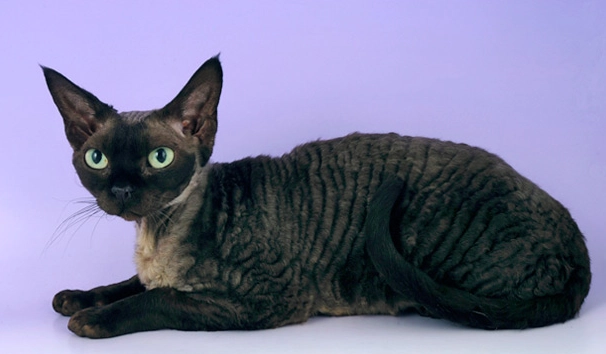
Their body is slender but surprisingly muscular. Think of a whippet. Those enormous ears, large oval eyes, and short muzzle complete the otherworldly look. But the magic really starts when they move.
Personality-wise, forget aloof cat stereotypes. The Devon Rex is a dog in a cat's body, but with better climbing skills. They are profoundly social. I mean, profoundly. Leaving one alone for long hours is a recipe for a bored, unhappy cat who might get destructive. They follow you from room to room, want to be involved in everything—cooking, working, showering (yes, many love water). They're often described as "monkey cats" for their dexterous paws and habit of grabbing things.
A quick myth buster: Many sites label them as "hypoallergenic." This is misleading. No cat is truly hypoallergenic. Devon Rex cats produce less of the Fel d 1 protein (the common allergen) because they have less fur to trap it. However, they still produce saliva and dander that contain the allergen. If you have severe allergies, spend time with one before committing. I've seen hopeful adopters have to rehome because they believed the "hypoallergenic" hype without testing it.
Their temperament is playful, mischievous, and incredibly affectionate. They love to be warm, so expect to find them burrowed under blankets, perched on top of computers, or nestled against you. That slender frame belies a furnace-like body temperature.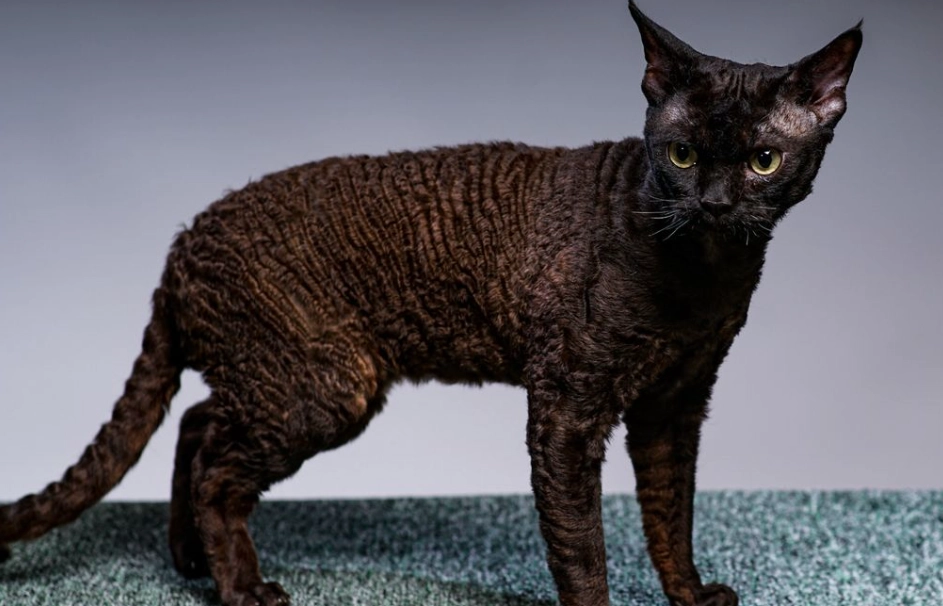
The Real Deal on Grooming a Black Devon Rex
Here's where I see new owners make the biggest mistake. They think, "Less fur, less grooming." Wrong. The Devon Rex coat requires a specific, consistent routine. Their skin produces oils, but without a full undercoat to absorb it, the oil can build up on the skin and hair. This leads to a greasy feel, clogged pores, and a condition called "stud tail" (a greasy, waxy patch at the base of the tail). On a black coat, this can also attract dirt, making the fur look dingy.
The Bathing Routine (Yes, Really)
Most Devon Rex need a bath every 4 to 6 weeks. I know, bathing a cat sounds like a nightmare. Start young, go slow, use treats. Use a gentle, cat-specific shampoo. A clarifying shampoo once in a while can help cut through the grease. Rinse thoroughly. The key is to dry them completely and keep them warm—a drafty, damp Devon Rex is a miserable one. I use a warm towel and sometimes a hair dryer on the lowest, coolest setting held at a distance.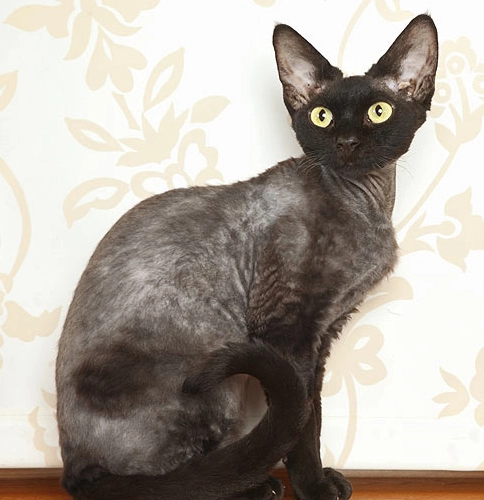
Ear and Paw Care
Those huge ears are dirt magnets. Check them weekly. You'll likely see a dark, waxy buildup. Clean gently with a vet-recommended ear cleaner on a cotton pad. Don't go digging deep. Their paws can also get greasy and collect litter. Wiping them with a pet-safe wipe now and then keeps your sheets cleaner.
Brushing? Use a very soft bristle brush or even a chamois cloth once a week to distribute oils and remove loose hairs. Never use a harsh de-shedding tool; you'll damage their delicate coat.
Health Considerations You Must Know
Devon Rex are generally healthy, but their unique genetics come with a few predispositions. A responsible breeder will screen for these. This isn't meant to scare you, but to prepare you.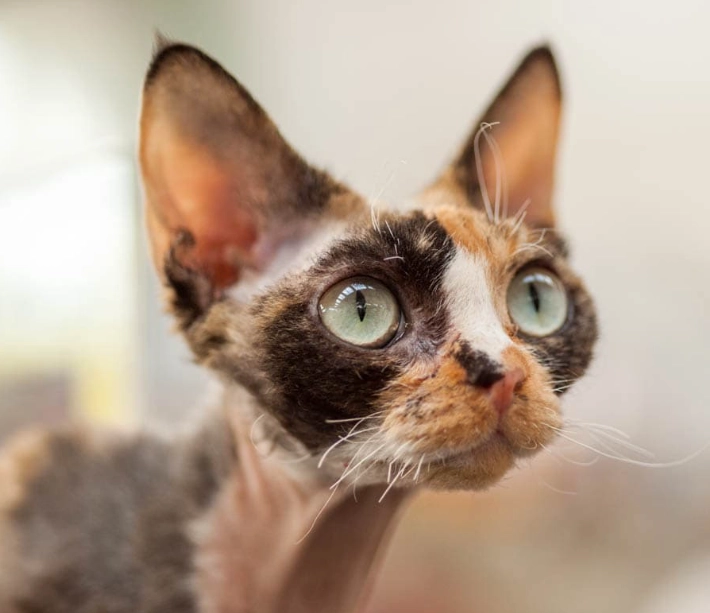
| Condition | What It Is | What to Look For / Do |
|---|---|---|
| Hypertrophic Cardiomyopathy (HCM) | A form of heart disease where the heart muscle thickens. | Ask breeders for proof of annual echocardiogram screenings of the parents. A murmur may be the first sign. |
| Patellar Luxation | The kneecap slips out of place. | Watch for occasional skipping or holding a hind leg up. Mild cases often need no treatment; severe ones may require surgery. |
| Hereditary Myopathy | A muscle weakness disorder, now rare in well-bred lines. | Signs include a stiff gait, head bobbing, and fatigue. Reputable breeders test for it. |
| Skin Conditions | Urticaria pigmentosa (skin lesions) or general oiliness. | Regular bathing and diet management are key. Consult a vet for persistent issues. |
Their fine coat also means they get cold easily and can sunburn. Keep them indoors, provide warm sleeping spots, and if they enjoy a sunny window, consider a pet-safe sunscreen for their ears and nose.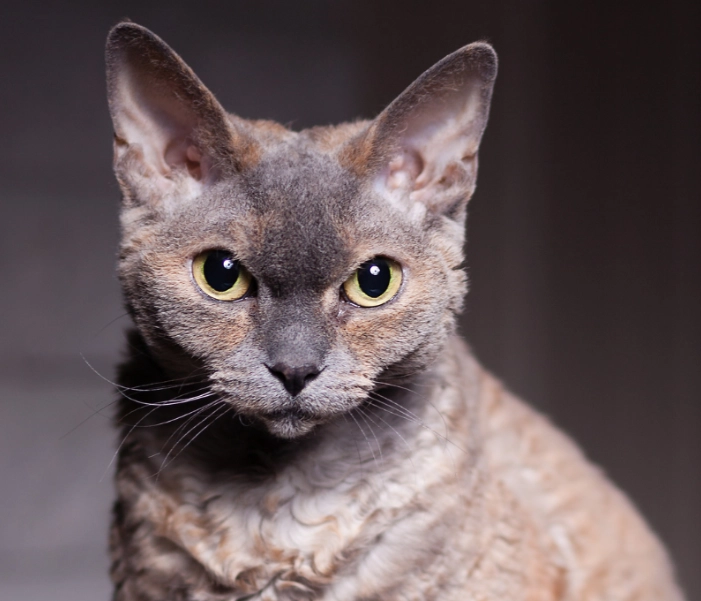
Finding Your Black Devon Rex: Breeder vs. Rescue
Solid black is a standard and beautiful color in the breed. You have two main paths.
Going Through a Breeder: This is the most common route for a kitten. Do not just Google and pick the first one. A good breeder's priority is health and temperament, not color. They will be registered with a major cat registry like The Cat Fanciers' Association (CFA) or The International Cat Association (TICA). They will:
- Welcome visits to their home.
- Show you health clearances for HCM and genetic tests.
- Ask you as many questions as you ask them.
- Keep kittens until at least 12-16 weeks old.
- Have a contract outlining health guarantees and requiring spay/neuter.
If a breeder only talks about the rare "black" color and has kittens available immediately, red flag.
Adoption & Rescue: Purebred cats do end up in shelters and breed-specific rescues. Organizations like Devon Rex Rescue (often regional groups on social media) specialize in rehoming these cats. An adult cat can be a wonderful choice—their personality is fully formed, and you're giving a home to one in need. The downside is that finding a specific color like solid black might require patience.
Making It Work: Life with Your Pixie Cat
So you've got your black bundle of energy. Here's how to set up for success.
Environment: They are climbers and jumpers. Invest in tall, sturdy cat trees. Clear shelves they can use as highways. Provide puzzle toys and rotate toys to keep their sharp minds engaged. They learn tricks easily—clicker training is fantastic for them.
Companionship: If you work long hours, seriously consider getting two. They often do better with a feline friend. Another Devon Rex is ideal, but a social cat of another breed can work. Introduce them slowly.
Diet: A high-quality diet supports their high metabolism and can impact skin health. Some owners find that diets rich in omega-3s help keep the coat less greasy. Talk to your vet.
Living with a Devon Rex is a commitment to interaction. It's not a pet you ignore. But the payoff is a companion who greets you at the door, sleeps on your head, and makes you laugh every single day.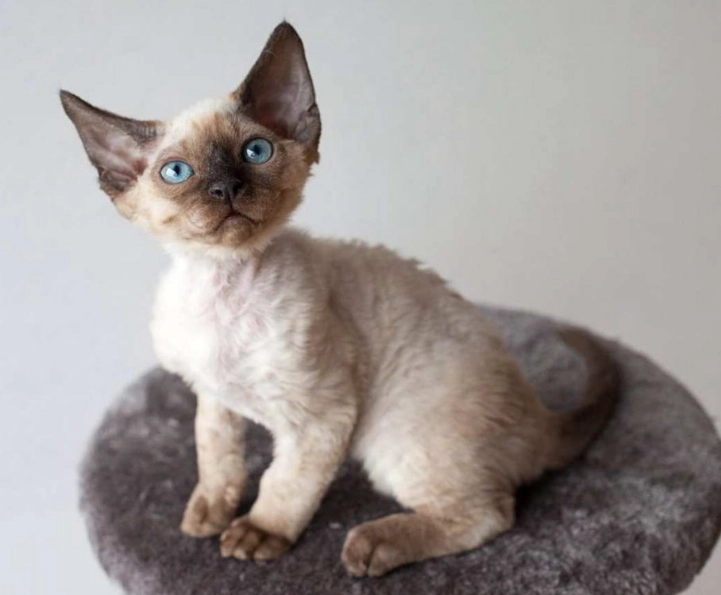
Your Black Devon Rex Questions Answered
Will the black color on my Devon Rex fade or turn rusty?
Direct sunlight can cause a process called "rusting" where the black pigment oxidizes, leading to brownish or reddish highlights, especially on the tips of the fur. This is cosmetic and doesn't affect health. Keeping your cat primarily indoors minimizes this. The color is in the hair shaft, so when the cat sheds and grows new fur, the new hair will be its original black (unless it continues to sunbathe).
My black Devon Rex seems to shed a lot of dark, fine dander. Is this normal?
Yes, this is common. Because they lack a full undercoat, the dead skin cells (dander) aren't trapped as effectively. Regular bathing helps immensely by washing away this dander and excess oil before it sheds onto your furniture. Using a humidifier can also help if your home air is dry, as dry skin exacerbates dander production.
Are black Devon Rex cats more expensive than other colors?
A reputable breeder should not charge a "color premium." Their pricing should be based on the overall quality of the kitten (conformation to breed standard, show potential), the health testing invested, and their care standards. If a breeder is advertising "rare black kittens" at a significantly higher price, be cautious. It can be a sign of a breeder more interested in trendy colors than breed health.
How do I keep my black Devon Rex's coat looking shiny and not greasy between baths?
Diet is the first lever to pull. A high-quality diet with good fats can improve skin and coat quality from the inside. On the outside, use a chamois cloth or a piece of silk to gently rub down your cat every few days. This removes surface dirt and distributes oils more evenly, giving a healthier shine. For quick touch-ups on paws or the back, unscented, alcohol-free pet wipes are a lifesaver.
Is it true Devon Rex are fragile because they're so slender?
Not at all. They are surprisingly sturdy and muscular. However, their fine bones mean you should discourage rough play with much larger pets or young children who might not handle them gently. They are agile and resilient but not indestructible. Their real fragility is often thermal—they chill quickly—and sometimes digestive, as some have sensitive stomachs.
The black Devon Rex is a captivating creature. That sleek, curly coat against bright green or gold eyes is a showstopper. But the real beauty is in their relentless curiosity, their deep need for connection, and the sheer joy they bring into a home. They're not a low-maintenance pet, but for the right person, the maintenance is a labor of love. You're not just getting a cat with cool hair; you're getting a shadow, a comedian, and a lifelong friend who happens to look like they came from a fairy tale.