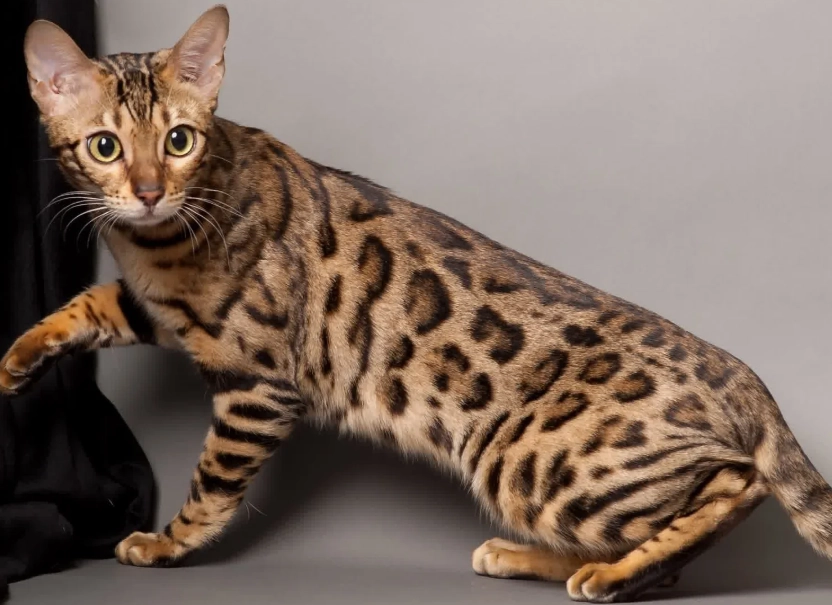
Let's cut to the chase. You're drawn to the Bengal cat's stunning, wild appearance—those rosettes, that glittering coat. But you've also heard the stories. The energy. The mischief. The 4 AM yowls. Is the Bengal cat personality a beautiful nightmare or the most engaging companion you'll ever have? The truth is, it's a breathtaking blend of both, and whether it's a perfect match depends entirely on your lifestyle. I've lived with Bengals for over a decade, and I'm here to strip away the myths and give you the unvarnished, practical reality.
Forget the generic "they're active and smart" description. We're going deeper. A Bengal isn't just a pet; it's a lifestyle commitment. Their personality is a direct result of their unique ancestry (a hybrid of the domestic cat and the Asian Leopard Cat) and demands a specific kind of understanding. Get it right, and you have a loyal, dog-like friend who plays fetch and follows you everywhere. Get it wrong, and you'll be dealing with a frustrated, destructive genius.
What You'll Find Inside
The Core Bengal Personality: More Than Just Energy
Yes, they're energetic. But that's like saying a Ferrari has an engine. It's the quality of that energy that defines them. A Bengal's drive is purposeful, curious, and interactive. They don't just run; they investigate, manipulate, and problem-solve.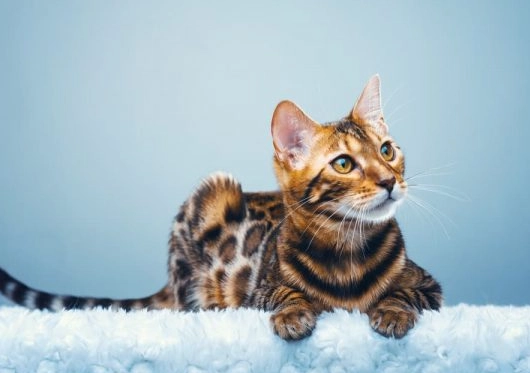
I remember finding my Bengal, Leo, sitting on the kitchen counter one morning. He hadn't jumped up for no reason. He had systematically batted a sponge off the sink, onto the floor, and was now using it to pat at a drip from the faucet. He wasn't being bad; he was engineering a water game.
Here’s a breakdown of the key traits that create the full picture:
| Trait | What It Looks Like | The Common Misunderstanding |
|---|---|---|
| High Intelligence | Opens doors, drawers. Learns tricks (fetch, high-five) quickly. Remembers where treats are hidden. | Owners often mistake this for "spite." The cat isn't being vindictive; it's using its brain to access resources or entertainment. |
| Intense Curiosity | Must be involved in everything—cooking, typing, showering. Follows you room-to-room. | This can be seen as "needy" or "clingy." For a Bengal, it's participatory. You are the most interesting thing in their environment. |
| Vocal Communication | A wide range of sounds: chirps, trills, meows, and loud, conversational yowls. | People think a loud cat is an unhappy cat. For Bengals, vocalizing is just talking. The tone and context matter more than the volume. |
| Water Fascination | Plays with dripping taps, may join you in the shower or bathtub, paws at water bowls. | Not all Bengals do this, but it's common enough to be a breed hallmark. It's linked to their wild ancestors who often lived near waterways. |
| Strong Play Drive | Retains kitten-like playfulness well into adulthood. Requires interactive, predatory-style play daily. | This is where most owners fail. A wand toy waved lazily for 2 minutes won't cut it. They need a simulated "hunt" that ends with a "capture." |
The biggest mistake I see new owners make? They provide physical space but not mental occupation. A Bengal in a large, boring apartment is more stressed than a Bengal in a smaller, enriched home.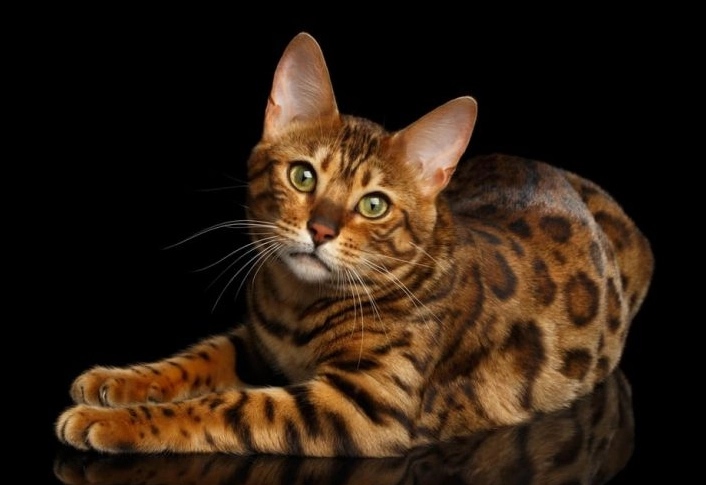
Are Bengal Cats Good Family Pets?
This depends heavily on the family's composition and rhythm.
With Children
Bengals can be fantastic with respectful, older children (think 8+ years) who understand how to interact with an active, sensitive animal. The cat will likely see energetic kids as fun playmates. However, they are not typically "lap cats" who will tolerate prolonged, restrictive cuddling from toddlers. A Bengal will simply leave if bothered, but a cornered one might swat. Supervision and teaching kids to read cat body language are non-negotiable.
With Other Pets
With other cats: A Bengal often does best with a feline companion of similar energy levels. Introducing a lazy, senior cat to a Bengal kitten is a recipe for annoyance (for both). Another active breed or a young, playful cat can be a great match, providing social play and companionship. Proper, slow introductions are critical. Resources from organizations like the International Cat Association (TICA) offer great guidance on this process.
With dogs: Surprisingly good, often better than with some cats. Bengals frequently display dog-like behaviors, and many form strong bonds with canine friends, especially dog breeds known for being cat-tolerant. The key, again, is a calm, positive introduction and a dog that doesn't have a high prey drive.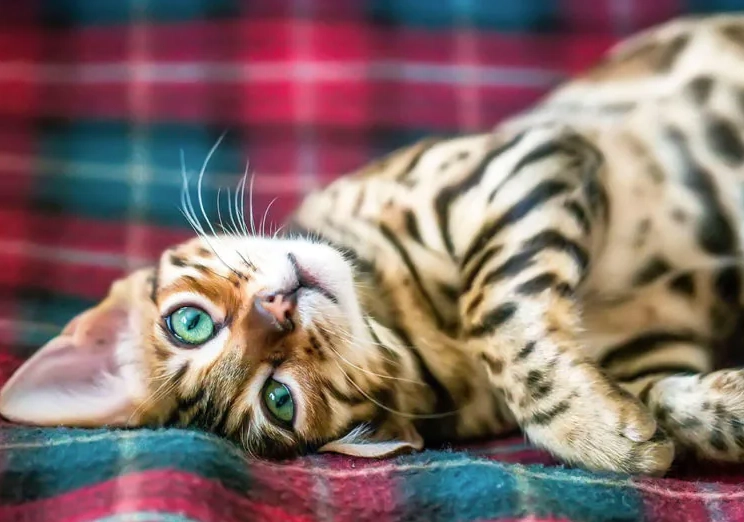
How to Manage a Bengal Cat's High Energy (The Right Way)
Managing a Bengal isn't about suppression; it's about channeling. You need to become their activities director.
1. Scheduled, Interactive Play Sessions: Two 20-30 minute sessions per day are the bare minimum. Use wand toys that mimic prey (feathers, furry lures). Make them dart, hide, and jump. The session must end with the cat "catching" the toy. Then, give a small treat or meal. This completes the hunt-catch-eat-groom-sleep cycle.
2. Environmental Enrichment is King:
Vertical space: Cat trees, wall shelves, and tall perches are not optional. Bengals love to survey their domain from up high.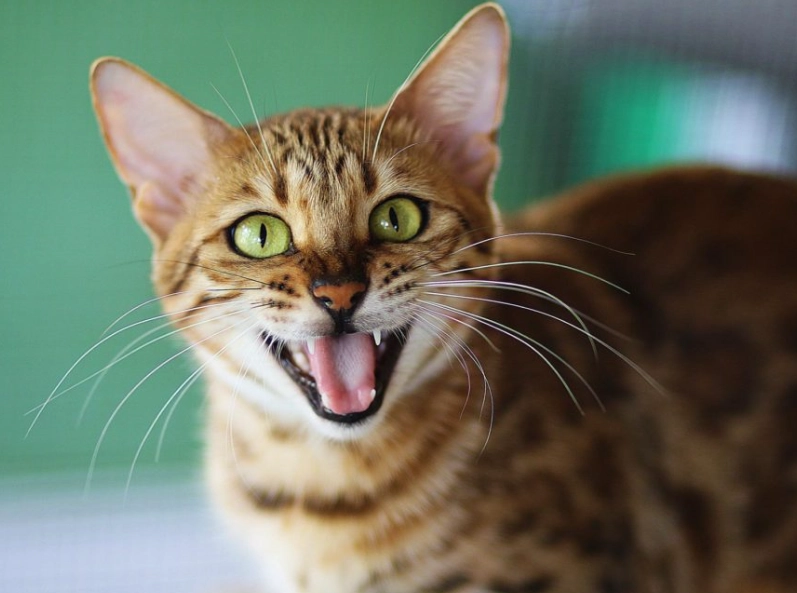
Puzzle feeders: Ditch the food bowl. Use food puzzles, snuffle mats, or hide kibble around the house. Make them work for every meal.
Rotating toys: Have a toy box and rotate toys weekly. A "new" old toy is exciting again.
3. Clicker Training: This is a game-changer. It directly engages their problem-solving brain. Teaching tricks like spin, high-five, or even walking on a harness provides immense mental stimulation. Studies in applied animal behavior science, like those discussed in the International Society for Applied Ethology resources, show that cognitive challenges significantly reduce problem behaviors in intelligent animals.
I trained my Bengal to ring a bell when he wanted to go into his secure catio. It stopped him from scratching the door and gave him a clear way to communicate.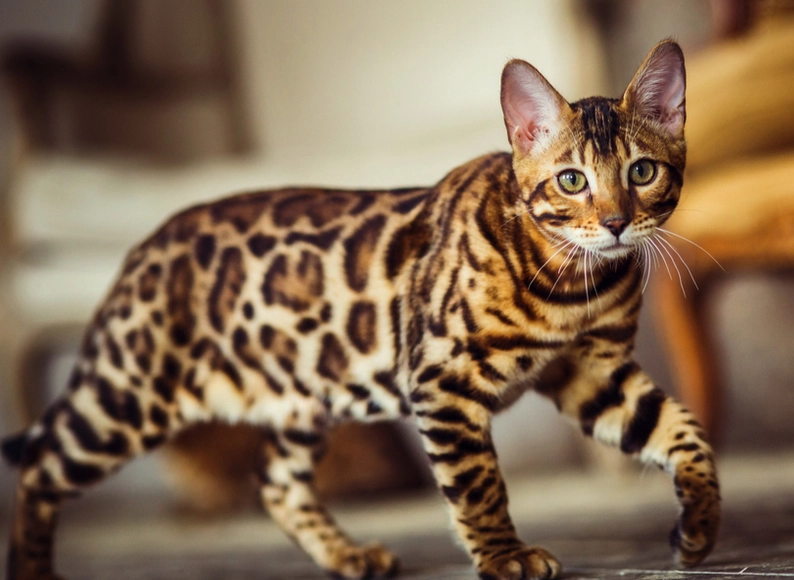
Navigating Common Bengal Behavior Challenges
Let's address the elephants in the room.
Destructive Scratching: They aren't destroying your sofa to be bad. They need to scratch for claw health, stretching, and marking. Provide multiple sturdy, appealing scratching posts (vertical and horizontal) placed near their favorite resting spots and near the furniture they target. Use catnip or pheromone spray on the posts. Trim claws regularly.
Excessive Vocalization: First, rule out medical issues with a vet. If it's behavioral, identify the trigger. Is it boredom at 5 PM? Pre-bedtime energy? Demand for food? Address the root cause (schedule a play session before the usual vocal time, use an auto-feeder) rather than yelling or feeding, which rewards the noise.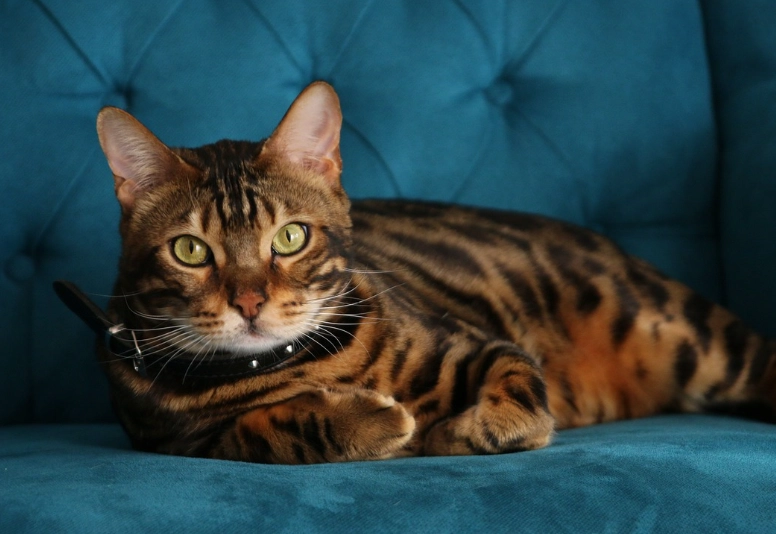
Is Your Home the Perfect Bengal Home? A Checklist
Don't just ask if you want a Bengal. Ask if you can provide what a Bengal needs.
The Ideal Bengal Owner:
- Has at least 1-2 hours daily for interactive play and engagement.
- Appreciates an interactive, "in-your-business" companion, not an aloof decor piece.
- Is patient and views "misbehavior" as a communication of unmet needs.
- Has a safe, stimulating environment (or is willing to create one).
- Isn't overly attached to pristine, breakable home decor.
The Less Suitable Home:
- Someone who is away from home 10+ hours a day with no pet sitter/companion.
- A household that desires a quiet, low-maintenance pet.
- Someone unwilling to invest in cat trees, puzzles, and quality toys.
- A home with very young children who don't yet understand animal boundaries.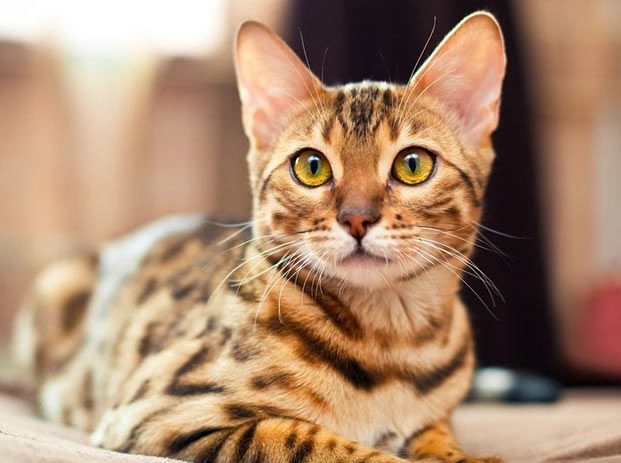
Your Bengal Personality Questions, Answered
Living with a Bengal cat is a commitment to active partnership. They give back every ounce of energy you invest, in the form of loyalty, hilarious antics, and a connection that feels more like having a tiny, spotted roommate than just a pet. If your life can accommodate their vibrant personality, you'll gain a truly extraordinary companion.
Just be ready for the water games. Seriously, you'll never shower alone again.