Ask anyone to picture a Himalayan cat, and they'll likely describe a fluffy white cat with dark "points" on its face, ears, paws, and tail. But that's just the classic look—the iconic seal point. The truth is, the Himalayan color palette is surprisingly diverse and governed by fascinating genetics. Whether you're choosing a kitten, trying to predict how your cat's coat will change, or just curious about what makes these cats so visually stunning, understanding Himalayan cat colors is key.
What You’ll Discover in This Guide
The Official Himalayan Cat Color Spectrum
Major cat registries like the Cat Fanciers' Association (CFA) and The International Cat Association (TICA) recognize a specific set of point colors for Himalayans. It's not a free-for-all. The colors are defined by the pigment in the points, while the body remains a lighter, contrasting shade. The body color is cream or off-white, but its exact warmth can be influenced by the point color.
Here’s the breakdown of the accepted Himalayan color points you'll find from reputable breeders.
| Color Point Name | Point Color Description | Body Color | Nose Leather & Paw Pads |
|---|---|---|---|
| Seal Point | Deep, dark brown, almost black. | Pale fawn to cream. | Dark brown. |
| Chocolate Point | Milk chocolate brown, noticeably lighter than seal. | Ivory white. | Cinnamon or pinkish-brown. |
| Blue Point | Slate blue-gray, a diluted version of seal. | Bluish white or glacial white. | Slate gray. |
| Lilac Point | Frosty gray with a pinkish tone, a diluted version of chocolate. | Magnolia white (cold white). | Lavender-pink. |
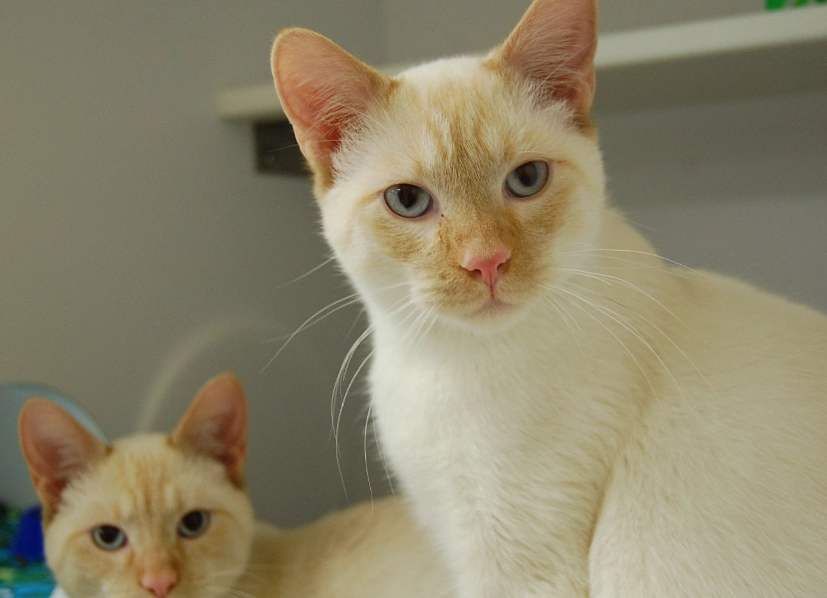
| Flame (Red) Point | Bright orange-ginger to deep red. | White to pale cream. | Pink. |
| Cream Point | Pale buff cream, a diluted version of flame. | White to pale cream. | Pink. |
| Tortie Point | A mix of two colors (e.g., seal and red) patched on the points. | Pale cream. Body may show faint "ghost" markings. | Matches point colors, often mottled. |
| Blue-Cream Point | A mix of blue and cream patched on the points. | Bluish white or glacial white. | Matches point colors, often mottled. |
One nuance most pet owners miss is the lynx point (or tabby point). This isn't a separate color but a pattern superimposed on any of the colors above. A seal lynx point has the dark brown points, but with distinctive tabby "M" markings on the forehead and stripes on the legs and tail. It's less common in traditional Himalayan lines but recognized and absolutely breathtaking.
Quick Tip on Choosing a Kitten: The points on a very young kitten are barely visible. A seal point newborn might look almost all white. The color develops over the first few weeks as the cooler extremities (the points) allow the pigment to express. Don't be surprised if the breeder's predictions become clearer around 2-3 weeks of age.
How Himalayan Cat Color Genetics Actually Work
Let's move past the simple "they're part Siamese" explanation. The Himalayan pattern is the result of a temperature-sensitive albinism gene. It's a recessive gene, meaning a cat needs two copies (one from each parent) to show the pointed pattern.
Here’s the core mechanism: The enzyme responsible for producing pigment (melanin) is only active in cooler areas of the body. In the womb, it's uniformly warm, so all Himalayan kittens are born white. After birth, the ears, nose, paws, and tail—being cooler—allow the enzyme to work, darkening those areas.
The Two-Layer System: Base Color and Dilution
Think of coat color in two layers. The base color is either black-based (which gives us seal) or chocolate-based. A separate dilution gene then lightens that pigment. One copy of the dilution gene has no effect; two copies lighten black to blue and chocolate to lilac.
That's why you get these pairs:
- Seal (black-based, not diluted) → Blue (black-based, diluted).
- Chocolate (chocolate-based, not diluted) → Lilac (chocolate-based, diluted).
The red/cream colors work on a different genetic pathway (linked to the X chromosome), which is why they appear in tortoiseshell (tortie) combinations almost exclusively in females. A male tortie point Himalayan is an extreme rarity and usually sterile.
I've seen breeders get tripped up predicting litter colors when tortie or lynx patterns are in the family tree. It's not as simple as Punnett squares from high school biology. If you're looking at a litter from a blue-cream point queen and a seal point male, the color possibilities explode—you could get seal, blue, seal-tortie, blue-cream, and more, depending on the hidden genes each parent carries.
Why Your Himalayan's Color Changes With Age
Your Himalayan won't stay the same color its whole life. This is normal, but the extent can worry new owners. The body color, which is supposed to stay light, often darkens with age. A two-year-old seal point will have a noticeably darker, warmer beige body than it did as a one-year-old.
Why? Ambient temperature and individual metabolism play a role. An older, less active cat may have a slightly lower core body temperature, allowing a bit more pigment production over its torso. More practically, sun exposure is a huge factor. Sunbathing will cause "sun bleaching" on the tips of the fur (making reds look brighter) but can also trigger melanin production in the skin, leading to a darker overall coat over time.
The single biggest visual change, though, is seasonal. In colder climates, the points will become much more intense and darker in the winter. I had a blue point who looked like a pale, frosty princess in July, but by January, her points were a deep, dramatic slate gray. Her body also took on a slightly darker cast. Come spring, as she spent more time in warmer parts of the house, she lightened up again. It's a living, breathing color display.
Grooming & Care Tips Specific to Coat Color
All Himalayans need daily grooming to prevent mats. But color-specific care is a real thing that most guides gloss over.
For Light-Colored Points (Lilac, Cream, Blue): Tear staining is your enemy. Their white body fur shows the reddish-brown tear stains more vividly. Daily wiping with a soft, damp cloth is non-negotiable. I recommend using filtered or distilled water, as minerals in tap water can worsen the staining. Also, check their paws after they use the litter box—light fur picks up litter dust and dirt instantly.
For Dark-Colored Points (Seal, Chocolate): The issue isn't stains, it's visibility. You might not see a small mat starting in the dense, dark fur of a seal point's ruff until it's a major problem. Use your fingers to feel through the undercoat near the skin during grooming sessions, don't just brush the surface. Their shed hair is also more visible on furniture and dark clothing, ironically.
For Red and Cream Points: Sun exposure can dramatically alter their color. If you want to maintain that bright, clear apricot hue on a flame point, limit direct, prolonged sunbathing. It can cause the red pigment to fade or become brassy. Some owners even use pet-safe sunscreen on the ears.
A common mistake is using whitening shampoos on the body of a seal point to "brighten" it. This often results in a weird, patchy, purple-tinged coat that looks unnatural and can dry out the skin. Embrace the warm cream body color—it's part of the standard.
Your Top Questions on Himalayan Colors Answered
I want a white-looking Himalayan. Should I choose a lilac point or a blue point?
Go for a lilac point. While both have cool-toned white bodies, the lilac point's body color is described as "magnolia"—a colder, purer white. The blue point's body is a "bluish white," which often has a faint, cool beige undertone that can make it look slightly less purely white, especially in certain lights. The lilac's points are also a softer, frostier gray-pink, creating a more delicate overall contrast than the stronger slate gray of the blue points.
My seal point kitten had faint stripes on its tail that disappeared. Was it a lynx point?
Probably not. Many solid-color pointed kittens show faint "ghost striping" as their points develop. This is a residual tabby pattern that typically fades completely as the pigment fills in, usually by 6-8 months. A true lynx point will retain and sharpen those markings—the "M" on the forehead will be clear, and the stripes on the legs and tail will remain distinct against the colored point. The ghost striping is just a quirk of the pigment development process.
Can two cream point Himalayans have a flame point kitten?
No, they cannot. Cream is the diluted form of red/flame. For a kitten to be a flame point, it must inherit the non-dilute gene for red pigment from both parents. Since both cream point parents carry two copies of the dilution gene, they can only pass on the dilution gene. All their kittens will be cream point (or cream tortie if other genes are involved), as they will also have two copies of the dilution gene. To get a flame point, at least one parent must be flame point or carry the non-dilute red gene.
My chocolate point's nose leather is more pink than brown. Does this mean it's not purebred?
Not at all. In fact, a pinkish-brown or cinnamon nose leather is part of the breed standard for chocolate points. The nose leather should complement the milk-chocolate points, not match the dark brown of a seal point. A pure, dark brown nose on a cat with clearly chocolate-colored points would actually be a fault. This is a key detail breeders look for when evaluating color. Your cat's pinkish nose is a sign of correct chocolate point pigmentation.