Picture a cat that moves with the quiet grace of a snowflake, has a coat as white as fresh powder, and watches the world with brilliant green eyes that seem to hold a secret. That's the Russian White, a breed that feels more like a living work of art than a pet. But behind that stunning exterior lies a specific, and sometimes misunderstood, feline personality. I've been around cats for decades, and I can tell you, this isn't just another white cat. It's a deliberate creation with quirks and needs that many generic breed guides gloss over.
Let's get one thing straight from the start: if you're looking for a lap cat that will demand cuddles 24/7 or a playful clown that entertains your guests, you might want to keep looking. The Russian White offers a different kind of reward—a deep, quiet bond built on mutual respect and serene companionship.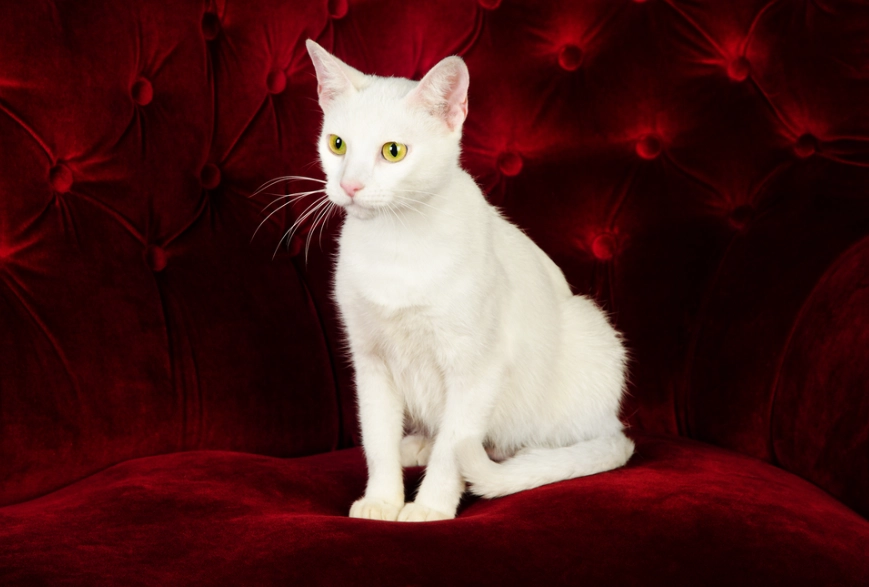
What You'll Discover
Where Did This Breed Actually Come From?
This is where things get interesting. The Russian White isn't an ancient breed discovered in the wilds of Siberia. It's a modern, purpose-bred cat with a very clear family tree. The story begins in the 1970s, primarily in Australia and the UK. Breeders took the solid foundation of the Russian Blue—known for its robust health, gentle temperament, and that famous plush double coat—and introduced the white color through careful outcrossing.
The goal wasn't just a white cat. It was to preserve everything great about the Russian Blue—the temperament, the body structure, the coat texture—but in a snowy package. This targeted breeding is crucial. It means the Russian White inherits the Russian Blue's generally good health and predictable personality, unlike some white cats who are simply random-bred domestics with a color gene.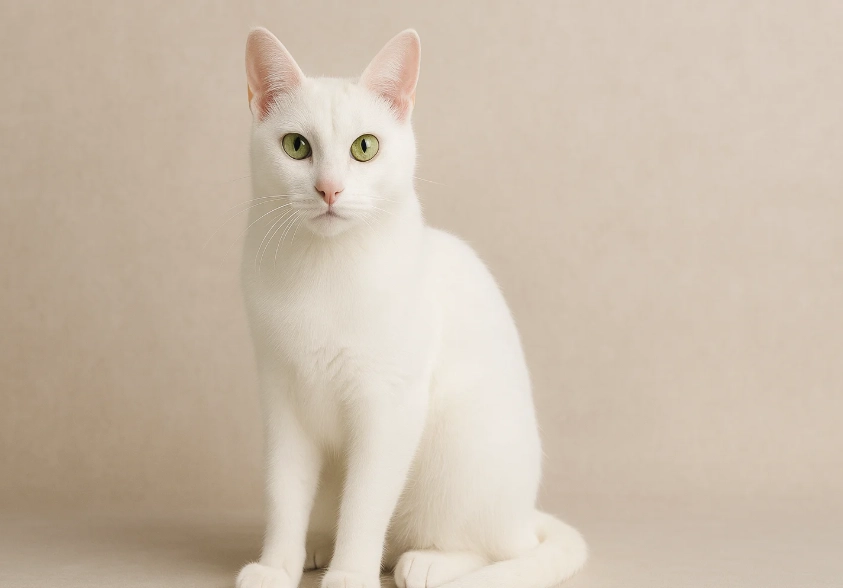
A Quick Note on Names
You might also see them called "Russian White (Foreign Type)" in some registries. Don't let the jargon confuse you. "Foreign Type" refers to their sleek, muscular build—elegant but not delicate. They are distinct from the fluffier, rounder "British" or "American" types of white cats.
Beyond the White Coat: Looks & The Real Personality
Okay, let's talk about what you're really getting into.
The Physical Hallmarks
The coat is the star. It's a pure, brilliant white without any tinge of yellow or cream. It should feel dense and plush to the touch—a legacy of that Russian Blue undercoat. They are medium-sized cats, but feel heavier than they look because they're solid muscle wrapped in that thick fur. The eyes are another signature feature: a vivid, striking green that develops as they mature from kittens.
Here’s a quick comparison to other popular white breeds, because context matters:
| Breed | Coat Type | Typical Eye Color | Key Temperament Note |
|---|---|---|---|
| Russian White | Short, dense, plush double coat | Vivid Green | Quiet, reserved, loyal to family |
| Turkish Angora | Long, silky, single coat | Blue, Green, Amber/Odd-eyed | Active, playful, vocal, "busybody" |
| Khao Manee | Short, close-lying | Always Blue/Odd-eyed | Extremely social, dog-like, chatty |
| Domestic White Shorthair | Varies widely | Varies (often blue/orange) | No predictable personality |
The Personality: It's Not Aloofness, It's Selectivity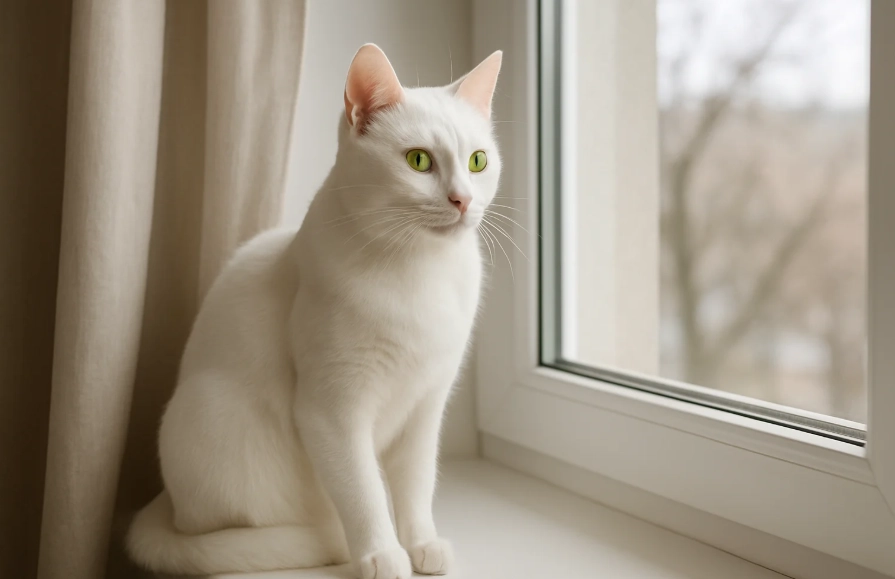
This is the most important section. The Russian White personality is a study in contrasts. They are often labeled "shy" or "reserved," but that's a shallow read. In my experience, they are highly observant and selective. In a busy, noisy household, they will likely find a high perch and watch the chaos unfold, only engaging when things calm down. They form intense, devoted bonds with their immediate family but may politely ignore visitors.
They are not yellers. Their voice is a soft chirp or trill, used sparingly. They communicate more with their eyes and by simply placing themselves near you. A Russian White sitting in the doorway of the room you're in isn't being random—that's a clear, quiet request for your company.
A common mistake new owners make is trying to force interaction. Picking them up for uninvited cuddles when they're not in the mood is a surefire way to make them avoid you. The relationship is on their terms, which, when respected, leads to a cat that seeks you out for gentle head-butts and will sleep curled against your legs every night.
How to Care for a Russian White Cat
Caring for them is straightforward, but has specific nuances.
Grooming: Less is More (Usually)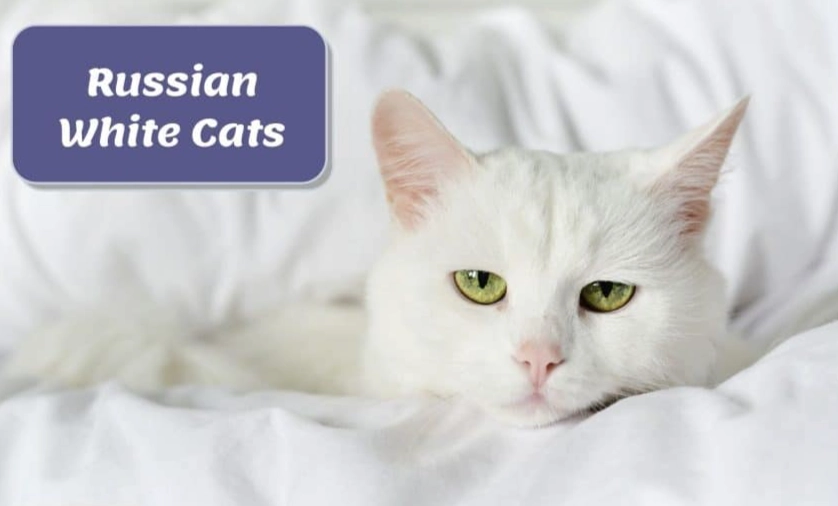
That dense coat needs weekly brushing with a fine-toothed comb or a slicker brush to remove dead hair and distribute skin oils. During seasonal sheds, you might need to do this twice a week. The biggest grooming error I see? Over-bathing. You almost never need to bathe a Russian White. Their coat tends to stay clean, and frequent baths can strip essential oils, leading to dry skin. A wipe-down with a damp cloth is usually sufficient for any minor mess.
Diet & Exercise: The Steady Routine
They are not hyperactive, but they are athletes. They enjoy short, intense play sessions—think chasing a wand toy or a laser pointer (always end with a physical toy to "catch"). Puzzle feeders are fantastic for their intelligent minds. As for diet, a high-quality protein-rich food is key. Because they are a muscular breed, maintaining lean muscle mass is important for joint health as they age. Avoid free-feeding; measured meals are better.
Environment: Creating a Serene Sanctuary
Think like a Russian White. They value:
- Vertical Space: Cat trees, wall shelves, and secure window perches are non-negotiable. They feel safe up high.
- Quiet Corners: Ensure they have a retreat, like a cozy cat bed in a spare room or under a desk, where they won't be disturbed.
- Predictability: They thrive on routine. Feed, play, and clean the litter box at roughly the same times each day.
Lifespan & Health: What Breeders Don't Always Mention
Thanks to the robust Russian Blue genes, this is generally a very healthy breed with a lifespan of 15 to 20 years. There are no breed-specific genetic disorders that are widespread. However, you must be vigilant about two things that affect many cats, but are especially important here:
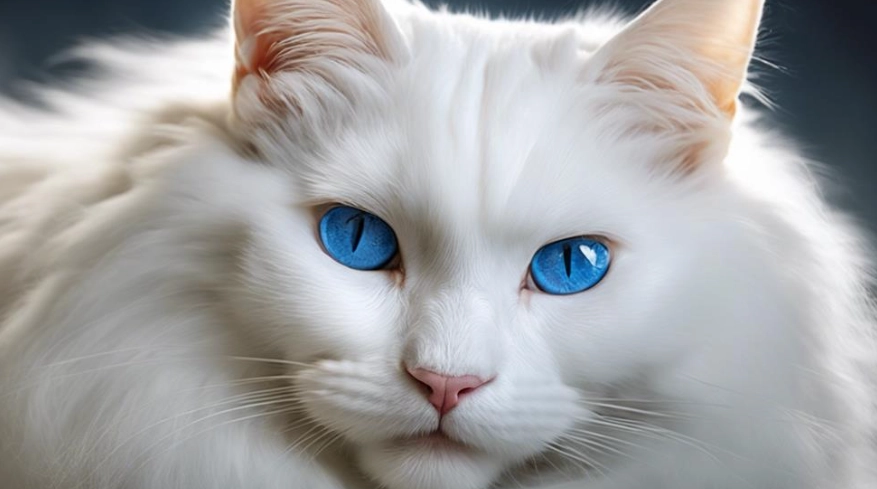
1. Deafness: The gene for a white coat is sometimes linked to congenital deafness, particularly in cats with blue eyes. Russian Whites have green eyes, which significantly lowers this risk, but it's not eliminated. A responsible breeder will have BAER-tested their breeding stock and kittens. Always ask for proof.
2. Sunburn & Skin Cancer: This is critical and under-discussed. That beautiful white skin under the thin fur on their ears, nose, and eyelids is highly susceptible to UV damage. If your cat enjoys sunbathing by a window, consider applying a pet-safe sunscreen to these areas. Better yet, provide sunny spots with filtered light or ensure they have shade. I've known of cats developing squamous cell carcinoma on their ears from years of unchecked sun exposure.
Finding a Russian White Kitten: A Realistic Guide
This is a rare breed. You will not find one at a local shelter (unless by a miraculous stroke of luck). You must go through a dedicated, ethical breeder. Here’s what that process really looks like:
- Be Prepared to Wait: Reputable breeders have waiting lists, often a year or more. This is a sign they care about proper placement, not quick sales.
- Cost: Expect to invest between $1,200 and $2,500 USD. This reflects the specialized breeding, health testing, and early care.
- The Interview Goes Both Ways: A good breeder will grill you about your home, lifestyle, and experience. They want to know their kitten is going to a suitable home. You should be asking them questions too: about genetic testing (specifically for deafness), the temperament of the parents, their vaccination and deworming protocol, and if they provide a health guarantee.
- Red Flags: A breeder who has multiple litters available immediately, sells kittens under 12-16 weeks old, doesn't ask you any questions, or won't let you visit the home (or at least do a thorough video call) should be avoided.
Start your search with cat registries like The International Cat Association (TICA) or the Cat Fanciers' Association (CFA) for their breeder directories.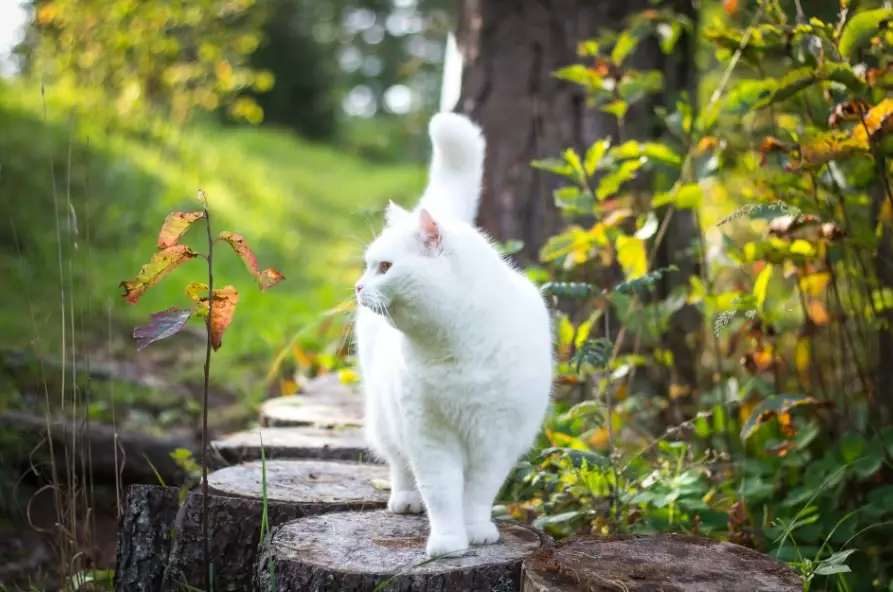
Your Top Questions Answered
Are Russian White cats truly hypoallergenic?
Let's clear this up. No cat is 100% hypoallergenic. The allergy trigger is usually a protein called Fel d 1, found in saliva and skin oils. Russian Whites, inheriting traits from Russian Blues, are reported to produce less of this protein. Many people with mild cat allergies tolerate them well. However, reactions are individual. Spending time with an adult Russian White before committing is the only way to know for sure. Don't rely on the label alone.
Is the Russian White cat a quiet breed?
Quiet is their default setting. They are not talkative and use soft sounds. But here's the nuance: a bored or neglected Russian White won't meow loudly for attention. Instead, they might develop subtle, frustrating habits like knocking items off shelves or refusing to use the litter box. Their "protest" is passive-aggressive, not vocal. Consistent, engaging play and routine are the antidotes.
What is the average lifespan of a Russian White cat?
With proper care, you're looking at a long-term companion for 15 to 20 years. Their robust genetic foundation contributes to this. The key to reaching the upper end is proactive care: an excellent diet, maintaining a healthy weight to avoid joint stress, annual vet check-ups, and most importantly, protecting those white ears from the sun as mentioned earlier.
How much does a Russian White kitten cost?
Due to rarity and ethical breeding costs, prices typically range from $1,200 to $2,500 USD. The price reflects health testing, quality care for the queen and kittens, and registration. A price far below this range is a major warning sign—it often means skipped health tests, poor living conditions, or the kitten isn't a pedigreed Russian White at all. The initial cost is just the start; budget for two decades of food, vet care, and insurance.
 So, is the Russian White the right cat for you? If you want a serene, elegant, and deeply loyal companion who prefers quiet evenings to chaotic parties, and you're willing to build trust on their terms, then this rare breed might just be your perfect feline soulmate. They're not for everyone, but for the right person, they are absolutely extraordinary.