What's Inside?
- Where Did These Giants Come From? History & Myths
- More Than Just Big: The Maine Coon Look Explained
- The "Gentle Giant" Personality: Myth or Reality?
- Living with a Maine Coon: The Practical Stuff (Cost, Care, Space)
- Maine Coon vs. The World: How Do They Compare?
- Thinking of Getting One? Your Pre-Purchase Checklist
- Final Thoughts: Is a Maine Coon Cat Right for You?
So you're thinking about getting a Maine Coon cat? Or maybe you just saw a picture of one online and your jaw dropped. I get it. The first time I met a full-grown Maine Coon in person, I honestly thought I was looking at a small lynx that had wandered into someone's living room. The sheer size, the tufted ears, that magnificent, flowing coat... it's a lot to take in. But here's the thing everyone says that's actually true: their personality is even bigger than they are.
This isn't just another cat breed article. I've spent years talking to breeders, owners, and veterinarians, and I've owned a Maine Coon mix myself (a story for later). There's a ton of misinformation and overly romanticized stuff out there. My goal here is to give you the real, unvarnished, practical scoop. The good, the bad, and the furry. We'll cover everything from their bizarre origin stories to how much you'll actually spend on food, and whether that "dog-like" personality is just a marketing myth.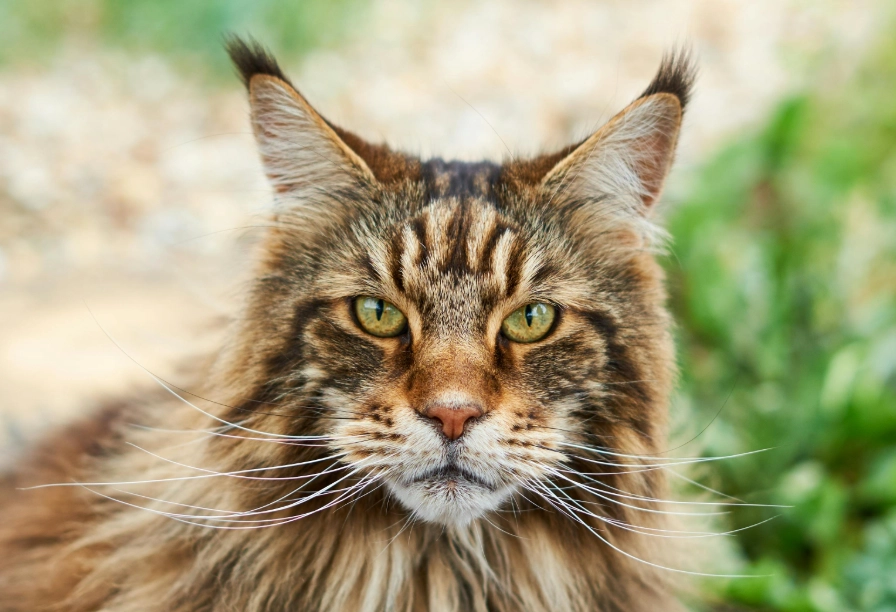
Where Did These Giants Come From? History & Myths
Let's start with the fun stuff—the legends. The Maine Coon cat is America's native longhair, hailing from (you guessed it) the state of Maine. But how did they get there? Nobody knows for sure, which of course means there are fantastic tales.
The most popular yarn involves Marie Antoinette. The story goes that as the French Revolution heated up, the doomed queen tried to escape to America with her prized possessions, which included six of her beloved Turkish Angora cats. She didn't make it, but the captain of the ship sailed to Wiscasset, Maine, with the cats, where they mingled with local shorthairs and created the breed. It's a great story, but most historians roll their eyes at it. Genetics point elsewhere.
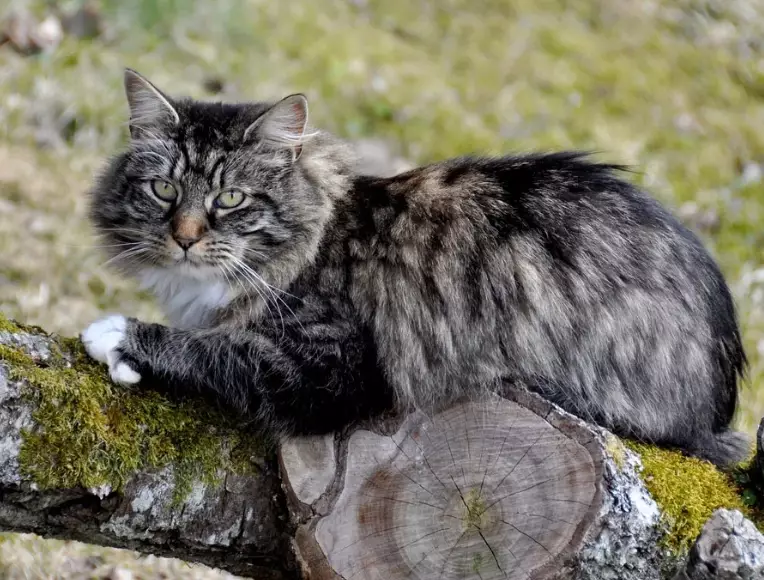
A more plausible, if less glamorous, theory involves seafaring traders in the 1700s and 1800s. Ships' cats, often long-haired breeds from Europe like the Norwegian Forest Cat (they look strikingly similar, don't they?), would come ashore in New England ports. These cats then bred with the existing domestic cat population. The harsh Northeastern winters did the rest of the work, favoring the biggest, hardiest cats with the thickest, water-shedding coats. Survival of the fittest, feline edition. The Cat Fanciers' Association (CFA) has a great, myth-busting page on their history that's worth a look if you're a history buff.
Think about it: a cat bred by nature, not by a person in a lab coat. That's the Maine Coon's origin story in a nutshell. It explains a lot about their robust health and adaptable nature.
They were the champions of the first American cat shows in the late 1800s. But when fancier, more "exotic" Persian and Siamese cats were imported, the humble Maine Coon fell out of fashion. They nearly vanished as a recognized breed. Thankfully, dedicated breeders in the 1950s fought to bring them back, and today, they're consistently one of the most popular cat breeds in the world. The International Cat Association (TICA) lists them as a perennial favorite in their registration statistics.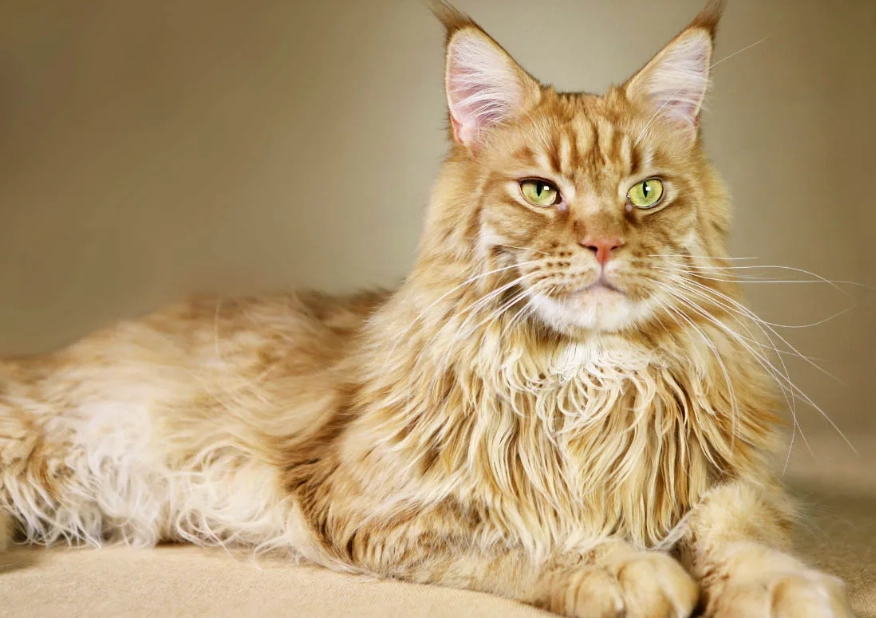
More Than Just Big: The Maine Coon Look Explained
Okay, let's talk about the elephant in the room. Or rather, the cat that's almost as big as some dogs. Size is the first thing you notice.
But size isn't everything. Their build is rectangular and muscular, not compact. They have a broad chest and substantial legs. Those famous paws are large, round, and tufted with fur (snowshoe paws, perfect for their ancestral winters). Their head is another distinctive feature—a square muzzle, high cheekbones, and large, expressive eyes that can be green, gold, or copper. Blue or odd eyes are possible in white cats.
And the ears! Those lynx-like tufts are a hallmark. The ears are large, wide at the base, and heavily furred inside and out.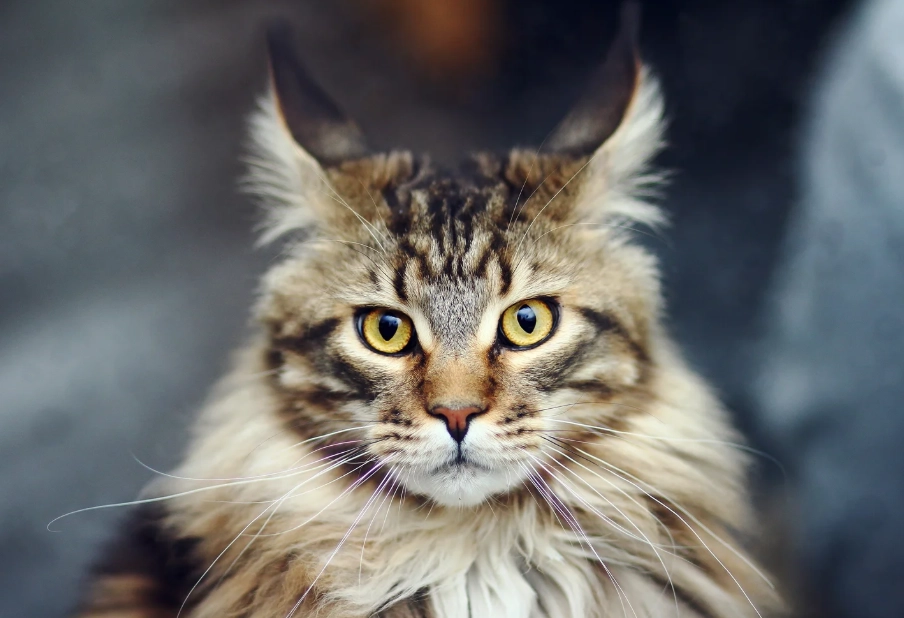
Coat & Color: A Rainbow of Options
Forget the idea that Maine Coons only come in brown tabby. Their coat is one of their most glorious features—long, silky, and water-resistant. It's shorter on the shoulders and longer on the stomach and britches (the fluffy hind legs). A magnificent ruff around the neck completes the lion-like look.
They come in virtually every color and pattern except for pointed patterns (like a Siamese). You'll see:
- Classic Tabby: The swirling "bullseye" pattern on the side.
- Mackerel Tabby: Vertical stripes running down the sides.
- Solid: Black, white, blue, red, cream.
- Smoke: A solid color with white roots.
- Tortoiseshell & Calico: Patches of red/cream and black/blue, often with white.
- Bi-color & Van: White with patches of another color.
My old cat was a black smoke Maine Coon mix. In the sun, you could see the silver undercoat shimmer through. Just stunning. But be warned—that stunning coat comes with a price: fur. Everywhere.
The "Gentle Giant" Personality: Myth or Reality?
This is where the Maine Coon cat truly shines. The "gentle giant" label is 100% earned in my experience. They are famously good-natured, adaptable, and people-oriented. But let's break that down beyond the cliché.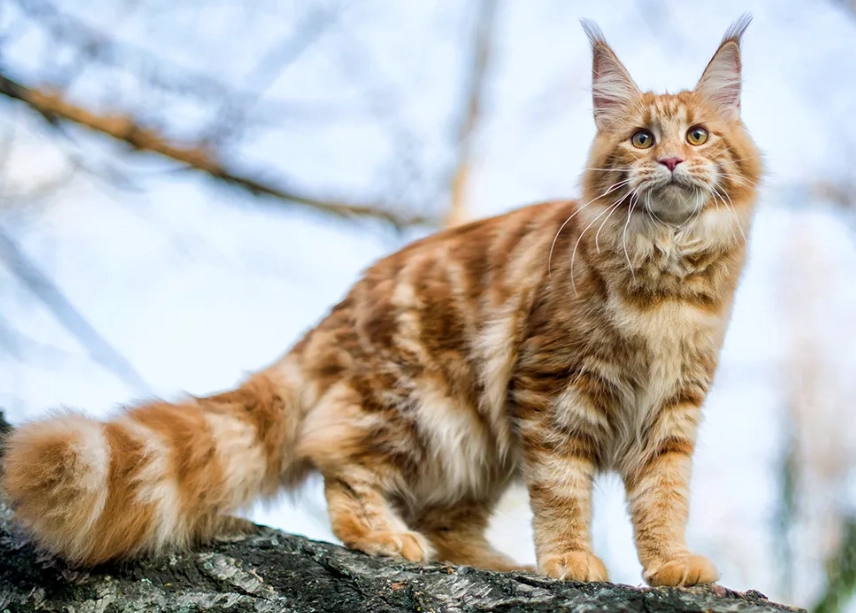
Key Personality Traits of a Maine Coon Cat:
- Highly Social, Not Needy: They want to be where you are—on the couch, in the office, supervising dinner prep—but they're not usually lap-cats in the traditional sense. They prefer to sit *beside* you or at your feet. Some defy this and are total cuddlebugs, though.
- Playful & Goofy: They retain their kitten-like playfulness well into adulthood. They love chasing toys, batting at feather wands, and will even play fetch. Watching a giant cat gallop after a ball is pure comedy.
- Intelligent & Trainable: This is the source of the "dog-like" comparison. They can learn tricks, come when called, and some even enjoy walking on a harness. They're problem-solvers. Don't be surprised if they figure out how to open cabinet doors.
- Generally Quiet: They are not a vocal breed like Siamese. They have a distinctive, soft chirp or trill that they use to communicate. It's adorable. You might get a full meow on occasion, but it's often more of a quiet squeak than a yowl.
- Good with Other Pets & Kids: Their easygoing nature usually makes them excellent family pets. They tend to get along with cat-friendly dogs and other cats. Their sturdy build means they can handle respectful, gentle children.
Are there downsides? A few. That intelligence can lead to mischief if they're bored. And while gentle, their size alone can be a hazard—they don't always know their own strength and can knock things over with a sweep of their bushy tail. I once saw one clear an entire coffee table with one happy tail wag.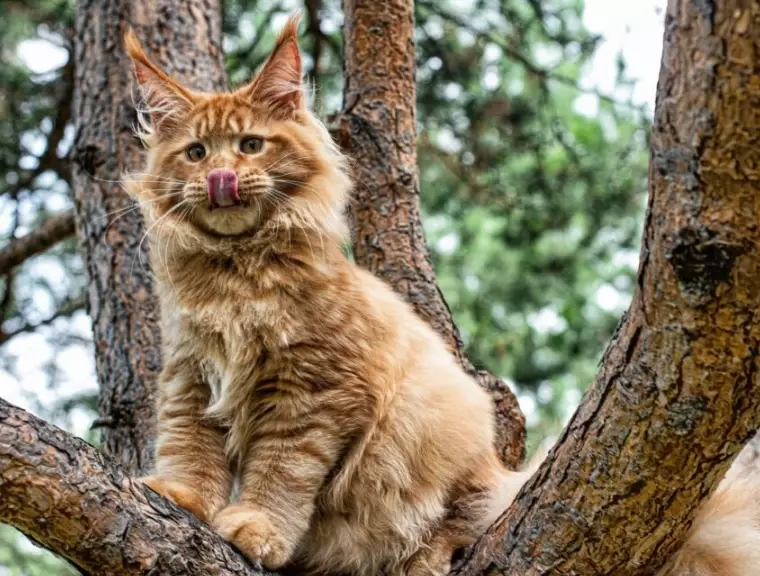
Living with a Maine Coon: The Practical Stuff (Cost, Care, Space)
This is the reality-check section. Loving the idea of a Maine Coon is easy. Being prepared for the reality is crucial.
Grooming: It's a Commitment
That gorgeous coat doesn't maintain itself. Unlike some longhairs, their coat is silky and less prone to matting, but it still requires regular attention.
- Brushing: A thorough brushing 2-3 times a week is essential. During shedding seasons (spring and fall), you might need to do it daily unless you want your home to look like a fur farm. A good steel comb and a slicker brush are your best friends.
- Bathing: Occasionally, a bath might be needed. Their water-resistant coat means they often don't mind water, but start them young. Use a cat-specific shampoo.
- Other Bits: Check those furry ears weekly. Keep nails trimmed. Pay attention to their "britches"—feces can sometimes get caught in the long fur if they have digestive issues.
Diet & Health: Fueling a Giant
A big cat needs good nutrition. You can't feed a Maine Coon the same portion as a regular domestic shorthair. They need high-quality, protein-rich food to support their muscle mass. Many owners and breeders recommend a diet that includes wet food to ensure good hydration, which supports urinary tract health. Portion control is still key to prevent obesity, which can sneak up on them.
Another breed-specific concern is Spinal Muscular Atrophy (SMA), a genetic disorder affecting the spinal cord. Responsible breeding has made this less common. They can also be prone to Polycystic Kidney Disease (PKD), though this is more associated with Persians.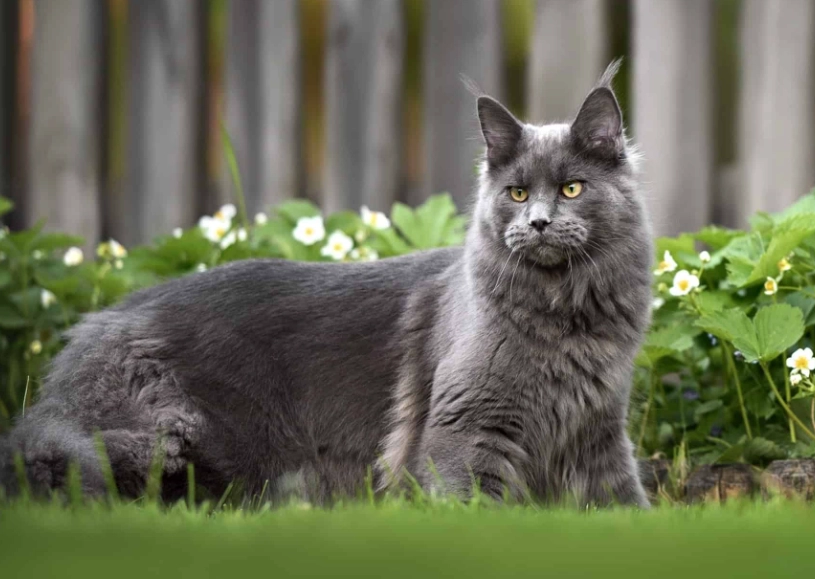
How Much Space Do They Really Need?
They are adaptable and can live in apartments, but they appreciate vertical space. A giant cat tree is not a luxury; it's a necessity. It gives them a place to climb, survey their kingdom, and scratch. Ensure your space has sturdy perches and scratching posts. They are active and playful, so you need to dedicate time and space for interactive play sessions every day.
Maine Coon vs. The World: How Do They Compare?
People often confuse Maine Coons with other large, fluffy breeds. Here’s a quick breakdown.
| Breed | Origin | Key Size Differentiator | Coat & Face | Typical Temperament |
|---|---|---|---|---|
| Maine Coon | USA (Maine) | Large, rectangular, muscular build. Slow to mature. | Long, silky, uneven coat. Square muzzle, lynx-tufted ears. | Gentle, playful, intelligent, dog-like, chirpy voice. |
| Norwegian Forest Cat | Norway | Also large, but may appear more "athletic" or leggy. | Long, dense, woolly undercoat. Triangular face, straight nose profile. | Sweet but can be more reserved, independent. Climbers. |
| Ragdoll | USA | Large, but with a softer, less muscular look. | Semi-long, plush, rabbit-like fur. Blue eyes, color-point pattern. | Extremely docile, floppy when held, very people-focused. |
| Domestic Longhair | Mixed | Varies widely. Usually medium build. | Long coat of any type. Facial features vary. | Varies completely based on individual personality. |
The main coon cat stands out for its combination of rugged, natural appearance and its exceptionally sociable and goofy brain.
Thinking of Getting One? Your Pre-Purchase Checklist
If you're seriously considering bringing a Maine Coon kitten into your home, please, do it right. This breed's popularity has attracted some terrible backyard breeders and kitten mills.
- Find a Reputable Breeder: This is non-negotiable. A good breeder:
- Prioritizes health testing (HCM ultrasound, hip evaluations, genetic testing for SMA/PKD) and shows you the certificates.
- Raises kittens underfoot in their home, not in a cage.
- Asks you as many questions as you ask them.
- Provides a health guarantee and a contract that requires you to return the cat to them if you can't keep it.
- Is registered with a major association like CFA or TICA. You can start your search on the CFA's breeder referral page or TICA's breeder list.
- Budget Realistically: A Maine Coon kitten from a reputable breeder typically costs between $1,500 and $3,500+. This reflects the cost of health testing, quality care, and responsible breeding. If the price seems "too good to be true," it is. You'll also need to budget for:
- Large cat tree ($150-$300)
- High-quality food ($50-$80/month)
- Litter and a large litter box ($30/month)
- Veterinary care (annual checkups, vaccines, potential issues)
- Pet insurance (highly recommended for a purebred cat)
- Consider Adoption/Rescue: Yes, purebred Maine Coons do end up in rescue. Check breed-specific rescues like Maine Coon Rescue. You might find an adult cat who needs a home. Adults are amazing—their personality is fully formed, and you skip the crazy kitten destruction phase.
I'll be honest, the upfront cost from a good breeder is steep. But paying for a healthy, well-socialized kitten from someone who cares about the breed is infinitely cheaper than the heartbreak and vet bills that can come from a poorly bred cat with genetic problems.
Final Thoughts: Is a Maine Coon Cat Right for You?
Living with a Maine Coon is a unique experience. It's sharing your home with a majestic, furry presence that also happens to be a clumsy, chirping goofball. It's finding tufts of fur in unexpected places and having a supervisor for every task you do.
They are not low-maintenance pets.
The grooming, the cost, the space requirements, the potential health issues—these are real considerations. If you want a hands-off pet that you just feed and occasionally pet, this is not your breed.
But if you're ready for the commitment, the reward is immense. You get a loyal, interactive, and endlessly entertaining companion. A cat with the presence of a legend and the heart of a kitten. The gentle giant reputation of the Maine Coon cat is not just marketing; it's a daily reality for those who share their lives with one.
Do your homework. Find a breeder who loves the breed more than they love making money. Or give a rescued adult a second chance. And then get ready for a life that's just a little bit bigger, and a whole lot furrier.
Your Maine Coon Questions, Answered (FAQ)
Absolutely. They are highly adaptable and thrive indoors as long as they have enough mental and physical stimulation (play, puzzles, cat trees). Keeping them indoors protects them from cars, diseases, and other animals. A secure "catio" can be a great compromise for fresh air.
With proper care and from healthy lines, a Maine Coon's lifespan is typically 12-15 years. Some live into their late teens. Their larger size can sometimes correlate with a slightly shorter lifespan than smaller cats, but many live long, healthy lives.
Yes. Let's not sugarcoat it. They have a lot of fur, and they shed it, especially during seasonal changes. Regular brushing is the key to managing the fur avalanche in your home and preventing hairballs.
Almost never. Their temperament is famously gentle and tolerant. Aggression is highly uncharacteristic and would usually be a sign of fear, pain, or poor socialization. A well-bred and properly raised Maine Coon is about as far from aggressive as a cat can get.
Many can be! Their intelligence and curiosity make them good candidates for harness training. Start young, go slowly with a comfortable harness, and keep initial sessions positive and indoors. Not all will take to it, but it's worth a try if you want to safely explore the outdoors together.
That adorable chirp or trill is a hallmark of the breed. It's a friendly, conversational sound they use to greet you, express interest, or get your attention. Consider it part of their unique charm.