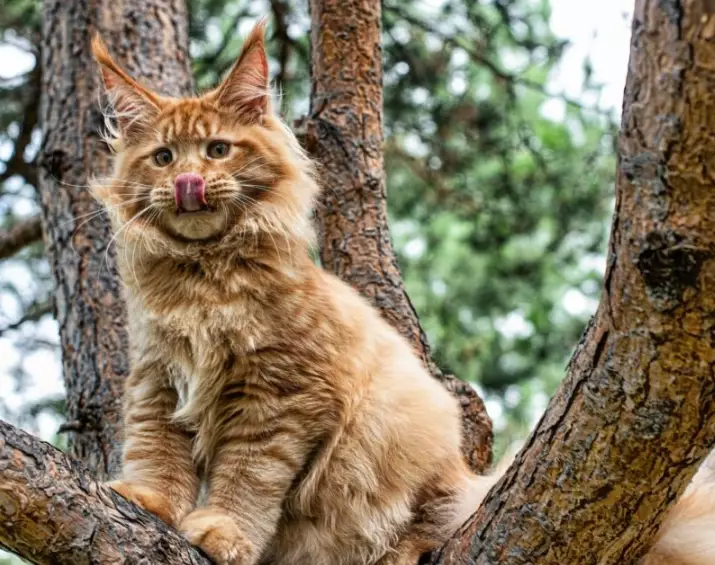
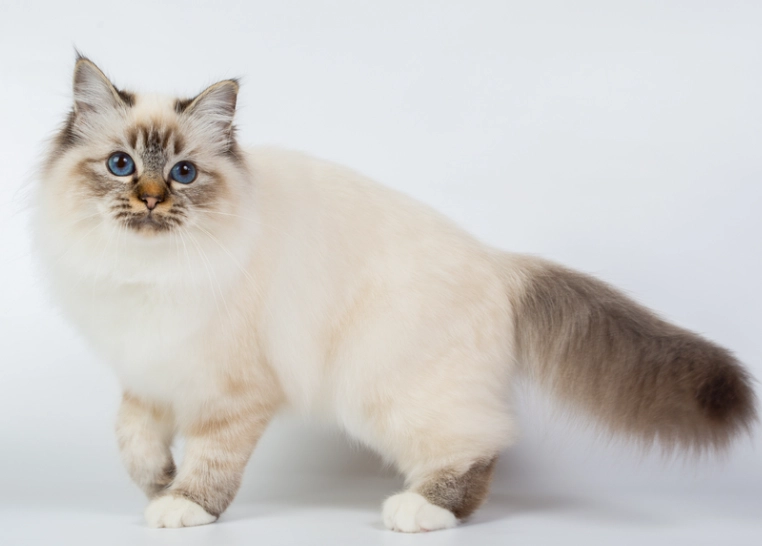
Let's cut to the chase. You're here because you've seen a picture of a Singapura cat—the world's smallest registered cat breed—and you're smitten. That ticked-tabby coat, those huge, expressive eyes, the delicate frame. But you're a responsible pet person. You know looks aren't everything. The real question burning in your mind is: What is the Singapura cat personality actually like to live with? Is it all delicate charm, or is there a hidden lion inside that tiny body?
After living with a Singapura named Mochi for seven years and talking to dozens of breeders and owners, I can tell you the Singapura cat temperament is a fascinating, often misunderstood package. Forget the generic "affectionate and curious" descriptions you find everywhere. The reality is more nuanced, more demanding, and in my opinion, more rewarding. They're not just small cats; they're a specific experience. This guide dives deep into what that experience really entails, the good, the challenging, and the utterly delightful.
Inside This Guide: Your Singapura Personality Roadmap
The 5 Core Singapura Cat Personality Traits (Beyond "Sweet")
Everyone calls them sweet. It's true, but it's like calling a sports car "fast"—it misses the engineering. To understand the Singapura cat personality, you need to look at the interconnected traits that define them.
| Trait | What It Looks Like | Intensity Level (1-10) |
|---|---|---|
| Profoundly People-Oriented | This isn't casual affection. They form intense bonds, often with one primary person. They follow you room-to-room, not out of anxiety, but pure interest. You are their favorite TV show. | 9 |
| Inquisitive & "Helpful" | They need to supervise everything. Unpacking groceries? They're in the bag. Working on your laptop? Their paws are on the keyboard. It's a deep-seated curiosity about your actions, not just the environment. | 8 |
| Surprisingly Athletic & Energetic | Don't let the size fool you. They have explosive energy in short, intense bursts—zoomies up the cat tree, lightning-fast pounces on toys. They're sprinters, not marathon runners. | 7 (in bursts) |
| Vocal & Communicative | They rarely meow loudly. Instead, they use a repertoire of chirps, trills, and soft murmurs to comment on the world. It's a running, conversational dialogue. | 6 |
| Sensitive & Emotionally Attuned | They pick up on household tension or your mood shifts incredibly fast. A stressed home environment can make a Singapura withdrawn or skittish. | 8 |
The biggest mistake new owners make is treating that "people-oriented" trait as a simple lap-cat desire. It's more than that. It's a need for mental engagement with you. A bored Singapura isn't just a cat that sleeps more; it's a cat that might become clingy in an annoying way or get into mischief for attention.
Are Singapura Cats Good Family Pets? The Honest Breakdown
This depends entirely on your family's definition of "good."
With Children
Singapuras can be wonderful with gentle, respectful children who understand cat boundaries. Their playful bursts match a child's energy well. However, they are not sturdy, tolerant ragdolls. A toddler's clumsy grab or loud shriek can terrify them. They are small and can be injured easily. They thrive best with older children (think 8+) or in adult-only homes.
With Other Pets
With other cats: They often do well, especially if introduced properly. Their social nature means they usually enjoy feline company. Pairing with another playful, gentle breed (like another Singapura, a Burmese, or a Tonkinese) can be ideal.
With dogs: Possible, but you must be ultra-selective. A calm, cat-respectful older dog can be a fine companion. A high-prey-drive or boisterous puppy is a terrible match and will make the Singapura's life stressful.
My Singapura, Mochi, lives harmoniously with a laid-back senior rescue cat. They aren't cuddle buddies, but they have a peaceful coexistence. I tried introducing a friend's energetic young dog once, and Mochi spent the entire visit on the highest shelf, refusing to come down. Lesson learned.
A Day in the Life: What Living With a Singapura is Really Like
Let's get concrete. Here's a typical day, which highlights their personality in action.
7:00 AM: You don't need an alarm. A soft paw will tap your face, or you'll hear a quiet chirp from the pillow next to you. This is the "supervision shift" starting. They must escort you to the kitchen for breakfast.
Your Workday (if you work from home): Expect a supervisor. They will occupy a chair right next to yours, or attempt to lie across your keyboard. Phone calls are often punctuated by background chirps. Their energy burst usually hits mid-morning—a frantic five-minute session chasing a feather wand or racing through a tunnel is mandatory.
Evening: This is prime bonding time. While some cats become independent in the evening, Singapuras often become more attached. They'll curl in your lap while you watch TV, but not passively—they want occasional chin scratches, a conversation. They are part of the activity.
Common Misconceptions & Expert Insights
Here's where a decade of observation pays off. The internet is full of half-truths about this breed.
Misconception 1: "They are fragile and timid." There's a confusion between being sensitive and being timid. A well-socialized Singapura from a reputable breeder is confident and inquisitive. They might startle at a loud noise (sensitivity), but they are the first to investigate a new guest or object (confidence). The "fragile" label often comes from poor breeding or insufficient early socialization.
Misconception 2: "They are low-energy because they're small." This is dangerously wrong. They are high-energy in compact packages. Without adequate play—not just toys left out, but interactive play with you—that energy can turn into nighttime zoomies or attention-seeking behaviors like knocking things off shelves.
Misconception 3: "Any loving home is a good home." The ideal Singapura home is a specific ecosystem. It's a relatively quiet, stable home without chaotic comings and goings. It has an owner who is present a lot (retirees, work-from-home folks) and who genuinely wants a shadow. A bustling household with young kids, loud parties, and unpredictable schedules will likely overwhelm this sensitive breed.
How Does the Singapura Temperament Compare to Other Breeds?
This helps contextualize their unique personality.
Vs. The Abyssinian: Both are curious and active. The Abyssinian is often more independent and athletic—a daredevil explorer. The Singapura's curiosity is more socially focused on you. An Abyssinian might climb your bookshelf for the view; a Singapura climbs it to be closer to where you're working.
Vs. The Burmese: The Burmese is famously dog-like and affectionate, often compared to the Singapura. In my experience, the Burmese is more physically robust, louder, and can be more demanding in a bulldozer kind of way. The Singapura's affection is more subtle and polite.
Vs. A Domestic Shorthair (Moggie): This is the biggest crapshoot. A random cat's personality varies wildly. The Singapura offers predictability. You are almost guaranteed a people-focused, interactive, soft-voiced cat if you go through a good breeder. With a rescue, it's a wonderful surprise but not a guarantee.
Your Singapura Personality Questions, Answered
So, is the Singapura cat personality right for you? It boils down to a simple question: Do you want a pet, or a participant? A Singapura doesn't just live in your home; it actively participates in your daily life with a quiet, persistent, and deeply affectionate focus. They are not low-maintenance ornaments. They are engaging, sensitive companions who reward a calm, attentive household with a lifetime of unique and endearing partnership. If that sounds like your kind of feline relationship, this smallest of cats might just make the biggest impact on your life.