You see one across the room—a creature of pure, snowy elegance. A white cat has a way of stopping you in your tracks. Is it their angelic appearance, or is there something more going on beneath that flawless fur? I've lived with cats my whole life, but when a white Persian named Casper moved in, I realized I knew nothing. The vet bills, the constant grooming, the deafness scare... it was a crash course.
Turns out, white cats aren't just a color. They're a genetic event, a bundle of unique needs wrapped in a stunning package. This isn't about listing trivial facts. We're going deep into the science, the health realities, and the day-to-day care that makes living with a white cat a uniquely rewarding challenge.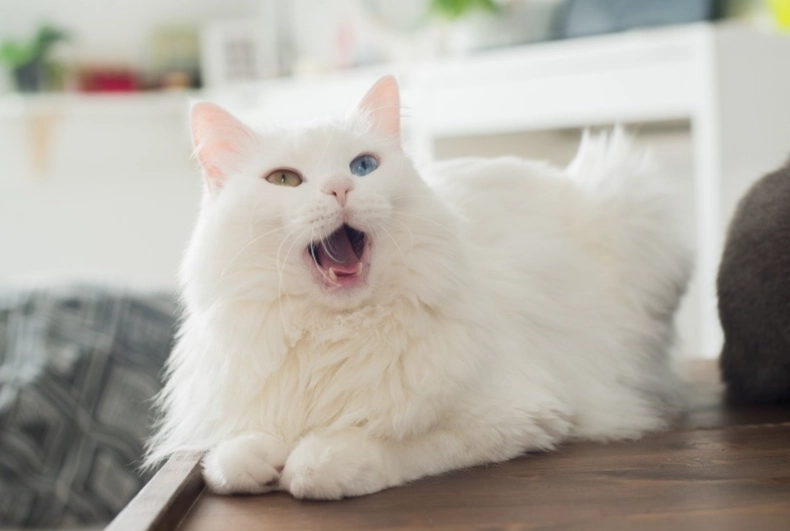
What You’ll Discover in This Guide
The Genetics Behind the White Coat: It's Not Just One Thing
Most people think a white cat is just... white. But how they *become* white is a fascinating genetic puzzle with major implications. There are three main ways, and confusing them leads to a lot of misinformation.
The Dominant White Gene (The Mask)
This is the big one. A single dominant gene, symbolized as W, acts like a painter throwing a white sheet over the entire canvas. It masks every other color and pattern gene the cat carries. Think of it as a genetic override switch. This is what creates most pure white cats you see—Persians, Turkish Vans, Domestic Shorthairs. The kicker? This gene is also linked to the development of the inner ear. The same cells that give skin and fur pigment (melanocytes) are crucial for the inner ear's function. When the W gene suppresses them, it can lead to deafness. It's a package deal.
The Spotting Gene (The White Gloves)
This is different. The white on a tuxedo cat or a cat with white paws and a blaze comes from the piebald or white spotting gene (S). It creates random patches of white. A cat can have so much of this spotting that it appears entirely white, but genetically, it's not the same as a dominant white cat. These cats usually have normal hearing because the gene works differently.
True Albinism (The Absence)
Extremely rare. An albino cat lacks the enzyme tyrosinase entirely, so it cannot produce *any* melanin. No pigment in skin, fur, or eyes. Their eyes look pale blue, pink, or red. They are always deaf and highly photosensitive. Most "white cats" are not albino. If your cat has any black speckles on its skin (common around the nose or ears) or green/gold eyes, it's not an albino.
Key Takeaway: When someone asks if your white cat is deaf, the real question is about its genetics. A dominant white (W) cat is in a different risk category than a heavily spotted cat that looks white.
Special Health Considerations for White Cats
Here's where theory meets reality. Owning a white cat isn't just aesthetic; it's a commitment to proactive healthcare. I learned this the hard way when Casper developed a small, crusty sore on his ear tip.
Deafness: Understanding the Real Risk
The link between white coats, blue eyes, and deafness is real, but the statistics are often misused. Let's clarify:
- White cat + two blue eyes: Highest risk. Studies, like those referenced by the Cornell Feline Health Center, suggest 60-80% may be deaf. The W gene affects the migration of melanocytes to both the eyes (giving blue) and the inner ear.
- White cat + one blue eye (odd-eyed): Often deaf on the blue-eyed side only. The gene's effect can be unilateral.
- White cat + non-blue eyes: Risk drops significantly (around 10-20%), but is still higher than colored cats.
Deaf cats live perfectly full lives. They startle easily, so you approach them from the front. They're masters of vibration—they'll feel you walking. Never let a deaf cat roam outdoors unsupervised.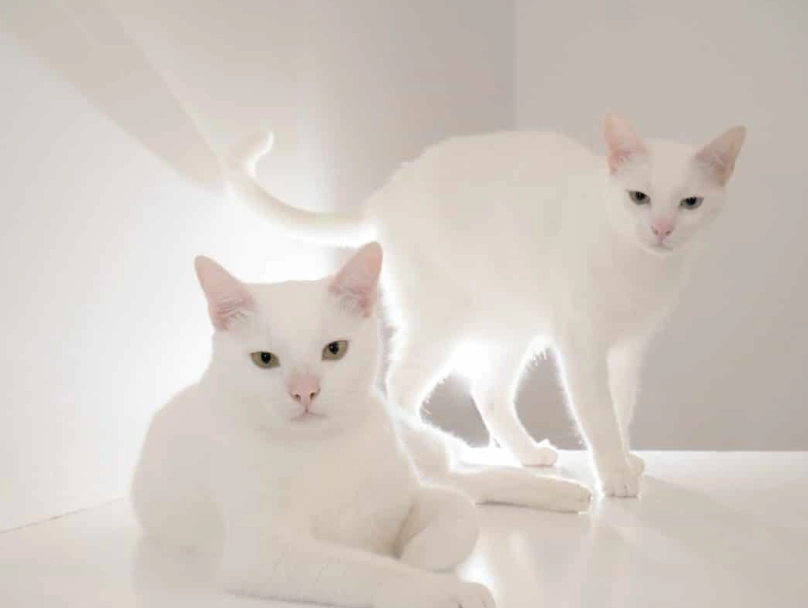
Sunburn and Skin Cancer: The Silent Threat
This is the most under-discussed danger. Melanin protects skin from UV radiation. White cats, especially those with pink skin, have little to no protection. Their ears, eyelids, and nose are prime targets.
My friend's white cat, Mochi, loved sunbathing by the bay window. After a few years, his ears became chronically pink, then developed scaly, non-healing sores. It was solar dermatitis, a precursor to squamous cell carcinoma (SCC). The treatment involved multiple surgeries. It was preventable.
Prevention is non-negotiable:
- Indoor Life is Best: The safest choice.
- Peak Sun Avoidance: Keep them away from direct sun between 10 am and 4 pm.
- Pet-Safe Sunscreen: Apply fragrance-free, zinc-oxide-free sunscreen to ear tips and nose if they have sun exposure. Reapply as directed.
- UV Window Film: A great investment for sunny rooms.
How to Groom and Care for a White Cat
Keeping a white cat pristine is a labor of love. It's not harder, just more... visible. Every little mishap shows.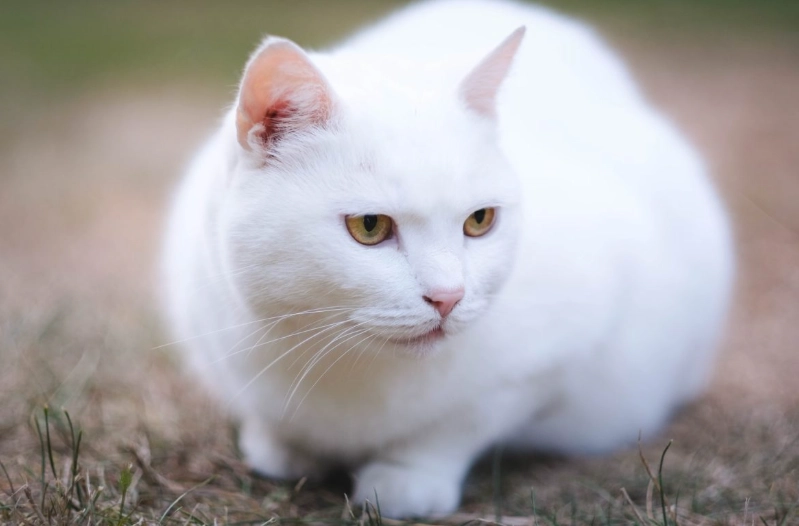
The Stain Battle: Eyes, Mouth, and Paws
Tear stains (red-brown streaks) are common. They're caused by porphyrins, pigments in tears. Some cats produce more than others. Daily wiping with a soft, damp cloth is better than harsh wipes. For stubborn stains, a boric acid solution (from your vet) on a cotton ball can help—avoid the eye itself.
Food can stain around the mouth. Using a stainless steel or ceramic bowl (plastic harbors bacteria) and wiping their chin after meals helps. Litter box dust is the enemy. A low-dust, clean litter is essential. I switched to a paper-based litter and saw a huge difference in Casper's paw whiteness.
Bathing: Less is More
Over-bathing strips essential oils, causing dry skin and a dull coat. For general maintenance, a good brushing 2-3 times a week is sufficient. If a bath is needed (for a sticky mess), use a gentle, brightening shampoo made for white coats. Always rinse thoroughly—soap residue looks worse than dirt.
Diet for a Healthy Coat
A shiny, healthy coat starts from within. Look for foods high in omega-3 and omega-6 fatty acids. I add a pump of salmon oil to Casper's food. It improves skin health and gives his fur a luminous quality that no shampoo can match.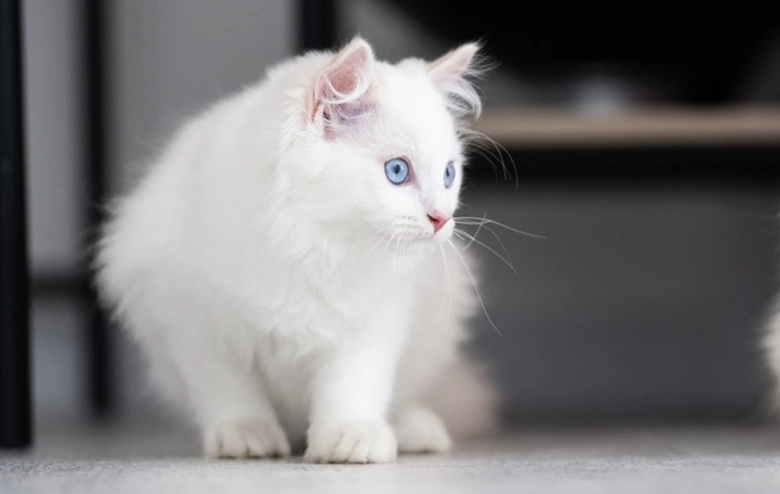
White Cat Myths Debunked
Let's clear the air on some persistent folklore.
Myth: All white cats are albino.
Truth: As discussed, most are dominant white. Albinos are a tiny fraction.
Myth: White cats are less healthy overall.
Truth: Aside from the deafness and sun sensitivity linked to the W gene, they are no more prone to other generic feline diseases. A white cat from a responsible breeder or a healthy shelter cat can live a long, robust life.
Myth: They have a specific "white cat personality."
Truth: Coat color doesn't dictate personality. I've met aloof white cats and clingy ones. Their temperament is shaped by breed, socialization, and individual quirks, not their pigment.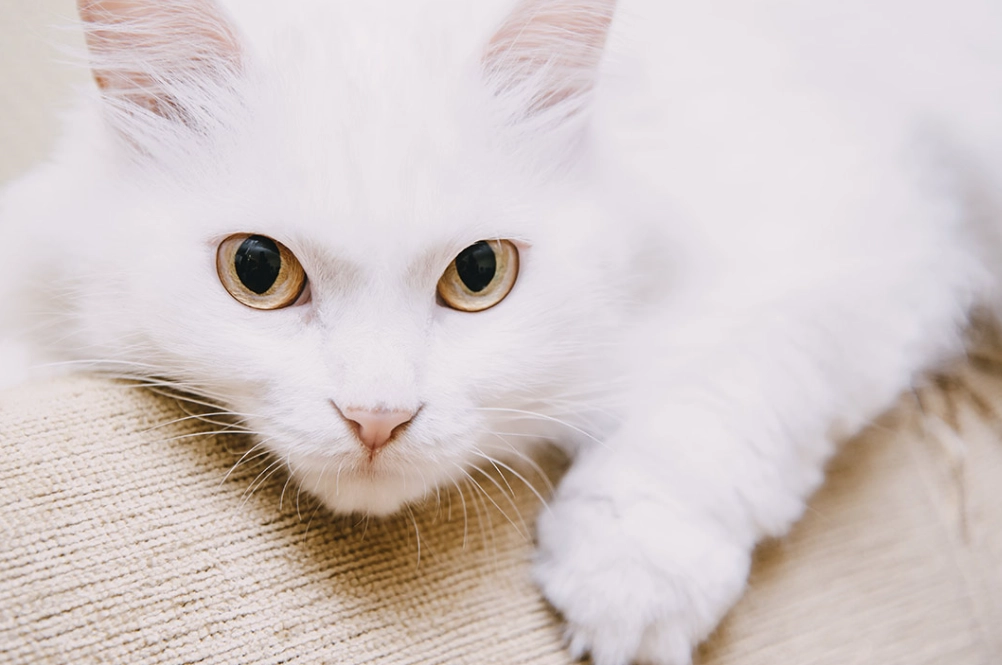
Your White Cat Questions, Answered
So, what's so special about white cats? It's not magic, it's biology and responsibility. Their beauty is a genetic marvel with tangible consequences. They challenge us to be more observant owners—to watch for sun on their ears, to listen for signs of deafness, to commit to a grooming routine that keeps them healthy, not just photogenic.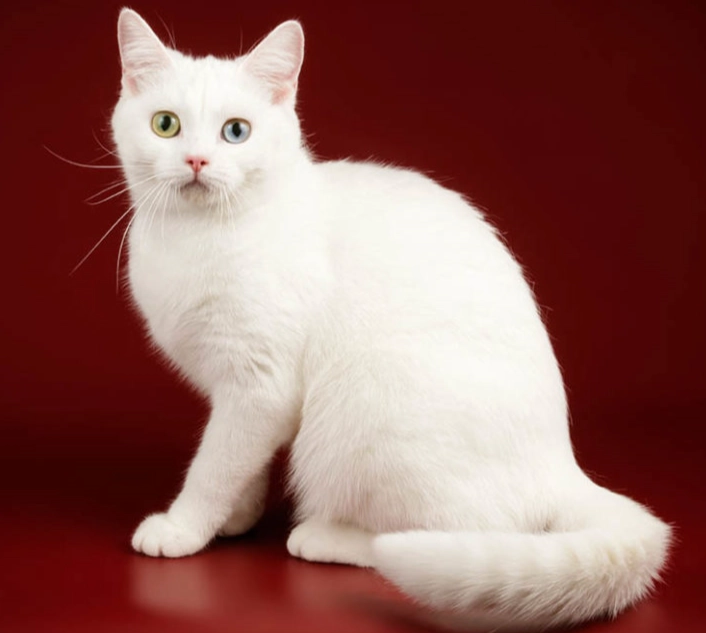
Living with Casper taught me that their specialness isn't just in how they look, but in the attentive care they inspire. It's a partnership. You provide the vigilance against sun and stains; they provide the daily dose of snowy elegance and, in my case, a very loud (deaf cats are not quiet) and utterly devoted companion. That's the real secret.